If you’ve been asking, can varicocele cause lower abdominal pain, the answer is yes, in some men. While a varicocele is best known for causing a dull ache or heaviness in the scrotum, discomfort may also spread into the lower abdomen or groin through a process called referred pain. This type of pain does not mean the abdomen itself is injured. Instead, shared nerve pathways allow the brain to interpret signals from congested scrotal veins as discomfort in nearby areas.
Understanding why this happens can reduce unnecessary worry and help you recognize when symptoms are consistent with a varicocele and when they may point to another medical condition. This guide explains the anatomy behind referred pain, the relationship between pelvic venous congestion and scrotal vein enlargement, practical ways to reduce daily discomfort, and when it is time to see a urologist for further evaluation.
Can Varicocele Cause Lower Abdominal Pain?
Yes. Although the classic symptom is a dull, aching sensation within the scrotum, some men experience pain extending into the lower abdomen, groin, or upper inner thigh. This occurs because the nerves supplying the spermatic cord, testicle, and lower abdominal wall overlap.
A varicocele develops when valves inside the veins of the pampiniform plexus stop working properly. Blood pools instead of flowing efficiently back toward the heart. The resulting venous pressure stretches nearby tissues and stimulates pain-sensitive nerve fibers. Since these nerves communicate through shared spinal segments, the brain may perceive pain in the lower belly instead of only the scrotum.
- Dull aching in the lower abdomen after standing for long periods
- Groin discomfort that improves after lying down
- A sensation of heaviness or pelvic dragging
- Scrotal fullness that becomes more noticeable later in the day
- Symptoms that worsen with heavy lifting or exercise
Understanding Referred Pain: The Genitofemoral Pathway
Referred pain occurs when different body structures send sensory signals through the same nerve pathways. The genitofemoral nerve, together with branches of the ilioinguinal nerve, supplies portions of the spermatic cord, scrotum, groin, and lower abdominal wall.
When enlarged veins create continuous pressure around the spermatic cord, these nerves transmit pain signals to spinal cord segments that also receive information from the lower abdomen. The brain cannot always distinguish the exact source, so discomfort may be felt above the groin instead of directly within the scrotum.
This explains why some patients describe:
- A pulling sensation extending toward the lower abdomen
- A groin dull ache after prolonged standing
- Discomfort while walking long distances
- Pelvic tightness that eases when resting flat
The American Urological Association and the European Association of Urology recognize chronic scrotal pain as a possible indication for evaluation and treatment when a clinically significant varicocele is present and other causes have been excluded. Additional anatomy of the spermatic cord and scrotal innervation is described by the NCBI Bookshelf and current recommendations are available through the European Association of Urology.
How Scrotal Blood Pooling Triggers Lower Abdominal Tension
Blood pooling increases pressure within the dilated veins surrounding the spermatic cord. Over time, this creates mechanical tension on tissues that connect the testicle to the inguinal canal. Many patients describe this as a downward pulling sensation rather than sharp pain.

Discover specialized varicocele underwear designed for daily comfort, support, and recovery — a more targeted option for men who want support without compromise.
Discover the Recommended OptionThis constant traction can contribute to pelvic discomfort, especially during activities that increase abdominal pressure, including:
- Standing for several hours
- Strength training with heavy weights
- Running or jumping sports
- Frequent lifting at work
- Long car or airplane trips
| Symptom Pattern | Often Seen With Varicocele | Needs Medical Evaluation |
|---|---|---|
| Dull ache after standing | Common | No, unless persistent |
| Heaviness relieved by lying down | Common | Routine evaluation |
| Sharp sudden severe pain | Not typical | Immediate medical care |
| Fever or redness | Not typical | Prompt evaluation |
| Rapid swelling of one testicle | Not typical | Urgent evaluation |
If symptoms resemble sudden severe pain instead of a chronic dull ache, other conditions such as testicular torsion, infection, or an inguinal hernia must be ruled out promptly.
For readers comparing similar conditions, our guide on varicocele vs. inguinal hernia explains the differences in symptoms and examination findings.
Alleviating Pelvic Drag Instantly
Conservative treatment cannot repair faulty veins, but it can reduce the mechanical stress that contributes to daily discomfort. One of the simplest approaches is lifting and supporting the scrotum, which decreases downward tension on the spermatic cord during walking and standing.
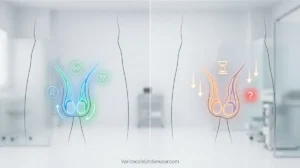
A supportive garment designed specifically for varicocele symptoms can help reduce pelvic drag throughout the day. The Varicocele Underwear Support & Cooling system is designed to gently elevate the scrotum while maintaining airflow. This may lessen the referred dull ache felt in the groin or lower abdomen, although it does not cure the underlying enlarged veins.
Additional strategies that many patients find helpful include:
- Limiting prolonged standing whenever possible
- Taking short walking breaks instead of remaining in one position
- Avoiding unnecessary heavy straining
- Using cold packs briefly if swelling increases after activity
- Maintaining a healthy body weight
You may also benefit from learning the biomechanics behind scrotal elevation in our article on the physics of scrotal support and varicocele pressure.
When Pelvic Venous Congestion Should Be Investigated Further
Most left-sided varicoceles develop because of normal anatomical differences in venous drainage. However, persistent pain, fertility concerns, testicular shrinkage, or symptoms that continue despite conservative management deserve evaluation by a urologist.
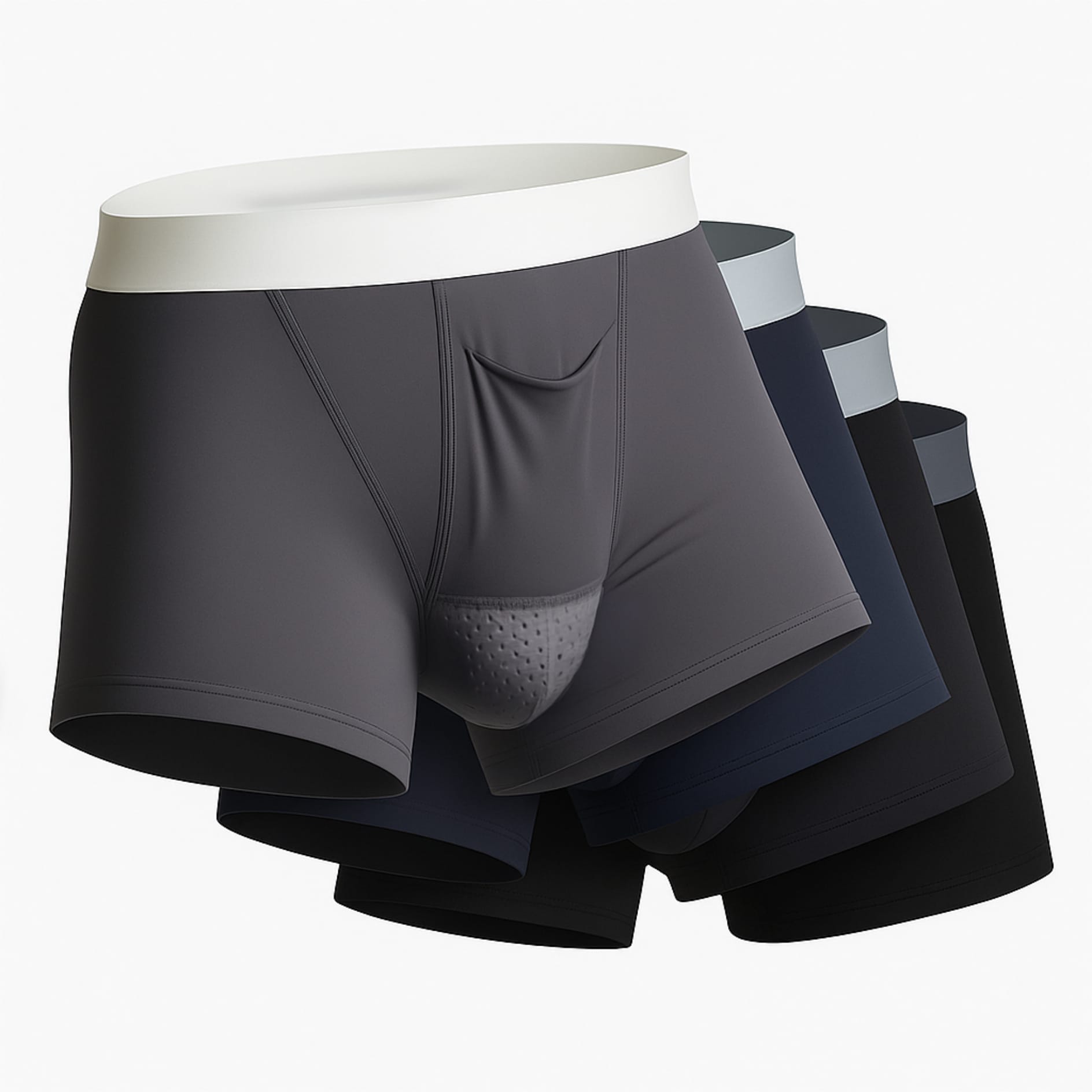
A physical examination is usually followed by a color Doppler ultrasound, which measures vein diameter and demonstrates backward blood flow during the Valsalva maneuver. The examination also helps exclude other causes of groin pain.
If imaging has been recommended, our guide to Doppler ultrasound for varicocele explains what the test measures and how physicians interpret the results.
Patients wondering whether symptoms justify treatment can also read our detailed guide on deciding if varicocele surgery is necessary.
When Lower Abdominal Pain Is Probably Not From a Varicocele
Not every ache in the lower abdomen is related to a varicocele. Medical evaluation is recommended if you develop:
- Sudden severe scrotal pain
- Fever or chills
- Nausea with intense testicular pain
- Blood in the urine
- Persistent abdominal pain unrelated to standing or activity
- A newly developed right-sided varicocele, particularly in older adults
These symptoms may indicate another condition requiring prompt diagnosis.
Frequently Asked Questions
Can a varicocele make my lower stomach hurt?
Yes. Shared nerve pathways between the spermatic cord and lower abdominal wall can produce referred pain. The discomfort is usually described as a dull ache or pulling sensation that becomes worse after standing and improves when lying down.
Why does my groin ache even though the pain starts in my scrotum?
The nerves serving the scrotum and groin overlap. Pressure from enlarged veins can stimulate these nerves, causing the brain to interpret the discomfort as groin pain instead of pain limited to the testicle.
Can supportive underwear cure referred pain from a varicocele?
Supportive underwear cannot repair enlarged veins or eliminate a varicocele. It may reduce downward tension on the spermatic cord and improve daily comfort for many men, particularly during standing, walking, or exercise.
Key Takeaway
If you are wondering whether a varicocele can cause lower abdominal pain, the answer is yes for some men because of referred pain and mechanical tension along the spermatic cord. Supportive measures such as scrotal elevation may reduce the daily pulling sensation, but they do not correct the underlying vein problem. Persistent pain, fertility concerns, or changing symptoms should always be discussed with a qualified urologist to determine whether imaging or treatment is appropriate.
Related Articles
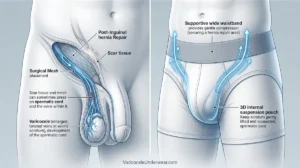


Choose Varicocele Support Designed for Cooling, Lift, and Daily Comfort
You’ve seen why regular underwear often falls short. Now view the purpose-built option made to reduce heaviness, improve support, and feel comfortable enough for everyday wear.