Noticing a heavy sensation or unusual fullness in the scrotum often prompts men to schedule a urology check-up. Medical appointments involving sensitive areas can cause uncertainty, especially when doctors perform physical movements that seem unfamiliar. One standard technique used during a scrotal evaluation is the varicocele cough impulse test. This simple bed-side maneuver allows a physician to evaluate blood flow patterns within the pampiniform plexus, the network of small veins responsible for draining blood from the testicles. By learning how clinicians evaluate these structures, you can feel confident during your exam and better understand how physical forces affect scrotal vein health.
What to Expect During a Scrotal Physical Exam
A physical exam for scrotal discomfort begins with a clear, systematic assessment. Urologists perform this check in a private, comfortable environment, examining the scrotum in two distinct positions: standing up and lying down flat. Position matters because gravity heavily influences how venous blood settles inside dilated scrotal veins.
When you stand, gravity pulls blood downward, filling relaxed or enlarged veins and making vascular changes far easier to feel. During the initial visual inspection, the doctor looks for visible twisting or fullness, often described classicly as a pouch containing soft threads. Following visual inspection, the doctor performs gentle palpation, holding the spermatic cord between their fingers to evaluate vein thickness, testicular size, and cord structure. Correctly identifying scrotal swelling requires careful differentiation between fluid collection, tissue herniation, and venous enlargement, such as during a hernia vs varicocele diagnosis.
Evaluating physical characteristics allows the specialist to categorize the vein enlargement according to standard clinical grades of varicoceles. The physical findings directly determine whether additional diagnostic steps are necessary.
| Clinical Grade | Physical Examination Finding | Patient Position Required |
|---|---|---|
| Grade 1 (Subtle) | Veins are not visible and cannot be felt during normal breathing; felt only during coughing or straining. | Standing with forced strain (Valsalva) |
| Grade 2 (Moderate) | Veins are easily palpable during gentle exam, but not clearly visible through the scrotal skin. | Standing in relaxed position |
| Grade 3 (Severe) | Veins are visibly prominent through the skin and easily felt without touching or straining. | Standing, visible from a distance |
The Varicocele Cough Impulse Test: How Doctors Detect Hidden Veins
When dilated veins are small or moderate, standing inspection alone may not offer clear proof. This is where the varicocele cough impulse test becomes an invaluable clinical diagnostic tool. During this test, the urologist gently isolates the spermatic cord at the top of the scrotum and asks you to take a deep breath and cough firmly or perform the Valsalva maneuver by pushing down as if having a bowel movement.

Discover specialized varicocele underwear designed for daily comfort, support, and recovery — a more targeted option for men who want support without compromise.
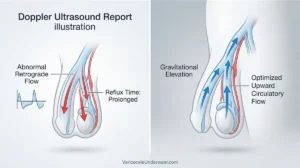
Discover the Recommended OptionThe science behind this maneuver rests on vascular physics. Healthy spermatic veins contain tiny one-way valves that prevent blood from flowing backward toward the testicles. In a varicocele, these internal valves fail or stretch out. When you cough or strain, your diaphragm contracts and increases intra-abdominal pressure. This spike in pressure travels down the valveless internal spermatic vein, creating a temporary wave or fluid impulse that the clinician detects directly between their fingertips.
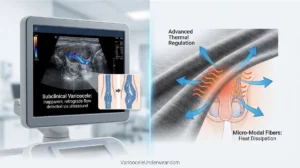
According to clinical standards outlined in AUA and ASRM practice guidelines, physical palpation during upright straining remains the primary foundation for identifying clinically relevant varicoceles. If physical examination leaves any doubt, or if vein asymmetry suggests unusual abdominal pressure, doctors often order a Doppler ultrasound evaluation to measure exact vessel diameters and document fluid reversal on screen.
European clinical standards published by the European Association of Urology similarly emphasize that physical impulse testing helps clinicians categorize scrotal masses accurately without relying solely on unnecessary imaging for mild cases.
- Isolating the spermatic cord: The clinician stabilizes the tissue just above the upper pole of the testicle.
- Increasing abdominal pressure: A cough or short strain raises pressure inside the pelvic cavity.
- Detecting the fluid surge: A distinct expansion impulse confirms that blood is moving backward down the spermatic vein.
- Checking supine reduction: When you lie down flat, the clinician verifies that blood drains out and the fullness diminishes.
Protecting Your Veins from Sudden Pressure Spikes
The physiological forces demonstrated during the cough impulse exam happen continuously throughout daily life. Routine activities like heavy lifting, vigorous exercise, chronic coughing, or extended standing create recurring spikes in abdominal pressure. For men with weakened venous valves, these sudden downward surges put ongoing stress on fragile vessel walls, leading to aching pain or scrotal heaviness by the end of the day.
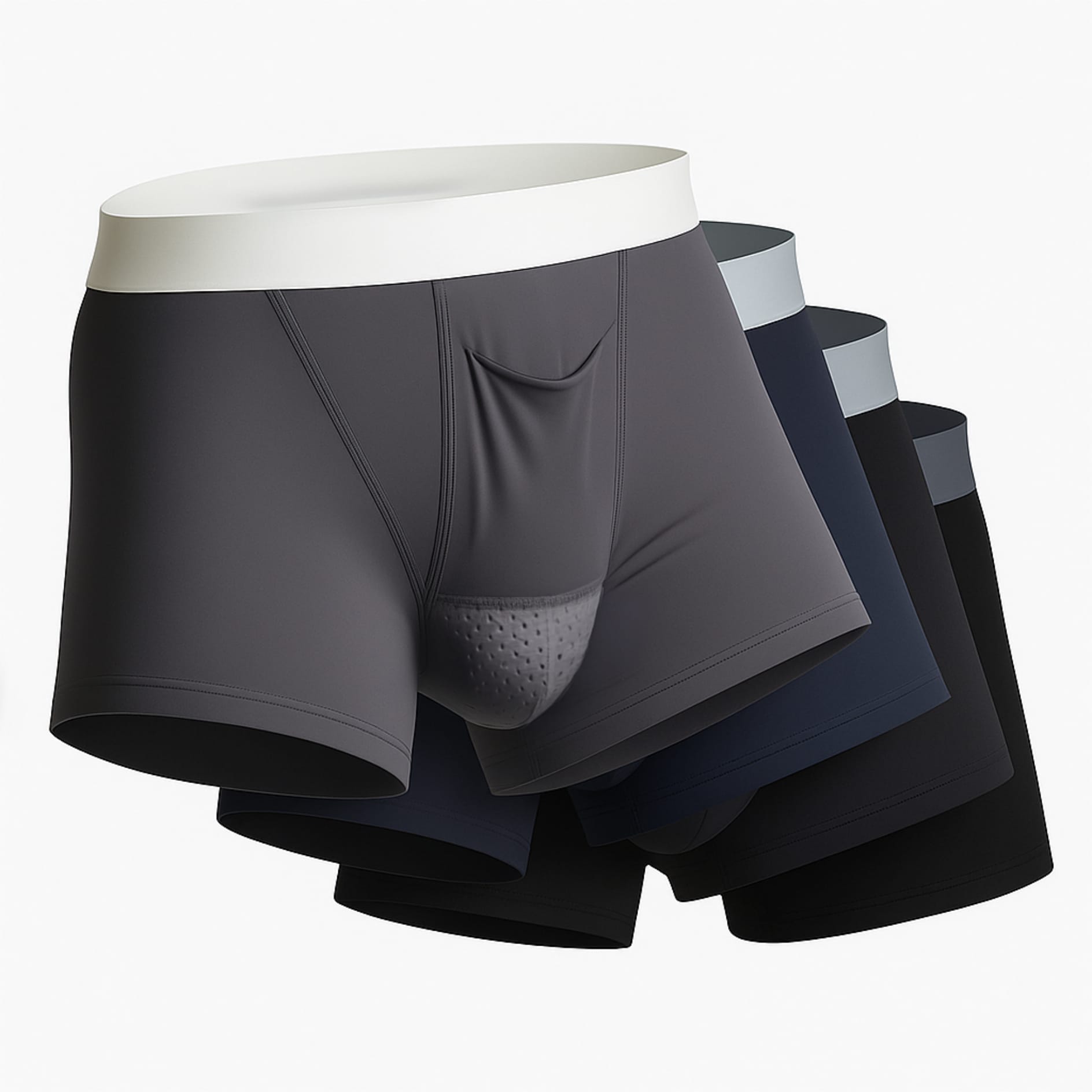
Managing daily discomfort involves minimizing unnecessary mechanical strain on the spermatic cord. While non-surgical options cannot repair broken venous valves, reducing gravitational drag helps stabilize the region. Utilizing ergonomic support, such as Varicocele Underwear Support & Cooling, offers a practical, non-invasive method to cushion the scrotum. This specialized garment gently elevates testicular tissue, absorbing sudden downward pressure spikes from coughing or movement while promoting temperature regulation.
Understanding the physics behind physical scrotal support shows why elevated positioning brings noticeable relief. Offloading the weight of pooling blood protects sensitive structures and keeps daily pressure spikes from triggering throbbing pain during regular activities.
Frequently Asked Questions
Is the varicocele cough impulse test painful?
No, the test is generally painless. The urologist applies gentle pressure to the spermatic cord while you cough. You may experience a brief moment of pressure or mild tenderness if the veins are currently inflamed, but the maneuver takes only a few seconds to complete.
What is the difference between a cough impulse test for a hernia and a varicocele?
While both tests use coughing to increase abdominal pressure, an inguinal hernia pushes abdominal contents or fat into the groin canal, creating a palpable soft mass. A varicocele creates a vascular thrill or fluid pulse inside enlarged pampiniform plexus veins without bowel herniation.
Can a varicocele be diagnosed without coughing?
Yes, larger Grade 2 and Grade 3 varicoceles are detected easily during normal standing palpation or visual inspection. However, identifying subtle Grade 1 varicoceles usually requires coughing or the Valsalva maneuver to force brief backward blood flow through subclinical venous channels.
Key Takeaway
The varicocele cough impulse test is a safe, rapid bed-side technique that reveals impaired venous valves in the scrotum. Understanding how abdominal pressure impacts blood flow helps you manage daily physical strain, combine medical evaluations with practical scrotal support, and maintain overall vascular comfort.
Related Articles

Choose Varicocele Support Designed for Cooling, Lift, and Daily Comfort
You’ve seen why regular underwear often falls short. Now view the purpose-built option made to reduce heaviness, improve support, and feel comfortable enough for everyday wear.