When you open an ultrasound report showing dilated scrotal veins, your immediate thought is straightforward: do you actually need varicocele surgery? For most men, the clinical answer is no. Finding swollen pampiniform plexus veins does not mean you are destined for the operating room. Urologists rely on a precise 2027 watchful waiting checklist to distinguish between harmless venous swelling and progressive conditions that threaten fertility or cause unmanageable discomfort. Deciding when to monitor vs operate on veins hinges on measurable data: semen analysis results, testicular volume symmetry, and whether physical symptoms respond to conservative care. If your sperm count is healthy and you have no persistent pain, careful observation is safe, medically sound, and often the best course of action.
When Is Watchful Waiting Medically Appropriate
A varicocele occurs when valves inside the spermatic cord veins fail to close properly. Gravity pulls blood backward, creating pooled, stretched veins that resemble a bag of worms. While around fifteen percent of all adult men walk around with this anatomical variation, only a small fraction ever develop clinical problems. If you want a deep dive into the underlying vascular anatomy, our complete varicocele guide explains how these circulatory changes develop over time.
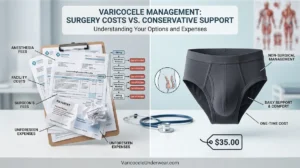
Watchful waiting is not passive neglect. It is an active medical surveillance protocol designed to protect your testicles while sparing you from unnecessary operations. Surgical procedures like microscopic subinguinal varicocelectomy carry risks of hydrocele formation, arterial injury, and prolonged recovery periods. If you have no symptoms, choosing asymptomatic varicocele treatment through structured observation avoids those operative risks entirely.
Active surveillance makes clinical sense under specific conditions. First, you have no plans to father children immediately, or a verified semen analysis confirms normal sperm density, motility, and morphology. Second, both testicles show equal size, meaning there is no sign of tissue loss or atrophy. Third, you experience no daily ache that disrupts your job, gym workouts, or sleep. When these criteria are met, routine monitoring protects your scrotal health without a single scalpel incision.
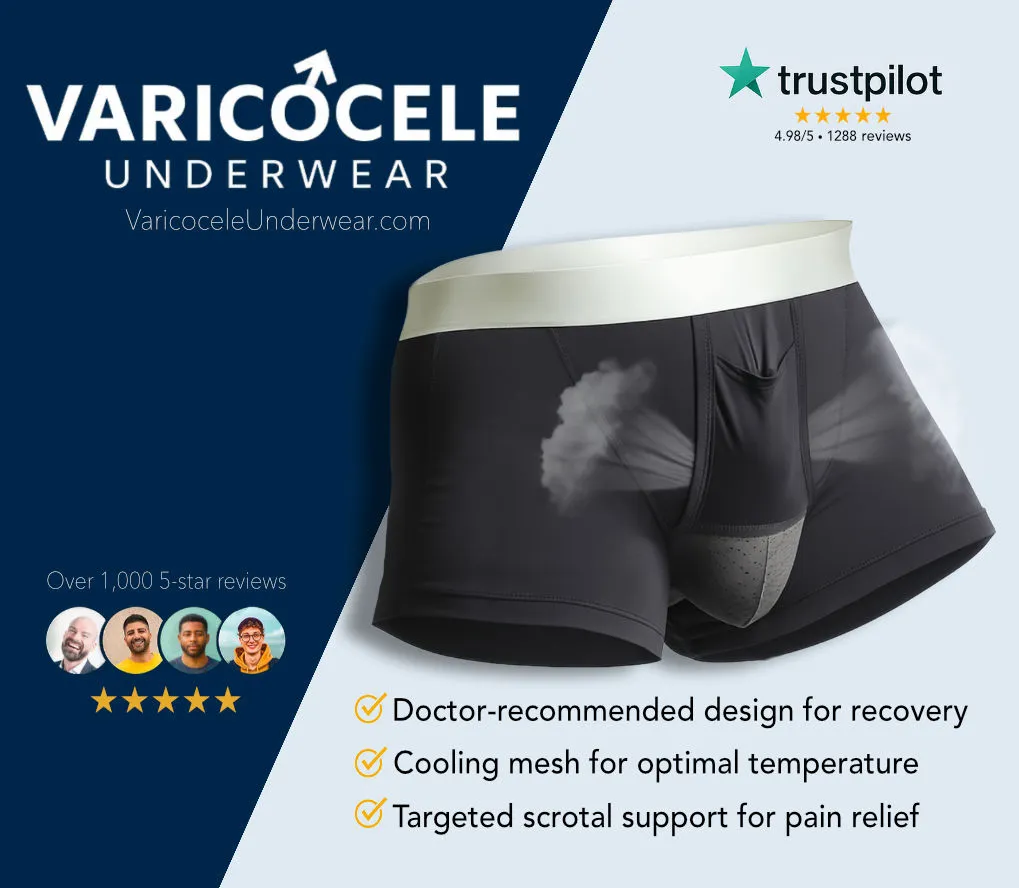
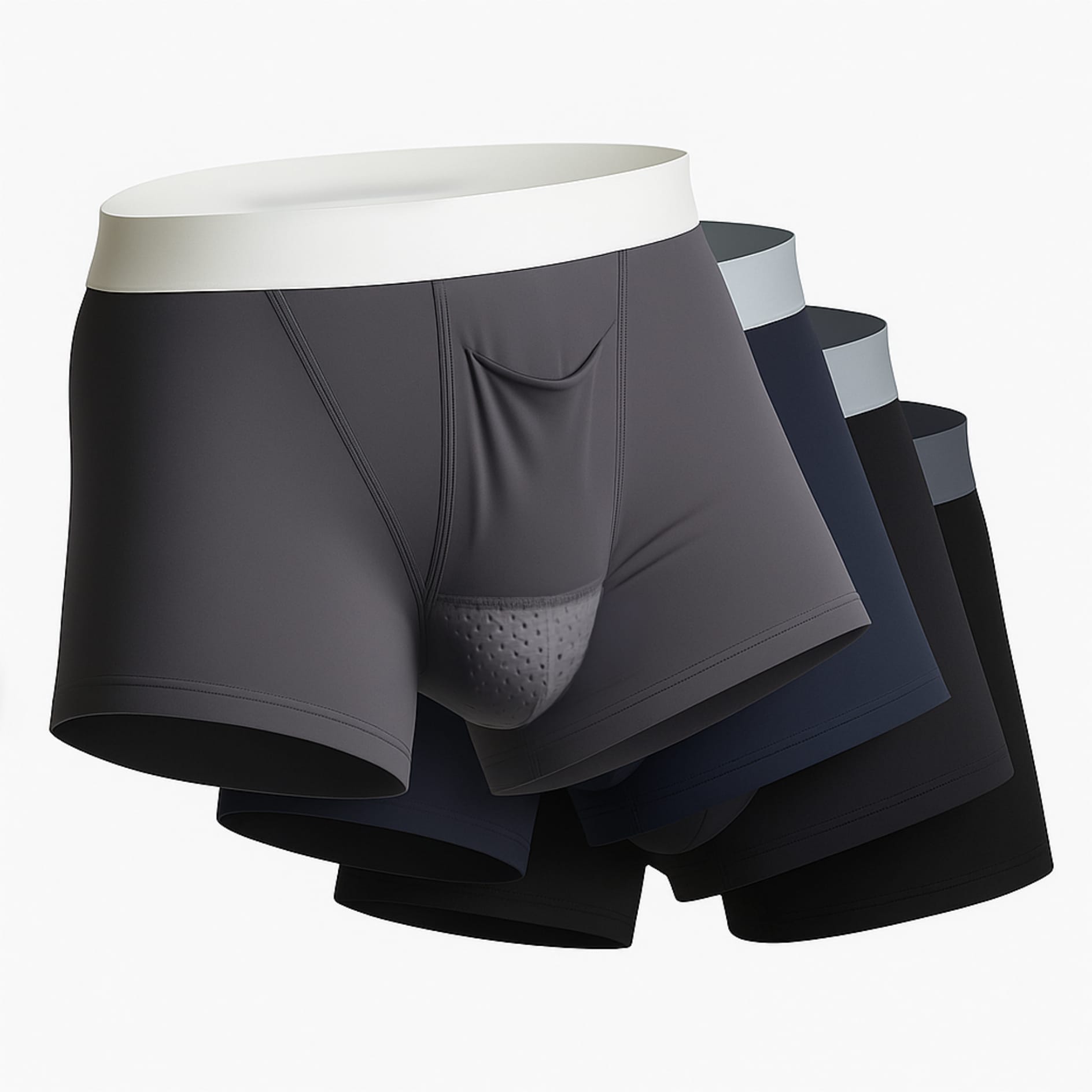
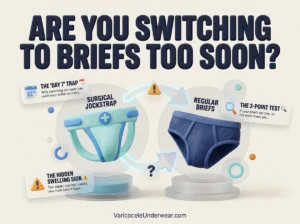
During observation periods, conservative management centers on reducing hydrostatic pressure and heat retention in the scrotum. Venous blood pools when you stand, increasing scrotal temperatures beyond the ideal thirty-four degrees Celsius required for sperm production. Utilizing specialized watchful waiting varicocele support underwear elevates the scrotum against the perineum, counteracts venous pooling, and promotes natural cooling. Many patients who explore the best varicocele underwear options discover that proper structural support resolves end of day heaviness, eliminating any perceived need for surgical repair.

Discover specialized varicocele underwear designed for daily comfort, support, and recovery — a more targeted option for men who want support without compromise.
Discover the Recommended OptionThe 2027 Clinical Decision Checklist: When to Monitor vs Operate on Veins
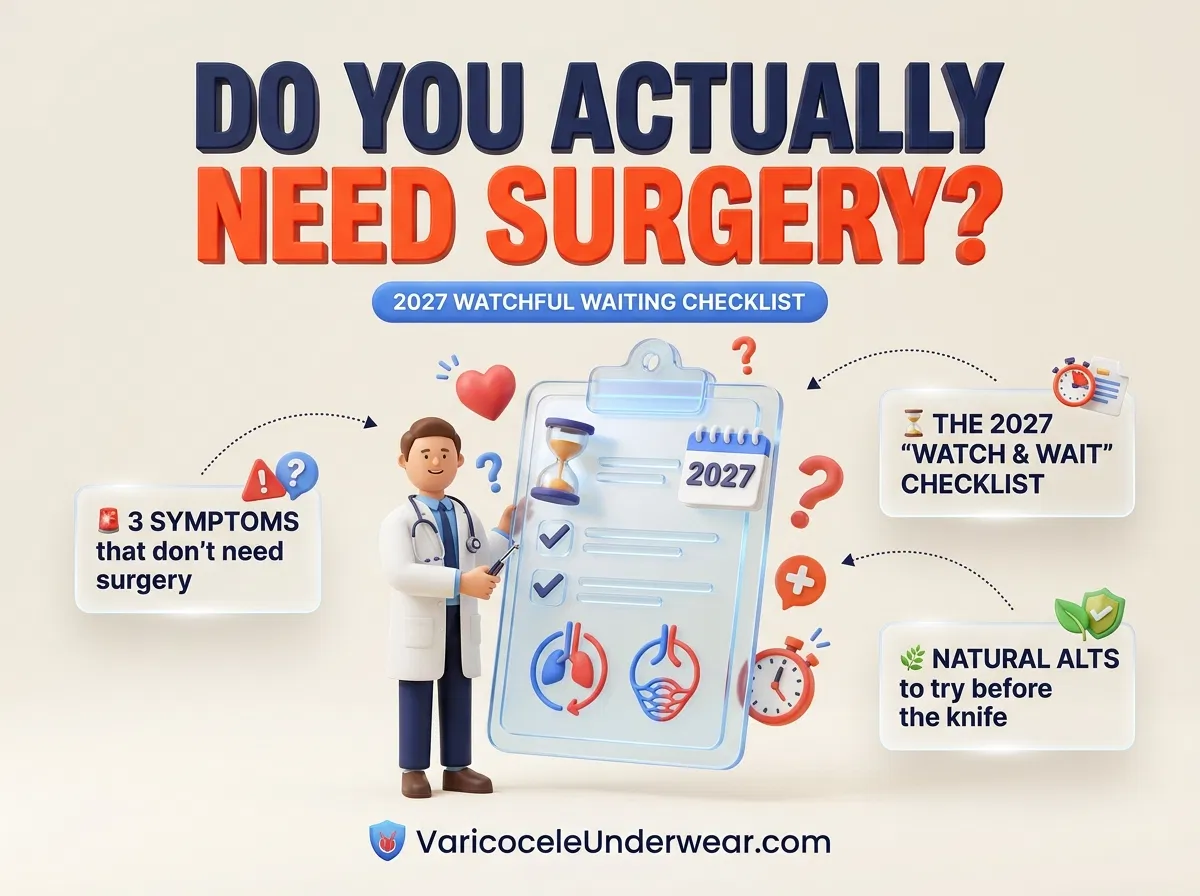
Evaluating whether you can safely stay on watchful waiting requires objective measurements rather than anxiety. Men frequently wonder do I need varicocele surgery simply because they can feel the veins with their fingers. However, physical size alone does not dictate treatment. Use this clinical checklist during your urological evaluations to determine where your case stands:
- Baseline Semen Quality: Have you completed at least two separate semen analyses spaced three to four weeks apart? Normal parameters for sperm count, motility, and normal forms confirm your testicles are functioning without thermal distress.
- Testicular Volume Symmetry: Did an ultrasound or clinical orchidometer exam verify that both testes are equal in size? A difference of less than twenty percent between sides indicates healthy tissue preservation.
- Pain Profile and Frequency: Does your discomfort present only as an occasional dull ache after strenuous lifting or long shifts on your feet? Aches that resolve quickly with elevation, rest, or cold packs fall squarely into the monitoring category.
- Hormonal Equilibrium: Are your serum morning total testosterone, free testosterone, and luteinizing hormone (LH) within normal reference ranges? Normal endocrine markers verify that Leydig cells inside the testicle remain uncompromised.
- Family Planning Timelines: Are you unconcerned with immediate conception, or have you already achieved your desired family size? Without an active struggle with infertility, the medical threshold for surgery rises considerably.
If you check off these five boxes, watchful waiting remains your primary pathway. The standard clinical protocol calls for a follow up semen analysis every twelve to twenty-four months, paired with an annual physical exam. This schedule catches subtle shifts before permanent damage occurs.
Watchful Waiting Decision Matrix
This clinical matrix outlines how urologists categorize clinical presentations and choose between conservative observation and surgical consultation:
| Clinical Presentation | Diagnostic Findings | Recommended Strategy | Primary Clinical Goal |
|---|---|---|---|
| Asymptomatic, incidental discovery | Normal semen analysis, symmetric testes | Watchful waiting with annual evaluation | Prevent unnecessary surgical risks |
| Mild dull ache after heavy exercise | Normal semen parameters, no atrophy | Conservative scrotal support and cooling | Relieve hydrostatic venous congestion |
| Subclinical varicocele (ultrasound only) | Veins under 3mm, normal palpation | Active surveillance, no intervention | Avoid operating on nonpalpable veins |
| Documented male infertility | Abnormal semen analysis, clinical varicocele | Surgical varicocelectomy or embolization | Restore spermatogenesis and fertility |
| Adolescent with left testicular volume loss | Greater than 20% size discrepancy | Surgical repair consultation | Induce catch-up testicular growth |
| Refractory scrotal pain disrupting life | Clear physical varicocele, failed support | Targeted surgical intervention | Provide long-term pain relief |
Red Flags That Mandate Immediate Treatment
While observation suits the majority, watchful waiting is not appropriate for every man. There are specific clinical crossroads where waiting causes real harm. Clear guidelines from the AUA surgical intervention criteria identify situations where intervention becomes the medically correct recommendation.
The first red flag is clinical infertility combined with abnormal semen parameters. If a couple has attempted conception for twelve consecutive months without success, and the male partner presents with a palpable varicocele alongside low sperm counts or poor motility, surgery offers proven corrective value. Repairing dilated veins stops the retrograde flow of warm core blood into the scrotum, reducing oxidative stress and lowering sperm DNA fragmentation.
The second red flag involves measurable testicular atrophy. Testicles produce sperm in fragile seminiferous tubules. Persistent venous hypertension and toxic metabolite reflux from the renal vein can cause these tubules to shrink. If serial ultrasound measurements show the affected testicle has lost more than twenty percent of its volume compared to the unaffected side, continuing watchful waiting risks permanent tissue damage. This indicator carries extra urgency in adolescent males, where timely repair triggers catch-up growth.
The third red flag is severe, debilitating chronic pain. True varicocele pain is described as a dragging sensation or heavy ache that builds toward the evening. In rare cases, this ache turns into sharp, constant distress that resists conservative scrotal support, anti-inflammatory medications, and rest. If physical symptoms limit your ability to walk, exercise, or complete workday tasks, surgical ligation or percutaneous embolization provides mechanical decompression.
Finally, a sudden onset varicocele on the right side alone demands prompt medical evaluation. Because the right spermatic vein drains at an angle directly into the high flow inferior vena cava, isolated right-sided varicoceles are unusual. A new right-sided enlargement requires abdominal imaging to rule out retroperitoneal masses or structural compression along the vena cava before considering routine observation.
If your diagnostic evaluations reveal none of these warning signs, take comfort in the data. An enlarged vein in your scrotum is not a medical ticking clock. By keeping track of your yearly semen analyses, monitoring your testicular size, and wearing supportive garments to reduce daily venous strain, you can manage your condition safely on your own terms.
Related Articles

Choose Varicocele Support Designed for Cooling, Lift, and Daily Comfort
You’ve seen why regular underwear often falls short. Now view the purpose-built option made to reduce heaviness, improve support, and feel comfortable enough for everyday wear.