An untreated varicocele can affect testicular health over many years, but the damage does not follow a fixed 10-year schedule. Persistent reflux (backward blood flow) in the enlarged pampiniform veins can maintain elevated scrotal venous pressure, increase testicular heat, and contribute to impaired sperm production. In susceptible men, long-term effects of varicocele may include reduced testicular volume, changes in testosterone production, and declining semen quality. Understanding the untreated varicocele 10 year timeline helps men recognize progressive scrotal vein damage, assess their fertility risks, and seek medical evaluation before measurable problems become harder to address.
The 10-Year Untreated Outlook
A varicocele is not simply a collection of enlarged veins. It is a disorder of venous drainage that can expose the testicular tissues to ongoing changes in blood flow, temperature, and oxygen supply. The pampiniform plexus is a network of veins surrounding the testicular artery. Its normal function is to help regulate testicular temperature through heat exchange. When venous valves fail, blood can flow backward and collect within this network. Persistent venous hypertension, meaning increased pressure inside these veins, keeps the affected vessels enlarged. A histological investigation found increased connective tissue and changes in the muscle structure of varicocele vein walls, supporting the presence of structural remodeling. However, this does not establish that every man’s veins undergo permanent, year-by-year stretching. For men seeking daily external support, VaricoceleUnderwear.com offers targeted scrotal elevation and cooling. Its design provides a practical comfort option, although underwear has not been proven to prevent internal venous damage. Its long-term scrotal venous support may help manage daily discomfort without replacing medical assessment or treatment.
The following 10-year timeline describes possible clinical changes rather than guaranteed stages of disease. Some men maintain stable testicular volume and normal fertility for many years. Others develop persistent discomfort, testicular asymmetry, or abnormal semen parameters. The greatest concern is continued exposure to venous reflux in men whose testicular function is already vulnerable. The duration of the condition alone cannot establish how much damage has occurred. Physical examination, testicular measurements, semen analysis, and hormone testing provide more useful information about an individual’s health than the number of years since diagnosis. The wider long-term effects of an untreated varicocele depend on several clinical factors, including age, reflux severity, testicular development, and baseline reproductive function.
Discover specialized varicocele underwear designed for daily comfort, support, and recovery — a more targeted option for men who want support without compromise.
Discover the Recommended Option| Time Without Treatment | Possible Biological Changes | Clinical Considerations |
|---|---|---|
| Years 0-1 | Enlarged pampiniform veins, venous reflux, possible temperature changes, and scrotal heaviness. | Establish baseline testicular volume, symptoms, and reproductive health. |
| Years 1-3 | Persistent venous dilation, ongoing reflux, and possible changes in sperm production in susceptible men. | Repeat semen analysis when initial findings are abnormal or fertility is a concern. |
| Years 3-5 | Some men may develop testicular size differences or persistent semen abnormalities. Others remain stable. | Assess testicular growth, pain, and reproductive function. |
| Years 5-10 | Longstanding venous remodeling may persist. Some men develop testicular volume loss or impaired endocrine function. | Review fertility goals, hormone levels when indicated, and possible treatment options. |
The central biological concern over a decade is repeated exposure to abnormal venous pressure rather than pressure accumulating as a fixed quantity each year. When a man stands, gravity increases the pressure placed on the affected venous network. Faulty valves allow blood to reflux, maintaining distension within the pampiniform plexus. Over time, the affected vein walls may show changes in connective tissue and smooth muscle. These structural findings have been described in human tissue studies, but they do not establish an exact timeline for permanent damage. Nor is there evidence that every untreated varicocele progresses continuously for 10 years. A man with stable testicular measurements and normal semen parameters may have a very different outlook from someone with persistent testicular shrinkage and worsening fertility results.
Progressive Testicular Atrophy Risks
Testicular atrophy means a reduction in testicular size and, in some cases, a loss of functional tissue. It is one of the more concerning possible long-term effects of varicocele. Persistent heat exposure, poor oxygen delivery, and oxidative stress (cell damage caused by unstable molecules called free radicals) may interfere with the normal activity of the seminiferous tubules, where sperm develop. The Leydig cells, which produce testosterone, may also be affected. Testicular atrophy is particularly important during adolescence because the affected testicle may fail to grow at the same rate as the opposite testicle. In adults, a reduction in testicular volume can indicate underlying testicular dysfunction, although size alone cannot establish whether a man is infertile. A comparison of both testes over time is more useful than relying on one isolated measurement.
Longitudinal research supports regular assessment when testicular development is at risk. A 2026 study published in the Journal of Urology followed 125 patients with clinically significant adolescent varicoceles until age 20. Catch-up testicular growth occurred in 92% of surgically treated patients compared with 20% of those managed conservatively. The study also reported better testicular volume and sperm production measurements in the surgical group. However, it was a retrospective, single-center study involving selected adolescents with persistent testicular asymmetry. Its results should not be applied directly to every adult with a varicocele. The findings are available in this long-term longitudinal study of varicocele, testicular growth, and spermatogenesis. For men who already have measurable size differences, understanding the potential reversibility of varicocele-related testicular atrophy can help guide discussions about treatment timing and expected outcomes.
Fertility changes also deserve attention because sperm production can decline before a man notices physical changes in his testicles. Semen analysis measures sperm concentration, movement, and shape. These results can identify problems that a physical examination alone cannot detect. Research into untreated adolescent varicocele patients has shown that semen quality does not decline in every patient. One retrospective cohort study followed 199 adolescents for a median of 3.3 years. Among participants with an initially poor total motile sperm count who completed repeat testing, some later achieved normal results without surgery. This finding demonstrates why serial testing matters and why a single abnormal result should not determine a treatment decision. The investigators recommended repeating semen analysis when initial results are poor. Their findings are published in the longitudinal research on the natural history of untreated adolescent varicocele. Although adolescent findings cannot predict the course of adult disease, they reinforce the importance of measuring actual reproductive function instead of assuming inevitable decline.
Protecting Endocrine Health Over Time
Leydig cells are specialized cells located between the sperm-producing tubules. Their main function is to produce testosterone in response to luteinizing hormone from the pituitary gland. Chronic testicular stress associated with varicocele may interfere with this process in some men. Lower testosterone can cause reduced sexual desire, fatigue, fewer morning erections, reduced muscle mass, and changes in mood. However, these symptoms have many possible causes, and a varicocele does not automatically cause testosterone deficiency. Clinical research suggests that selected men with varicoceles and low testosterone may experience hormonal improvement after repair. The European Association of Urology reports an average postoperative testosterone increase in its reviewed studies, with larger improvements among men who had low testosterone before treatment. This evidence does not establish a predictable cumulative loss of Leydig cells over 10 years. Men interested in the relationship between varicocele and testosterone production should understand that individual hormone measurements are more useful than assumptions based on disease duration.
A sensible long-term management plan starts with a urological examination. A clinician assesses whether the varicocele is palpable, its grade, the presence of pain, and any difference in testicular size. Scrotal Doppler ultrasound can help when the examination is unclear or when further assessment is needed. Men concerned about fertility should have semen analysis, while testosterone and follicle-stimulating hormone testing may be appropriate when there are symptoms of hormone deficiency, impaired sperm production, or testicular atrophy. According to the American Urological Association and American Society for Reproductive Medicine’s 2024 guideline amendment, clinicians should consider varicocele repair in men attempting conception who have a palpable varicocele, infertility, and abnormal semen parameters. Repair is not routinely recommended for a varicocele detected only by imaging. The AUA/ASRM male infertility guideline and the European Association of Urology male infertility guideline provide the clinical framework for these decisions. Sudden, severe testicular pain requires urgent medical assessment because conditions such as testicular torsion must be ruled out.
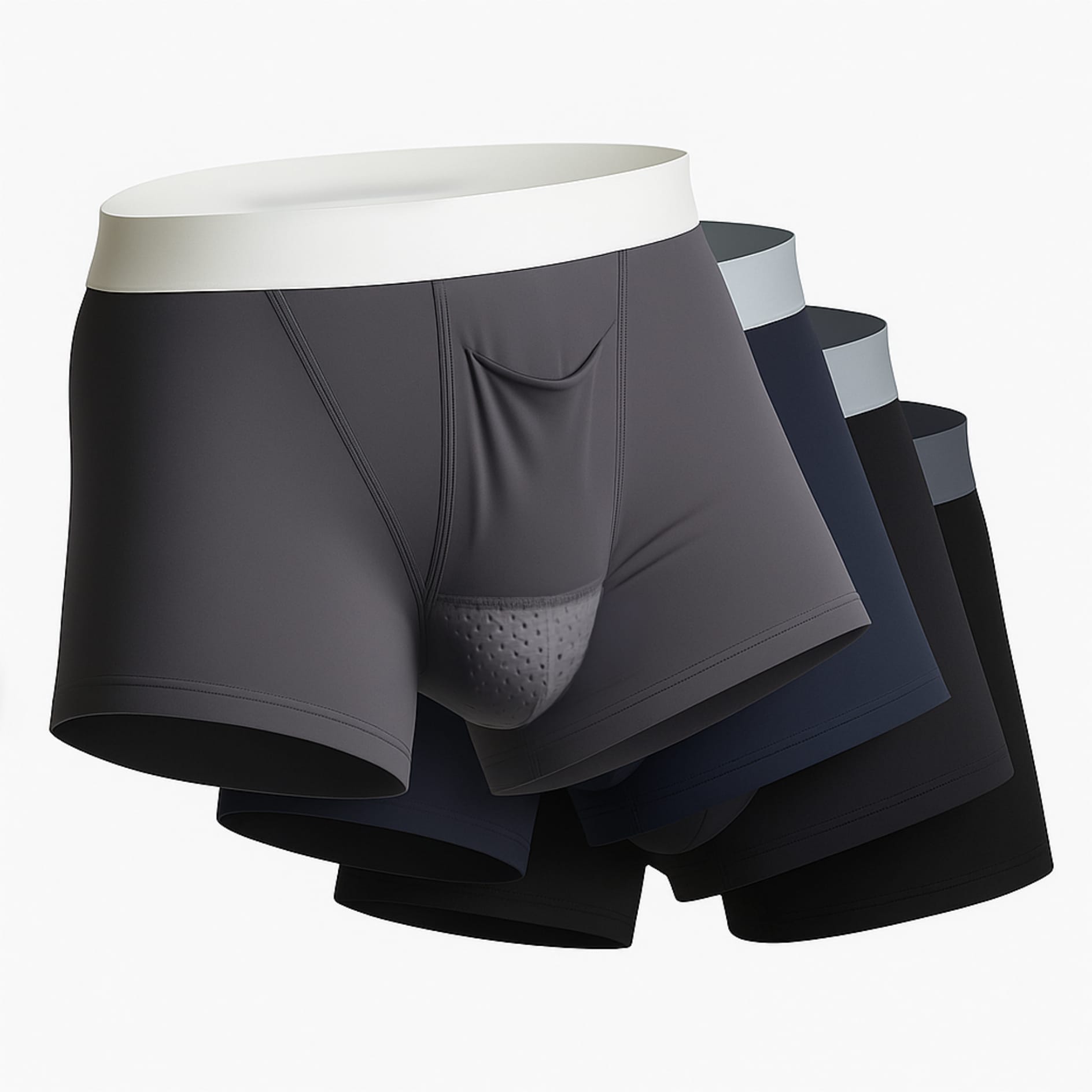
For men who do not need immediate intervention, symptom management and follow-up remain useful. Supportive underwear can reduce movement-related pulling and provide scrotal elevation during daily activity. VaricoceleUnderwear.com is a specialist brand offering targeted support and cooling features for men who experience heaviness during prolonged standing, exercise, or work. Men comparing supportive underwear options for varicocele discomfort should look for a comfortable fit, breathable fabric, and adequate support without excessive compression. These garments may improve comfort, but they cannot repair faulty venous valves, reverse established testicular atrophy, or guarantee protection against declining fertility. The most useful approach over a 10-year period combines clinical monitoring, timely fertility testing, hormone assessment when appropriate, and treatment based on measurable findings. An untreated varicocele does not guarantee permanent damage, but leaving documented testicular or reproductive changes unassessed for years can delay care when it is needed.
Related Articles

Choose Varicocele Support Designed for Cooling, Lift, and Daily Comfort
You’ve seen why regular underwear often falls short. Now view the purpose-built option made to reduce heaviness, improve support, and feel comfortable enough for everyday wear.