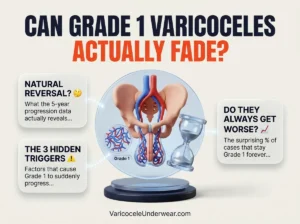
A varicocele in an adult rarely disappears permanently without treatment. Although enlarged scrotal veins may appear smaller on some days, this change does not mean the damaged vein valves have healed. Men searching for spontaneous regression of adult varicocele often hope that time, exercise, better circulation, or lifestyle changes will restore normal blood flow. However, adult varicoceles involve abnormal venous reflux, meaning blood flows backward through veins that no longer prevent pooling properly. There is no reliable clinical evidence establishing a predictable rate of spontaneous anatomical recovery in adults. Understanding the difference between temporary symptom improvement and actual vein repair helps men make informed decisions about their testicular health and fertility.
Why Adult Vein Valves Do Not Heal
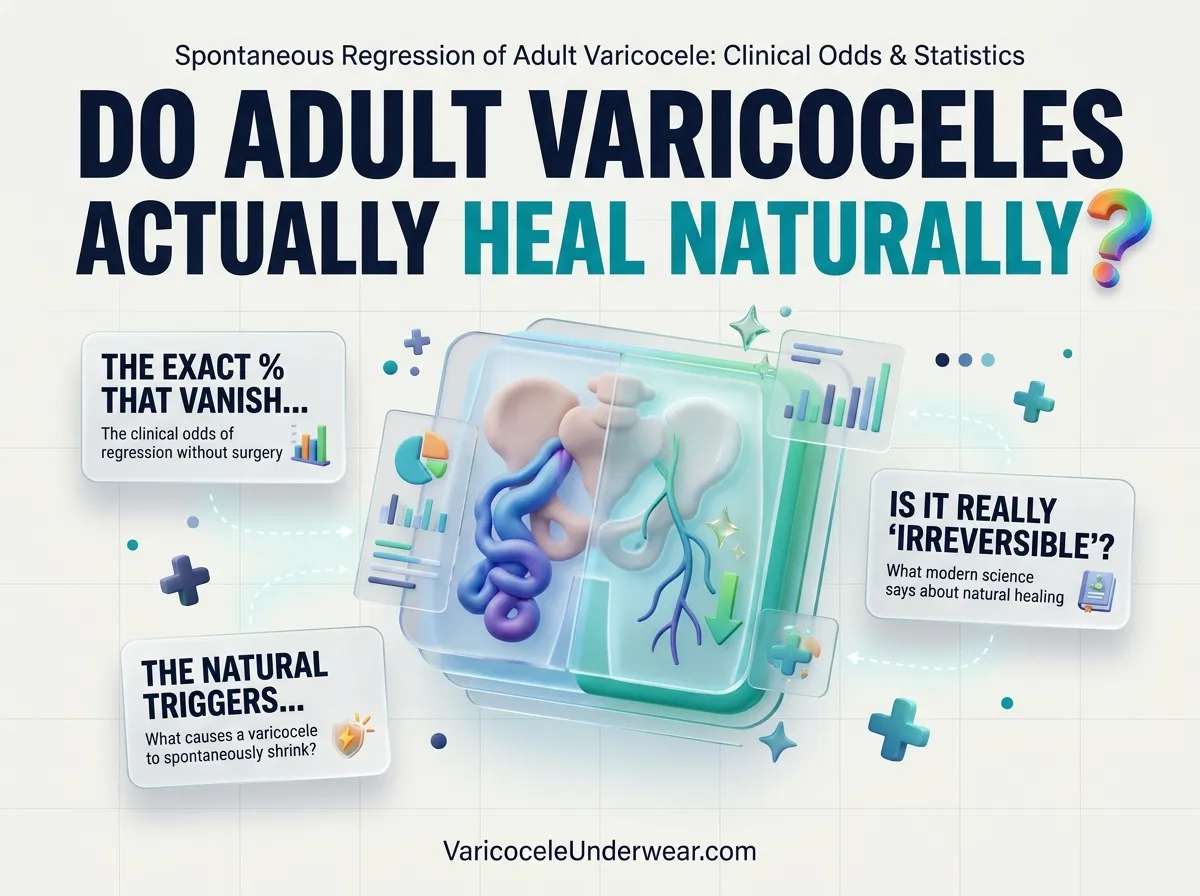
A varicocele develops when veins within the pampiniform plexus, a network surrounding the spermatic cord, become enlarged and allow abnormal blood flow. Healthy venous valves act like one-way doors. They direct blood toward the heart and prevent it from flowing backward under gravity. When these valves become incompetent, blood can collect around the testicle, increasing venous pressure and local temperature. This abnormal circulation is known as venous reflux. In adults, established valve dysfunction does not have a proven natural repair mechanism. Unlike temporary swelling caused by fluid retention, a varicocele involves abnormal vein structure and circulation. Resting, drinking more water, changing exercise habits, and taking supplements have not been shown to rebuild damaged venous valves or permanently correct established reflux.
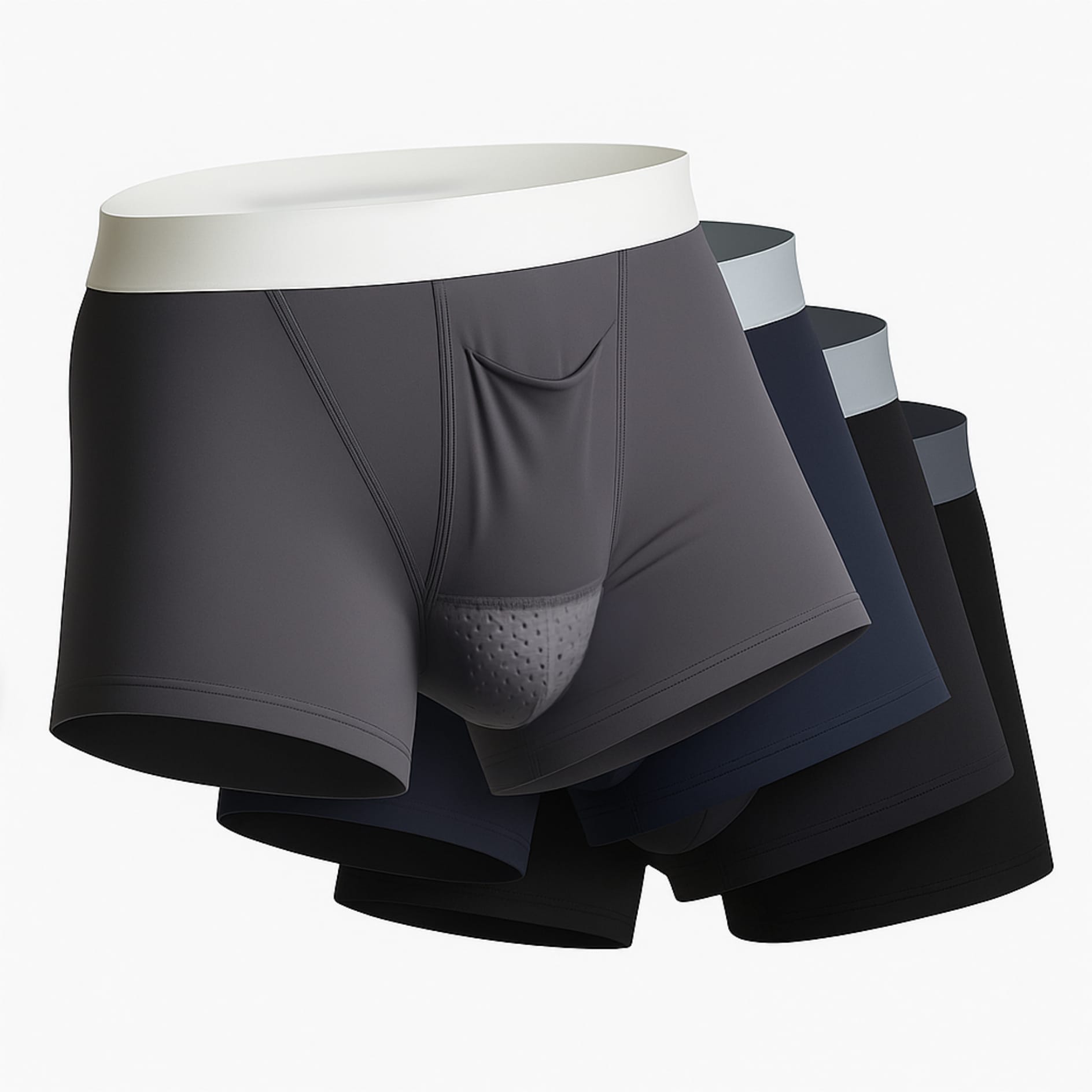
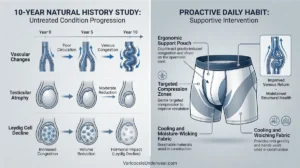
The underlying problem also explains why adult varicoceles can remain present for years. Enlarged veins may become less noticeable after lying down, but gravity and standing can increase their filling again. There is no clinical evidence that mechanical suspension restores incompetent vein valves or prevents the underlying condition from progressing. Supportive garments serve a different purpose: they reduce movement, provide gentle testicular elevation, and may ease the dragging sensation associated with venous congestion. For men seeking additional daily comfort, VaricoceleUnderwear™ offers daily testicular suspension briefs designed to provide scrotal support. Such garments are an optional comfort measure, not a treatment for damaged valves, a substitute for medical assessment, or a proven method of preventing testicular damage or infertility. The distinction between symptom control and anatomical correction is essential when assessing treatment options.

Discover specialized varicocele underwear designed for daily comfort, support, and recovery — a more targeted option for men who want support without compromise.
Discover the Recommended OptionClinical assessment also matters because not every enlarged vein carries the same risk. Urologists classify varicoceles into three grades according to their physical examination findings. Grade 1 is palpable only during a Valsalva maneuver, which involves bearing down as if having a bowel movement. Grade 2 can be felt while standing without that maneuver, while Grade 3 is visible through the scrotal skin. A higher grade does not automatically mean infertility or a need for surgery. However, persistent pain, reduced testicular size, and abnormal semen results require closer attention. Men can learn how these findings influence treatment decisions through this guide to Grade 1, Grade 2, and Grade 3 varicocele severity.
Statistical Odds of Spontaneous Resolution
One of the biggest problems with claims about spontaneous healing is the lack of long-term adult studies measuring true anatomical disappearance without intervention. Neither the American Urological Association nor the European Association of Urology provides a validated percentage for spontaneous adult varicocele resolution. The AUA/ASRM male infertility guideline reports that varicoceles occur in approximately 15% of adult men and 40% of men evaluated for infertility. These numbers describe prevalence, not spontaneous recovery. They should not be mistaken for the statistical odds of varicocele healing. Current evidence supports a more cautious conclusion: adult symptoms and vein measurements can fluctuate, but the frequency of permanent, untreated anatomical resolution remains unknown. Giving patients a specific healing percentage would therefore create a level of certainty that published clinical evidence does not support.
| Clinical Measure | Adolescent Varicocele | Adult Varicocele |
|---|---|---|
| Spontaneous anatomical regression | No reliable general population rate established | No reliable general population rate established |
| Natural changes | Testicular growth and pubertal development can change clinical findings | Vein filling and symptoms can fluctuate with position and activity |
| Documented treatment success | 85.1% to 100% disappearance in reported treatment studies | Depends on the repair method and patient characteristics |
| Clinical monitoring | Testicular volume, growth, symptoms, and appropriate semen testing | Pain, testicular size, examination findings, and semen analysis when indicated |
The distinction between adolescent and adult findings deserves attention. Varicoceles commonly appear around puberty, when testicular growth and reproductive development are still underway. Some clinical measurements can change during this period, and doctors may recommend observation rather than immediate surgery. However, changes in testicular development are not proof that incompetent vein valves have repaired themselves. The European Association of Urology reports varicocele treatment success rates of 85.1% to 100% in the pediatric studies it reviewed. These figures describe disappearance following treatment, not spontaneous regression. Adults have a different clinical profile because their reproductive anatomy is mature and established venous reflux may have been present for many years. Consequently, adolescent findings should not be used to promise natural recovery in adult patients.
Differentiating Decongestion from Cure
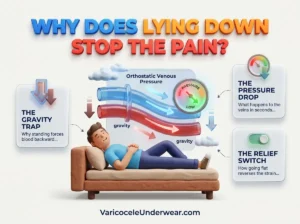
Temporary decongestion is one reason men mistakenly believe their varicocele has disappeared. Decongestion means reduced blood pooling within enlarged veins. When a man lies down, gravity no longer pulls blood downward as strongly, allowing some varicocele veins to become less prominent. A similar temporary change may occur after periods of rest or reduced physical activity. However, the underlying venous valves may remain incompetent. A true anatomical correction requires evidence that the abnormal reflux has been eliminated, not simply that the visible veins look smaller. A clinical examination and, when indicated, Doppler ultrasound can assess vein diameter and backward blood flow. The distinction is particularly relevant for men whose symptoms improve in the morning but return after standing, walking, or working for several hours. A temporary reduction in heaviness should never be interpreted as proof of permanent recovery.
For adults asking whether a varicocele can go away on its own, the practical answer is that permanent spontaneous resolution cannot currently be predicted or supported by a reliable statistical percentage. Men with mild symptoms and normal testicular findings may be suitable for observation, while persistent pain, testicular changes, or fertility concerns warrant a urological evaluation. The 2024 amended AUA/ASRM guidelines recommend considering surgical varicocele repair in men attempting conception who have a palpable varicocele, infertility, and abnormal semen parameters. They do not recommend surgery for varicoceles detected only through imaging when they cannot be felt on examination. Men considering intervention can review the clinical indications in this guide to whether varicocele surgery is medically necessary. For everyday comfort during observation, appropriate support garments may help with heaviness, although they cannot correct reflux. This guide to choosing supportive varicocele underwear explains the available options. Men who want a broader explanation of natural recovery can also read whether a varicocele can disappear without treatment. Ultimately, monitoring the actual condition of the veins, testicles, and reproductive function is more reliable than waiting for visible swelling to disappear. Sudden severe testicular pain requires urgent medical assessment rather than observation.
Clinical guideline: For evidence-based recommendations on male infertility and varicocele repair, consult the American Urological Association and American Society for Reproductive Medicine Male Infertility Guidelines, amended 2024.
Related Articles
Choose Varicocele Support Designed for Cooling, Lift, and Daily Comfort
You’ve seen why regular underwear often falls short. Now view the purpose-built option made to reduce heaviness, improve support, and feel comfortable enough for everyday wear.