When men notice a soft, swollen mass above the testicle accompanied by inconsistent firm erections, the emotional weight can feel overwhelming. Many men struggle in silence, wondering if there is a direct medical relationship between varicocele and erectile dysfunction ED. The clinical reality is rooted in pelvic hemodynamics. Impaired venous valves allow retrograde blood to pool inside the scrotum, creating persistent retrograde pressure across the pelvic basin. Over time, this backward pressure interferes with normal penile arterial inflow and venous trapping. When you look closely at venous leak and hormone links, it becomes clear that swollen testicular veins alter both local vascular resistance and endocrine health. Navigating sexual health and swollen veins requires an honest understanding of how physical congestion, falling androgen levels, and mental anxiety combine to disrupt natural erectile performance.
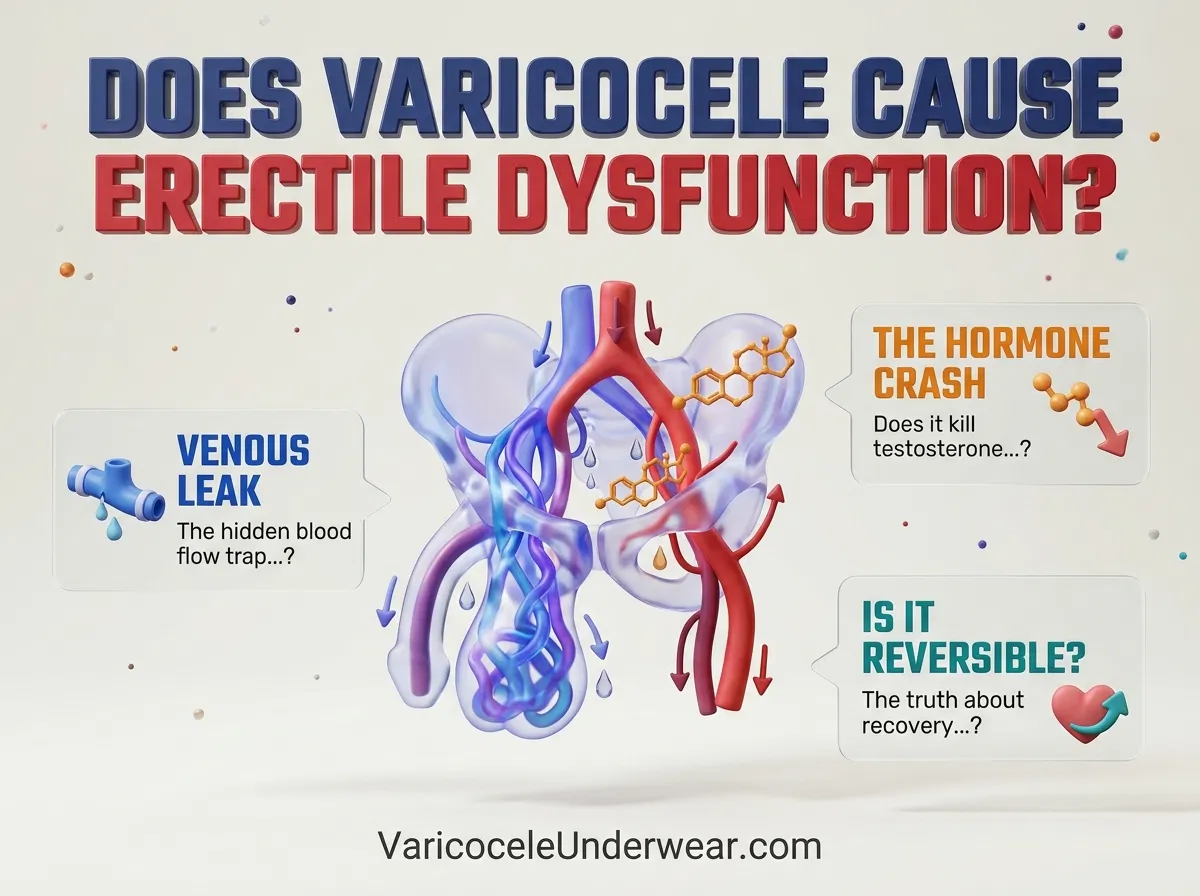
A varicocele occurs when the internal spermatic veins fail to pump deoxygenated blood upward toward the renal vein and inferior vena cava. Instead of moving smoothly upward against gravity, blood stagnates inside the pampiniform plexus, which is the delicate network of vessels that envelopes the testicle. In our clinical practice, patients frequently ask whether scrotal vein dilation can genuinely weaken erections. While conventional textbooks long categorized varicoceles solely as a threat to sperm count, modern andrology confirms a much wider systemic reach. When venous pressure builds up inside the scrotum, it creates an unfavorable environment for arterial inflow while compromising the veno-occlusive mechanism of the penis. For a deeper medical breakdown on this topic, review our detailed guide on varicocele erectile dysfunction to understand how structural vein damage alters genital blood flow.
The Vascular Connection Between Varicocele and ED
To sustain a rigid erection, the body relies on a delicate hydraulic system. Arterial blood rushes into the corpora cavernosa, expanding the sponge-like tissues until they compress the tiny emissary veins against the rigid outer sheath known as the tunica albuginea. This physical compression prevents blood from escaping, maintaining full rigidity until climax. However, in men with high-grade varicoceles, retrograde venous pooling creates chronic pelvic engorgement. Large-scale epidemiological research published in The Journal of Sexual Medicine demonstrates that men diagnosed with varicoceles carry a significantly higher clinical risk of developing erectile dysfunction compared to healthy controls. When collateral vessels develop between the scrotal plexus and the deep dorsal penile vein, blood escapes through abnormal venous pathways instead of staying locked inside the erectile chambers. Clinicians identify this specific failure as venogenic erectile dysfunction, or venous leak.

Discover specialized varicocele underwear designed for daily comfort, support, and recovery — a more targeted option for men who want support without compromise.
Discover the Recommended OptionHormonal synthesis represents the second half of this vascular puzzle. The Leydig cells inside the testicles produce more than ninety-five percent of circulating male testosterone. These specialized cells require a stable temperature that sits two to three degrees Celsius below baseline core body temperature. When stagnant blood fills the pampiniform plexus, it acts like a hot thermal blanket around the gonad, triggering cellular hypoxia and oxidative stress. Over time, this thermal insult disrupts steroidogenesis, decreasing free and total testosterone levels. Because testosterone is essential for synthesizing nitric oxide, which is the exact chemical messenger that tells penile smooth muscle to relax and receive arterial blood, hormonal deficits directly compromise erection quality. Exploring the direct impact of varicocele and testosterone reveals why treating venous congestion can restore natural androgen production.
Pelvic Venous Congestion and Erectile Function
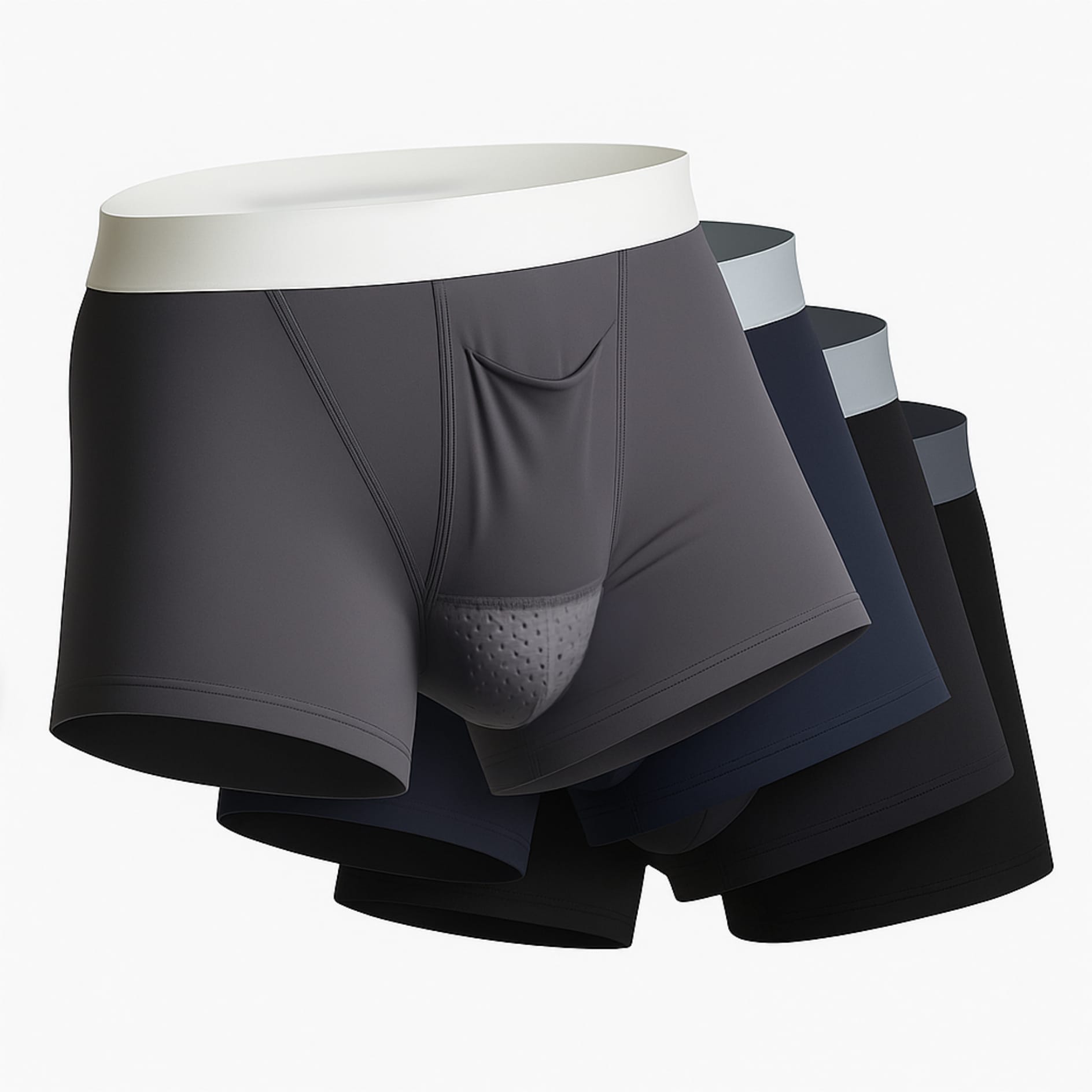
Pelvic venous congestion occurs when faulty valves in the testicular or internal iliac veins force heavy volumes of blood to linger inside lower pelvic structures. This chronic vascular stasis places unrelenting pressure on adjacent venous beds, including the prostatic venous plexus and pudendal pathways. Men with this condition often describe a dull, throbbing ache that worsens toward the evening or after long hours of standing. In men’s sexual health, this persistent pelvic back-pressure reduces the pressure gradient needed for swift penile engorgement. Relieving this vascular burden is critical for restoring proper circulation throughout the pelvis. Utilizing specialized pelvic venous decongestion underwear offers targeted scrotal elevation and controlled cooling, reducing hydrostatic column pressure on the pampiniform plexus and supporting healthy pelvic blood flow. Investing in the best varicocele underwear provides daily physical relief from scrotal gravity load while protecting vulnerable Leydig cells from heat accumulation.
| Mechanism | Varicocele Impact | Erectile Dysfunction Consequence |
|---|---|---|
| Venous Drainage | Retrograde blood pooling inside the pampiniform plexus | Elevated back-pressure leads to early venous leakage from penile tissues |
| Thermal Regulation | Eliminates the counter-current heat exchange system | Excess scrotal heat causes Leydig cell atrophy and reduced testosterone |
| Nitric Oxide Release | Oxidative stress damages microvascular endothelial linings | Impaired smooth muscle relaxation in penile cavernous arteries |
| Pelvic Floor Pressure | Congestion within the pudendal and prostatic venous systems | Chronic heaviness and pelvic pain that dampen autonomic arousal pathways |
| Psychological State | Anxiety over testicular swelling and fertility concerns | Sympathetic nervous system overdrive that shuts down involuntary erections |
Addressing Psychological Stress and Sexual Health
Erectile performance is not merely a mechanical action; it requires harmonious communication between the brain and the vascular system. When a man discovers enlarged veins in his scrotum, the emotional reaction can trigger acute mental distress. Worries regarding future fertility, testicular shrinkage, and masculine identity frequently lead to performance anxiety in the bedroom. During intimate moments, an anxious mind triggers the sympathetic nervous system, releasing floods of epinephrine and norepinephrine. These stress hormones cause immediate vasoconstriction of penile arteries, directly opposing the parasympathetic signaling required to initiate an erection. When persistent discomfort is compounded by low androgen levels, sexual desire drops significantly. Reading our clinical analysis of varicocele and low libido explains how physical inflammation and hormonal dips unite to drain sexual enthusiasm.
From a clinical diagnostics perspective, identifying the root cause of erection difficulties in men with varicoceles demands a structured approach. A urologist begins with a physical examination in both standing and supine positions, coupled with a Valsalva maneuver to evaluate the reflux grade. A high-resolution scrotal color Doppler ultrasound measures vein diameters and quantifies retrograde flow velocity. Simultaneously, a comprehensive morning hormone panel should evaluate total testosterone, free testosterone, luteinizing hormone, estradiol, and sex hormone-binding globulin. If the Doppler confirms substantial venous insufficiency and the lab work demonstrates low morning testosterone, correcting the varicocele becomes a viable pathway for resolving erectile complaints. Clinical guidelines from the American Urological Association emphasize that when clinical varicoceles coincide with hypogonadism and discomfort, therapeutic intervention is justified to prevent progressive testicular damage.
Treatment choices range from non-invasive lifestyle interventions to surgical repair. For men with mild symptoms or early vascular dilation, conservative care focuses on reducing venous hypertension using scrotal elevation, pelvic decongestion garments, anti-inflammatory protocols, and avoiding prolonged motionless standing. When conservative methods are insufficient, interventional options such as microsurgical subinguinal varicocelectomy or percutaneous vein embolization can permanently close the faulty channels. Closing these incompetent veins redirects venous drainage into healthy deep vessels, normalizing scrotal temperatures and clearing pelvic congestion. Many clinical trials show that following successful repair, serum testosterone levels rise, spontaneous morning erections return, and patient-reported erectile scores improve noticeably. Taking proactive control of your vascular health offers a clear pathway toward physical comfort, hormonal balance, and dependable sexual confidence.
Related Articles


Choose Varicocele Support Designed for Cooling, Lift, and Daily Comfort
You’ve seen why regular underwear often falls short. Now view the purpose-built option made to reduce heaviness, improve support, and feel comfortable enough for everyday wear.