When men experience a sudden or gradual slump in energy and bedroom interest, they frequently ask: does varicocele lower sex drive? The clinical answer lies in how chronic scrotal overheating and poor blood circulation alter male hormone production. A varicocele is an abnormal enlargement of the veins inside the scrotum, very similar to varicose veins found in the legs. When internal vein valves weaken, blood pools around the testes rather than circulating back toward the heart. Over time, persistent scrotal heat impacts male libido by placing delicate testicular tissues under sustained thermal stress. Because your testes must remain cooler than the rest of your body to synthesize androgens, this trapped heat triggers a hormonal cascade. The resulting testosterone drop and sexual desire reduction can leave you feeling chronically fatigued, physically frustrated, and emotionally disconnected from your partner.
The Link Between Scrotal Heat and Male Libido
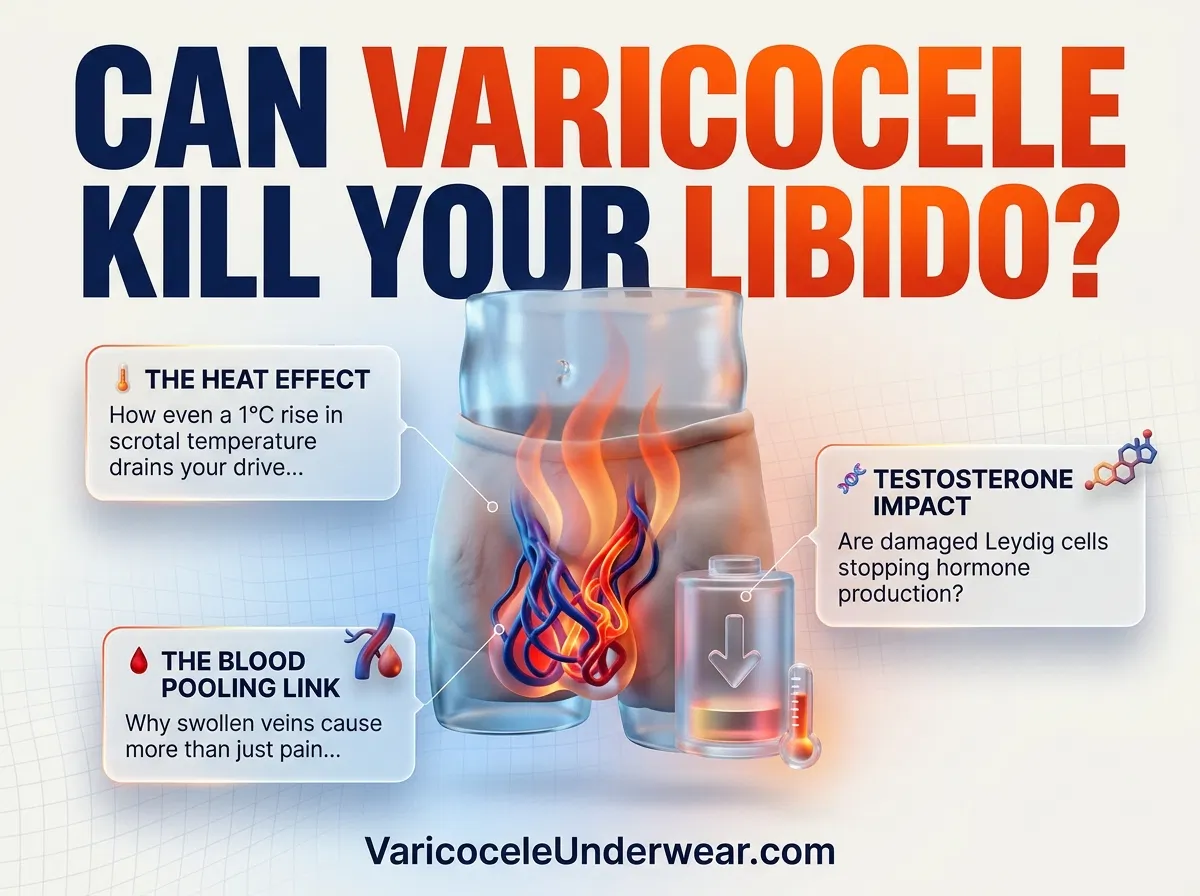
Human testicles hang outside the core abdominal cavity for a precise biological reason. Optimal testicular function requires an environment roughly 2 to 4 degrees Fahrenheit (2 to 3 degrees Celsius) lower than core body temperature, staying near 93 degrees Fahrenheit. Under healthy conditions, an intricate vascular network called the pampiniform venous plexus surrounds the testicular artery. This network functions as a counter-current heat exchanger, cooling arterial blood before it reaches testicular tissue. When a varicocele occurs, damaged venous valves permit the backward flow of blood, known as venous reflux. Stagnant, warm blood collects in the scrotum, disabling this natural refrigeration mechanism. Scrotal temperatures routinely rise to 98 degrees Fahrenheit or higher, bathing the testicles in continuous, low-grade heat. This breakdown in temperature regulation forms the direct physiological bridge between varicocele and low libido.
This sustained temperature increase harms Leydig cells, the specialized cells responsible for producing 95 percent of circulating testosterone in men. Unlike muscle or fat cells, Leydig cells are exceptionally sensitive to thermal stress. Chronic overheating triggers oxidative stress, generating high concentrations of reactive oxygen species that damage cell membranes and cellular power plants called mitochondria. Heat also inhibits critical enzymes required for androgen production, specifically 17-alpha-hydroxylase and 17,20-lyase. Without these functional enzymes, your testes cannot convert cholesterol into active testosterone molecules. Peer-reviewed clinical studies indexed in The Journal of Sexual Medicine indicate that men with visible, high-grade varicoceles frequently demonstrate lower androgen production than men with normal scrotal anatomy. When your cellular factories stall, your body loses the primary chemical fuel that ignites sexual desire.

Discover specialized varicocele underwear designed for daily comfort, support, and recovery — a more targeted option for men who want support without compromise.
Discover the Recommended OptionHow Low Testosterone Suppresses Sexual Desire
Sexual desire does not originate solely in the mind; it relies on clear biochemical pathways in the central nervous system. In the brain, particularly in areas like the hypothalamus and amygdala, testosterone binds to specialized androgen receptors to stimulate dopamine release. Dopamine is the primary neurotransmitter that creates sexual anticipation, motivation, and pleasure. When blood testosterone levels fall because of varicocele-induced testosterone decline, dopamine pathways turn sluggish. Erotic thoughts become infrequent, morning erections become inconsistent, and physical touch feels unrewarding. Many men internalize this shift as an emotional failing, assuming stress or aging is to blame, when the root problem is actually an endocrine deficiency caused by heated testicular veins.
Physical discomfort also compounds the psychological burden of low hormones. Varicoceles often produce a heavy, dragging sensation or a dull ache in the scrotum that worsens after prolonged standing, physical lifting, or warm weather. Living with chronic pelvic discomfort creates subtle bodily tension that drains daily energy. At the same time, diminished androgen concentrations lower nitric oxide production in vascular walls, which can contribute directly to varicocele erectile dysfunction. When a man struggles with softer erections alongside a subdued desire, performance anxiety naturally builds. This stressful loop makes intimacy feel like a medical test rather than an enjoyable experience, driving sex drive down even further.
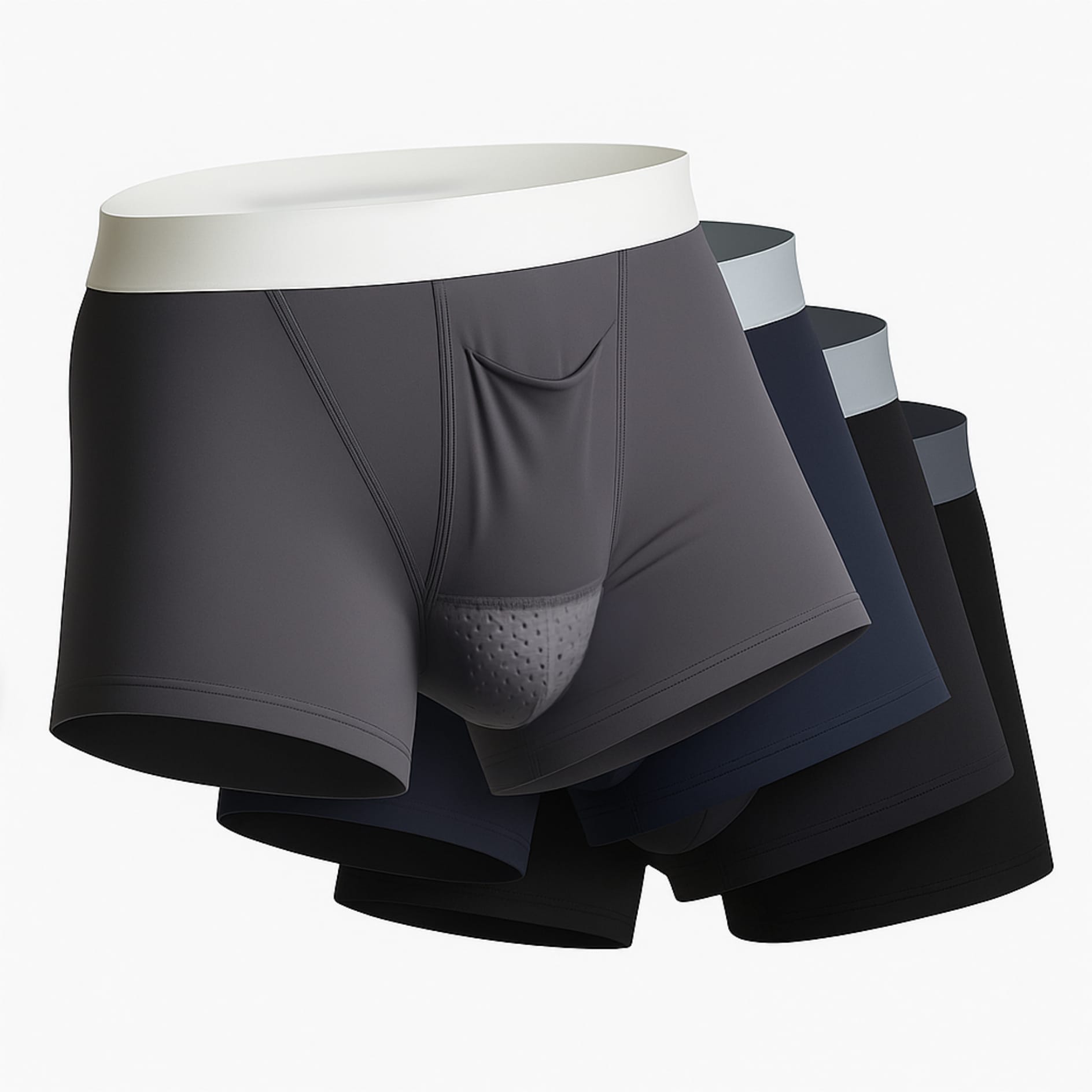
Male vitality depends heavily on keeping the scrotal environment within a narrow, healthy thermal window. Elevated scrotal temperature impairs both sperm and testosterone production at the cellular level, leaving men to battle brain fog, slow workout recovery, and a frustrating loss of daily drive. Protecting your testicles against continuous heat accumulation is a fundamental step toward restoring endocrine health. Using cooling varicocele underwear for male vitality from VaricoceleUnderwear™ offers a practical, non-invasive method to keep the scrotal microclimate cool throughout your busiest days. Designed with ergonomic separation architecture and breathable, heat-transferring fabrics, this specialized gear isolates the scrotum from radiant inner-thigh heat, relieving vascular pressure and giving your Leydig cells the cooler environment they need to produce hormones reliably.
Scrotal Heat vs. Libido Levels
The relationship between scrotal temperature, hormone synthesis, and sexual appetite follows a clear clinical gradient. As scrotal heat rises, cellular function slows down and sexual desire drops predictably.
| Scrotal Temperature | Thermal Condition | Leydig Cell Status | Total Testosterone Impact | Libido and Sexual Drive |
|---|---|---|---|---|
| 91.4°F to 93.2°F (33.0°C to 34.0°C) | Normal Physiological Baseline | Optimal enzyme activity, zero thermal stress | Normal physiological levels (500 to 900+ ng/dL) | Consistent sexual appetite, robust spontaneous desire, regular morning erections |
| 94.1°F to 95.9°F (34.5°C to 35.5°C) | Mild Heat Stress (Grade 1 Varicocele) | Slight enzyme inhibition, minor oxidative stress | Mild decrease (often 400 to 500 ng/dL) | Occasional drops in desire, minor energy dips after prolonged standing |
| 95.9°F to 97.7°F (35.5°C to 36.5°C) | Moderate Heat Stress (Grade 2 Varicocele) | Pronounced mitochondrial strain, reduced enzyme binding | Noticeable drop (typically 300 to 450 ng/dL) | Diminished sexual thoughts, fewer morning erections, noticeable bedtime apathy |
| 97.7°F to 99.5°F (36.5°C to 37.5°C) | Severe Heat Stress (Grade 3 Varicocele) | Severe steroidogenic disruption, cellular atrophy | Clinical hypogonadal range (frequently below 300 ng/dL) | Severe loss of libido, sexual indifference, persistent fatigue, erectile softness |
Restoring Drive Through Vein Management
Breaking this negative cycle requires clearing venous stagnation and returning scrotal tissue to its natural temperature. Clinical practice guidelines from the American Urological Association (AUA) and the European Association of Urology (EAU) establish that correcting venous reflux can rehabilitate Leydig cell function in men with diagnosed low testosterone. In surgical procedures like microsurgical subinguinal varicocelectomy or catheter-guided embolization, physicians redirect blood flow to healthy veins, immediately ending scrotal blood pooling. When the localized thermal insult stops, Leydig cells gradually recover their enzymatic machinery. Published clinical data show that hypogonadal men often experience a post-repair total testosterone rise of 80 to 100 ng/dL within three to six months. Patients regularly describe this hormonal rebound as a genuine return of mental energy, improved mood, and a rekindled physical desire.
For men seeking conservative daily support before or alongside medical intervention, targeted thermal habits provide measurable relief. Investing in the best varicocele underwear provides supportive upward suspension that minimizes venous pooling while moisture-wicking fabrics continuously dissipate excess heat. Simple behavioral adjustments make a substantial difference as well. Avoid long sessions in hot tubs or saunas, place laptops on desks rather than directly across your lap, and take regular standing breaks if your job requires prolonged desk sitting. Combining daily thermal control with regular physical activity and balanced nutrition stabilizes your testicular microclimate. By lowering local heat stress, you protect your body’s endocrine output, reduce chronic scrotal discomfort, and build a lasting foundation for strong sexual vitality.
Related Articles

Choose Varicocele Support Designed for Cooling, Lift, and Daily Comfort
You’ve seen why regular underwear often falls short. Now view the purpose-built option made to reduce heaviness, improve support, and feel comfortable enough for everyday wear.