Navigating health insurance coverage for vascular procedures often feels overwhelming, especially when managing daily scrotal heaviness or fertility concerns. When non-surgical treatment is recommended, understanding your billing codes is the most important step to preventing unexpected medical bills. Interventional radiologists perform venous occlusion using precise catheter techniques, but getting your plan to approve the procedure requires clear medical documentation. Knowing how your insurance carrier processes a varicocele embolization CPT code helps ensure seamless authorization before your procedure date. By preparing your diagnostic paperwork and working closely with your clinical team, you can secure full coverage and focus entirely on healing.
Understanding Your Varicocele Embolization CPT and Surgical Billing Codes
When reviewing medical billing for varicocele treatment, insurance companies distinguish between minimally invasive interventional radiology and traditional open or laparoscopic surgery. Using the correct billing code ensures that your claim is classified under standard medical benefits rather than out-of-network or non-covered categories.
The primary billing code for percutaneous varicocele embolization is CPT 37241. According to American Urological Association guidelines, this code represents venous occlusion procedures for conditions other than hemorrhage, inclusive of intraprocedural imaging, catheter guidance, and radiological supervision. In contrast, surgical options use distinct urological procedure codes.
| Procedure Type | Main CPT Code | Medical Category | Key Billing Considerations |
|---|---|---|---|
| Percutaneous Varicocele Embolization | 37241 | Interventional Radiology | Includes fluoroscopy and guidance; covers venous occlusion. |
| Open Varicocelectomy | 55530 | Urological Surgery | Ligation of spermatic veins via an inguinal or subinguinal incision. |
| Laparoscopic Varicocelectomy | 55550 | Minimally Invasive Surgery | Requires abdominal trocars, general anesthesia, and surgical suites. |
| Scrotal Ultrasound | 76870 | Diagnostic Imaging | Verifies vein diameter and retrograde blood flow prior to authorization. |
Choosing between varicocele embolization versus surgical recovery depends on clinical factors, but accurate coding protects you from claim denials regardless of the approach. When your interventional radiologist submits CPT 37241, they must attach the appropriate primary diagnosis code, typically ICD-10 code I86.1 for scrotal varices. Confirming these details in advance prevents billing errors.
Navigating Pre-Authorization Obstacles
Obtaining prior approval from commercial insurance carriers or Medicare requires proving medical necessity. Health plans frequently scrutinize outpatient vascular interventions, demanding objective clinical evidence before approving coverage.

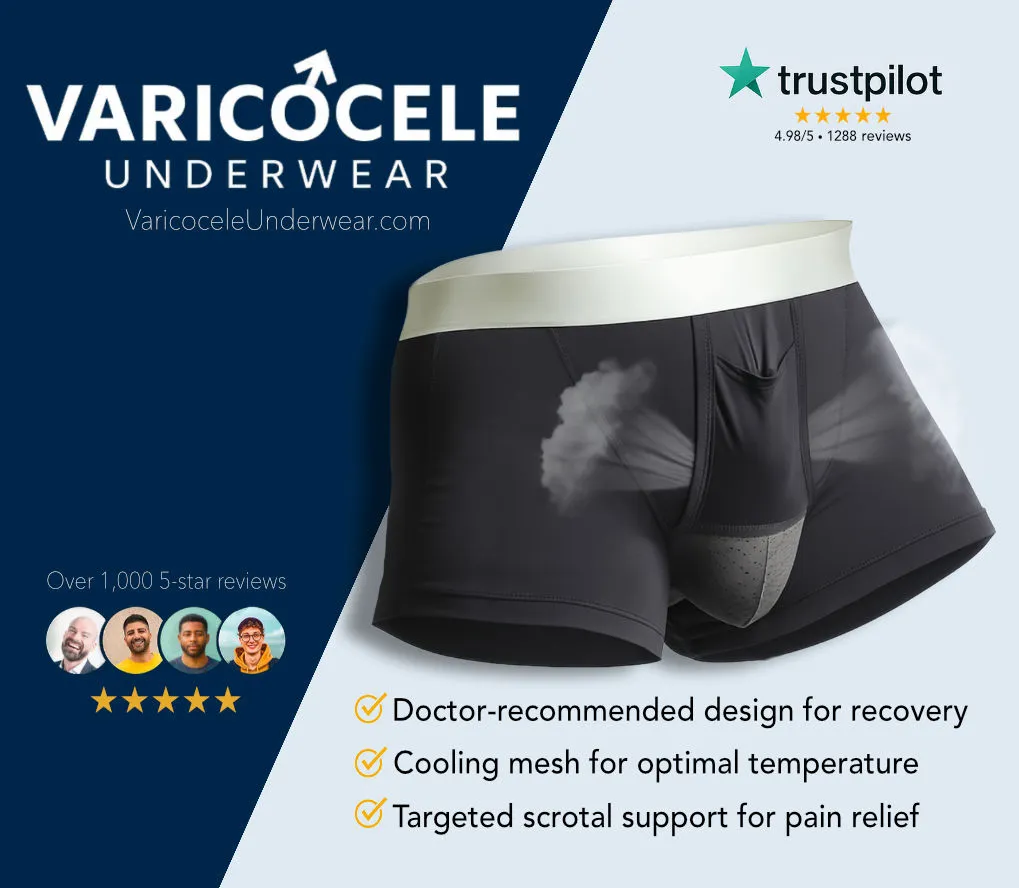
Discover specialized varicocele underwear designed for daily comfort, support, and recovery — a more targeted option for men who want support without compromise.
Discover the Recommended OptionTo avoid administrative delays or initial denials, your submission packet should include specific clinical documentation:
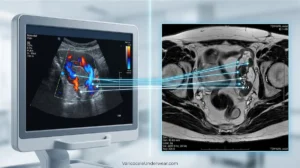
- Diagnostic Imaging: A detailed report from a recent scan showing measurable vein enlargement and retrograde venous reflux. Reviewing your Doppler ultrasound imaging results with your physician helps confirm these findings are clearly documented.
- Clinical Symptom Log: Written evidence of persistent scrotal pain, heaviness, or aching that worsens with prolonged standing or physical exercise.
- History of Conservative Management: Proof that non-surgical steps, such as over-the-counter pain relievers or scrotal support garments, failed to relieve symptoms.
- Fertility Evaluation: If undergoing treatment for reproductive health, include a formal semen analysis showing abnormal sperm count, motility, or morphology.
Sometimes insurers deny claims by incorrectly misclassifying embolization as elective or experimental. Interventional radiology guidance established by the National Institutes of Health confirms that transcatheter embolization is a safe, well-established standard of care. In complex cases where testicular vein reflux connects to broader vascular conditions, such as nutcracker syndrome and pelvic vascular connections, additional venography codes may be required to explain your underlying anatomy to the medical reviewer.
Supporting Your Recovery Post-Procedure
After your outpatient procedure is complete, physical care becomes the top priority. Following the timeline during the first 24 hours after varicocele embolization helps protect the venous occlusion coils or sclerosants as treated vessels collapse.
During physical movement, downward traction and micro-vibrations can irritate delicate vascular walls as coils settle. Utilizing proper scrotal suspension reduces tension on the spermatic cord and promotes hemodynamic stability. For gentle, non-invasive post-procedural comfort, specialized garments like VaricoceleUnderwear.com support and cooling brief offer soft, seamless structure designed to prevent painful shifting without uncomfortable pressure.

Key daily recovery habits to follow during the first week include:
- Avoid heavy lifting (over 10 to 15 pounds) to prevent sudden spikes in abdominal pressure.
- Wear structured support continuously during waking hours to stabilize sensitive scrotal tissues.
- Apply cold therapy in short intervals if mild swelling or dull soreness occurs around the puncture site.
- Keep the groin access site clean and dry to reduce infection risks.
Frequently Asked Questions
What is the main CPT code used for varicocele embolization?
The primary CPT code for varicocele embolization is 37241. This code covers venous vascular embolization or occlusion, including intraprocedural imaging guidance, supervision, and interpretation. Diagnostic catheterization or additional imaging may occasionally be billed separately depending on insurer guidelines.
Why do insurance companies deny coverage for varicocele embolization?
Insurers usually deny coverage due to insufficient documentation of medical necessity, missing diagnostic ultrasound results, or lack of documented conservative care trials. Ensuring your clinical notes clearly detail chronic pain, abnormal semen parameters, or testicular atrophy significantly increases approval odds.
How long does insurance pre-authorization take for embolization?
Pre-authorization typically takes between one to three weeks. Submitting complete medical records, including Doppler ultrasound scans, physician clinical notes, and proof of non-surgical management upfront, helps prevent unnecessary administrative delays during insurance review.
Practical Takeaway
Securing insurance approval for varicocele embolization relies on precise CPT coding (37241) and thorough documentation of medical necessity. Work closely with your interventional radiologist to submit complete ultrasound findings and records of conservative treatment before your procedure. Once authorized, focus on gentle scrotal stabilization during early recovery to protect healing veins and maintain daily comfort.
Related Articles

Choose Varicocele Support Designed for Cooling, Lift, and Daily Comfort
You’ve seen why regular underwear often falls short. Now view the purpose-built option made to reduce heaviness, improve support, and feel comfortable enough for everyday wear.