Endovascular embolization is a widely performed, minimally invasive procedure designed to close off enlarged veins in the scrotum. While most men experience smooth recoveries, a small percentage report persistent lower abdominal tenderness, aching, or localized groin pain weeks or months after the intervention. When persistent discomfort follows a procedure, patients frequently ask: can varicocele coils be removed? Understanding the root causes of post-procedure sensitivity is essential before evaluating surgical options or non-invasive relief strategies.
This guide explains why pain occurs after coil placement, when surgical coil extraction is medically warranted, and how conservative care can help soothe hypersensitive scrotal and groin tissues.
Why Some Patients Experience Pain After Embolization
In the immediate aftermath of an embolization, mild inflammatory soreness is expected. As blood clots within the targeted gonadal vein, the body initiates a natural healing reaction. Monitoring your initial symptoms during the first 24 hours after varicocele embolization helps distinguish normal healing from lingering complications.
When groin or testicular pain continues long term, several distinct anatomical mechanisms may be responsible:
- Thrombophlebitis and Tissue Inflammation: As the internal spermatic vein closes off, localized swelling can irritate adjacent soft tissues in the retroperitoneum or inguinal canal.
- Neuralgia and Nerve Compression: Sensory nerves, including the genitofemoral and ilioinguinal nerves, run close to the gonadal vessels. Post-procedural scar tissue or vascular inflammation can press against these nerves, causing sharp or burning pain.
- Metal Hypersensitivity: Most embolization coils contain alloys made of platinum, stainless steel, or nitinol (nickel-titanium). Patients with an undiagnosed nickel allergy may develop a localized immune response around the implant site.
- Coil Displacement or Migration: Although rare, a coil can shift out of its intended position within the testicular vein, potentially pressing into surrounding structures or pelvic tissue.
- Persistent Flow or Recurrence: If collateral veins remain open, ongoing venous pressure can perpetuate dull scrotal aches. Understanding varicocele recurrence after embolization allows urologists to evaluate whether pain stems from the coils or active venous reflux.
According to an NCBI StatPearls clinical overview, persistent post-procedural scrotal or pelvic pain requires careful evaluation to rule out vascular recurrence, nerve entrapment, or implant-related inflammation.
| Cause of Pain | Primary Symptoms | Diagnostic Method |
|---|---|---|
| Thrombophlebitis | Localized tenderness along the vein pathway | Physical exam and ultrasound |
| Genitofemoral Neuralgia | Burning, sharp pain radiating to the inner thigh | Diagnostic nerve block |
| Nickel/Metal Allergy | Systemic or deep-tissue inflammation, chronic pain | Dermatological patch testing |
| Coil Migration | Sudden sharp pain, flank discomfort | Abdominal X-ray or CT scan |
Can Embolization Coils Be Safely Removed?
The short answer is yes, but coil extraction is a complex procedure reserved for specific, severe medical indications. Embolization coils are designed to remain in the gonadal vein permanently. Over time, endothelial cells grow over the metal coils, locking them securely into the fibrous tissue of the closed vessel. Consequently, catheter-based endovascular retrieval is rarely possible long after the initial procedure.

Discover specialized varicocele underwear designed for daily comfort, support, and recovery — a more targeted option for men who want support without compromise.
Discover the Recommended OptionRemoving embolization coils usually requires a laparoscopic or robotic surgical resection of the specific segment of the gonadal vein containing the implants. As documented in published case reports in PubMed, robotic excision of the gonadal vein successfully resolved severe chronic pain in patients with confirmed nickel hypersensitivity or localized vascular erosion.
Because secondary surgery carries risks such as bleeding, infection, and tissue scarring, urologists compare these interventions carefully against standard surgical approaches. Reviewing varicocele embolization vs surgery recovery metrics helps patients evaluate risk profiles before committing to surgical removal.
Surgical coil removal is generally considered only when conservative management fails and one of the following criteria is met:
- A confirmed metal allergy validated through formal dermatological patch testing.
- Imaging-confirmed coil migration causing mechanical irritation or organ compression.
- Unrelenting chronic pain localized specifically to the vein segment housing the coils.
Managing Groin and Scrotal Sensitivity Gently
Before considering invasive surgical extraction, non-surgical approaches offer a reliable path to manage daily discomfort and nerve sensitivity. Conservative management focuses on reducing local tissue strain, minimizing thermal stress, and stabilizing the scrotum.
Loose or unsupportive underwear allows the testes to hang downward, placing continuous gravitational pull on inflamed spermatic cord nerves and swollen vessels. Standard cotton garments can also trap heat and moisture, increasing skin friction and localized irritation. Evaluating material properties such as micro modal vs cotton scrotal temperature regulation shows that ultra-soft, breathable fabrics significantly reduce thermal stress on sensitive tissues.
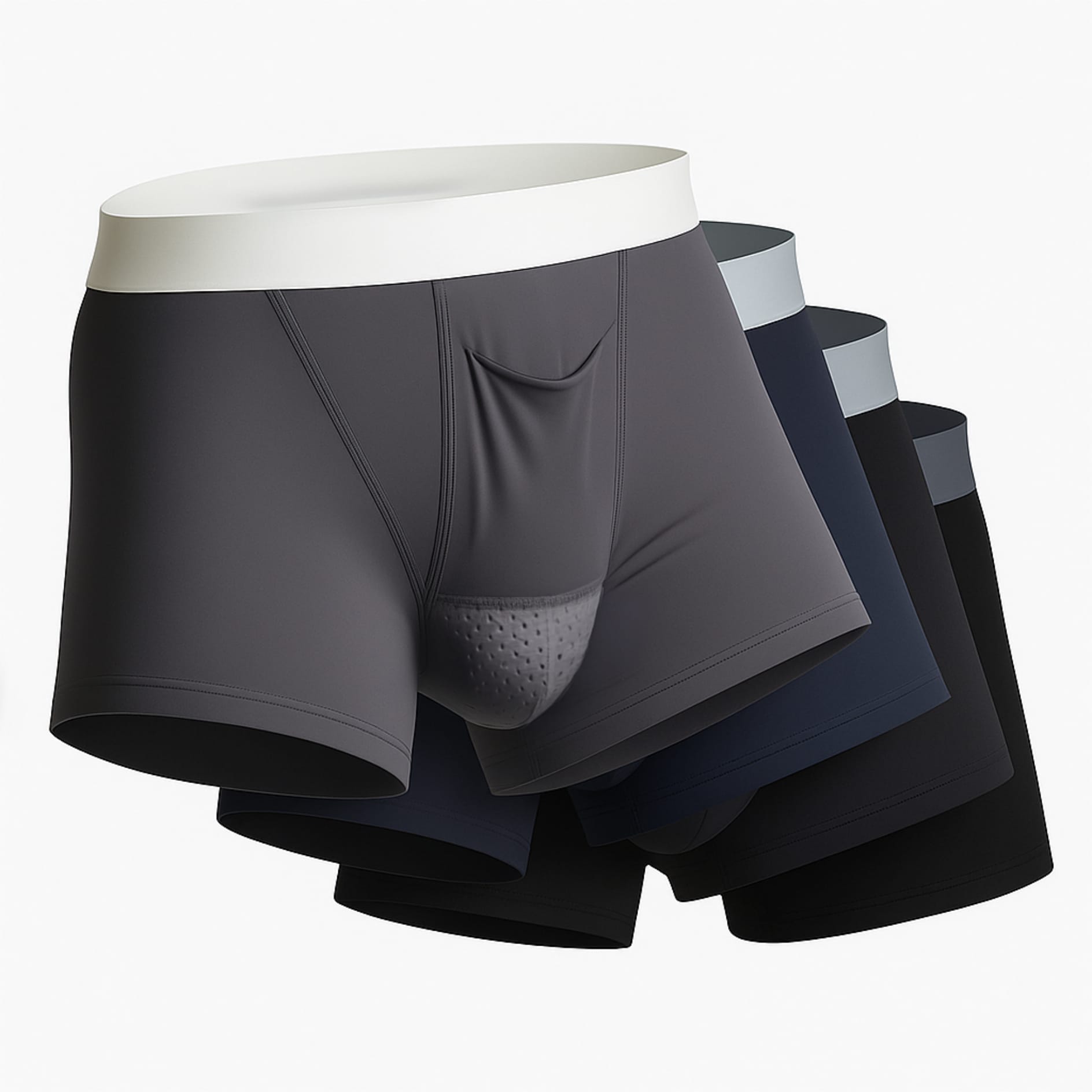
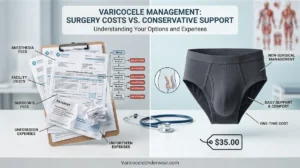
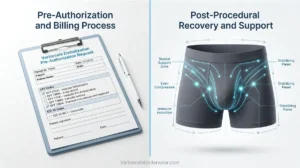
For men experiencing post-procedure sensitivity, specialized mechanical support can provide meaningful relief. The Varicocele Underwear with Support & Cooling offers a practical, non-invasive option for daily symptom management. Designed with an ultra-soft, hypoallergenic modal fiber profile and seamless contact zones, this garment lifts and cradles sensitive scrotal tissues without rubbing or applying harsh pressure to tender groin areas. Gentle physical suspension reduces gravitational drag on the spermatic cord, helping ease daily aching during standing or walking.
While supportive garments help manage day-to-day comfort, they do not alter internal vascular anatomy or remove physical metal coils. They serve as a gentle, conservative tool to cushion sensitive tissues while your body recovers or while you work with your physician on a formal treatment plan.
Frequently Asked Questions
What are the main signs of a metal allergy after coil embolization?
Signs of a metal allergy include persistent, deep aching near the coil site, localized inflammation, or systemic allergic responses like hives or unexplained fatigue. Formal dermatological patch testing is necessary to confirm a nickel or alloy hypersensitivity before considering surgical removal options.
Is coil migration after varicocele embolization common?
No, coil migration is an extremely rare complication. Embolization coils are sized specifically to fit the gonadal vein and quickly become embedded in fibrous tissue. Imaging studies, such as abdominal X-rays or ultrasound, can easily confirm whether a coil has shifted position.
Can physical scrotal support reduce pain caused by embolization coils?
Yes, supportive garments elevate the scrotum and reduce gravitational traction on sensitized spermatic cord nerves and blood vessels. While physical support cannot remove metal implants, proper suspension significantly decreases daily throbbing and tissue irritation during standing or exercise.
Practical Steps for Post-Embolization Care
If you experience persistent groin or testicular discomfort after an embolization, track the timing, location, and nature of your symptoms. Consult your urologist or interventional radiologist to rule out coil displacement, recurrence, or nerve irritation through diagnostic imaging. Begin with gentle conservative measures—such as anti-inflammatory care, activity modification, and soft, hypoallergenic scrotal support—before exploring surgical coil extraction.
Related Articles
Choose Varicocele Support Designed for Cooling, Lift, and Daily Comfort
You’ve seen why regular underwear often falls short. Now view the purpose-built option made to reduce heaviness, improve support, and feel comfortable enough for everyday wear.