Returning to calisthenics after varicocele repair can feel like reclaiming a part of your routine, especially if training helped you manage stress before surgery. The urge to test a pull-up, plank, or dip is understandable, but the first weeks are for healing, not performance. Varicocelectomy repairs enlarged veins around the testicle, and the groin or scrotal tissues may remain tender even when the incision looks small. Heavy bracing, breath-holding, and sudden effort can strain healing areas. Your operation type, incision location, symptoms, and surgeon’s instructions matter more than a calendar date. Start with walking, then earn each harder movement through symptom-free progress and medical clearance. This is especially important if you trained hard before surgery and feel ready sooner than your tissues are.
Post-Repair Calisthenics Recovery Milestones
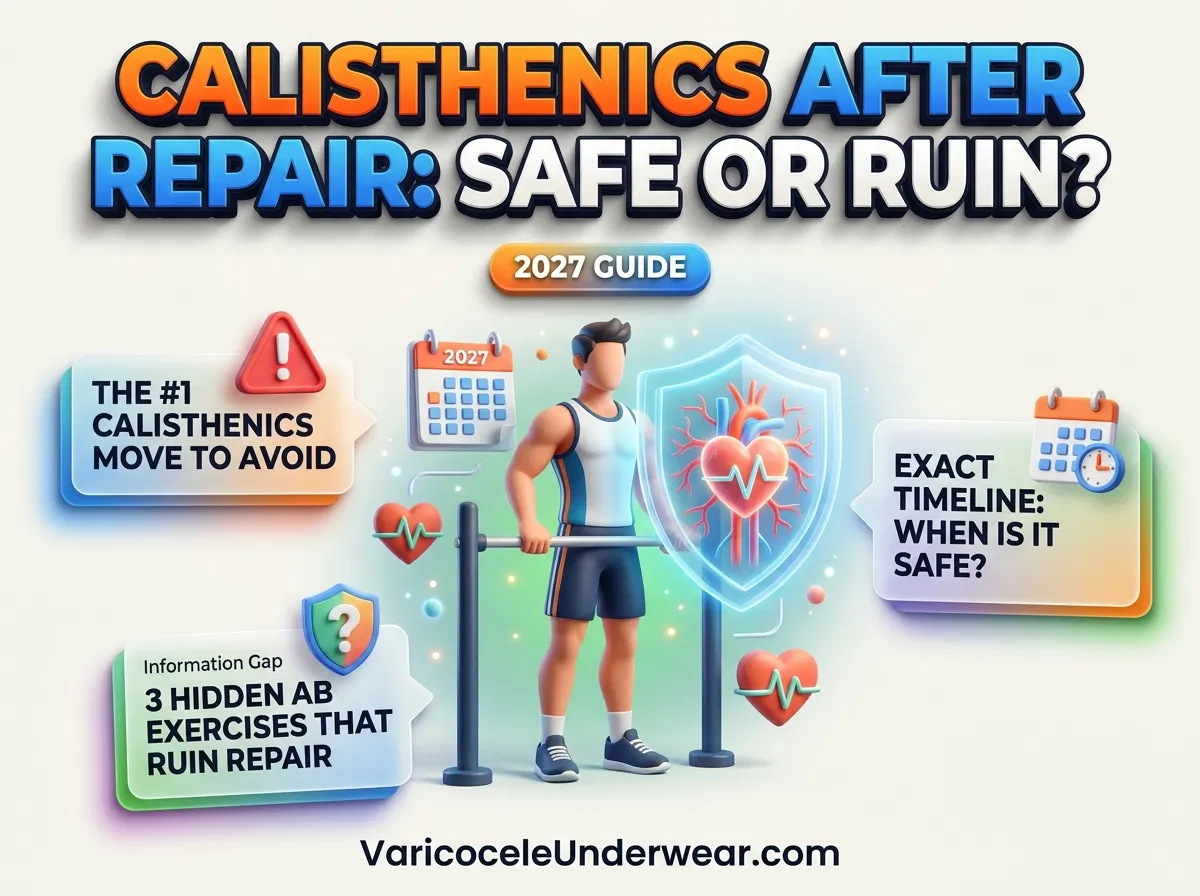
As of November 2026, there is no AUA or EAU exercise schedule that clears every patient for planks or pull-ups on a set day. The AUA/ASRM male infertility guideline and the EAU male infertility guideline discuss varicocele treatment and fertility outcomes, not a universal return-to-sport timetable. Published varicocelectomy postoperative activity instructions commonly advise avoiding strenuous activity and lifting more than 10 pounds for at least two weeks. Cleveland Clinic also reports that swelling can last six to eight weeks, with groin tenderness sometimes lasting six weeks. The timeline below is a cautious planning guide, not a prescription or a guarantee. It assumes an uncomplicated recovery and must be adjusted for microsurgical, open, laparoscopic, or other procedures. Follow the stricter instruction whenever your surgeon’s plan differs.

Discover specialized varicocele underwear designed for daily comfort, support, and recovery — a more targeted option for men who want support without compromise.
Discover the Recommended Option| Recovery Period | Recommended Activity | Calisthenics Restrictions |
|---|---|---|
| Week 1 | Rest, short walks around the home, and gentle daily movement. | No planks, pull-ups, dips, abdominal training, or heavy lifting. |
| Week 2 | Continue walking and follow the surgeon’s activity instructions. | Continue avoiding strenuous exercise and lifting beyond the permitted limit. |
| Week 3 | Attend follow-up and discuss gradual activity increases. Gentle mobility may be suitable after clearance. | Do not resume demanding core exercises without approval. |
| Week 4 | Consider low-effort movement and controlled bodyweight patterns if cleared. | Avoid forceful abdominal bracing, long holds, and movements that cause groin pulling. |
| Week 5 | Gradually introduce modified push-ups or supported squats if symptoms have settled. | Keep repetitions low and avoid training to failure. |
| Week 6 | Consider assisted pulling movements and gentle core activation with medical approval. | Avoid heavy resistance, explosive repetitions, and prolonged hanging. |
| Week 7 | Progress to modified plank variations and controlled bodyweight sessions if symptom-free. | Increase either repetitions or duration gradually, not both together. |
| Week 8 | Work toward regular calisthenics following surgical clearance and a symptom-free progression. | Maximum-effort exercises should not be automatic. Continue gradual loading. |
Use the week ranges as checkpoints, not deadlines. If you have a postoperative visit at one or two weeks, bring a list of the movements you want to resume and ask which loads, positions, and effort levels are acceptable. A surgeon may extend restrictions when there is persistent swelling, bruising, wound irritation, infection, a hematoma (a collection of blood under the skin), or a more involved repair. If your recovery is slower, that does not mean the operation has failed. Men who are anxious about fertility should also remember that sperm changes are assessed over months, not by how quickly they can exercise. Keep your scheduled follow-up and semen testing plan separate from your gym goals. A comfortable walk is a better early test of recovery than a maximal-effort set. The exact progression also depends on the surgical technique and whether any complications occurred.
Reintroducing Core Planks and Bodyweight Lifts
Safe Bodyweight Fitness After Surgery
When planning core workouts post varicocelectomy, begin with movements that let you breathe normally and stop without struggling. After clearance, a short walk can progress to gentle mobility, then low-effort bodyweight patterns. Start with one or two easy sets and leave several repetitions in reserve. Avoid training to failure, explosive repetitions, deep ranges that pull at the groin, and long static holds at first. An incline push-up is easier to scale than a floor push-up; a supported squat is easier to stop than a demanding dip. Pull-ups and hanging work should wait until you can brace and move without groin discomfort. Increase only one part of the session at a time, such as repetitions or range of motion, rather than adding volume and intensity together. See this guide to calisthenics after varicocele surgery and the exercise recovery guide after varicocele surgery for related movement planning.
Avoiding Early Intra-Abdominal Overload
Dips, pull-ups, and planks can demand strong abdominal bracing. If you hold your breath or bear down, intra-abdominal pressure, meaning pressure inside your abdomen, rises. Some people describe the resulting sensation as downward pelvic drag or pulling into the groin or scrotum. That feeling is a reason to stop, reduce the load, and contact your care team if it persists; it does not prove that a vein repair has come undone. During each repetition, exhale through the effort and inhale during the easier phase. Avoid the Valsalva maneuver, which means forcefully straining against a closed airway. Do not test your limits with maximum-duration holds, weighted calisthenics, or repeated sets while tenderness remains. Do not use pain medicine to hide symptoms so you can finish a workout. A return session should end before fatigue changes your form.
- Control your breathing: Exhale during the effort instead of holding your breath.
- Keep movements manageable: Start with modified variations and short sessions.
- Watch your symptoms: Stop when groin discomfort, swelling, or scrotal heaviness increases.
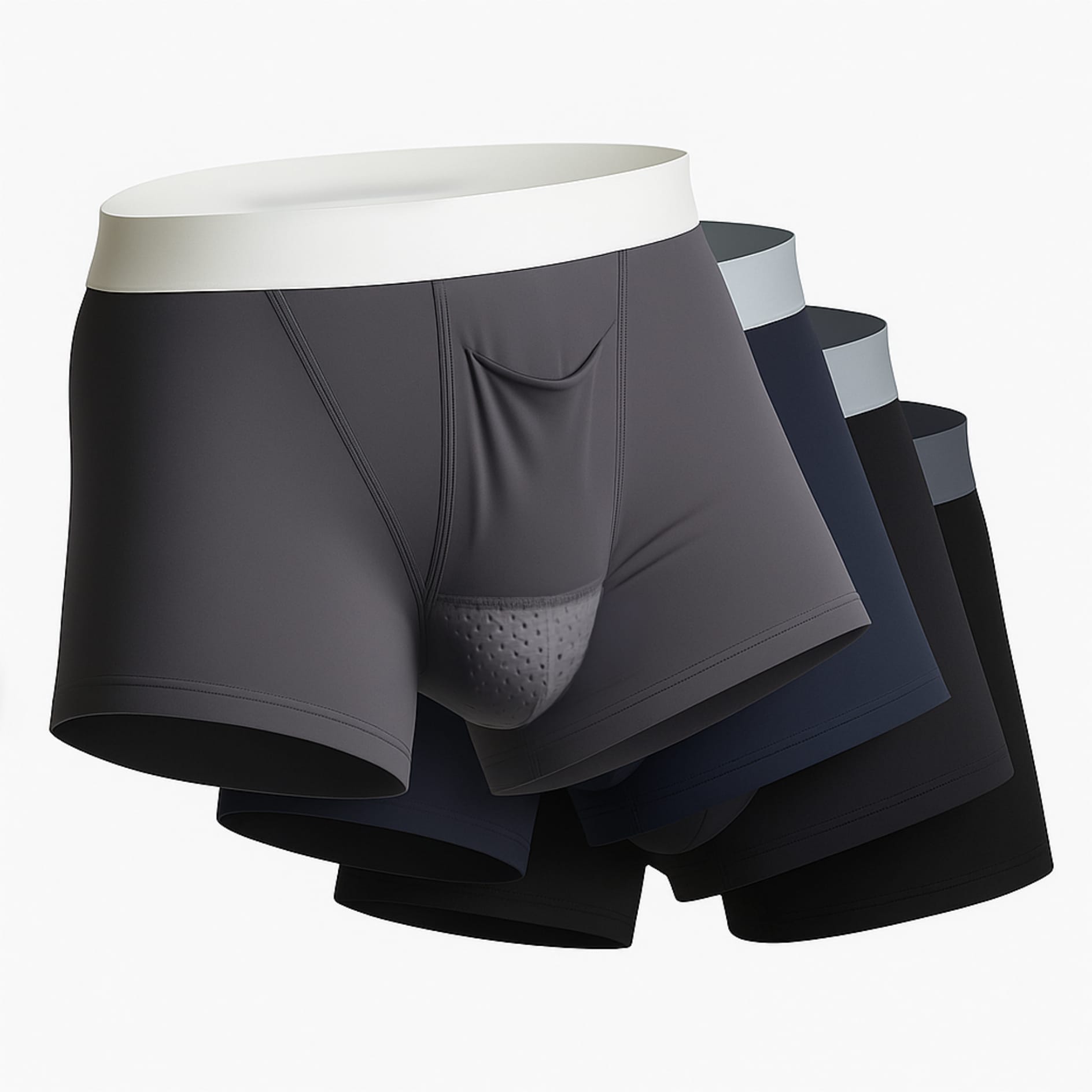
A supportive undergarment may make walking and later training more comfortable, but it cannot protect an incision from excessive load or speed internal healing. Once the wound is closed and your surgeon says snug support is suitable, VaricoceleUnderwear™ may be one option for a stable fit during a gradual return to training. Its post-varicocelectomy athletic briefs are marketed for testicular support and cooling. Choose a size that feels supportive without pinching, rubbing the incision, or compressing the scrotum. Stop wearing it if you notice numbness, skin irritation, or more pain. Underwear is a comfort aid, not a treatment for recurrence. For more on garment fit, read how to choose supportive varicocele underwear and review push-ups and pull-ups with varicocele before returning to harder sets. You can also ask your surgical team whether a snug brief or an athletic supporter is best during the first two weeks.
Stop exercising and contact your surgeon if pain increases, swelling grows, the incision opens, or you notice new bleeding, drainage, spreading redness, or fever. Seek urgent medical advice for severe or rapidly worsening pain or swelling. Resume only after symptoms settle and your clinician agrees. A return to training should feel gradual: no new heaviness during the session, no worsening later that day, and no increase the next morning. If symptoms recur, step back to walking and ask for an examination rather than trying to train through them. Varicocele repair may improve semen measures in appropriately selected men, but no underwear choice or workout schedule can guarantee fertility. Keep the discussion with your urologist focused on healing, follow-up findings, and the right time to repeat semen analysis. The goal is a steady return to exercise without trading a few early workouts for a longer recovery.
Related Articles
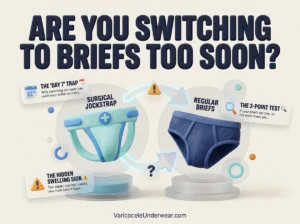
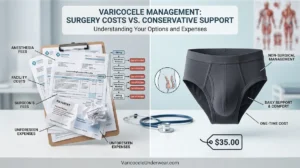


Choose Varicocele Support Designed for Cooling, Lift, and Daily Comfort
You’ve seen why regular underwear often falls short. Now view the purpose-built option made to reduce heaviness, improve support, and feel comfortable enough for everyday wear.