Tight pelvic floor muscles can mimic or intensify chronic varicocele discomfort, creating a persistent ache in the testicles, groin, and lower abdomen. For some men, pelvic floor physical therapy for varicocele-related pain offers relief by reducing muscle tension, improving relaxation, and releasing painful trigger points. This matters because not every scrotal ache comes directly from enlarged veins. A condition called pelvic floor hypertonicity, meaning excessive resting tension in the pelvic muscles, can produce referred pain that feels surprisingly similar to varicocele pain. Understanding the difference helps you choose the right treatment. Although stretching cannot repair enlarged scrotal veins, targeted muscle therapy and proper scrotal support may help reduce daily discomfort.
The Pelvic Floor and Scrotal Pain Link: Pelvic Floor Physical Therapy for Varicocele
The pelvic floor is a group of muscles and connective tissues stretching across the bottom of the pelvis. These muscles support the bladder, bowel, and reproductive organs. They also help control urination, bowel movements, and sexual function. Under normal conditions, they contract when needed and relax when their work is finished. However, prolonged sitting, stress, poor movement habits, previous injuries, and chronic pain can cause these muscles to remain partially contracted. This condition is known as a hypertonic pelvic floor. When muscles stay tight, sensitive areas called myofascial trigger points can develop. These irritated spots may send pain into nearby regions, including the perineum, penis, testicles, and groin. Consequently, pelvic tension scrotal ache can occur even when the primary source of pain is muscular rather than vascular. Men experiencing these symptoms may benefit from learning about the connection between varicocele and pelvic floor dysfunction.
One reason this condition is frequently overlooked is that referred pain does not always appear where the underlying problem exists. A tight levator ani muscle, for example, may produce discomfort around the testicles even though the muscle itself sits deeper inside the pelvis. The discomfort can feel like pressure, pulling, burning, or a persistent dull ache. Some men also notice increased pain after prolonged sitting, driving, sexual activity, bowel movements, or periods of stress. Others experience urinary urgency, difficulty relaxing during urination, constipation, or discomfort between the scrotum and anus. These associated symptoms can help distinguish pelvic floor dysfunction from isolated vascular discomfort. Lower abdominal and groin symptoms may also occur together, so reading about varicocele-related abdominal and groin pain can help explain overlapping symptoms. However, a proper examination is necessary because hernias, infections, nerve irritation, and other conditions can produce similar complaints.

Discover specialized varicocele underwear designed for daily comfort, support, and recovery — a more targeted option for men who want support without compromise.
Discover the Recommended OptionHypertonic Muscles vs. Vascular Pressure
A varicocele and pelvic floor hypertonicity can exist at the same time, but they involve different anatomical structures. A varicocele develops when veins in the spermatic cord become enlarged because blood does not drain properly. The resulting venous pressure can produce a dragging sensation or dull scrotal ache, particularly after standing or physical activity. Pelvic floor pain, on the other hand, develops when muscles and surrounding connective tissues become irritated, shortened, or unable to relax normally. Both conditions can contribute to discomfort during daily activities, which explains why treating only one source may leave some symptoms unresolved. The following comparison outlines common patterns, although individual symptoms can overlap and are not sufficient for self-diagnosis.
| Clinical Feature | Vascular Varicocele Pain | Myofascial Pelvic Pain |
|---|---|---|
| Primary cause | Enlarged scrotal veins and impaired venous drainage | Overactive or tender pelvic floor muscles |
| Pain description | Dull ache, heaviness, or dragging sensation | Tightness, burning, pressure, or referred ache |
| Common triggers | Standing, exercise, and prolonged upright activity | Prolonged sitting, stress, sexual activity, and muscle tension |
| Relief pattern | Often improves when lying down or elevating the scrotum | May improve with relaxation, breathing, and targeted muscle therapy |
| Physical examination | Enlarged veins, sometimes described as a bag of worms | Pelvic muscle tenderness and difficulty relaxing |
| Primary treatment approach | Supportive care, observation, or urological intervention when indicated | Pelvic floor physical therapy and myofascial treatment |
Distinguishing these conditions requires a proper medical assessment. A urologist may examine the scrotum while standing and lying down, assess tenderness, and order a Doppler ultrasound when the diagnosis is uncertain. This ultrasound evaluates blood flow and helps identify enlarged veins and abnormal venous reflux. When chronic pelvic or scrotal pain suggests a muscular component, the 2025 American Urological Association (AUA) Male Chronic Pelvic Pain Guideline supports evaluating pelvic floor tenderness through an appropriate examination, including digital pelvic floor palpation when indicated. The clinician may also review urinary symptoms, bowel habits, hip movement, abdominal tenderness, and pain triggers. This broader assessment matters because a man can have a confirmed varicocele and a separate muscular pain problem. For men managing confirmed varicoceles, additional conservative strategies for reducing varicocele symptoms may complement treatment, but they do not replace an accurate diagnosis.
Stretches and Release Protocols
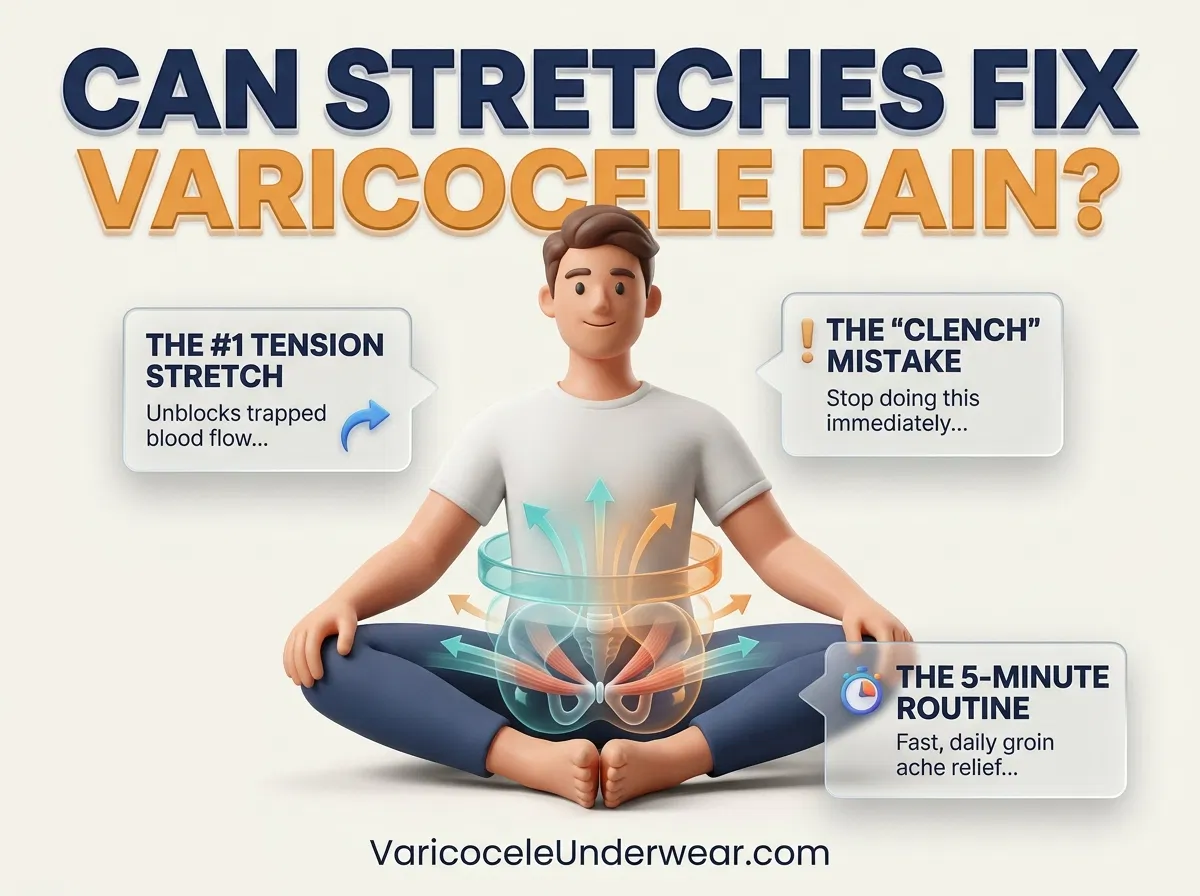
A suitable home routine focuses on relaxing the pelvic floor rather than repeatedly strengthening it. This distinction is essential. Traditional Kegel exercises involve tightening the pelvic muscles, and performing them without assessing muscle tone may aggravate symptoms in men who already have excessive tension. Instead, gentle mobility exercises, controlled breathing, and comfortable stretching can help reduce involuntary muscle guarding. Begin with five minutes of diaphragmatic breathing. Lie on your back with your knees bent, place one hand on your abdomen, and inhale slowly through your nose. Allow your abdomen and lower ribs to expand while imagining the pelvic floor gently softening. Exhale without squeezing your pelvic muscles. Next, try a supported child’s pose by kneeling, moving your hips toward your heels, and resting your upper body forward. Remain in a comfortable position for 20 to 30 seconds. A gentle butterfly stretch can also help relax the inner thighs and surrounding pelvic tissues. Never force a stretch or push through testicular pain. Stop any movement that increases discomfort.
Myofascial release for groin pain is another useful component of individualized pelvic rehabilitation. Myofascial release refers to gentle manual techniques used to reduce tension in muscles and their surrounding connective tissues. A specially trained pelvic health physical therapist may work on the lower abdomen, inner thighs, hip muscles, buttocks, perineum, and pelvic floor. Depending on the examination and the patient’s consent, treatment can involve external or internal techniques. Internal treatment is performed by a trained clinician and should never be attempted independently. Gentle hip mobility, pelvic relaxation training, postural adjustments, and biofeedback may also form part of the treatment plan. Biofeedback uses sensors to help patients recognize when their muscles are contracting and learn how to relax them. The AUA’s 2025 guideline supports individualized manual physical therapy for men with pelvic floor or abdominopelvic muscle pain. A published study by Farrell and colleagues examined 30 men with chronic scrotal content pain and pelvic floor tenderness. Following an average of 12 physical therapy sessions, half reported improved pain, although the study was retrospective and did not specifically establish a treatment effect on varicocele veins. The findings are available in the PubMed study on pelvic physical therapy for chronic scrotal pain.
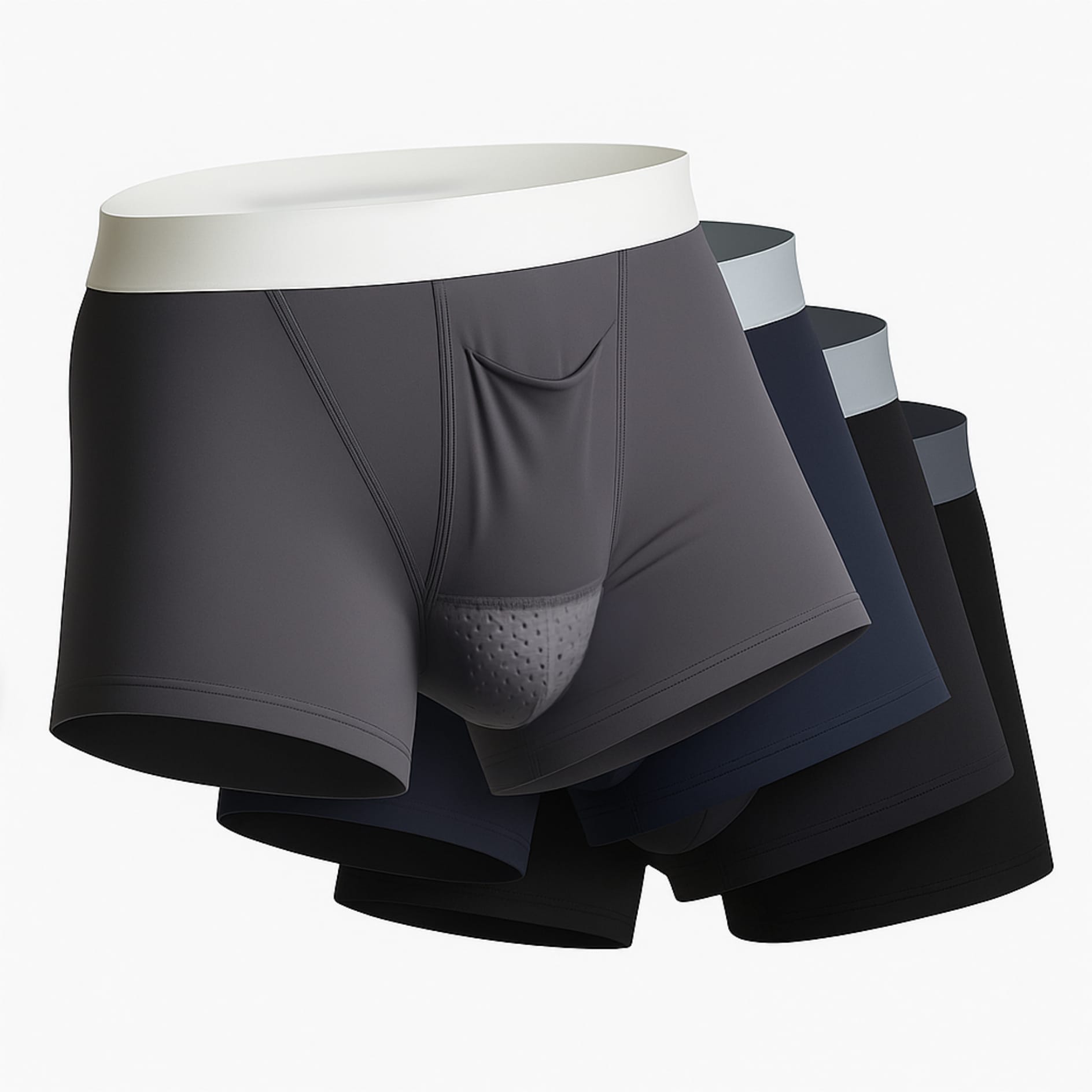
Daily mechanical support can complement these exercises. Relaxing the pelvic muscles may reduce muscular discomfort, but it does not prevent the scrotum from moving or feeling heavy during prolonged standing, walking, or exercise. Conversely, leaving the scrotum unsupported is not medically proven to cancel the benefits of stretching. These are separate contributors to discomfort that may require different measures. Men who experience a dragging sensation can try comfortable underwear with a gently lifting pouch that supports the testicles without excessive compression. The design described by VaricoceleUnderwear.com uses an ergonomic pouch intended to provide upward scrotal support. Its pelvic floor supportive varicocele apparel may be considered as a comfort aid alongside a physical therapy routine, rather than a treatment for pelvic floor dysfunction or abnormal venous drainage. A suitable garment should fit securely without causing numbness, skin irritation, or pressure. Comparing the available supportive underwear options for varicocele may help men find a comfortable fit for daily use.
Finally, persistent discomfort deserves a proper urological evaluation, particularly when fertility is a concern. Pelvic floor stretching cannot shrink a varicocele, correct faulty venous valves, or directly improve sperm production. Men experiencing infertility should discuss semen analysis and appropriate treatment options with a reproductive urologist. The 2024 amended AUA/ASRM male infertility guideline recommends considering varicocele repair in men attempting conception who have a palpable varicocele, infertility, and abnormal semen parameters, with specific exceptions. Physical therapy may still be useful when pelvic muscle tenderness contributes to their discomfort. Seek emergency medical attention for sudden, severe testicular pain, especially with nausea or vomiting, because testicular torsion must be ruled out promptly. New swelling, fever, or significant urinary symptoms also require timely medical assessment. The most useful treatment plan addresses both confirmed vascular disease and any accompanying muscular dysfunction. With an accurate diagnosis, individualized pelvic floor rehabilitation, appropriate support, and follow-up care, many men can work toward better daily comfort without assuming that every groin ache requires surgery.
Related Articles




Choose Varicocele Support Designed for Cooling, Lift, and Daily Comfort
You’ve seen why regular underwear often falls short. Now view the purpose-built option made to reduce heaviness, improve support, and feel comfortable enough for everyday wear.