Smoking and nicotine exposure can damage blood vessel function long before visible circulation problems appear. This hidden vascular injury may also matter for men with varicocele, a condition involving enlarged veins in the scrotum. Nicotine triggers blood vessel constriction, reduces the availability of nitric oxide, and disrupts the endothelial lining that helps veins regulate blood flow. These effects raise important questions about the nicotine smoking effect on varicocele, particularly whether repeated exposure may worsen venous pressure, impair circulation, and increase discomfort. Although direct clinical evidence linking nicotine exposure to accelerated scrotal vein valve failure remains limited, research confirms that nicotine and tobacco products can impair both arterial and venous endothelial function.
How Nicotine Affects Vascular Endothelium
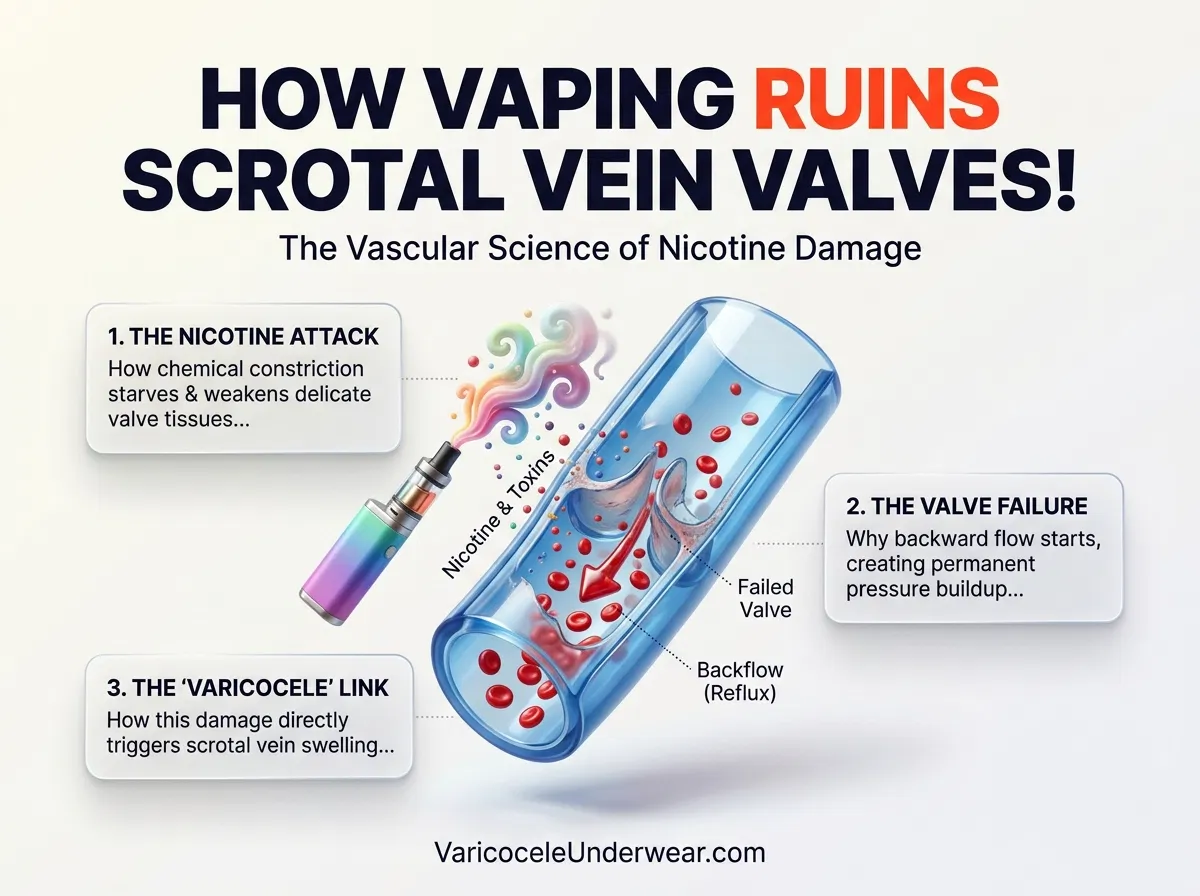
The vascular endothelium is the thin layer of cells covering the inside of blood vessels. It regulates vessel relaxation, blood flow, inflammation, and interactions between circulating blood and vessel walls. Healthy endothelial cells also help maintain the balance between constriction and dilation. Nicotine interferes with these processes by stimulating the sympathetic nervous system, which increases the release of catecholamines such as adrenaline. The resulting response can narrow blood vessels, raise heart rate, and increase blood pressure. Nicotine also reduces normal endothelial signaling, including the activity of nitric oxide, a molecule that helps blood vessels relax. A peer-reviewed investigation published in Clinical Pharmacology and Therapeutics demonstrated that nicotine can impair endothelium-dependent relaxation in human veins. This finding is particularly relevant to venous circulation because veins depend on healthy endothelial function to regulate vascular tone.
Another concern is oxidative stress, which occurs when harmful reactive oxygen species exceed the body’s antioxidant defenses. Cigarette smoke contains numerous oxidizing chemicals, while nicotine exposure can also activate cellular pathways associated with vascular dysfunction. Oxidative stress reduces nitric oxide availability and can increase inflammatory signaling. Over time, these changes may interfere with normal endothelial repair and alter the behavior of vascular smooth muscle cells. Research published in the review of nicotine and vascular dysfunction describes how nicotine affects vascular reactivity, endothelial cells, and smooth muscle remodeling. However, it is essential to distinguish endothelial dysfunction from direct destruction of scrotal vein valves. Current evidence does not establish that nicotine physically weakens or destroys the valves inside the pampiniform plexus. Rather, nicotine creates an unfavorable vascular environment that may add to existing circulatory stress.

Discover specialized varicocele underwear designed for daily comfort, support, and recovery — a more targeted option for men who want support without compromise.
Discover the Recommended OptionVaping, Smoking, and Vein Valve Stress
Both conventional cigarettes and electronic cigarettes deserve attention when discussing scrotal circulation. Cigarette smoke exposes the vascular system to nicotine, carbon monoxide, fine particles, and numerous toxic combustion products. Vaping avoids combustion but can still deliver substantial nicotine concentrations and expose blood vessels to aerosol chemicals. A study published in Arteriosclerosis, Thrombosis, and Vascular Biology found that chronic e-cigarette users and cigarette smokers showed impaired flow-mediated dilation, a measure of how well arteries respond to increased blood flow. The investigators also identified changes in nitric oxide release and endothelial permeability. These findings support concern about vaping and scrotal vein valves, although the research did not directly examine scrotal veins or prove that vaping causes varicocele progression. The full investigation is available through PubMed’s research on chronic e-cigarette use and endothelial function.
A varicocele develops when blood refluxes, or flows backward, through enlarged veins surrounding the testicle. These veins form the pampiniform plexus, a network that helps regulate testicular temperature. Venous valves normally help prevent backward blood movement. When valve function is inadequate, blood can accumulate, causing venous enlargement and increased pressure. Gravity adds to this pressure when a person stands for long periods. This process explains why some men notice a dull ache, heaviness, or a dragging sensation after physical activity or late in the day. The tobacco impact on pelvic congestion is also worth understanding because smoking-related vascular dysfunction may affect circulation beyond the scrotum. However, evidence does not currently establish that smoking directly causes pelvic venous congestion or that nicotine accelerates varicocele valve failure. Men concerned about these risks can read more about the relationship between nicotine exposure and varicocele symptoms. Smoking cessation remains a sensible step for overall vascular and reproductive health.
Nicotine Impact on Venous and Arterial Systems
| Vascular feature | Effect of nicotine and tobacco exposure | Possible clinical relevance |
|---|---|---|
| Arterial tone | Increased sympathetic activity and vasoconstriction | Higher vascular resistance and blood pressure |
| Endothelial function | Reduced nitric oxide availability and impaired vessel relaxation | Less stable regulation of blood flow |
| Oxidative balance | Increased oxidative stress and inflammatory signaling | Greater vascular cellular stress |
| Venous function | Impaired endothelium-dependent relaxation | Potential disturbance of normal venous tone |
| Microvascular permeability | Altered endothelial barrier function, particularly in experimental vaping research | Possible changes in fluid and tissue exchange |
| Scrotal vein valves | Direct nicotine-induced valve destruction has not been established | Existing reflux and varicocele require separate clinical assessment |
For men with varicocele, these vascular changes should be considered alongside other established factors, including venous anatomy, reflux, testicular temperature regulation, and individual fertility status. A varicocele does not automatically mean infertility or low testosterone. Some men have enlarged veins without symptoms or measurable reproductive effects. Others experience persistent discomfort or abnormal semen parameters. The European Association of Urology recommends assessing clinically relevant varicocele in the context of reproductive history, physical examination, and semen analysis when fertility is a concern. Men experiencing hormonal symptoms can also learn about the relationship between varicocele and testosterone levels. Nicotine cessation may improve general vascular health, but it should not be presented as a proven method of reversing enlarged scrotal veins or restoring damaged venous valves.
Protecting Microvascular Tone
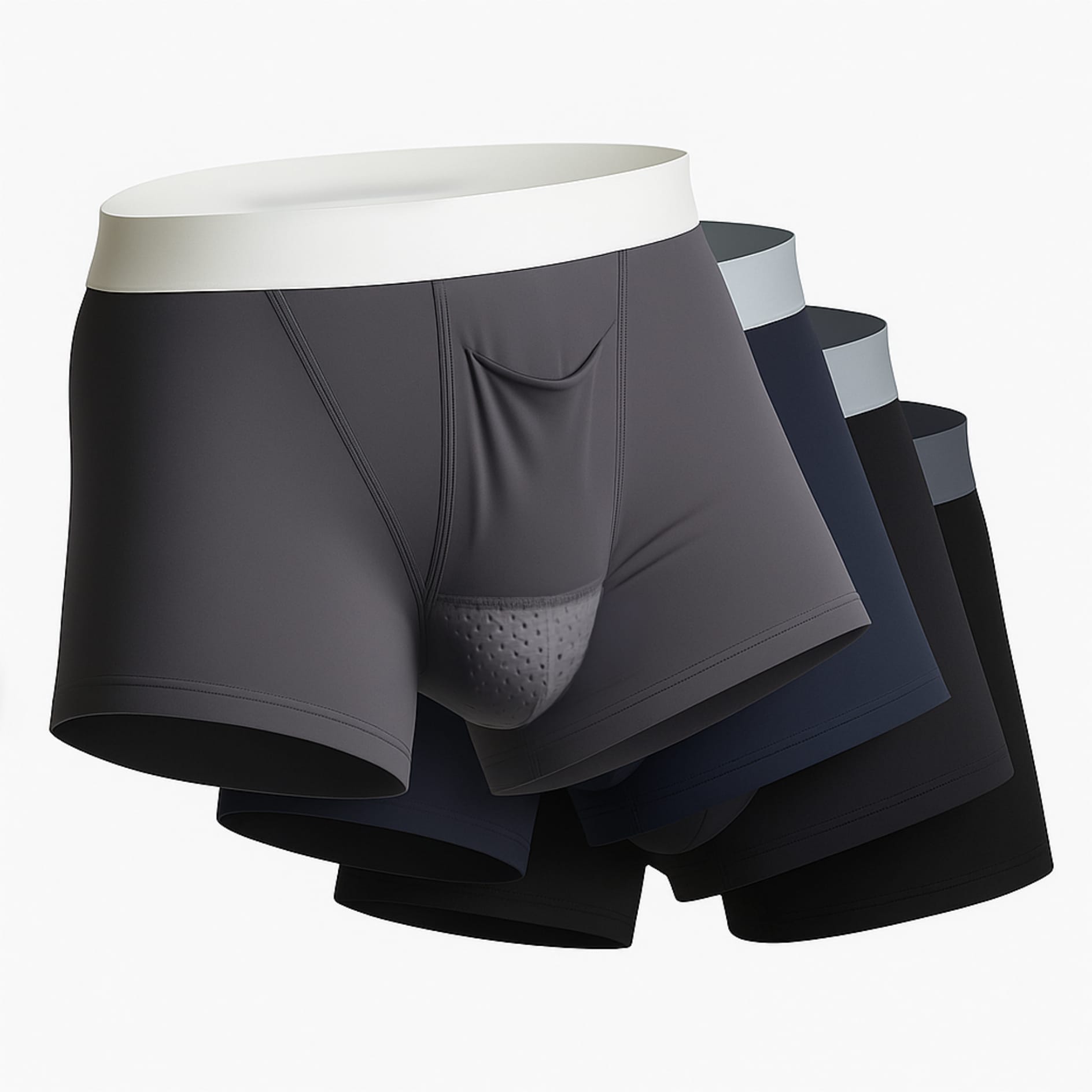
Protecting microvascular tone means supporting the ability of small blood vessels to maintain appropriate constriction and relaxation. The most important step for smokers and nicotine users is to stop exposure. Quitting cigarettes, avoiding nicotine-containing vaping products, maintaining regular physical activity, and managing blood pressure can support overall cardiovascular health. Men who struggle to stop nicotine use can discuss evidence-based cessation options with a healthcare professional. Hydration, comfortable clothing, and avoiding prolonged periods of standing may also help some men manage daily scrotal discomfort. External scrotal support can provide another practical measure. VaricoceleUnderwear™ is designed to lift and support the scrotum, reducing excessive movement and providing gentle external support during everyday activities. This type of support may improve comfort by reducing the sensation of heaviness associated with enlarged veins. For men seeking vascular support underwear for varicocele, it is important to understand the distinction between mechanical comfort and vascular treatment. External support does not repair weakened valves, reverse reflux, restore endothelial function, or prevent proven hydrostatic valve failure. It is a supportive clothing option, not a substitute for medical treatment.
When Should Men With Varicocele Seek Medical Assessment?
Persistent scrotal discomfort, visible enlargement, testicular size changes, or fertility concerns deserve assessment by a urologist. A physical examination is usually the first step. Scrotal Doppler ultrasound, which uses sound waves to assess blood flow, may help confirm venous enlargement and reflux when the examination is unclear. Semen analysis can assess sperm concentration, movement, and shape when fertility is a concern. Treatment decisions depend on symptoms, reproductive goals, examination findings, and testicular function rather than smoking history alone. Men with sudden, severe testicular pain, especially when accompanied by swelling, nausea, or vomiting, need emergency evaluation because testicular torsion is a time-sensitive condition. Men considering lifestyle changes can also review the effects of smoking and alcohol on varicocele discomfort and compare appropriate underwear options for everyday varicocele support. The central clinical message is straightforward: nicotine damages vascular function, and avoiding it supports long-term health. However, no current evidence proves that quitting nicotine alone reverses scrotal venous reflux or restores damaged valves. Combining smoking cessation, appropriate medical assessment, and practical symptom management offers a more reliable approach to protecting reproductive and vascular health.
Related Articles


Choose Varicocele Support Designed for Cooling, Lift, and Daily Comfort
You’ve seen why regular underwear often falls short. Now view the purpose-built option made to reduce heaviness, improve support, and feel comfortable enough for everyday wear.