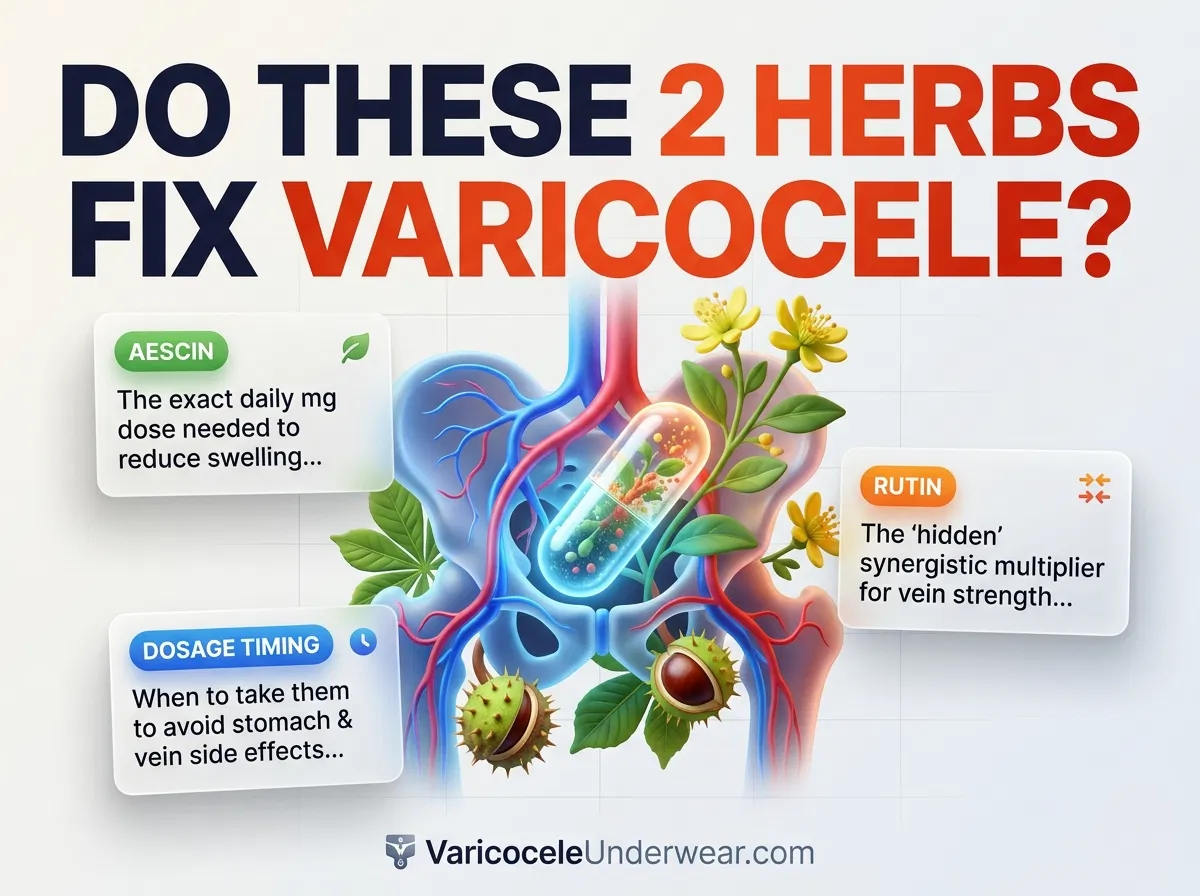
Plant extracts have long been studied for their ability to support weakened vein walls, reduce fluid leakage, and improve venous circulation. For men researching horse chestnut and rutin varicocele supplements, two compounds deserve attention: aescin, the active component of horse chestnut seed extract, and rutin, a plant flavonoid associated with capillary protection. Both have properties that may support vascular health, particularly in conditions involving venous stasis, which means the pooling of blood caused by impaired venous return. However, their potential benefits for varicocele require careful interpretation. Evidence from chronic venous insufficiency cannot automatically be applied to enlarged scrotal veins, and neither supplement has been established as a treatment for varicocele or male infertility.
The Role of Venotonics in Vascular Health
Venotonics, also called phlebotonics, are substances investigated for their ability to improve venous tone and support the small blood vessels responsible for fluid exchange between tissues and circulation. Venous tone describes the natural tension within a vein’s muscular wall. When this tone is reduced, veins may become more distended, allowing blood to collect rather than return efficiently toward the heart. In varicocele, the problem involves enlarged veins within the pampiniform plexus, a network of vessels surrounding the testicular artery. Faulty venous valves allow blood to flow backward, creating reflux and increased venous pressure. This can contribute to scrotal heaviness, aching, and, in some men, impaired testicular function. Venotonic compounds are interesting because they may influence vascular permeability, inflammation, and vein-wall tension. However, there is currently insufficient clinical evidence to recommend them as standard varicocele treatment. Men interested in aescin for venous stasis should understand that most supporting human research concerns leg veins affected by chronic venous insufficiency, not the testicular venous circulation.
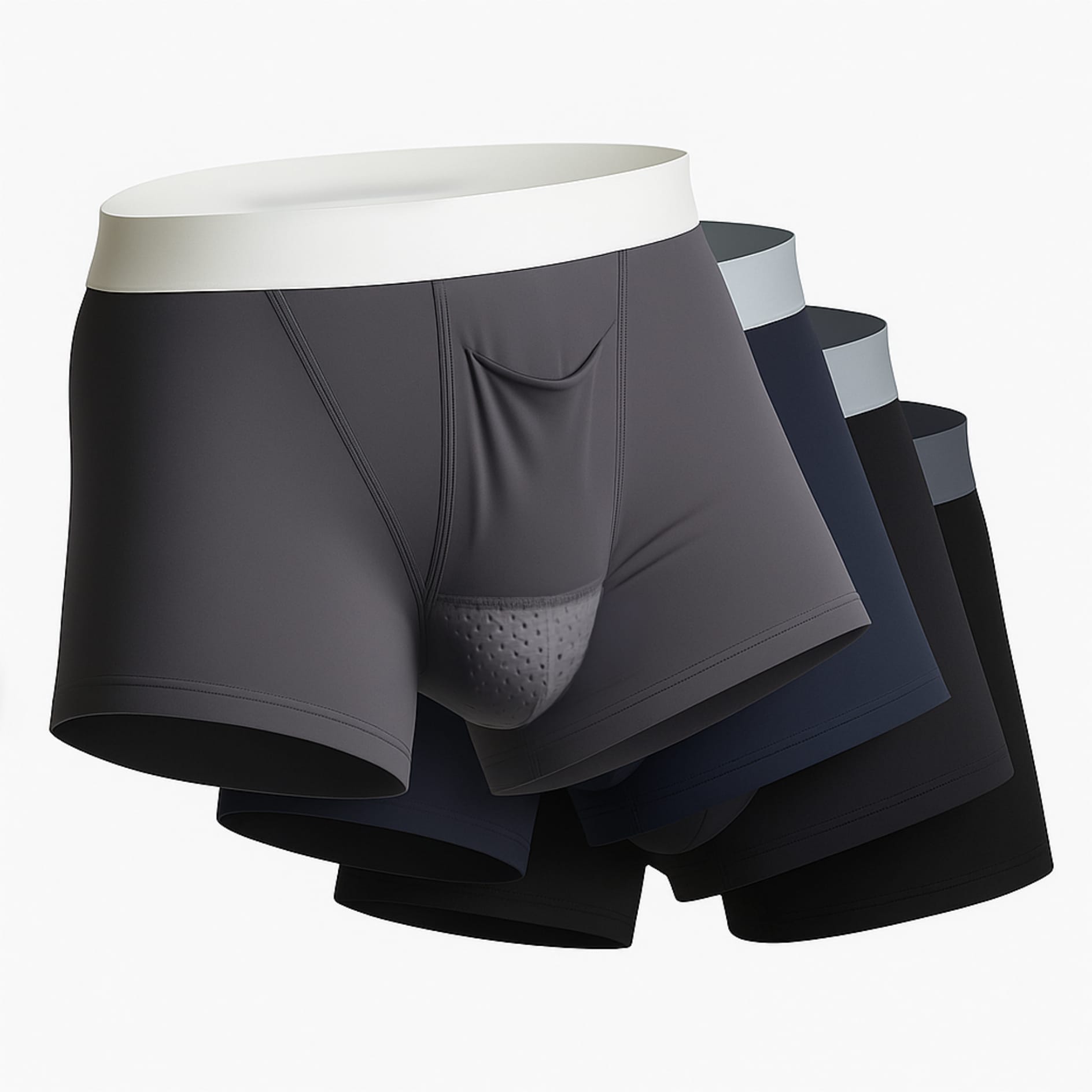
A naturopathic approach to vascular support may combine nutritional measures, carefully selected supplements, and external mechanical support. Oral venotonics such as aescin are investigated for their potential to support vessel-wall function from within, while mechanical elevation from ergonomic varicocele underwear for venous health provides external scrotal support. These approaches address different aspects of comfort and circulation. Supportive underwear can reduce downward pulling, limit excessive movement, and make prolonged standing or physical activity more comfortable. It does not repair damaged venous valves or eliminate reflux. Similarly, supplements should not be presented as a substitute for medical assessment. Men looking for additional guidance can review these anti-inflammatory dietary strategies for vein health, which emphasize balanced nutrition rather than relying on a single botanical ingredient.

Discover specialized varicocele underwear designed for daily comfort, support, and recovery — a more targeted option for men who want support without compromise.
Discover the Recommended OptionHorse Chestnut Extract (Aescin) Mechanisms
Horse chestnut (Aesculus hippocastanum) contains a group of naturally occurring compounds called escins, with aescin being the principal active component in standardized seed extracts. Pharmacological research suggests that aescin may increase venous tone, reduce capillary permeability, and limit inflammatory fluid accumulation. Capillary permeability describes how easily fluid passes through the walls of very small blood vessels into surrounding tissues. When excessive, this process can contribute to swelling. Aescin has been studied in chronic venous insufficiency, where clinical trials have reported improvements in symptoms such as leg discomfort and edema. Its proposed actions include supporting the integrity of endothelial cells, the cells lining blood vessels, and influencing inflammatory pathways. A detailed review of escin’s anti-edematous, anti-inflammatory, and venotonic pharmacology discusses these mechanisms and the available experimental evidence. Nevertheless, most mechanistic findings do not establish that oral aescin can reverse testicular venous reflux. Small studies involving varicocele and horse chestnut extract are not sufficient to confirm a reliable improvement in fertility, testicular temperature, or sperm quality.
For reference, clinical studies of standardized horse chestnut seed extract for chronic venous insufficiency have commonly used preparations delivering approximately 100 mg of aescin daily, often divided into two doses. This is a studied regimen for leg-vein symptoms, not an established venotonic dosage for swollen veins in the scrotum. Extract concentration, extraction method, and product quality can vary considerably. A label stating 300 mg of horse chestnut extract does not necessarily mean that the product contains 300 mg of aescin. Standardization is therefore essential when evaluating a supplement. Raw horse chestnut seeds, leaves, bark, and flowers should never be consumed because they contain toxic constituents. Only appropriately processed, standardized seed extracts with the toxic component removed should be considered, and even these require medical review before use. Possible adverse effects include digestive discomfort, headache, dizziness, and itching. Men taking prescription medication, particularly medicines that affect blood clotting, should discuss potential interactions with their healthcare professional before starting supplementation.
Rutin and Capillary Wall Strength
Rutin is a naturally occurring flavonoid found in foods such as buckwheat, citrus fruits, apples, and certain vegetables. It is also available as a dietary supplement. Flavonoids are plant compounds studied for their antioxidant and vascular effects. Rutin and its metabolites have been investigated for their potential to support capillary integrity, influence oxidative stress, and regulate inflammatory activity. Oxidative stress occurs when unstable molecules called free radicals accumulate faster than the body’s antioxidant defenses can control them. In theory, reducing excessive oxidative stress may help protect vascular tissues from cellular damage. This is relevant to varicocele because prolonged venous congestion can contribute to local inflammation, increased scrotal temperature, and oxidative stress within the testicular environment. However, laboratory findings and general vascular research should not be mistaken for proof of clinical benefit in men with varicocele. There is no established rutin dosage for treating scrotal venous reflux, improving sperm parameters, or preventing varicocele progression. Consequently, a specific therapeutic dose cannot responsibly be recommended. Obtaining flavonoids through a varied diet is reasonable, while concentrated supplements should be discussed with a qualified clinician.
Key Venotonic Ingredients and Clinical Dosages
The following table separates studied supplement quantities from doses that have actually been validated for varicocele. This distinction matters because men experiencing scrotal discomfort may be tempted to combine several products or increase their doses in the hope of obtaining faster results. More supplementation does not necessarily produce better vascular outcomes. The available evidence supports a cautious approach, with particular attention to standardized ingredients, medication interactions, and the absence of varicocele-specific dosing guidelines.
| Ingredient | Studied or Commonly Reported Amount | Potential Vascular Action | Evidence for Varicocele |
|---|---|---|---|
| Horse chestnut seed extract | Approximately 300 mg twice daily in certain standardized preparations | May support venous tone and reduce capillary fluid leakage | Insufficient clinical evidence |
| Aescin (escin) | Approximately 100 mg daily in studied chronic venous insufficiency regimens | Venotonic and anti-edematous properties | No established therapeutic dose |
| Rutin | No established clinical dose for varicocele | Antioxidant and potential capillary-protective activity | Insufficient human evidence |
| Vitamin C | Dietary requirements are preferable to high-dose supplementation | Supports normal collagen formation and antioxidant defenses | Not an established varicocele treatment |
Men concerned about testicular health should also understand that vascular supplements cannot replace a proper urological assessment. Current European Association of Urology and American Urological Association/American Society for Reproductive Medicine guidance bases varicocele management on clinical examination, fertility goals, symptoms, and semen analysis when appropriate. A palpable varicocele accompanied by infertility and abnormal semen parameters may warrant discussion of microsurgical repair or another established intervention. Men with fertility concerns may also benefit from reviewing supplements and nutritional considerations for male reproductive health, while recognizing that antioxidant supplementation has not been proven to resolve varicocele-related infertility. For everyday comfort, selecting the best supportive underwear for varicocele may help reduce physical discomfort during daily activities. Sudden severe testicular pain, particularly with swelling or nausea, requires emergency medical assessment because testicular torsion must be ruled out. A new or rapidly developing varicocele, especially on the right side, also deserves prompt medical evaluation.
The clinical takeaway: Horse chestnut extract and rutin offer interesting areas of botanical vascular research, but their role in varicocele management remains unproven. Standardized aescin has human evidence for certain symptoms of chronic venous insufficiency, whereas rutin has no validated varicocele-specific dosage. Men can discuss these ingredients with their urologist as possible complementary measures, provided safety, medication use, and individual medical history are reviewed. Mechanical scrotal support, sensible exercise, a balanced diet, and appropriate medical monitoring can help address everyday discomfort. When fertility is a concern, semen testing and a specialist assessment provide far more useful information than relying on supplement labels or assumed improvements in vein-wall strength.
Related Articles

Choose Varicocele Support Designed for Cooling, Lift, and Daily Comfort
You’ve seen why regular underwear often falls short. Now view the purpose-built option made to reduce heaviness, improve support, and feel comfortable enough for everyday wear.