Adjusting your daily drinking habits helps prevent sluggish blood flow in varicose veins and relieves the chronic scrotal heaviness that so many men quietly endure. When you live with an enlarged pampiniform venous plexus, gravity constantly pulls blood downward into your scrotum. Weakened vascular valves fail to push that volume back up toward the heart, creating venous reflux, increased scrotal warmth, and an aching sensation that worsens after hours on your feet. Establishing an optimal daily water intake varicocele routine provides your vascular system with the baseline fluid volume required to keep circulation moving freely. When blood moves without resistance, pressure inside the spermatic cord drops, directly lessening everyday discomfort. Implementing a dedicated hydration schedule for vein drainage transforms fluid consumption from an afterthought into a functional urological self-care strategy.
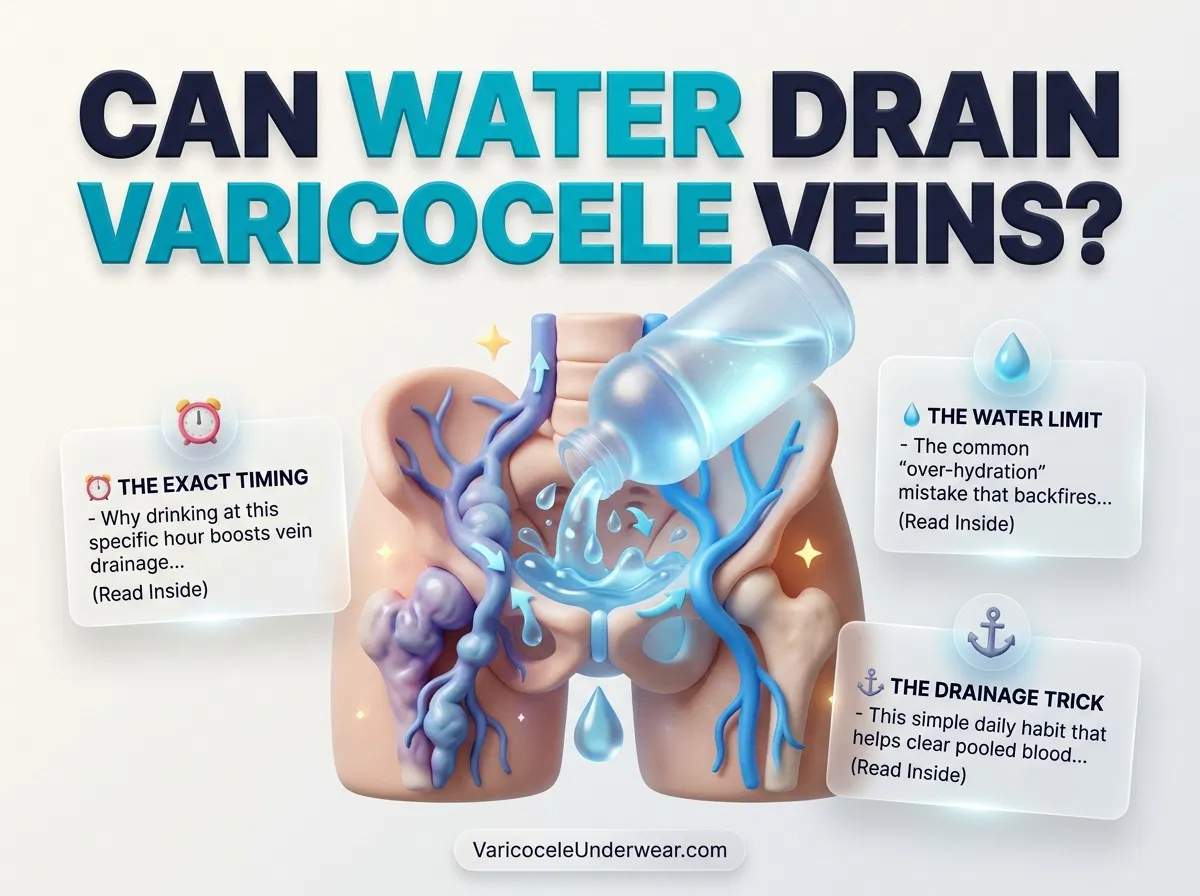
The Importance of Hydration for Blood Viscosity
Blood viscosity refers to the natural thickness, stickiness, and friction of circulating blood. The primary variable governing this physical thickness is hematocrit, which measures the percentage of red blood cells floating inside liquid plasma. Whenever your fluid reserves run low, plasma volume shrinks while the concentration of cellular solids rises. This phenomenon thickens your bloodstream, causing blood to travel slowly through narrow venous pathways. Examining the water impact on blood viscosity reveals that inadequate fluid levels force the cardiovascular system to generate higher pressures just to transport oxygenated red cells. Rigorous clinical hydration and hemodynamics studies demonstrate that acute water restriction increases whole-blood viscous resistance, whereas prompt rehydration restores smooth microvascular circulation. For a man managing dilated scrotal veins, even subtle shifts in systemic fluid balance alter how rapidly blood drains upward from the testicles. Reviewing the relationship between dehydration, varicocele symptoms, and blood viscosity confirms that thick, syrupy blood aggravates local vascular congestion.

Discover specialized varicocele underwear designed for daily comfort, support, and recovery — a more targeted option for men who want support without compromise.
Discover the Recommended OptionFluid volume directly governs how well veins dilate and recoil under gravitational stress. Within healthy urological anatomy, one-way valves inside the internal spermatic vein stop backward flow, allowing deoxygenated blood to ascend smoothly toward the left renal vein or inferior vena cava. When those internal venous valves stretch and fail, venous pooling occurs, raising intratesticular temperature and generating cellular stress. Both the American Urological Association and the European Association of Urology acknowledge that elevated scrotal temperatures interfere with spermatogenesis, reducing sperm count and motility over time. Maintaining sufficient plasma volume keeps red blood cells supple and less prone to clumping, which preserves endothelial nitric oxide production. Healthy vascular endothelium relies on steady laminar flow to signal vein walls to relax rather than spasm under localized strain. Gaining a deeper understanding of the overall hydration impact on varicocele allows you to protect cellular health and lessen inflammatory metabolic buildup inside the scrotum.
Preventing Hemoconcentration in Dilated Veins
Hemoconcentration occurs when plasma water escapes into tissues or is lost through sweat and respiration without timely replacement. This loss concentrates circulating cells, proteins, and platelets within the vascular lumens. In normal muscular veins, regular physical contractions squeeze blood back toward the core circulation. In the scrotum, however, the pampiniform plexus lacks robust surrounding musculature, relying almost entirely on passive pressure gradients and the competence of the vascular channel. When hemoconcentration sets in, dense, slow-moving blood pools in the widened vein pockets. That physical stagnation elevates hydrostatic pressure, irritating delicate sensory nerve fibers in the spermatic cord and producing that unmistakable dull ache at the end of the day. Consistent water intake prevents cellular aggregation, meaning red blood cells glide individually rather than binding into sluggish clusters. Knowing how to reduce varicocele symptoms without surgery begins with these foundational physiological interventions that systematically lower hydrostatic resistance and facilitate effortless drainage.
Daily Water Intake Schedule for Men with Varicocele: Hydration Schedule for Vein Drainage
Drinking adequate fluid requires tactical timing rather than mindless chugging. Consuming an entire liter of water in a single sitting simply triggers rapid kidney filtration, resulting in frequent bathroom visits without lasting cellular rehydration. A structured daily water intake varicocele program spreads fluid consumption across distinct physiological windows. This rhythmic schedule maintains steady plasma levels throughout the workday when gravity exerts maximum hydrostatic pull on your pelvic veins. Most adult men require between 2.5 and 3.5 liters of total fluid each day, adjusted for climate, physical labor, and metabolic output. By consuming water in calibrated increments between meals, you avoid digestive discomfort while keeping blood vessels sufficiently expanded. The following table provides a practical timeline to support continuous venous return from morning to night.
| Time Window | Hydration Target & Fluid Type | Hemodynamic Goal for Pampiniform Veins |
|---|---|---|
| 06:30 AM – 08:00 AM | 500 ml (16 oz) room-temperature water with a pinch of unrefined sea salt | Replaces overnight respiratory fluid losses, dilutes concentrated morning blood, and stimulates upward venous return before you stand. |
| 09:30 AM – 11:30 AM | 500 to 750 ml filtered water or unsweetened herbal infusion | Offsets early hydrostatic pooling caused by prolonged desk seating or standing, maintaining steady microvascular velocity. |
| 12:30 PM – 02:00 PM | 350 to 500 ml water sipped steadily between meals | Maintains systemic plasma volume during postprandial splanchnic blood redirection without diluting digestive stomach acid. |
| 03:30 PM – 05:00 PM | 500 to 750 ml water infused with dietary electrolytes (potassium, magnesium) | Counters the classic late-afternoon venous slump, cooling testicular microcirculation and preventing peak diurnal vascular pressure. |
| 06:30 PM – 08:00 PM | 350 to 500 ml plain water with your evening meal | Supports muscle recovery following daily exertion and prepares lower-body venous channels for recumbent rest. |
| 09:00 PM – 10:30 PM | 150 to 200 ml water taken in small sips | Supplies overnight baseline hydration to ward off nocturnal hemoconcentration without disrupting restorative sleep cycles. |
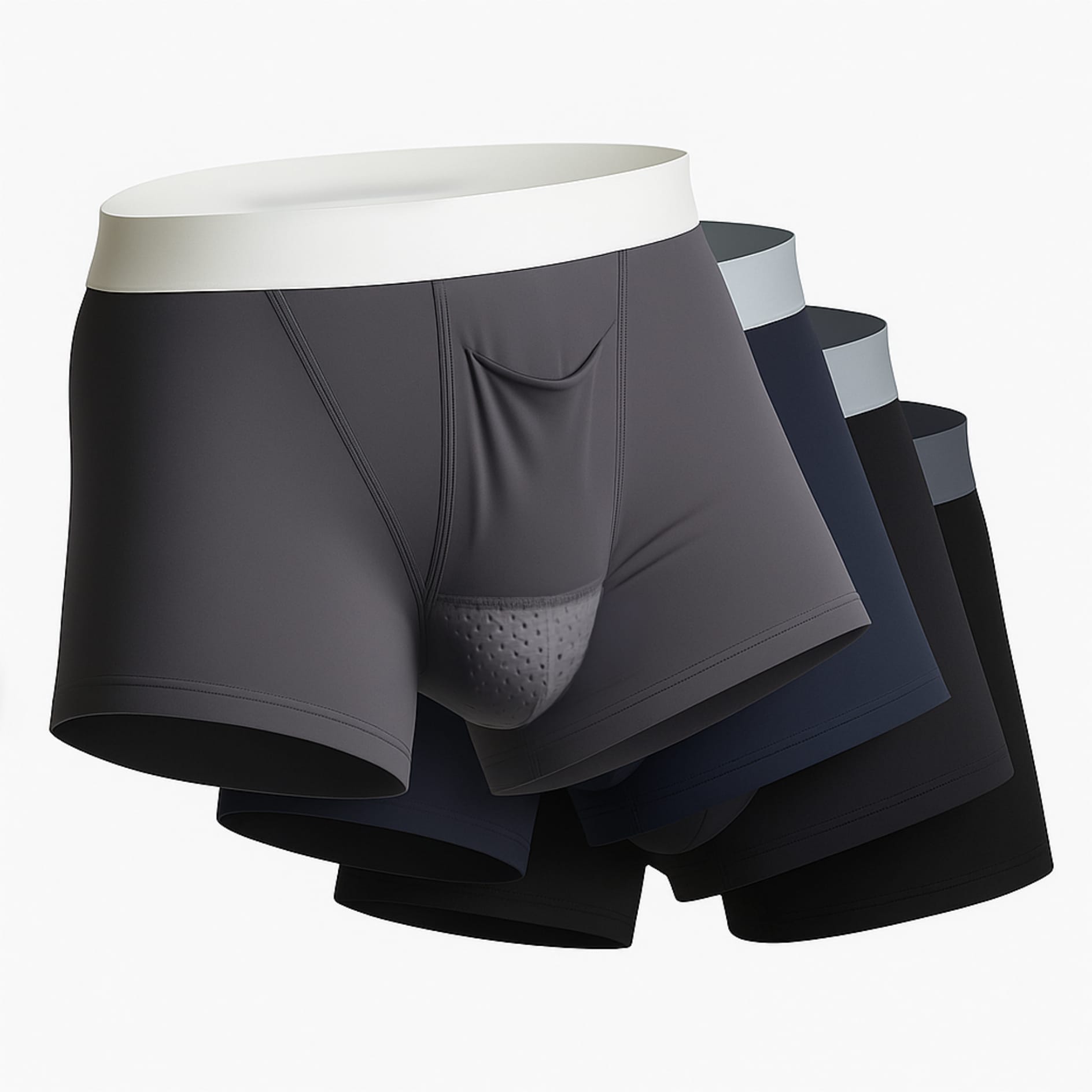
Internal fluid volume works hand-in-hand with physical scrotal elevation to produce noticeable relief from venous pooling. While drinking sufficient water lowers internal blood thickness, physical elevation directly counteracts the gravitational drag that stretches weakened spermatic walls. VaricoceleUnderwear™ serves as the external mechanical partner that keeps lower-limb and pelvic blood circulating smoothly during long periods of standing or seated desk work. Wearing specialized hydration and vascular health varicocele apparel lifts the scrotal sac, minimizing the vertical height of the venous column and easing the workload on struggling valves. Combining internal fluid management with the best varicocele underwear creates an optimal hemodynamic environment where thinned, well-hydrated blood drains upward without accumulating excess heat or causing dragging testicular aches.
Monitoring your hydration status requires straightforward clinical indicators that you can verify daily. Checking urine color offers immediate feedback on your blood volume: a pale straw tone confirms ideal hydration, while dark yellow points toward developing hemoconcentration. Be mindful of lifestyle beverages that distort fluid balance. Excessive caffeine, energy drinks, and alcohol irritate bladder tissue, speed fluid excretion, and trigger rapid vascular dehydration that leaves veins vulnerable to sluggish pooling. Pairing structured water consumption with proper electrolyte intake ensures fluid actually moves into your vascular spaces rather than passing straight through. Managing a varicocele involves genuine physical discomfort and understandable fertility worries, yet simple physiological habits deliver dependable daily control over your vascular health. Sticking to a consistent hydration schedule for vein drainage restores healthy hemodynamics, cools the scrotum, and protects long-term urological comfort.
Related Articles



Choose Varicocele Support Designed for Cooling, Lift, and Daily Comfort
You’ve seen why regular underwear often falls short. Now view the purpose-built option made to reduce heaviness, improve support, and feel comfortable enough for everyday wear.