When you live with a varicocele, daily scrotal ache and heaviness often feel unpredictable. One day the dull throbbing is manageable, and the next day it drags you down by midafternoon. A frequently overlooked trigger for this flare-up is systemic fluid balance. The direct link between blood viscosity and varicocele discomfort comes down to simple fluid mechanics: when you do not drink enough water, your plasma volume drops, your hematocrit climbs, and your blood becomes noticeably thicker. Because the valves inside the pampiniform venous plexus already struggle against gravity, this thick blood scrotal vein congestion stalls upward drainage. As dehydration elevates venous pressure inside the scrotum, the swollen veins distend even further, trapping heat around the testicles and magnifying discomfort. Understanding how fluid intake dictates hemodynamic flow offers a clear, actionable pathway toward daily scrotal relief.
Blood Viscosity and Venous Circulation
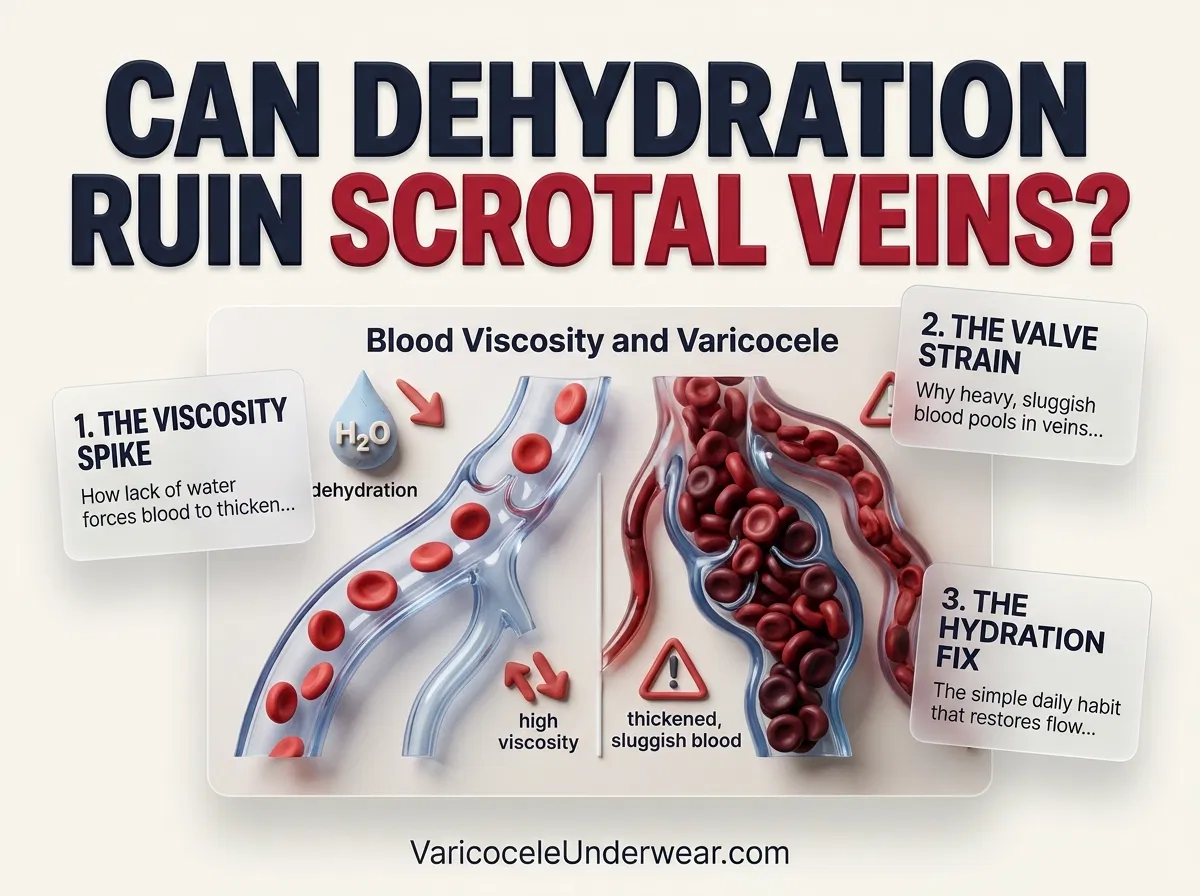
To understand why water intake matters for scrotal health, you must look at how blood flows through the human circulatory tree. Blood is not a simple liquid like water; it is a non-Newtonian fluid consisting of cellular elements suspended in liquid plasma. The ratio of red blood cells to total volume is known as hematocrit. Viscosity measures the internal friction of this fluid, representing how resistant the blood is to flowing freely through vessels. In healthy vascular pathways, steady cardiac pumping and competent valve leaflets keep blood shearing smoothly against the endothelium. Established hematological viscosity research confirms that oral fluid restriction quickly spikes whole blood viscosity, altering microvascular resistance and slowing flow rates throughout peripheral capillary beds.
The physics of fluid movement are described by Poiseuille’s Law, which demonstrates that flow resistance is directly related to fluid thickness. When blood viscosity rises, the force required to propel that liquid upward multiplies. In arteries, high pressure generated by the heart overcomes this resistance with relative ease. In low-pressure venous return pathways, however, flow relies on pressure gradients, surrounding muscle tone, and one-way valves. In the male pelvis and scrotum, blood within the testicular vein must climb straight up into the left renal vein or the inferior vena cava against continuous downward gravitational pull.
When a varicocele develops, the tiny valves within the internal spermatic vein fail or stretch, allowing backward reflux. This venous incompetence transforms a rapid drainage pathway into a stagnant reservoir. If blood is thin and properly hydrated, it continues to trickle upward despite the faulty valves. But when dehydration thickens that blood, red blood cells aggregate, forming cellular stacks known as rouleaux. These formations exponentially raise viscous drag right at the low-shear zones of the pampiniform plexus. Exploring the clinical details of dehydration varicocele symptoms and blood viscosity shows that systemic fluid deficits directly exacerbate this mechanical failure, turning an occasional ache into persistent throbbing.

Discover specialized varicocele underwear designed for daily comfort, support, and recovery — a more targeted option for men who want support without compromise.
Discover the Recommended OptionHow Dehydration Thickens Scrotal Blood
Dehydration is rarely an all-or-nothing condition; it occurs along a continuous spectrum. Even a subtle 1 to 2 percent loss of body water initiates hemoconcentration. Because your body must maintain central arterial pressure to preserve organ perfusion, it conserves water by drawing fluid out of venous pools and reducing total plasma volume. The red blood cells, white blood cells, and platelets remain identical in count, but they now crowd into a smaller volume of plasma. This causes the blood to become dense, sticky, and sluggish.
Within the scrotum, this hemoconcentration triggers immediate hemodynamic consequences. The pampiniform plexus is an intricate network of small veins that wrap around the testicular artery. In a normal state, this structure works as a biological radiator, pulling heat away from warm arterial blood before that blood reaches the testicle. This mechanism keeps scrotal tissue roughly 2 to 3 degrees Celsius below core body temperature, an absolute physiological requirement for healthy sperm development and normal testosterone synthesis.
When sluggish flow sets in, warm blood stalls in the pampiniform plexus. Instead of cooling the incoming arterial supply, the congested venous blood radiates heat directly back into the testicle. As outlined in our guide on the hydration impact on varicocele symptoms, chronic hypohydration keeps this vascular network persistently engorged. The prolonged stasis generates oxidative stress, allows toxic metabolic byproducts to accumulate, and stretches the venous walls, creating the classic heavy, dragging sensation that men report after hours of standing or sitting without water.
Hydration Levels vs. Blood Viscosity Effects
The physiological relationship between daily hydration status, blood thickness, and venous congestion can be tracked across distinct clinical stages. The following table illustrates how varying degrees of fluid loss directly alter testicular hemodynamics:
| Hydration Status | Hematocrit & Viscosity Changes | Impact on Pampiniform Plexus | Typical Patient Symptoms |
|---|---|---|---|
| Optimal Hydration (Euhydration) | Normal hematocrit (40% to 45%); baseline whole blood viscosity. | Smooth laminar flow; countercurrent cooling functions properly; minimal venous pooling. | Minimal to no dull ache; scrotum feels light and comfortable throughout the day. |
| Mild Hypohydration (1% to 2% fluid deficit) | Plasma volume drops 3% to 5%; mild increase in low-shear viscosity; slight red blood cell aggregation. | Venous drainage velocity slows; mild dilation of incompetent spermatic veins under gravity. | Late afternoon fullness; subtle warmth; low-grade throbbing after prolonged standing. |
| Moderate Dehydration (3% to 5% fluid deficit) | Plasma volume declines 8% to 10%; significant increase in whole blood viscosity and rouleaux formation. | Severe venous stasis; blood pools heavily in pampiniform veins; countercurrent cooling fails. | Noticeable scrotal heaviness, sharp dragging ache, visible vein engorgement, elevated scrotal skin temperature. |
| Chronic Low Fluid Intake | Persistent elevation in blood viscosity; reduced capillary shear rate; sustained venous hypertension. | Long-term endothelial stretch; elevated intratesticular hydrostatic pressure; increased oxidative stress. | Continuous daily discomfort; heat sensitivity; exercise intolerance; progressive worries regarding fertility parameters. |
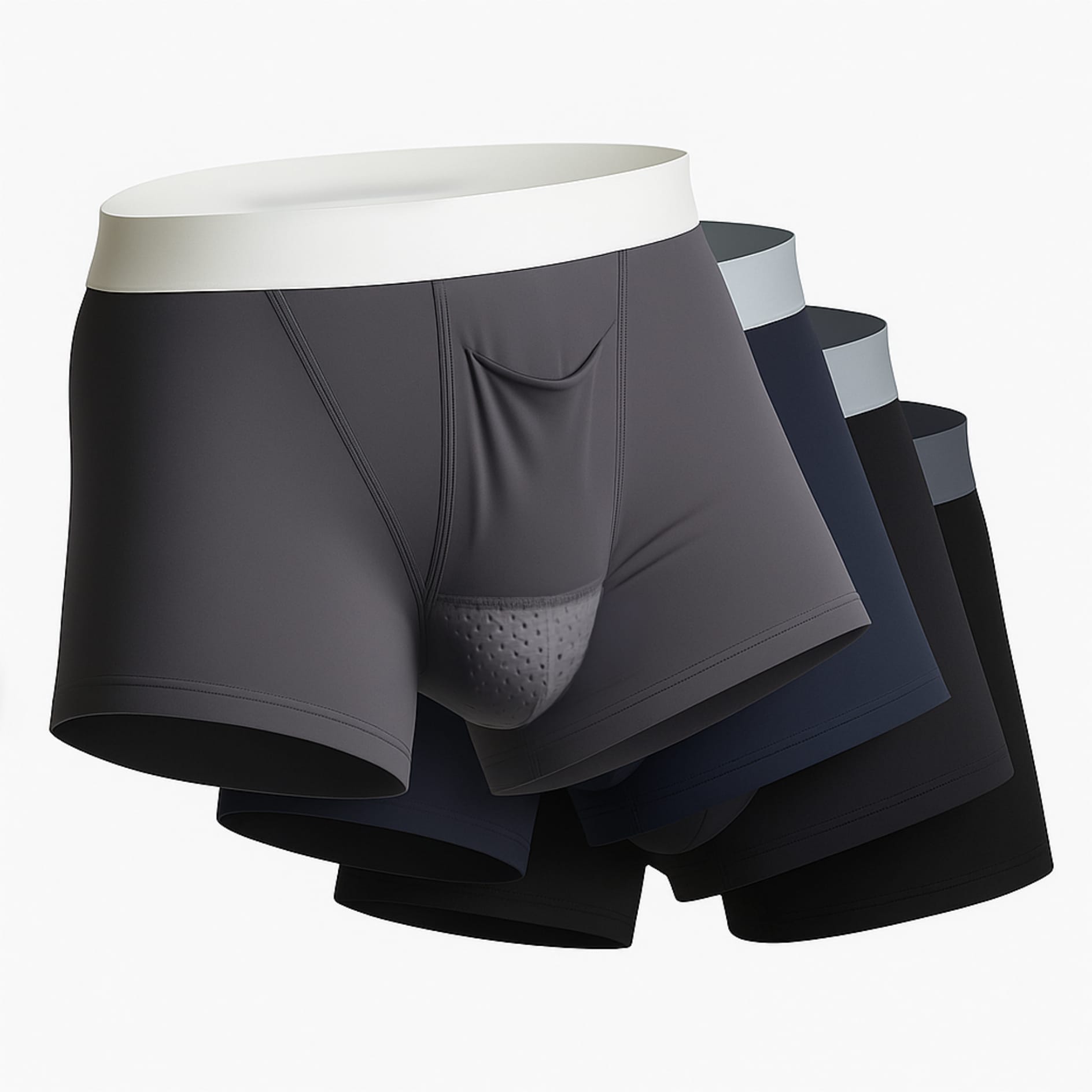
Overcoming sluggish pampiniform flow requires an approach that pairs internal fluid mechanics with external physical support. When you restore optimal hydration, you thin your blood plasma, break apart red blood cell clusters, and reduce the internal resistance of the fluid column. However, hydration alone cannot repair stretched venous valves that allow blood to slip backward toward the scrotum. Alongside optimal hydration, mechanical elevation from VaricoceleUnderwear.com keeps thick venous blood moving upwards by counteracting gravity and lifting the scrotal sac into an anatomically favorable position. Utilizing specialized therapeutic varicocele support garments provides the continuous upward lift and thermal regulation needed to prevent pooling. This dual strategy tackles both the rheological thickness of the blood and the physical architecture of the scrotum, creating an environment where veins drain efficiently without excessive hydrostatic pressure.
For men seeking how to reduce varicocele symptoms without surgery, addressing hemodynamics is one of the most reliable non-invasive steps available. When evaluating lifestyle adjustments, finding and wearing the best varicocele underwear works synergistically with your hydration schedule. By physically supporting the testes while keeping the scrotal skin cool, these garments eliminate the mechanical pull on congested spermatic cords, offering sustained comfort during long work shifts, workouts, and travel.
Daily Hydration Targets for Vein Health
Maintaining optimal blood viscosity is not simply about chugging gallons of plain water in a single sitting. If you drink massive quantities of distilled or low-mineral water rapidly, your kidneys quickly excrete the excess through urination without substantially expanding your intravascular plasma volume. A smart hydration protocol for venous health centers on steady, paced fluid absorption balanced with essential electrolytes like sodium, potassium, and magnesium. These minerals maintain osmotic balance, holding water inside the vascular compartment where it keeps blood thin and flowing.
A practical starting target for most active adult men is between 2.5 and 3.5 liters of total fluid per day, adjusted for climate, physical exertion, and sweat rates. To gauge your hydration status accurately, look at your urine color rather than relying entirely on thirst. Thirst is a delayed physiological indicator that often emerges only after your blood has already thickened. Your urine should reflect a pale, straw-like yellow. If it appears dark like apple juice, your plasma volume has decreased and your scrotal veins are already facing increased flow resistance.
Be mindful of daily dietary habits that promote fluid loss. High intake of caffeinated energy drinks, excessive espresso, and evening alcohol can act as diuretics that deplete plasma volume overnight. If you start your morning dehydrated, your testicular veins begin the day under elevated hydrostatic strain before you even stand up out of bed. Begin each morning with 16 to 20 ounces of water containing a pinch of unprocessed sea salt or an electrolyte blend to quickly restore blood volume after sleep. Combining consistent, mineral-rich hydration with scrotal support establishes an everyday physiological barrier against venous congestion, protecting testicular temperature, comfort, and reproductive vitality.
Related Articles


Choose Varicocele Support Designed for Cooling, Lift, and Daily Comfort
You’ve seen why regular underwear often falls short. Now view the purpose-built option made to reduce heaviness, improve support, and feel comfortable enough for everyday wear.