Many men living with a varicocele recognize the classic triggers of scrotal discomfort, such as prolonged standing, heavy lifting, or late afternoon fatigue. However, fluid balance is a frequently overlooked factor that directly influences daily testicular discomfort. When daily fluid intake falls short, blood volume decreases and blood viscosity increases. Understanding dehydration varicocele symptoms helps clarify why testicular vein pain often spikes on hot days or after intense physical activity. Thin, well-hydrated blood glides smoothly through the circulatory system, whereas concentrated blood moves slowly through impaired testicular veins. Conservative symptom management relies on maintaining smooth vascular flow alongside proper physical support. By addressing fluid balance and venous pressure together, you can noticeably reduce daily throbbing and aching. This guide explains how fluid levels affect blood thickness, why vascular congestion causes pain, and how non-invasive daily habits provide practical relief.
The Vascular Link Between Hydration and Venous Flow
The male reproductive system relies on a delicate network of blood vessels known as the pampiniform plexus. This network drains deoxygenated blood from the testicles back toward the heart. In a healthy system, small one-way valves inside these veins keep blood moving upward against gravity. When these valves stretch or fail, blood pools in the scrotum, creating a varicocele. While structural valve failure is the main cause, the thickness of your blood dictates how easily that trapped fluid flows.
Medical research on hemorheological responses to fluid intake shows that body water loss directly increases whole blood viscosity. Viscosity measures a fluid’s internal friction or resistance to flow. When you are dehydrated, your plasma volume drops while red blood cells remain dense. This higher cell concentration makes the blood thick and sluggish. If you want to understand the full hydration impact on varicocele health, you must look at how thick fluid behaves inside compromised veins.
When thick blood passes through healthy, high-pressure arteries, the heart easily pumps it along. However, the testicular venous system operates under much lower pressure. When sluggish blood enters dilated, low-pressure veins, flow slows down dramatically. This friction creates localized pressure spikes, leading to distinct varicocele pain patterns such as a persistent dull ache or heavy pulling feeling in the scrotum.
| Vascular Parameter | Optimal Hydration State | Dehydrated State |
|---|---|---|
| Plasma Volume | Normal / Expanded | Reduced |
| Whole Blood Viscosity | Low (Smooth Flow) | High (Sluggish Flow) |
| Venous Resistance | Minimal | Elevated |
| Pampiniform Congestion | Reduced Blood Pooling | Increased Stagnation & Pain |
How Thick Blood Worsens Scrotal Vein Congestion and Dehydration Varicocele Symptoms
To understand why blood viscosity worsens scrotal discomfort, consider basic fluid dynamics. Testicular veins carry blood upward over a significant distance. On the left side, the testicular vein connects directly to the left renal vein at a perpendicular angle, creating high hydrostatic column pressure. When one-way valves break down, gravity continuously pulls blood downward into the scrotum.

Discover specialized varicocele underwear designed for daily comfort, support, and recovery — a more targeted option for men who want support without compromise.
Discover the Recommended OptionAccording to Poiseuille’s Law of fluid flow, resistance within a vessel is directly proportional to fluid viscosity. When dehydration raises blood viscosity, resistance inside stretched veins increases exponentially. Thick, concentrated blood struggles to climb the vertical pathway back toward the abdomen. Instead, stagnant blood collects in the pampiniform plexus, causing vascular congestion.
Vascular congestion stretches vein walls and irritates surrounding pain fibers in the spermatic cord. Stagnant blood also traps heat and metabolic waste around the testicle, increasing localized temperature. The American Urological Association clinical guidelines note that symptomatic varicoceles frequently present with dull, aching scrotal discomfort that intensifies throughout the day, particularly during warm weather or physical exertion when fluid loss is high.
Mechanical Lift and Proper Hydration: A Dual Conservative Strategy
Managing daily discomfort requires addressing both the internal fluid mechanics and external gravity. Hydration works internally by lowering blood viscosity, allowing fluid to glide smoothly through blood vessels. However, drinking water alone cannot repair damaged venous valves or eliminate gravity’s downward pull on a hanging scrotum.
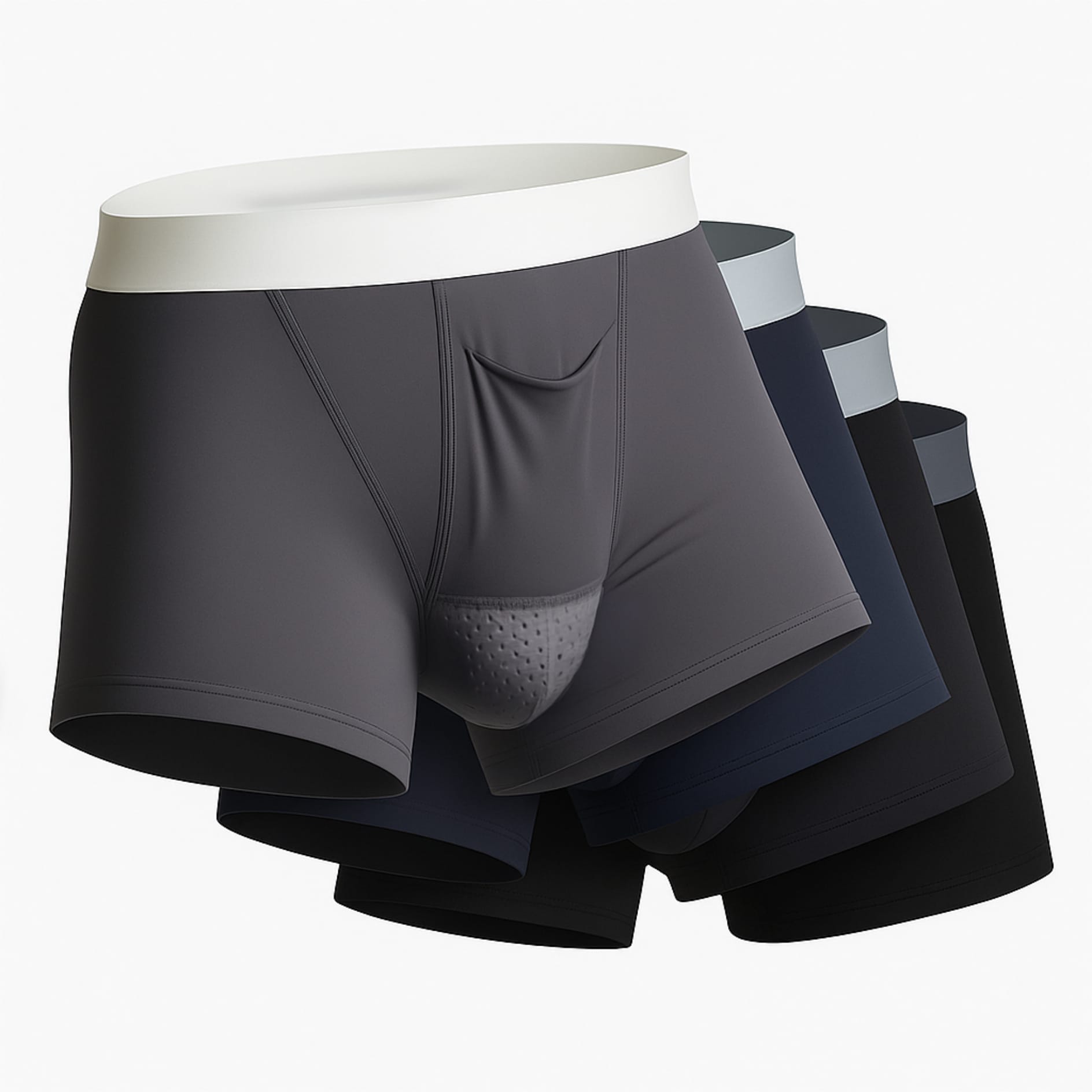
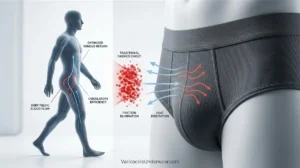
Combining optimal fluid intake with mechanical elevation provides targeted daily relief. Elevating the scrotum shortens the vertical column that blood must climb, lowering overall hydrostatic pressure. Utilizing dedicated varicocele support underwear lifts the scrotum upward and forward against the body. This structural lift counteracts gravity and eases the burden on congested veins while low-viscosity blood drains back toward the body’s core.
It is crucial to maintain realistic expectations regarding conservative care. Wearing supportive garments and maintaining proper hydration significantly decreases daily throbbing and pressure. However, these habits do not physically alter underlying vascular anatomy or cure structural valve damage. Understanding the physics of scrotal support helps men manage daily symptoms without expecting permanent structural corrections from non-invasive methods.
Simple Lifestyle Adjustments for Daily Pain Relief
Integrating targeted daily habits helps reduce blood viscosity and minimize scrotal venous strain throughout the day:
- Consistent Fluid Intake: Drink water continuously throughout the day rather than chugging large amounts at once. Aim for clear or pale-yellow urine to confirm healthy hydration levels.
- Electrolyte Balance: Include essential minerals like potassium and magnesium during hot weather or workouts to maintain proper plasma volume balance.
- Anti-Inflammatory Nutrition: Incorporate berries, leafy greens, and citrus fruits. Pairing proper fluid intake with anti-inflammatory foods for vein health protects vascular tissue from oxidative stress.
- Elevation Breaks: Lie flat with your pelvis slightly elevated for 10 to 15 minutes after workouts or long work shifts to encourage natural venous drainage.
- Proper Garment Support: Avoid loose boxers or restrictive tight underwear. Wear ergonomically designed support garments that provide lift without compressing pelvic blood flow.
Frequently Asked Questions
How does dehydration make testicular vein pain worse?
Dehydration reduces blood plasma volume, making whole blood thicker and more viscous. In stretched testicular veins with broken valves, thick blood struggles to flow upward against gravity. This sluggish flow increases venous pooling, vascular congestion, and localized pressure on sensitive nerve endings, resulting in heightened scrotal pain.
Can drinking more water cure a varicocele?
No, drinking water cannot cure a varicocele. Increased fluid intake lowers blood viscosity and improves venous circulation, which reduces daily aching and throbbing. However, hydration does not repair the stretched vein walls or malfunctioning internal valves that cause varicoceles in the first place.
How do supportive garments work with proper hydration to relieve scrotal congestion?
Proper hydration keeps blood thin and free-flowing internally, while supportive garments provide physical elevation externally. Lifting the scrotum reduces the distance blood must travel upward against gravity. Together, these two conservative measures reduce hydrostatic pressure inside the pampiniform plexus and relieve daily discomfort.
Practical Takeaway
Managing varicocele discomfort requires a combined approach that targets both internal fluid mechanics and external physical forces. Drinking sufficient water keeps blood viscosity low and prevents sluggish venous pooling, while ergonomic scrotal support counteracts gravity to ease physical vein pressure. Incorporate consistent daily hydration, vascular-friendly nutrition, and reliable structural support to maintain comfort throughout your daily routine.
Related Articles
Choose Varicocele Support Designed for Cooling, Lift, and Daily Comfort
You’ve seen why regular underwear often falls short. Now view the purpose-built option made to reduce heaviness, improve support, and feel comfortable enough for everyday wear.