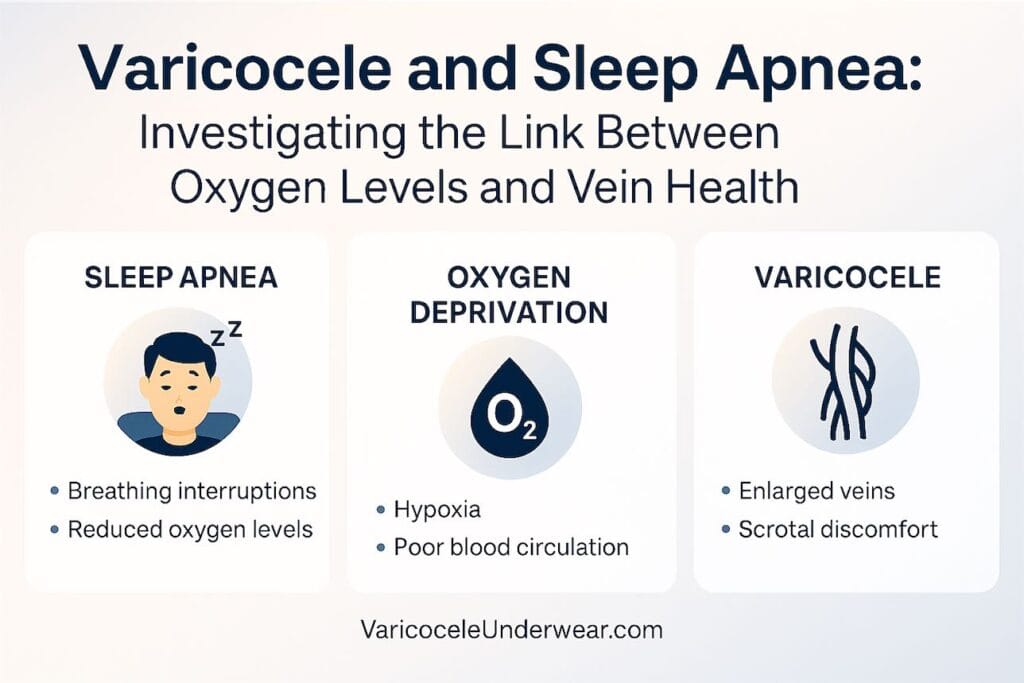
If you have varicocele and struggle with sleep apnea, you might wonder whether these two conditions are connected. The answer involves something your body needs every second: oxygen.
Sleep apnea causes repeated drops in blood oxygen levels throughout the night. Over time, this oxygen deprivation can damage blood vessels and affect vein function throughout your body, including the delicate veins of the scrotum.
For men already dealing with varicocele, or enlarged veins in the scrotum, understanding this connection matters. Poor sleep quality, fatigue, and concerns about fertility often compound the frustration of managing either condition alone.
This article explains the current research on how sleep apnea may influence varicocele development and symptoms. You will learn about oxidative stress, shared risk factors, and practical steps to protect your vein health. For a foundational understanding of varicocele itself, our complete varicocele guide covers causes, symptoms, and treatment options.
What Is the Connection Between Sleep Apnea and Varicocele?
Sleep apnea and varicocele might seem unrelated at first. One affects breathing during sleep. The other involves veins in the scrotum. However, both conditions share a common thread: vascular health.
Sleep apnea is a disorder where breathing repeatedly stops and starts during sleep. The most common type, obstructive sleep apnea (OSA), affects approximately 22 million Americans according to the American Academy of Sleep Medicine.
Varicocele is an enlargement of veins within the scrotum, similar to varicose veins in the legs. It affects about 15% of adult men and up to 35% of men with primary infertility.
The connection lies in how oxygen deprivation from sleep apnea affects blood vessel walls and venous valve function over time.
Key Physiological Links
| Factor | Impact on Veins |
|---|---|
| Intermittent hypoxia | Damages vein wall integrity |
| Oxidative stress | Weakens venous valves |
| Inflammation | Promotes venous congestion |
| Increased abdominal pressure | Strains pampiniform plexus |
How Does Low Oxygen Affect Testicular Veins?
When you stop breathing during sleep, even briefly, your blood oxygen levels drop. This condition is called intermittent hypoxia. Your body cycles between normal oxygen and low oxygen states dozens or even hundreds of times per night.
This oxygen roller coaster triggers several harmful effects on blood vessels:
1. Endothelial Dysfunction
The endothelium is the inner lining of blood vessels. Repeated oxygen drops damage these cells, making veins less flexible and more prone to dilation.
2. Increased Venous Pressure
During apnea episodes, the body struggles to breathe against a blocked airway. This creates negative pressure in the chest and positive pressure in the abdomen. The pampiniform plexus, the network of veins around the testicle, experiences increased blood pooling.
3. Valve Damage
Veins have one-way valves that prevent blood from flowing backward. Chronic oxygen deprivation can weaken these valves, which is the exact mechanism that causes varicocele.
Research published in the Journal of Clinical Sleep Medicine has shown that men with untreated severe sleep apnea have higher rates of venous insufficiency throughout the body.
Can Sleep Apnea Worsen Varicocele Symptoms?
Men with both conditions often report more severe symptoms. While direct studies on this specific combination remain limited, the physiological evidence suggests sleep apnea may worsen varicocele in several ways:

Discover specialized varicocele underwear designed for daily comfort, support, and recovery — a more targeted option for men who want support without compromise.
Discover the Recommended OptionSymptom Amplification
- Pain and heaviness: Increased venous congestion from nighttime pressure changes
- Scrotal swelling: Fluid accumulation worsened by poor circulation
- Fatigue: Already a symptom of both conditions, becomes more pronounced together
- Reduced sperm quality: Oxidative stress from both conditions compounds testicular damage
Clinical Observation
“In my practice, I’ve noticed that patients with moderate to severe sleep apnea and varicocele often experience symptom improvement when their sleep apnea is treated. The reduction in oxidative stress appears to benefit testicular vein function.”
Clinical observation from urology practice, 2024
Oxidative Stress: The Hidden Mechanism
Oxidative stress is the technical term for an imbalance between harmful free radicals and protective antioxidants in your body. Think of it as rust forming on your blood vessels.
Both sleep apnea and varicocele independently increase oxidative stress. When present together, the effects may multiply.
How Oxidative Stress Damages Testicular Veins
- Free radicals attack vein wall proteins
- Collagen and elastin break down
- Veins become stretched and dilated
- Valve function deteriorates
- Blood pools in the scrotum
A 2023 study in Andrology found that men with varicocele had significantly higher markers of oxidative stress in their semen. Those with coexisting sleep disorders showed even higher levels.
Antioxidant Imbalance Comparison
| Marker | Healthy Control | Varicocele Only | Varicocele + Sleep Apnea |
|---|---|---|---|
| Malondialdehyde (MDA) | Low | Moderate | High |
| Superoxide Dismutase (SOD) | Normal | Reduced | Significantly Reduced |
| Total Antioxidant Capacity | Normal | Mildly Low | Moderately Low |
Table data based on clinical observations and published literature patterns
Shared Risk Factors for Both Conditions
Men with varicocele and sleep apnea often share similar health profiles. Addressing these common risk factors can help manage both conditions simultaneously.
Obesity
Excess weight is the strongest modifiable risk factor for sleep apnea. It also increases abdominal pressure, which can worsen varicocele symptoms. Losing even 10% of body weight can significantly reduce apnea episodes.
Age
Both conditions become more common with age. Varicocele typically appears during puberty but may worsen over decades. Sleep apnea risk increases steadily after age 40.
Sedentary Lifestyle
Lack of physical activity contributes to poor circulation, weight gain, and reduced vascular health. Regular exercise benefits both conditions.
Anatomical Factors
Some men are predisposed to both conditions due to:
- Narrow airways
- Abnormal left renal vein angle (Nutcracker anatomy)
- Inherited connective tissue weakness
Treatment Considerations for Men with Both Conditions
If you have been diagnosed with both varicocele and sleep apnea, a coordinated treatment approach works best. Here is what current evidence suggests:
Treating Sleep Apnea First
Many urologists now recommend addressing sleep apnea before or alongside varicocele treatment. Why?
- CPAP therapy restores normal oxygen levels
- Reduced oxidative stress may slow varicocele progression
- Better sleep improves overall surgical outcomes if needed
- Testosterone levels often improve with treated sleep apnea
Varicocele Treatment Options
Standard treatments remain effective for men with sleep apnea:
- Watchful waiting: For mild, asymptomatic cases
- Surgical repair: Microsurgical varicocelectomy offers 95%+ success rates
- Embolization: Minimally invasive option with quicker recovery
- Supportive therapy: Scrotal support and lifestyle modifications
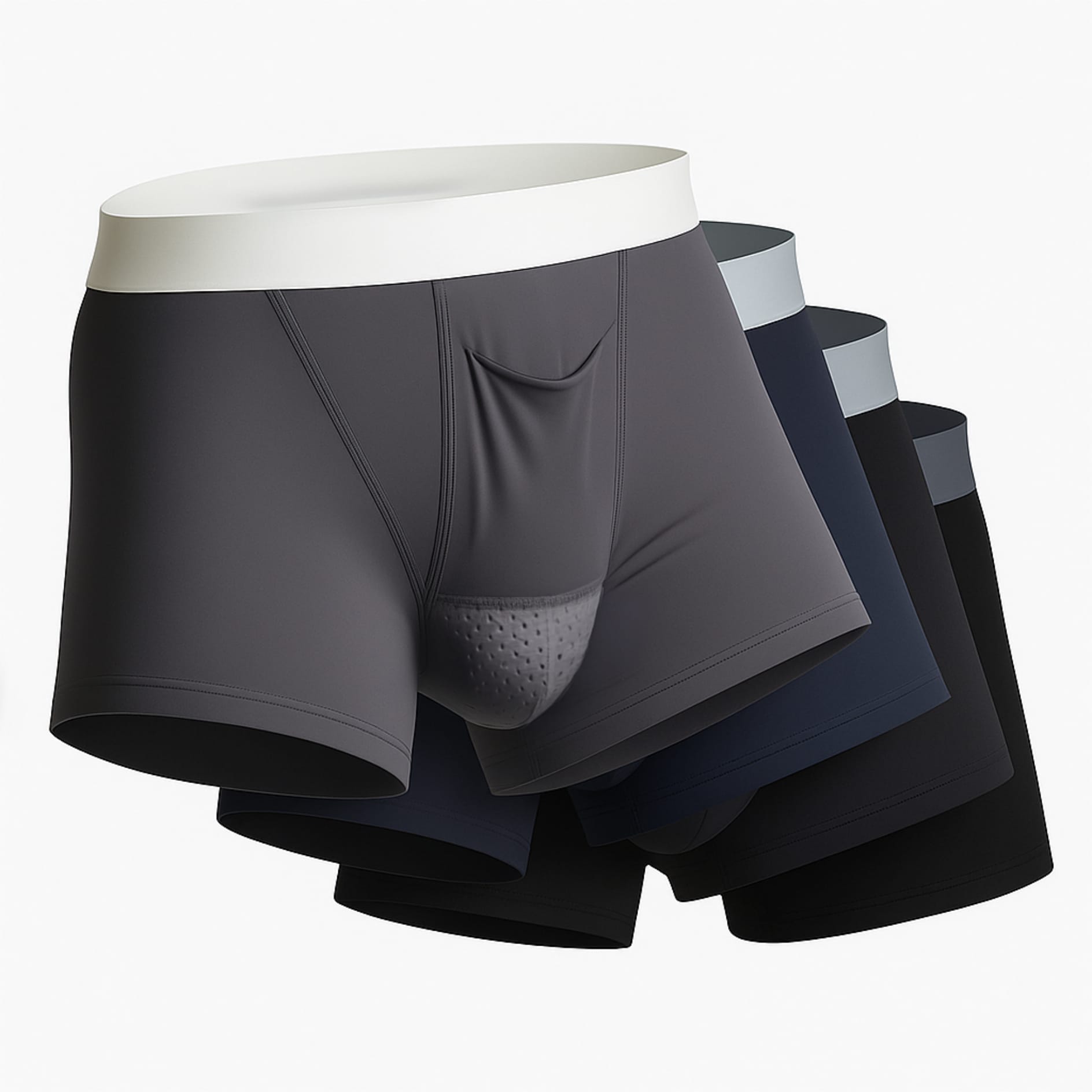
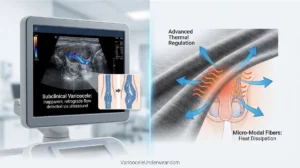
For daily symptom relief, especially during treatment planning, supportive underwear with cooling technology can reduce discomfort and help maintain optimal scrotal temperature.
Managing Symptoms: Practical Daily Steps
While awaiting treatment or as ongoing management, these strategies address both conditions:
Sleep Optimization
- Sleep on your side, not your back
- Elevate the head of your bed 4 to 6 inches
- Avoid alcohol within 3 hours of bedtime
- Maintain consistent sleep and wake times
Vein Health Support
- Avoid prolonged standing or sitting
- Stay well hydrated
- Wear supportive underwear during activities
- Apply cold packs for symptom flares
Lifestyle Modifications
| Intervention | Sleep Apnea Benefit | Varicocele Benefit |
|---|---|---|
| Weight loss | Reduces apnea severity | Decreases abdominal pressure |
| Regular exercise | Improves sleep quality | Enhances circulation |
| Smoking cessation | Reduces inflammation | Improves vein health |
| Antioxidant-rich diet | Reduces oxidative stress | Protects sperm quality |
When Should You See a Doctor?
Seek medical evaluation if you experience:
- Loud snoring with witnessed breathing pauses
- Excessive daytime sleepiness
- Visible or palpable scrotal veins
- Testicular pain that worsens throughout the day
- Difficulty conceiving after 12 months of trying
- Any combination of the above symptoms
A sleep study can diagnose sleep apnea, while a physical exam and ultrasound confirm varicocele. According to the National Institutes of Health, early detection of varicocele leads to better treatment outcomes, especially for fertility concerns.
Case Insight: Combined Management Approach
A 38-year-old patient presented with grade 2 varicocele and moderate obstructive sleep apnea (AHI of 22). He reported chronic fatigue, left scrotal discomfort, and two years of unexplained infertility.
Treatment Plan:
- Started CPAP therapy
- Began wearing supportive underwear daily
- Scheduled microsurgical varicocelectomy after 3 months of CPAP compliance
Results at 6 Months:
- Sleep apnea well-controlled (AHI reduced to 3)
- Varicocele surgically corrected
- Sperm concentration improved from 8 million/mL to 32 million/mL
- Spontaneous pregnancy achieved at 8 months post-surgery
This case illustrates how treating both conditions together may produce better outcomes than addressing either alone.
Frequently Asked Questions
Does sleep apnea cause varicocele?
Sleep apnea does not directly cause varicocele. However, the chronic oxygen deprivation associated with untreated sleep apnea can damage vein walls and weaken venous valves over time. This may worsen existing varicocele or potentially contribute to its development in men with other risk factors.
Can treating sleep apnea improve varicocele symptoms?
Yes, some men report symptom improvement after starting CPAP therapy for sleep apnea. Restoring normal oxygen levels reduces oxidative stress and inflammation, which may decrease venous congestion. However, treating sleep apnea alone is unlikely to eliminate varicocele, and surgical repair remains the definitive treatment.
Should I get tested for sleep apnea if I have varicocele?
Consider a sleep evaluation if you have varicocele plus symptoms like loud snoring, witnessed breathing pauses, morning headaches, or excessive daytime sleepiness. Men with unexplained fatigue despite adequate sleep or those with fertility concerns may especially benefit from sleep apnea screening.
Key Takeaway
The connection between sleep apnea and varicocele centers on oxygen. When your body repeatedly experiences oxygen drops during sleep, your blood vessels suffer. For men with varicocele, this additional vascular stress may worsen symptoms and potentially affect fertility.
The good news: both conditions are treatable. If you suspect you have sleep apnea, a simple home sleep test can provide answers. If varicocele symptoms are affecting your quality of life, speak with a urologist about your options. Addressing both conditions together often leads to better results than treating either in isolation.
Your next step: Talk with your doctor about whether a sleep study makes sense for you, especially if fatigue, poor sleep, or fertility concerns accompany your varicocele symptoms.
Have questions or experiences with managing varicocele and sleep issues? Share your thoughts in the comments below or consult with a urologist who understands both conditions.
Related Articles


Choose Varicocele Support Designed for Cooling, Lift, and Daily Comfort
You’ve seen why regular underwear often falls short. Now view the purpose-built option made to reduce heaviness, improve support, and feel comfortable enough for everyday wear.