The Pelvic Venous Network and Prostate Health: Testosterone Flow Link Prostate
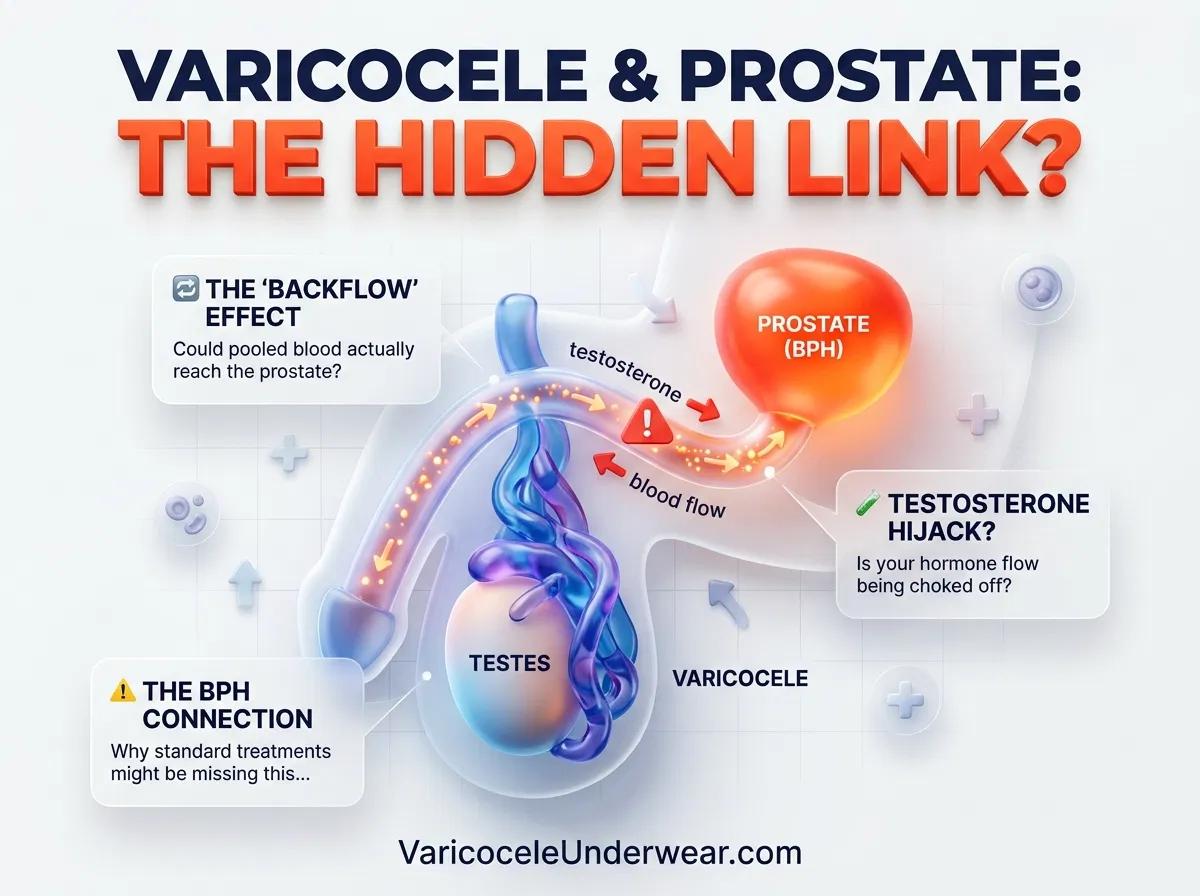
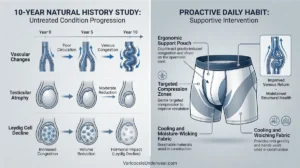
The biological consequences of retrograde venous flow become striking when analyzing local endocrinology. Testicles produce approximately ninety-five percent of circulating male hormones, releasing raw testosterone into testicular capillaries at concentrations over one hundred times greater than what circulates throughout general bodily systems. Under standard anatomical mechanics, this concentrated androgen enters systemic circulation before reaching target tissues throughout the body, including the prostate gland. However, when incompetent valves induce backward venous pressure, communication channels described in clinical urological pathology reviews route undiluted testicular serum directly into the prostate. The prostate tissue is packed with type-two five-alpha-reductase, an enzyme that instantly converts free testosterone into dihydrotestosterone (DHT). Dihydrotestosterone binds to cellular androgen receptors with tremendous affinity, driving the proliferation of glandular epithelial and stromal cells that defines benign prostatic hyperplasia.Chronic vascular pooling inside the lower pelvis produces a persistent inflammatory environment alongside hormonal exposure. When pooled venous blood stagnates inside dilated scrotal and peri-prostatic vessels, oxygen tension drops while carbon dioxide and cellular waste products accumulate. This localized hypoxia damages endothelial walls, provoking microvascular remodeling, cellular edema, and dull pelvic pressure. Promoting upward mechanical flow offers a targeted conservative approach to mitigate this hydrostatic strain. Utilizing pelvic circulation varicocele underwear provides calibrated structural elevation to the scrotum, counteracting downward gravitational pooling, relieving tension on the spermatic cord, and encouraging natural venous drainage across the broader pelvic floor.Can Varicocele Influence Prostate Issues
Clinical experience indicates that men who suffer from pronounced varicoceles exhibit a heightened frequency of lower urinary tract symptoms typically attributed solely to aging. The physical mechanisms underlying the varicocele prostate issues link involve mechanical engorgement alongside localized endocrine surges. When peri-prostatic venous networks distend, the outer capsule of the prostate expands against the bladder neck, producing classic symptoms such as urinary urgency, weak stream, nocturia, and persistent post-void dribbling. Furthermore, chronic venous stagnation alters local testicular temperature regulation, impairing Leydig cell function and lowering general circulating serum levels, even while local tissue levels inside the prostate remain excessively elevated. Men curious about these systemic hormonal fluctuations can review our clinical breakdown of varicocele and testosterone dynamics for deeper insight into whole-body hormone regulation.Understanding Chronic Pelvic Congestion Syndrome
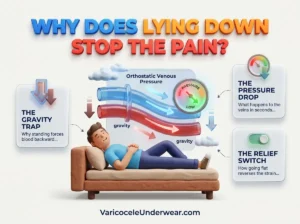
Chronic pelvic congestion syndrome in males remains one of the most underdiagnosed conditions in modern outpatient urology. Men afflicted with this condition often experience a constellation of diffuse symptoms: a dragging ache in the scrotum that intensifies during prolonged standing, deep perineal soreness after sitting, lower abdominal heaviness, and mild sexual discomfort. These sensations generate significant psychological distress, as many men mistakenly fear that their symptoms signal an aggressive malignancy or an untreatable degenerative infection. In reality, the root etiology frequently lies in elevated venous pooling that radiates through the internal iliac drainage tributaries. When blood cannot exit the pelvic basin efficiently, muscular tension in the levator ani and pelvic floor elevates reflexively, worsening discomfort and further compressing venous exit channels.| Clinical Feature | Varicocele (Scrotal Network) | Prostate Congestion / BPH (Pelvic Network) | Venous Cross-Talk Impact |
|---|---|---|---|
| Primary Vessel Involvement | Internal spermatic vein and pampiniform plexus | Santorini’s plexus and vesicoprostatic venous network | Hydrostatic back-pressure connects both via collateral anastomoses |
| Local Endocrine Profile | High concentration of raw testicular testosterone | Excess conversion of testosterone to dihydrotestosterone (DHT) | Undiluted hormones bypass systemic dilution directly to prostate |
| Physical Sensations | Scrotal heaviness, palpable bag-of-worms sensation, dull testicular ache | Urinary hesitancy, weak stream, nocturia, incomplete emptying | Combined perineal aching and concurrent lower urinary tract distress |
| Gravity Sensitivity | Worsens noticeably during standing, lifting, or evening hours | Elevated discomfort during prolonged desk sitting or vehicle travel | Widespread pelvic floor congestion aggravated by static postures |
| Primary Clinical Risks | Sperm parameter declines, scrotal pain, testicular volume reduction | Bladder outlet obstruction, recurrent urinary tract infections, retention | Accelerated cellular proliferation and chronic regional inflammation |
Related Articles


Expert Recommendation
Discover specialized varicocele underwear designed for daily comfort, support, and recovery — a more targeted option for men who want support without compromise.
Discover the Recommended Option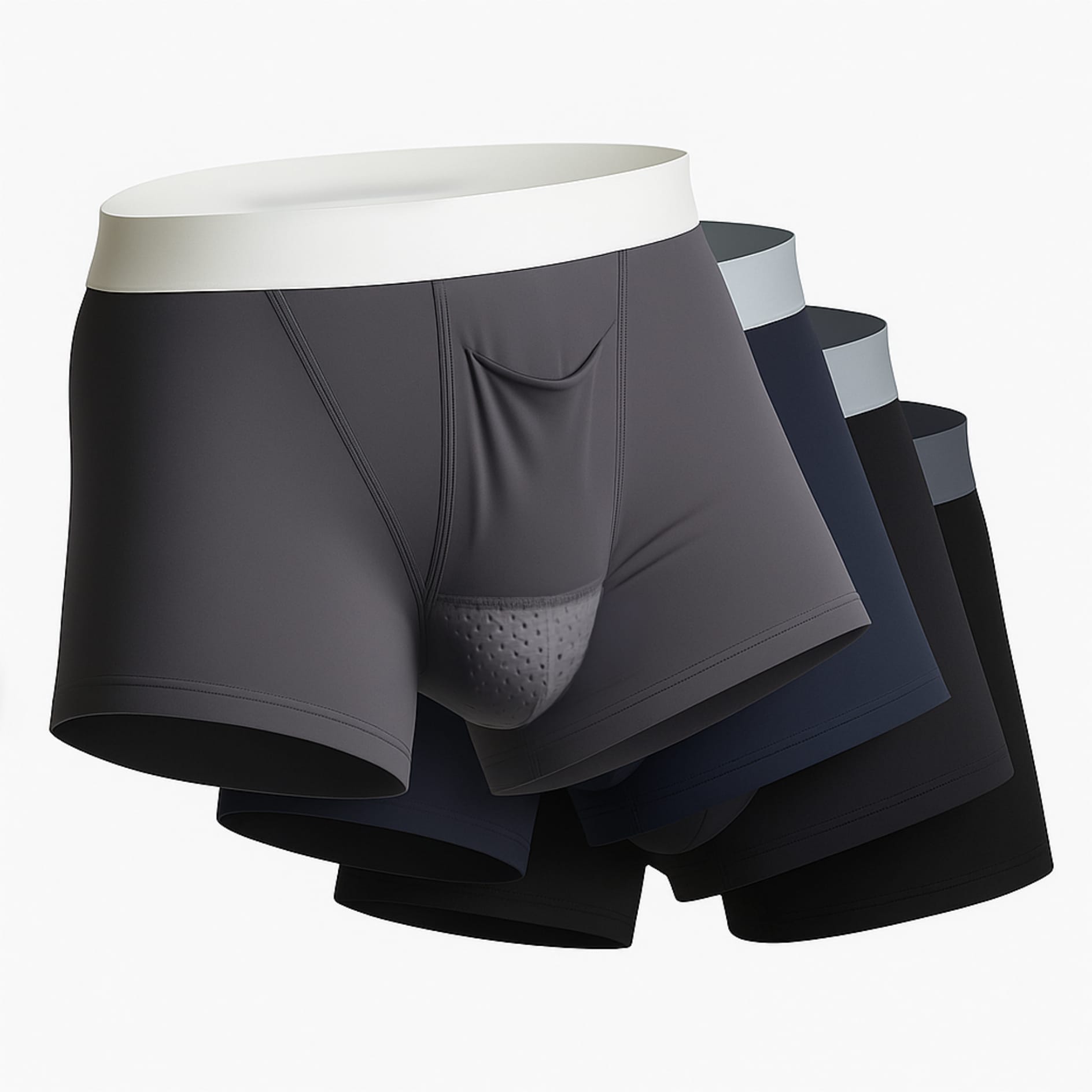
Why Specialized Support Helps
✓ Better support can help reduce the feeling of heaviness.
✓ Breathable, cooling fabrics may help with temperature regulation.
✓ A purpose-built fit can feel more comfortable for daily wear and recovery.
Take the Next Step
Choose Varicocele Support Designed for Cooling, Lift, and Daily Comfort
You’ve seen why regular underwear often falls short. Now view the purpose-built option made to reduce heaviness, improve support, and feel comfortable enough for everyday wear.
✓ Cooling mesh comfort
✓ Supportive ergonomic lift
✓ Discreet for all-day wear