When men discover an enlarged scrotal vein, feelings of isolation and anxiety often follow. Reading real varicocele recovery stories offers genuine relief, especially as men share surgical and natural results that illustrate the diverse paths back to comfort. A varicocele, defined as an abnormal enlargement of the pampiniform venous plexus inside the scrotum, affects roughly fifteen percent of adult males and up to forty percent of men evaluated for secondary infertility. Because symptoms range from a dull, throbbing ache after workouts to severe semen parameter declines, no two patient success narratives look identical. Learning how other men navigated these treatment choices provides clarity, validation, and a realistic roadmap for clinical recovery.
Real Recovery Journeys from Varicocele Patients
Clinical presentations of varicoceles vary significantly based on anatomic grade, venous pressure, and physical activity levels. In clinical practice, men typically present with Grade 1 (palpable only during a Valsalva maneuver), Grade 2 (palpable without straining), or Grade 3 (visible through scrotal skin, resembling a bag of worms). For many patients, the chronic physical dragging sensation becomes an invisible weight throughout daily life. A thirty-two-year-old software engineer named Marcus suffered for three years from bilateral Grade 2 varicoceles before seeking guidance. Long desk sessions left him with persistent groin warmth and a deep testicular ache by late afternoon. His journey toward relief began simply by documenting symptom patterns, tracking scrotal skin temperatures, and reviewing documented clinical accounts collected in varicocele success stories. By speaking openly with a urologist and adjusting daily habits alongside targeted interventions, Marcus gradually restored his physical comfort and resumed regular fitness routines without daily soreness.
Another common presentation involves athletic men who notice sharp flare-ups after heavy weightlifting, cycling, or prolonged standing. Julian, a twenty-seven-year-old marathon runner, developed a sudden Grade 3 left-sided varicocele during marathon training. The increased intra-abdominal pressure from high-intensity training repeatedly engorged his compromised pampiniform veins, causing severe evening discomfort. For men like Julian, learning from patient recovery accounts helps separate fact from fiction regarding physical restrictions. Rather than abandoning exercise entirely, structured recovery strategies allow patients to isolate aggravating factors, adopt ergonomic posture adjustments, and modify intra-abdominal pressure during resistance training.
Discover specialized varicocele underwear designed for daily comfort, support, and recovery — a more targeted option for men who want support without compromise.
Discover the Recommended OptionSurgical Relief Triumphs and Pain Resolution
For individuals with persistent chronic pain or clinical testicular atrophy, operative repair remains the gold standard in urological care. The most common modern approach is subinguinal microsurgical varicocelectomy, in which an operating microscope allows the surgeon to ligate dilated veins while carefully preserving the testicular artery, lymphatics, and vas deferens. Patients often worry about downtime, post-procedure discomfort, and recurrence risks. Clinical evidence published in the National Library of Medicine demonstrates that microsurgical repair yields the lowest hydrocele and recurrence rates among all surgical techniques, with high rates of pain resolution.
Consider the experience of Jason, a thirty-six-year-old contractor who had suffered from chronic left-sided Grade 3 pain for over four years. Manual labor repeatedly left him exhausted and reliant on anti-inflammatory medications. Jason elected to undergo microscopic subinguinal repair. His first three days post-op required strict rest, ice pack applications, and loose garments, followed by two weeks of restricted lifting. By week six, his baseline ache was completely gone. Patients tracking their post-operative milestones can monitor expected recovery phases using a structured microsurgical varicocelectomy recovery timeline, which outlines precise wound care routines, resumption of sexual activity, and gradual return to heavy exertion without compromising internal healing.
| Patient & Age | Initial Diagnosis | Approach Taken | Outcome & Timeline |
|---|---|---|---|
| Jason, 36 | Grade 3 Left Varicocele with chronic pain | Subinguinal Microsurgery | Complete pain resolution by week six; resumed construction work at week eight. |
| Liam, 31 | Grade 2 Bilateral with low sperm motility | Microsurgery + Antioxidant protocol | Total motile count doubled at six-month analysis; natural conception at nine months. |
| Marcus, 32 | Grade 2 Bilateral with chronic heaviness | Specialized uplift support and cooling | Eighty percent drop in afternoon ache within three weeks; maintained long-term without surgery. |
| Carlos, 29 | Grade 1 Left with post-workout dragging | Pelvic floor therapy and lifestyle changes | Comfort fully managed during running; stable vein caliber on annual ultrasound. |
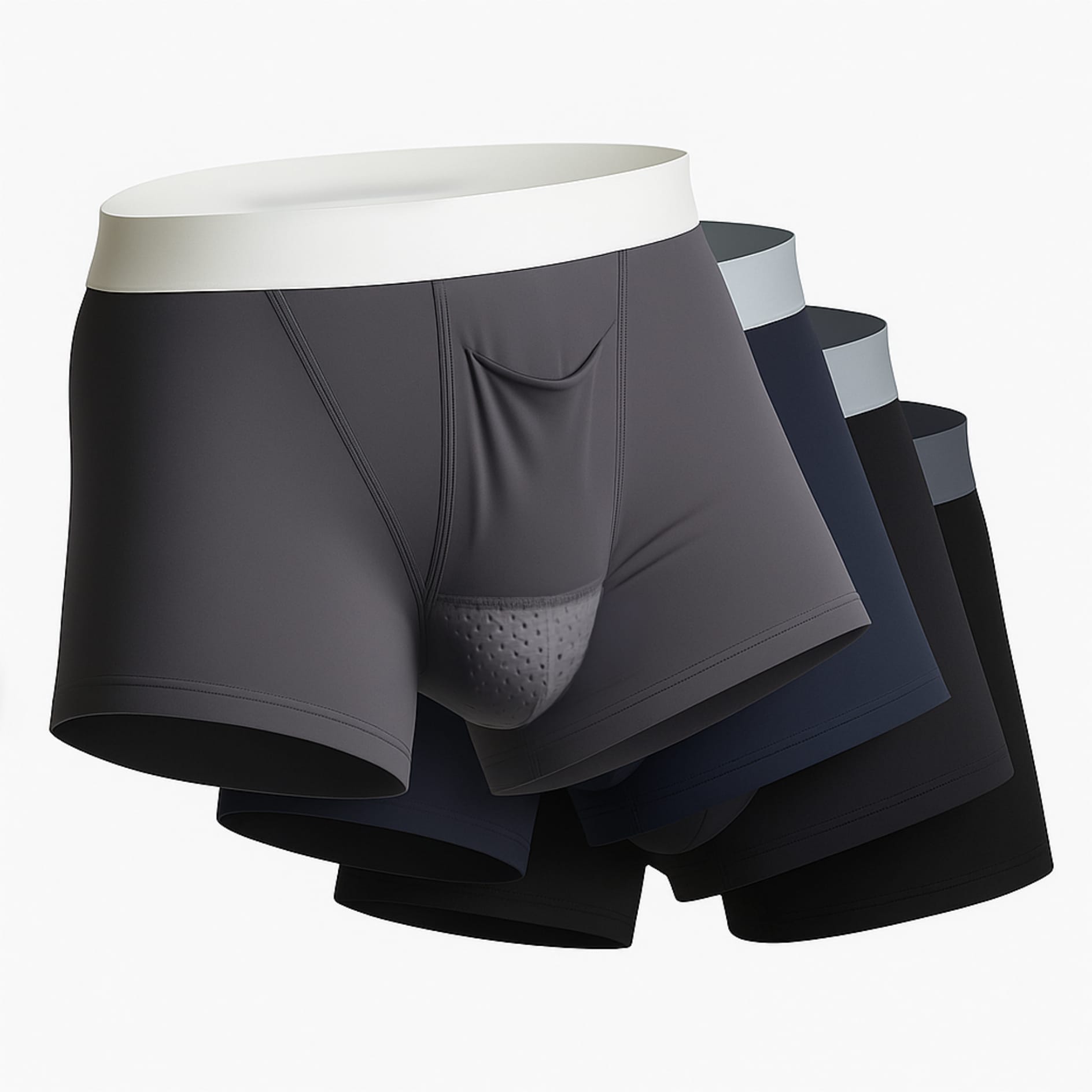
Many men dealing with mild to moderate dilation seek conservative measures before considering invasive procedures. Patients frequently share how they have successfully managed chronic scrotal heaviness without surgery by switching to the specialized uplift design of VaricoceleUnderwear™, experiencing real results with varicocele underwear. The continuous mechanical elevation counteracts gravity, preventing blood from pooling inside the testicular cords during prolonged sitting or standing. By combining targeted elevation with breathable textiles, men report an immediate drop in afternoon swelling, renewed physical stamina during work shifts, and a noticeable reduction in burning sensations.
Natural Management and Fertility Success Stories
A major concern for men diagnosed with varicoceles is reproductive health. Venous pooling creates chronic hyperthermia in the scrotum, elevating local temperatures by one to two degrees Celsius. This elevated temperature increases reactive oxygen species, triggering oxidative stress that harms sperm count, motility, and DNA fragmentation. Liam, a thirty-one-year-old accountant, discovered his bilateral varicoceles after a year of unsuccessful attempts to conceive with his partner. His baseline semen analysis revealed low sperm motility and morphology. Liam partnered with his reproductive urologist to evaluate the direct relationship between varicocele and fertility parameters, exploring both operative and lifestyle solutions to minimize oxidative thermal damage.
Liam chose to pursue a multi-tiered approach that included surgical ligation of his larger left vein, followed by strict scrotal cooling measures and medical-grade nutritional antioxidants including CoQ10, zinc, and L-carnitine. Because spermatogenesis requires seventy-two to seventy-four days to produce mature sperm, patience is essential. At his six-month post-procedure follow-up, Liam’s total motile sperm count increased significantly, and his partner achieved a spontaneous pregnancy three months later. His story reflects what urological clinical studies regularly show: relieving heat stress and vascular pooling provides germ cells with the cooler physiologic environment required for healthy cellular development.
Selecting appropriate daytime clothing plays an essential role in sustaining conservative comfort. Traditional briefs crush scrotal anatomy against the warm pelvic floor, while loose boxers fail to provide necessary counter-gravitational support. Choosing the best varicocele underwear allows men to maintain consistent upward suspension and scrotal separation throughout the day. When paired with hydration, frequent walking breaks from sedentary desks, pelvic floor relaxation exercises, and regular clinical monitoring, many men maintain lasting comfort and stable semen quality without operative intervention.
Every recovery journey requires personalized urological evaluation. Whether you choose microscopic surgical repair, percutaneous embolization, or a structured natural regimen combining scrotal elevation and thermal regulation, verified recovery narratives prove that symptom resolution and fertility restoration are attainable goals. By tracking symptoms objectively, seeking early clinical evaluations, and protecting scrotal microcirculation, men can overcome discomfort and regain full control over their reproductive and physical health.
Related Articles
Choose Varicocele Support Designed for Cooling, Lift, and Daily Comfort
You’ve seen why regular underwear often falls short. Now view the purpose-built option made to reduce heaviness, improve support, and feel comfortable enough for everyday wear.