Recovering from varicocele repair requires careful postoperative management to minimize physical strain on healing vascular tissues. Following microsurgical varicocelectomy or catheter embolization, many men struggle to determine the ideal underwear transition timeline after varicocele surgery. Shifting too quickly from hospital supporters to loose daily wear can cause uncomfortable pulling, fluid accumulation, and dull groin aches. Proper scrotal elevation reduces gravitational tension on the spermatic cord and protects subinguinal incision sites. In this guide, we detail the step-by-step phases of surgical recovery and explain how to choose the best underwear after varicocele surgery to protect your surgical outcome while staying comfortable.
Post-Op Weeks 1-2: Rigid Suspension and Wound Protection
During the initial 14 days following surgery, your primary objective is preventing downward drag on the scrotum. Surgical ligation or occlusion of internal spermatic veins leaves localized trauma in surrounding tissues. Gravity forces blood and lymphatic fluid downward, which increases local pressure if the scrotum is left unsupported. Urologists routinely recommend continuous elevation during this initial healing window.
Hospital-issued elastic jockstraps or heavy athletic supporters provide high upward compression. This compression holds the testicles firmly against the pubic bone, stabilizing the incision site and reducing movement during essential walking. For a detailed breakdown of initial post-surgical care, refer to our post-varicocelectomy underwear recovery guide.
Key priorities for weeks 1 and 2 include:
- Constant Scrotal Elevation: Keep the scrotum supported continuously, even while sleeping or resting in bed.
- Edema Prevention: Firm support helps prevent fluid accumulation. Proper elevation remains crucial for managing post-surgical swelling and reducing the risk of temporary secondary hydrocele.
- Incision Protection: High-waisted elastic waistbands keep dressings in place and prevent waistband friction against lower abdominal or subinguinal surgical cuts.
Clinical studies archived by the National Institutes of Health confirm that conservative scrotal support significantly decreases early postoperative pain scores following varicocele ligation. During this initial two-week period, style takes a backseat to clinical protection.

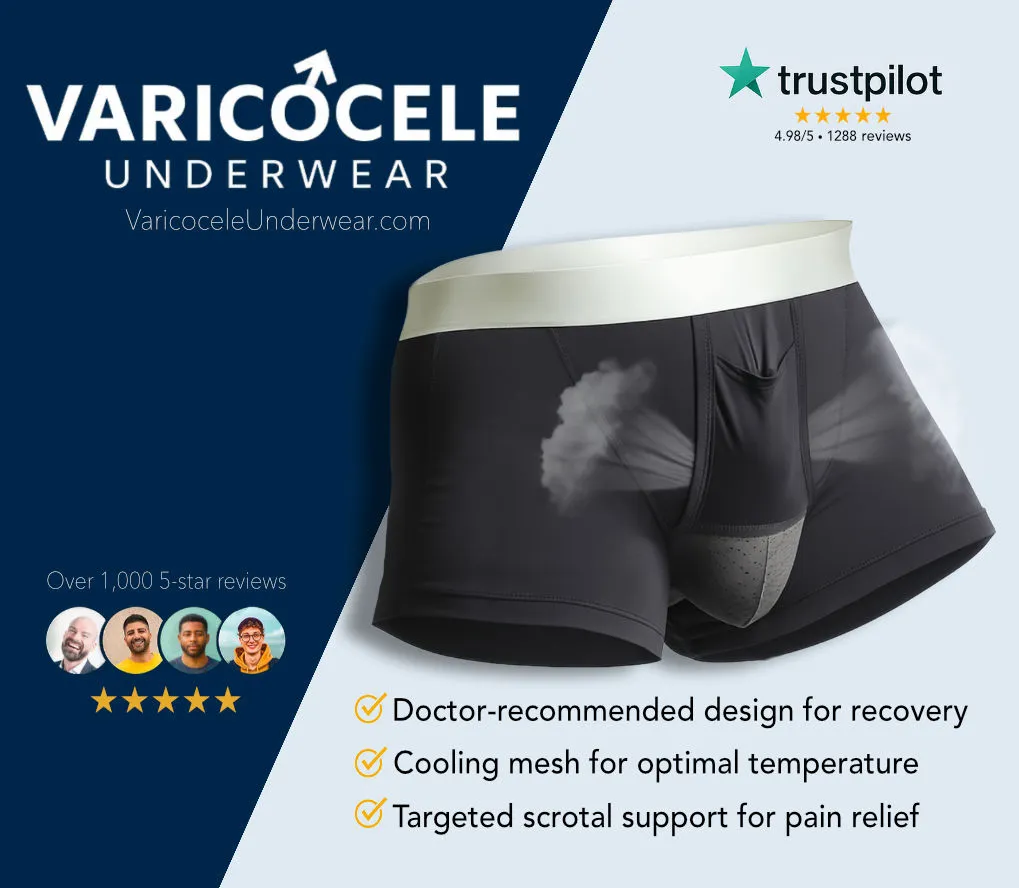
Discover specialized varicocele underwear designed for daily comfort, support, and recovery — a more targeted option for men who want support without compromise.
Discover the Recommended OptionWeeks 3-6: Transitioning to Medical-Grade Comfort and the Best Underwear After Varicocele Surgery
By the third week, surgical wounds have closed, and acute postoperative inflammation begins to decline. However, internal vascular remodeling continues for several months. Abruptly switching from rigid hospital supporters to standard loose underwear often results in a return of scrotal heaviness, especially after prolonged standing or light walking.
This interim stage requires a structured transition garment. High-quality Varicocele Underwear with Support and Cooling bridges the gap between uncomfortable clinical supporters and standard everyday briefs. Designed with an ergonomic lifting pouch, these garments maintain upward elevation without the harsh leg bands associated with traditional jockstraps. It is important to remember that while supportive garments manage daily physical comfort during recovery, they serve as external support systems rather than structural cures for venous anatomy.
Proper night rest also plays a major role during this transition period. Combining daytime pouch elevation with optimal positioning, as outlined in our guide on how to sleep after varicocelectomy, helps clear accumulated interstitial fluid overnight.
| Recovery Phase | Timeline | Garment Recommendation | Primary Objective |
|---|---|---|---|
| Phase 1: Acute Recovery | Weeks 1–2 | Hospital Jockstrap / High-Compression Supporter | Rigid elevation, wound protection, fluid reduction |
| Phase 2: Active Transition | Weeks 3–6 | Medical-Grade Pouch Briefs | Ergonomic support, temperature balance, daily mobility |
| Phase 3: Full Recovery | Week 6+ | Structured Daily Briefs / Fitted Pouch Underwear | Long-term comfort, active physical support |
Why a Structured Pouch is Superior to Ordinary Boxers
Standard loose boxers allow the testes to hang completely unsupported. This downward hanging exerts continuous tension on the healing spermatic cord, which can trigger localized discomfort and increase venous pressure in collateral blood vessels. Ordinary briefs, on the other hand, frequently flatten scrotal contents against the inner thighs, generating excessive trapped body heat.
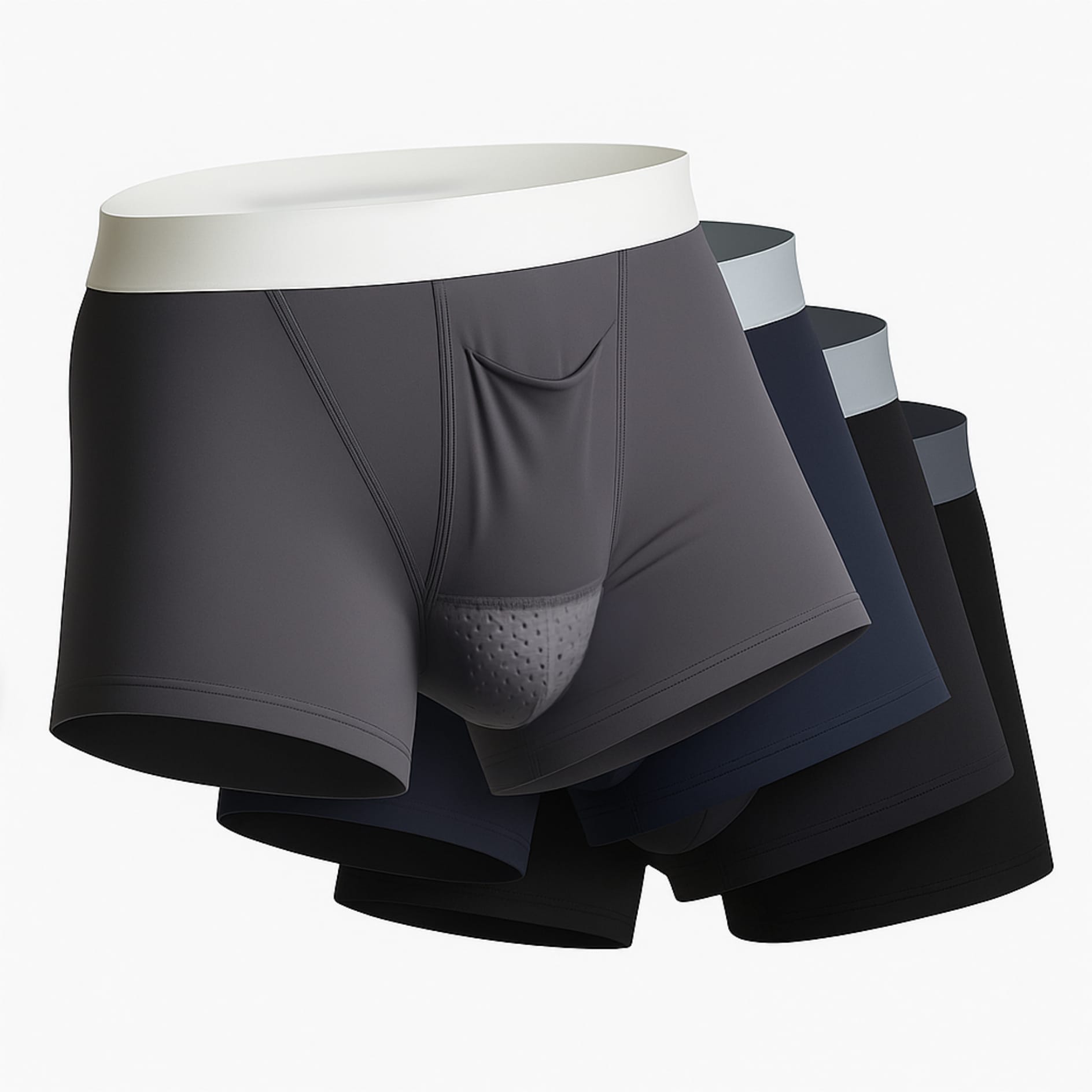
A structured ergonomic pouch offers two clear mechanical advantages over standard underwear styles:
- Targeted Anatomical Elevation: The pouch lifts the scrotum upward and forward, relieving strain on the healing venous plexus without squishing surrounding tissue.
- Thermal Regulation: Separating the scrotum from the legs promotes airflow, preventing heat build-up that negatively affects testicles.
When returning to daily light activities, walking routines, or low-impact movements discussed in our varicocele surgery exercise recovery guide, structured pouch briefs prevent sudden movement and strain. Postoperative recommendations from the American Urological Association emphasize avoiding physical exertion and maintaining adequate physical support to ensure optimal healing.
Frequently Asked Questions
When can I switch from a jockstrap to normal briefs after varicocele surgery?
Most patients can safely transition from a rigid hospital jockstrap to supportive pouch briefs around 14 days post-op, once initial incision healing is complete. Avoid loose boxers for at least 6 weeks to prevent tension on healing internal tissues.
Why does my scrotum ache if I wear loose boxers after surgery?
Loose boxers allow the scrotum to hang freely, creating downward gravitational pull on the spermatic cord and healing surgical sites. This lack of support increases venous pressure and triggers a dull ache in the groin area.
Can supportive underwear replace surgical treatment for varicocele?
No. Supportive garments reduce daily pain, manage swelling, and protect surgical repairs during recovery, but they do not eliminate enlarged veins. Surgery or embolization remains necessary to permanently correct damaged vascular valves.
Practical Recovery Takeaway
Transitioning your post-surgical garments requires patience and structured support. Protect your surgical investment by wearing rigid compression for the first two weeks, moving to medical-grade pouch briefs during weeks three through six, and avoiding unsupportive loose boxers until your urologist clears you for full activity. Consistent scrotal elevation protects delicate healing tissues and ensures a comfortable recovery.
Related Articles
Choose Varicocele Support Designed for Cooling, Lift, and Daily Comfort
You’ve seen why regular underwear often falls short. Now view the purpose-built option made to reduce heaviness, improve support, and feel comfortable enough for everyday wear.