Diet won’t fix your varicocele. The veins are anatomically dilated, and no food will repair a faulty valve. But what you eat influences venous wall integrity, systemic inflammation, oxidative stress, blood viscosity, and the antioxidant capacity of your semen – all of which are directly relevant to how varicocele affects your fertility and pain levels. This is not a wellness article with generic “eat more vegetables” advice. This covers the specific food categories, bioactive compounds, and dietary patterns with evidence for vascular wall support, antioxidant protection of sperm, and management of the chronic inflammation that varicocele perpetuates.
Bioflavonoids: The Most Targeted Dietary Intervention for Venous Health
Bioflavonoids (flavonoids) are plant-derived polyphenolic compounds that have been studied more extensively than any other dietary category for venous wall health. Their mechanisms are directly relevant to varicocele: they stabilize venous wall collagen by inhibiting collagenase and elastase enzymes that degrade the extracellular matrix, reduce capillary permeability (tightening the endothelial junctions that allow fluid leakage), improve venous tone by acting on smooth muscle, and exert antioxidant and anti-inflammatory effects on vascular endothelium.
A clinical study in 168 patients with subclinical varicocele found that bioflavonoid supplementation was associated with a lower rate of clinical progression to palpable varicocele (11% vs. 31% in controls), higher rate of stable reflux (47% vs. 38%), and higher resolution rate (41% vs. 31%). While statistical significance was not reached in all endpoints (likely due to sample size), the directional consistency across all outcomes is biologically plausible and clinically meaningful.
Research from 2021 confirmed that troxerutin, diosmin, and hesperidin specifically reduce the inflammatory response in vascular endothelial cells and decrease the responsiveness of mesenteric veins, supporting venous tone stabilization. These are the same compounds found in citrus bioflavonoids and available as pharmaceutical preparations (Daflon, Venarus) used in European phlebology for chronic venous insufficiency.

Discover specialized varicocele underwear designed for daily comfort, support, and recovery — a more targeted option for men who want support without compromise.
Discover the Recommended OptionTop Bioflavonoid-Rich Foods for Varicocele
- Citrus fruits (oranges, grapefruit, lemons): highest natural sources of hesperidin and diosmin; eat the white pith (highest bioflavonoid concentration) and drink fresh-squeezed juice rather than pasteurized
- Berries (blueberries, blackberries, elderberries): rich in anthocyanins, the bioflavonoid subclass with the strongest vascular endothelial protective effects
- Red and purple grapes: quercetin and resveratrol content supports venous wall integrity and has anti-platelet effects that reduce blood viscosity
- Buckwheat: one of the richest food sources of rutin, a bioflavonoid with strong vascular wall stabilizing activity in clinical venous insufficiency studies
- Onions and apples: quercetin, the most bioavailable dietary bioflavonoid, found in highest concentrations in the outer layers of onions and apple skin
- Dark chocolate (70%+ cacao): flavanols improve endothelial function and nitric oxide bioavailability, supporting vascular tone regulation
Anti-Inflammatory Foods That Support Vascular Health
Chronic venous insufficiency and varicocele are inflammatory conditions at the vascular level. The chronic pooling of blood in the pampiniform plexus activates endothelial inflammatory pathways, releasing cytokines that degrade venous wall integrity over time. An anti-inflammatory dietary pattern reduces this baseline inflammatory burden and preserves the structural integrity of already-compromised venous tissue.
- Fatty fish (salmon, sardines, mackerel): EPA and DHA omega-3 fatty acids reduce prostaglandin E2 and leukotriene B4, the primary pro-inflammatory mediators in vascular endothelium; eat 3+ servings weekly
- Extra virgin olive oil: oleocanthal has COX-1 and COX-2 inhibitory activity comparable to ibuprofen at culinary doses; also rich in OleA that specifically protects vascular endothelium
- Leafy greens (spinach, kale, arugula): high in nitrates that convert to nitric oxide, improving venous tone and endothelial function; also rich in vitamin K which supports coagulation balance in venous walls
- Turmeric: curcumin inhibits NF-κB signaling, the master regulator of vascular inflammation; requires black pepper (piperine) for bioavailability; add both to cooking rather than relying on capsules
- Walnuts: combined omega-3, polyphenol, and L-arginine content supports NO production and vascular function
- Tomatoes: lycopene content (significantly higher in cooked tomatoes than raw, and higher with olive oil) directly supports testicular antioxidant defense and sperm quality in varicocele patients
Foods and Habits That Worsen Varicocele Vascular Health
| Food/Habit | Mechanism of Harm | Practical Limit |
|---|---|---|
| Processed/refined carbohydrates | Promote systemic inflammation, blood viscosity | Minimize; replace with whole grains |
| Trans fats (fried foods, margarine) | Impair endothelial function, elevate inflammation | Avoid entirely |
| Excess sodium | Water retention increases venous pressure | Under 2,300mg/day |
| Alcohol (heavy use) | Vasodilation, oxidative stress, testosterone suppression | Maximum 1-2 drinks/occasion |
| Saturated fat excess | Promotes vascular inflammation, reduces NO bioavailability | Balance with unsaturated fats |
| Caffeine excess | Mild diuretic effect worsens blood viscosity if dehydrated | Balance with adequate water intake |
Hydration: The Overlooked Vascular Factor
Blood viscosity is directly determined by hydration status. Dehydrated blood is thicker, flows more slowly, and pools more readily in dependent veins, including the pampiniform plexus. The effect is clinically relevant for varicocele patients: inadequate hydration increases venous stasis in already-compromised pampiniform veins, worsening both pain and sperm damage. The detailed analysis of hydration’s impact on varicocele documents this relationship specifically in the context of daily symptom management. Target 2-3 liters of water daily, with higher intake on exercise days or in hot weather.
Diosmin and Hesperidin Supplementation vs. Dietary Intake
Pharmaceutical-grade micronized purified flavonoid fraction (MPFF, sold as Daflon 500 or 1000mg) contains 90% diosmin and 10% hesperidin in standardized doses used in European phlebology practice for chronic venous insufficiency. Dietary flavonoid intake from food sources provides far lower and less standardized doses. For men with significant varicocele symptoms seeking the phlebotonic (venous tone-improving) effects of bioflavonoids at clinical levels, supplemental diosmin-hesperidin at 500-1000mg/day represents a more reliable delivery method than diet alone.
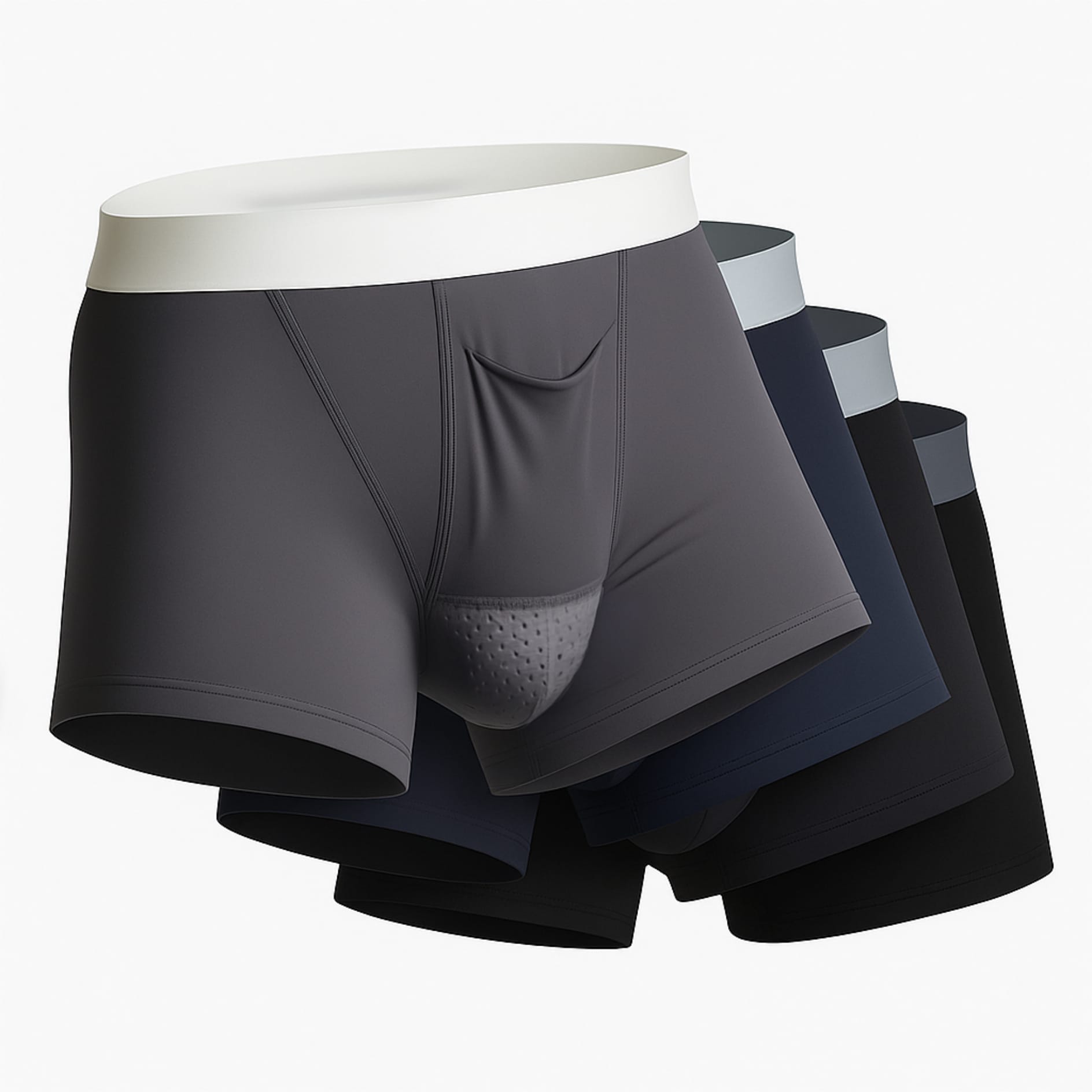
MPFF is not FDA-approved in the US specifically for varicocele but is classified as a dietary supplement and is widely available. European urology guidelines recognize diosmin-hesperidin as an adjunct treatment for chronic venous disease. Combining a bioflavonoid-rich diet with supplemental MPFF, scrotal support, and the alternative varicocele management strategies supported by 2026 evidence creates a comprehensive conservative approach to vascular symptom management.
FAQ: Varicocele Diet and Bioflavonoids
How long before dietary changes affect varicocele symptoms?
Dietary and supplement changes work through slower mechanisms than pharmaceutical interventions. Anti-inflammatory dietary patterns show measurable biomarker changes within 4-8 weeks. Bioflavonoid effects on venous tone and wall integrity accumulate over 8-16 weeks of consistent intake. Sperm quality improvements from combined antioxidant dietary changes require at least one full spermatogenesis cycle (74 days) before assessment. Expect a 3-month timeline to evaluate any meaningful change in symptoms or semen parameters.
Can bioflavonoids slow varicocele progression?
The clinical data on bioflavonoids in subclinical varicocele suggests a possible protective effect on progression rate, with 11% progression to palpable varicocele in the treatment group vs. 31% in controls over the study period. While statistical significance was not achieved (likely due to small sample size), the consistent directional benefit across all outcome measures makes bioflavonoid use a rational low-risk adjunct for men with subclinical varicocele who want to minimize progression risk while monitoring conservatively.
Should I avoid any specific foods before varicocele surgery?
Pre-surgically, avoiding high-dose omega-3 supplements (above 2g/day), vitamin E above 400IU, and garlic supplements for 7-10 days before any varicocele procedure reduces bleeding risk from their mild antiplatelet effects. These are important surgical precautions despite these compounds being beneficial for long-term varicocele management. Resume them in the varicocele surgery recovery diet protocol once your surgeon confirms safe resumption, typically 1-2 weeks post-operatively.
Related Articles
Choose Varicocele Support Designed for Cooling, Lift, and Daily Comfort
You’ve seen why regular underwear often falls short. Now view the purpose-built option made to reduce heaviness, improve support, and feel comfortable enough for everyday wear.