Applying targeted cold packs can soothe throbbing heat stress when used with proper medical timing. For men living with enlarged testicular veins, scrotal cooling gel packs varicocele protocols offer a direct way to reduce regional temperatures and calm scrotal heaviness. The scrotum relies on a delicate thermal balance, operating roughly two to three degrees Celsius cooler than core body temperature to preserve normal cellular function. When incompetent venous valves cause blood to pool, that built-up thermal burden degrades comfort and harms germ cells. Applying cold therapy without a structured strategy can trigger cellular shock or tighten local blood vessels too drastically. Learning how to cool scrotal tissue correctly gives men a dependable tool to lessen dull aches, ease oxidative burden, and defend sperm manufacturing pathways.
The biological architecture of the scrotum includes a natural heat radiator known as the pampiniform plexus. This network of small veins wraps around the testicular artery, extracting warmth from incoming abdominal blood before that blood reaches developing sperm cells. In a varicocele, faulty internal valves allow warm venous blood to flow backward and stagnate inside the spermatic cord. This retrograde stasis ruins the countercurrent heat exchange mechanism. As a consequence, testicular temperatures rise closer to thirty-seven degrees Celsius. Extensive clinical research on spermatogenesis temperature regulation shows that even slight upward temperature shifts spark oxidative stress, elevate reactive oxygen species, and cause DNA fragmentation across delicate spermatids. Understanding the damaging impact of varicocele heat stress on fertility highlights why thermal regulation remains a cornerstone of non-surgical management.

Discover specialized varicocele underwear designed for daily comfort, support, and recovery — a more targeted option for men who want support without compromise.
Discover the Recommended OptionThe Role of Scrotal Cooling in Pain Management
Varicocele pain typically presents as a dull, dragging ache that worsens toward the late afternoon or following prolonged standing. This discomfort stems from venous hypertension, where stagnant blood distends vein walls and irritates sensory nerve fibers within the spermatic cord. Implementing a safe cooling therapy for swollen veins helps suppress local inflammatory cascades and numbs hypersensitive peripheral nerve pathways. Cooling induces mild vasoconstriction that temporarily counteracts the pooling pressure, providing relief from chronic scrotal dragging sensations. Many men discover that integrating cooling gel packs for varicocele and sperm count preservation delivers fast physical comfort while helping protect vulnerable testicular tissue from evening temperature spikes.
Avoiding Rebound Thermal Vasoconstriction
While cold therapy provides tangible benefits, aggressive cooling carries distinct medical dangers. When men place frozen ice cubes or sub-zero freezer blocks directly against scrotal skin, the tissue experiences extreme thermal shock. The dartos tunica and cremaster muscles rapidly contract in self-defense, pulling the testicles tight against the warm perineum and trapping heat. Simultaneously, freezing temperatures cause severe initial arterial clamping, which triggers a biological backlash known as reactive hyperemia. Once the ice is removed, the local vascular bed overcompensates by dilating dramatically. This rebound vasodilation floods the faulty pampiniform plexus with a surge of warm arterial blood, intensifying venous congestion and raising testicular temperatures higher than before the ice application. Using phase-change cooling packs engineered to stay between fifteen and eighteen degrees Celsius prevents this defensive spasm, cooling the tissue gently without shocking vascular walls.
Safe Timing Protocols for Cooling Gel Packs: Maximizing Sperm Benefits
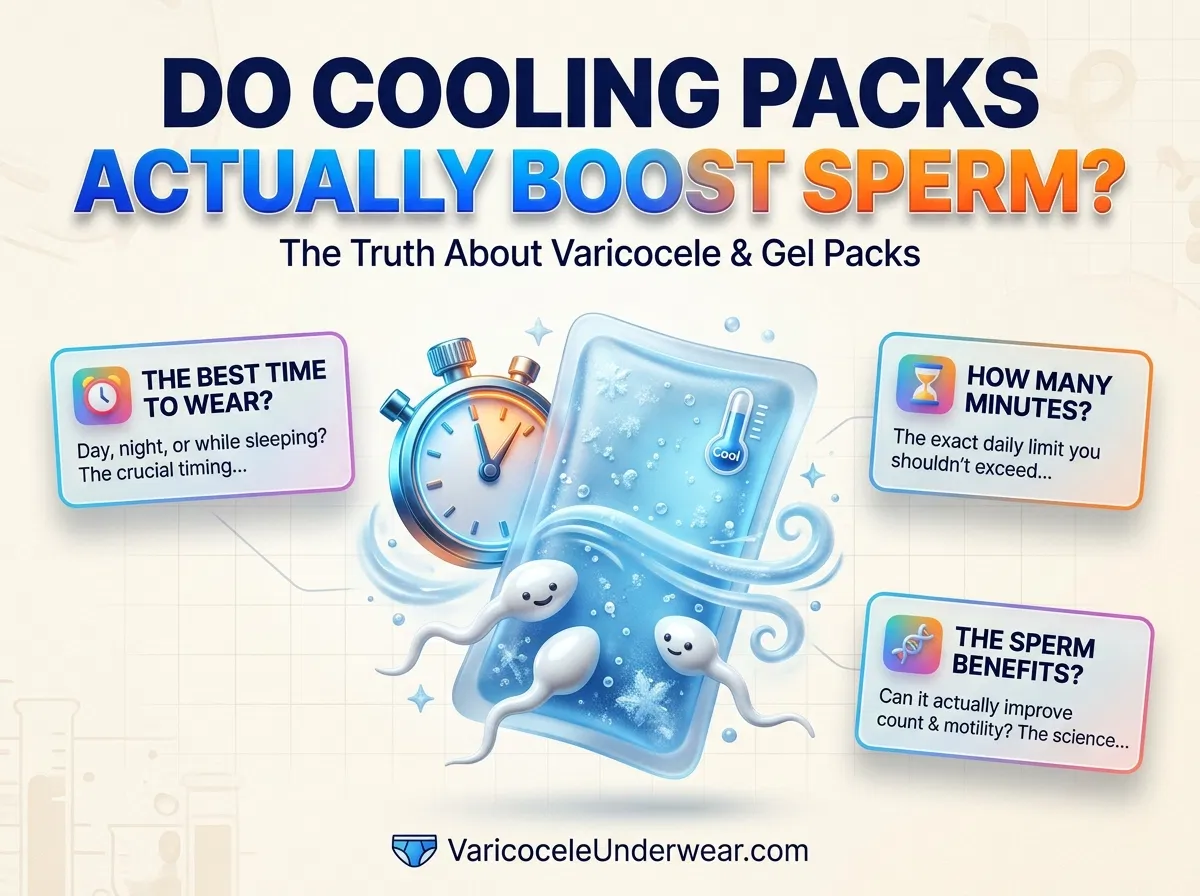
Precision is mandatory when using cold therapy on reproductive organs. Following an established ice pack usage timing sperm benefits protocol ensures you reduce heat without damaging testicular cells or irritating fragile scrotal skin. The golden rule of scrotal cryotherapy is fifteen to twenty minutes per application, never exceeding twenty minutes in a single session. Gel packs should always be wrapped in a clean cotton barrier cloth rather than placed bare against the skin. Allow at least forty-five to sixty minutes between sessions so that tissue perfusion normalizes naturally. Limiting sessions to two or three strategic intervals per day, particularly after heavy physical activity or at the end of a long workday, shields the spermatogenic cycle from chronic hyperthermia without causing cold-induced tissue injury.
| Cooling Modality | Target Temperature | Session Duration | Daily Frequency | Clinical Purpose | Physiologic Risk |
|---|---|---|---|---|---|
| Standard Ice Packs | 0°C (32°F) or below | Under 10 minutes | Not recommended | Emergency acute numbing | High risk of frostbite and rebound vasodilation |
| Phase-Change Scrotal Gel | 15°C to 18°C (59°F to 64°F) | 15 to 20 minutes | 2 to 3 sessions | Targeted temperature reduction | Minimal risk; prevents reflexive muscle spasm |
| Cool Water Immersion | 20°C to 22°C (68°F to 72°F) | 10 to 15 minutes | 1 session | Mild post-workout recovery | Low risk; offers modest, temporary relief |
| Ventilated Support Apparel | Ambient room temperature | Continuous daytime | Daily wear | Passive thermal dissipation | Zero risk; prevents all-day heat accumulation |
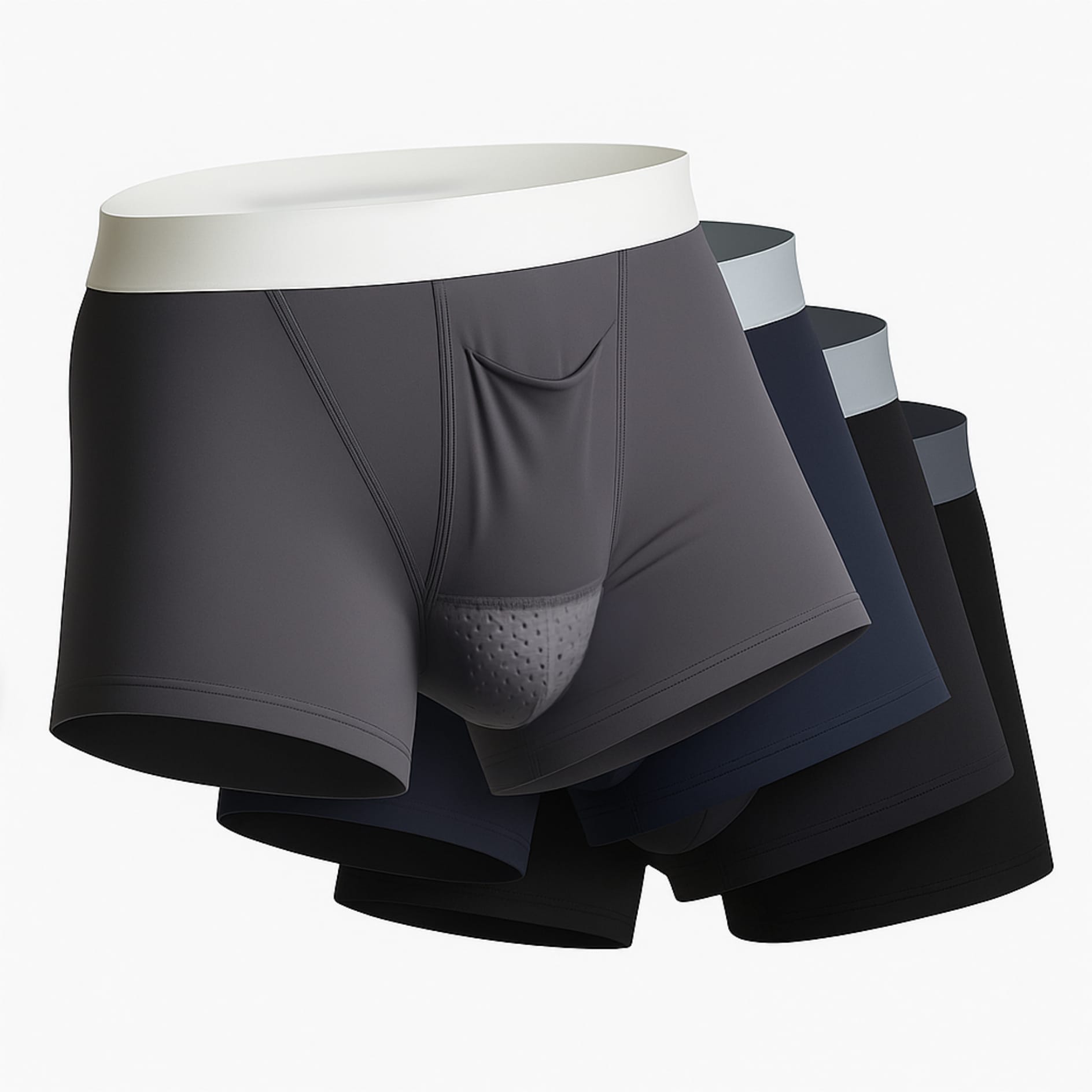
While structured gel pack sessions provide helpful bursts of relief, ice packs offer only brief relief during resting hours and cannot be worn safely throughout an active day. Relying solely on short cold sessions leaves your scrotum vulnerable to heat buildup during eight to ten hours of desk work or commuting. For dependable workday comfort, men benefit far more from continuous, non-chilling passive heat dissipation that draws warmth away without freezing the skin. Wearing specialized scrotal cooling varicocele briefs maintains anatomical elevation, isolates the testicles from warm inner thighs, and lets air circulate constantly. This passive thermal defense keeps the scrotum within its ideal physiological range from morning until night, eliminating the dramatic temperature swings associated with intermittent cold pack application.
Pairing structured cooling protocols with smart lifestyle adjustments creates a comprehensive conservative management plan. Daily fabric selection plays a substantial role in baseline testicular temperature. Comparing micro modal versus cotton scrotal temperature demonstrates that breathable, moisture-wicking textiles prevent damp thermal trapping far better than heavy traditional cotton. Evaluating the best varicocele underwear options gives you the physical support necessary to relieve spermatic cord strain without compressing the scrotum against the pelvis. Because human spermatogenesis requires approximately seventy-four days to complete, consistency is essential. By combining sensible cooling pack timing, supportive daytime apparel, and routine urological checkups, men can successfully safeguard their fertility and keep daily varicocele discomfort under control.
Related Articles

Choose Varicocele Support Designed for Cooling, Lift, and Daily Comfort
You’ve seen why regular underwear often falls short. Now view the purpose-built option made to reduce heaviness, improve support, and feel comfortable enough for everyday wear.