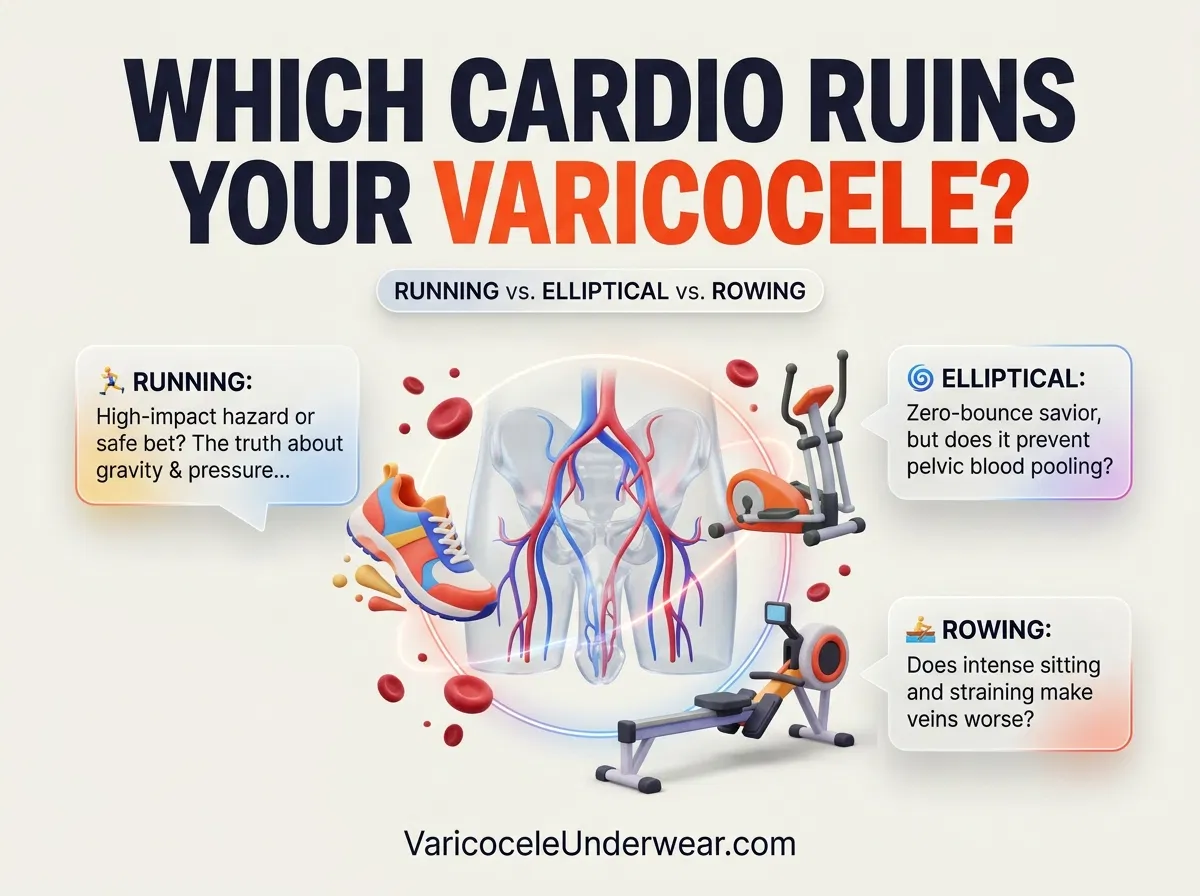
High-impact pounding can aggravate throbbing scrotal discomfort in some men with a varicocele, especially during fast strides, hill running, or long sessions. The best cardio for varicocele is the activity you can perform consistently without increasing pain during exercise or afterward. For many men, an elliptical trainer or controlled rowing session is a comfortable starting point. That does not mean running is unsafe for everyone or that one machine has been proven to protect scrotal veins. Symptoms vary with vein size, body position, effort, and individual sensitivity. The goal is to maintain cardiovascular fitness while limiting the bouncing, pressure, and friction that trigger discomfort. Your response to exercise, rather than a blanket restriction, should guide your choice.
Impact Stress on Pelvic Veins
A varicocele is a group of enlarged veins in the scrotum, within a network called the pampiniform plexus. These veins carry blood away from the testicle. When blood flows backward or pools, the scrotum may feel heavy, achy, or throbbing. Symptoms can become more noticeable after prolonged standing or physical activity and may ease with rest or lying down. This pattern is described in a clinical review of varicocele-related pain. However, it does not prove that every foot strike damages a vein. Exercise itself does not cause varicocele. The pelvic floor, meaning the muscles supporting the bladder and pelvic organs, is also different from the scrotal vein network. A workout can load these structures in different ways. Understanding this distinction helps prevent unnecessary fear and overly strict exercise restrictions.
Impact, gravity, and abdominal pressure are not interchangeable. Running creates repeated acceleration and deceleration, and the testicles can lag behind the body’s movement. This motion, sometimes called scrotal inertia, may increase bouncing, pulling, or skin friction. Standing exercise also keeps the scrotum below the heart, which may contribute to heaviness. Straining and breath-holding can raise intra-abdominal pressure, meaning pressure within the abdomen. However, there is no good clinical evidence that ordinary cardiovascular exercise damages varicocele veins or permanently worsens their anatomy. A 2026 review of pressure measurements during physical activity found that readings vary with the measurement device, body position, acceleration, and activity. Current AUA/ASRM guidance and the EAU male infertility guideline do not rank cardiovascular machines for varicocele. Their recommendations focus on clinical assessment, fertility testing when indicated, and treatment for selected patients.

Discover specialized varicocele underwear designed for daily comfort, support, and recovery — a more targeted option for men who want support without compromise.
Discover the Recommended OptionRunning vs. Elliptical vs. Rowing Machine
Running may be the most symptom-provoking option when bouncing is your main trigger. Each stride produces repeated vertical movement. Faster speeds, longer distances, and rough surfaces may make this motion more noticeable. Start with brisk walking, then test short, easy jogs on a level surface. Shorten your stride, avoid sprinting initially, and stop if aching or heaviness increases. A runner without symptoms does not need to stop solely because a varicocele was found during an examination. Men who experience discomfort can use these practical recommendations for running and cardio with varicocele while adjusting their pace and workout duration. The useful comparison is not simply high impact versus low impact. It is whether the movement, session length, and support you use keep symptoms stable during exercise and recovery.
An elliptical trainer is often a sensible first machine to test because your feet remain on the pedals, with little airborne bouncing. You can adjust resistance and pace without the repeated landing phase of running. However, upright exercise and longer sessions may still produce heaviness in some men. Rowing is another low-impact option because the seat and footplates support much of the body. However, each rowing stroke involves strong leg drive and trunk bracing. At higher effort, this can raise abdominal pressure. An unsuitable seat or repeated hip flexion may also feel uncomfortable. A small study published in the Journal of Sports Medicine and Physical Fitness found that breathing pattern and work rate affected abdominal pressure during rowing. It did not study men with varicocele, so it cannot establish rowing as harmful or protective. Keep your movements smooth, breathe continuously, and reduce resistance if discomfort develops.
| Cardio Option | Pelvic Venous Impact and Mechanical Load | Practical Recommendation |
|---|---|---|
| Running | Repeated vertical acceleration and scrotal bouncing may aggravate existing discomfort. | Start with short, easy sessions and monitor symptoms. |
| Elliptical | Low bouncing and reduced landing impact, with continued upright positioning. | A good first option for testing low-impact cardio. |
| Rowing Machine | Low impact, but vigorous strokes and trunk bracing can increase abdominal pressure. | Use controlled strokes, moderate resistance, and steady breathing. |
| Stationary Cycling | Low impact, although saddle pressure, heat, and friction may cause discomfort. | Adjust the seat, choose comfortable positioning, and take breaks. |
| Walking | Very low impact and minimal bouncing. | An excellent starting point or recovery activity. |
Cycling deserves attention even though it is not one of the three main machines. It has little impact, but a narrow or poorly adjusted saddle can press on the perineum, the area between the scrotum and anus. Some riders also notice heat or numbness during longer sessions. These are comfort concerns, not proof that cycling enlarges a varicocele. Choose a well-fitted seat, adjust saddle height, and take breaks during extended rides. The table compares likely mechanical features, not measured changes in varicocele size or blood flow. No strong head-to-head clinical trials show that an elliptical, rower, bicycle, or treadmill is best for men with this diagnosis. The better choice allows steady breathing, manageable effort, and no lasting increase in scrotal symptoms. Change the equipment or activity rather than forcing a workout that causes pain.
Designing a Vein-Safe Cardio Routine
A vein-aware cardio routine should begin below your symptom threshold. Warm up for five to ten minutes with easy walking or gentle movement. Choose one machine and start with ten to fifteen minutes at a pace that lets you speak in full sentences. Increase either time or resistance gradually, not both at once. Keep breathing throughout the effort and avoid prolonged breath-holding or straining. If symptoms remain mild and return to baseline after exercise, gradually add more time. If aching worsens, stop and try a lower-impact activity next time. Men who enjoy intervals can use slower work periods and longer recovery periods instead of all-out sprints. These HIIT modifications for varicocele offer additional training ideas. You can also combine cardio with comfortable strength work using this varicocele-safe gym exercise guide. Exercise should support your health, not become a test of how much pain you can tolerate.
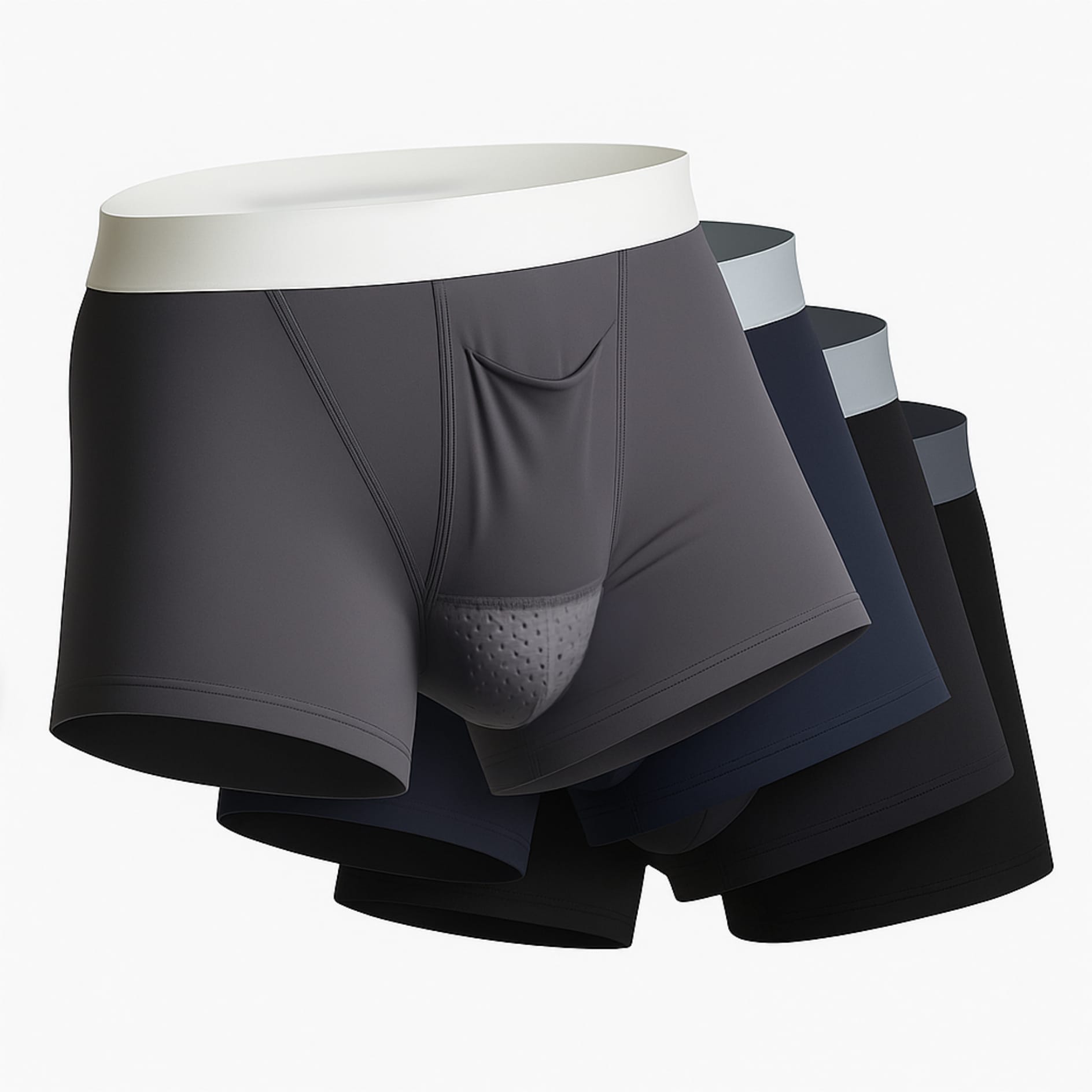
For an active lifestyle, compare the repeated jolt of running with the steadier movement of an elliptical or rowing machine. Pay attention to scrotal movement as well as breathing and effort. During running, a secure, bounce-minimizing dual-compartment support design may reduce movement and friction for some men. Supportive underwear can improve comfort, but it cannot repair faulty vein valves, stop venous reflux, or guarantee pain relief. VaricoceleUnderwear.com describes its garment as providing targeted scrotal support and cooling. Its running and cardio underwear for varicocele is one option to assess for fit and comfort. For a broader comparison, see this guide to the best varicocele underwear. Product features should not be confused with independent clinical proof. Choose a fit that feels supportive without being excessively tight or hot. Arrange a urology visit for persistent pain, a new lump, swelling, or fertility concerns. Sudden severe testicular pain, especially with nausea or rapid swelling, requires emergency assessment. A clinician can confirm the cause and discuss observation, symptom management, or appropriate treatment.
Related Articles

Choose Varicocele Support Designed for Cooling, Lift, and Daily Comfort
You’ve seen why regular underwear often falls short. Now view the purpose-built option made to reduce heaviness, improve support, and feel comfortable enough for everyday wear.