Staying fit with a varicocele isn’t just possible, it’s recommended. But not all gym exercises are equal when there are dilated veins in your scrotum that respond to intra-abdominal pressure, gravity, and heat. Some movements significantly worsen venous pooling and pain. Others are perfectly safe and support long-term vascular health. This guide covers which exercises to prioritize, which ones to modify, and how to structure your training in a way that builds muscle without aggravating scrotal vein pressure. Whether you’re a beginner or a committed gym-goer, this is what the evidence actually supports.
Why Exercise Matters for Varicocele Health
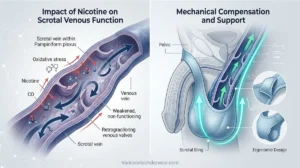
Varicocele is a venous condition at its core. Anything that reduces venous return from the lower body and pelvis, or elevates intra-abdominal pressure for sustained periods, can worsen blood pooling in the pampiniform plexus. On the flip side, regular moderate exercise improves systemic venous tone, reduces oxidative stress, supports healthy testosterone levels, and promotes circulation quality across the entire body.
The goal isn’t to avoid exercise. It’s to select and structure exercise intelligently. High-intensity training and varicocele requires careful programming because explosive, high-load exercises can spike intra-abdominal pressure in ways that directly worsen venous reflux in susceptible men.
Exercises to Avoid or Limit
Certain exercises consistently generate high intra-abdominal and intra-pelvic pressure. This pressure is transmitted directly to the testicular veins through the abdominal and pelvic venous system, worsening reflux and pain in men with varicocele.
- Heavy barbell squats (especially low-bar back squat with maximal loads): maximum intra-abdominal pressure, Valsalva-heavy, high risk for symptomatic flare
- Heavy deadlifts: similar pressure profile; sumo stance is generally worse than conventional
- Leg press with full stack: extreme intra-abdominal pressure in a compressed hip position
- Heavy overhead press: significant Valsalva component at maximal loads
- Sprint intervals on incline: high-impact, high-pressure, prolonged scrotal movement
- Jump rope at high intensity: repetitive scrotal movement without support
- Heavy Romanian deadlifts without support: hamstring loading combined with pelvic pressure
None of these are permanently off-limits for every man with varicocele, but they need to be modified or monitored, especially during symptomatic flares or before treatment.

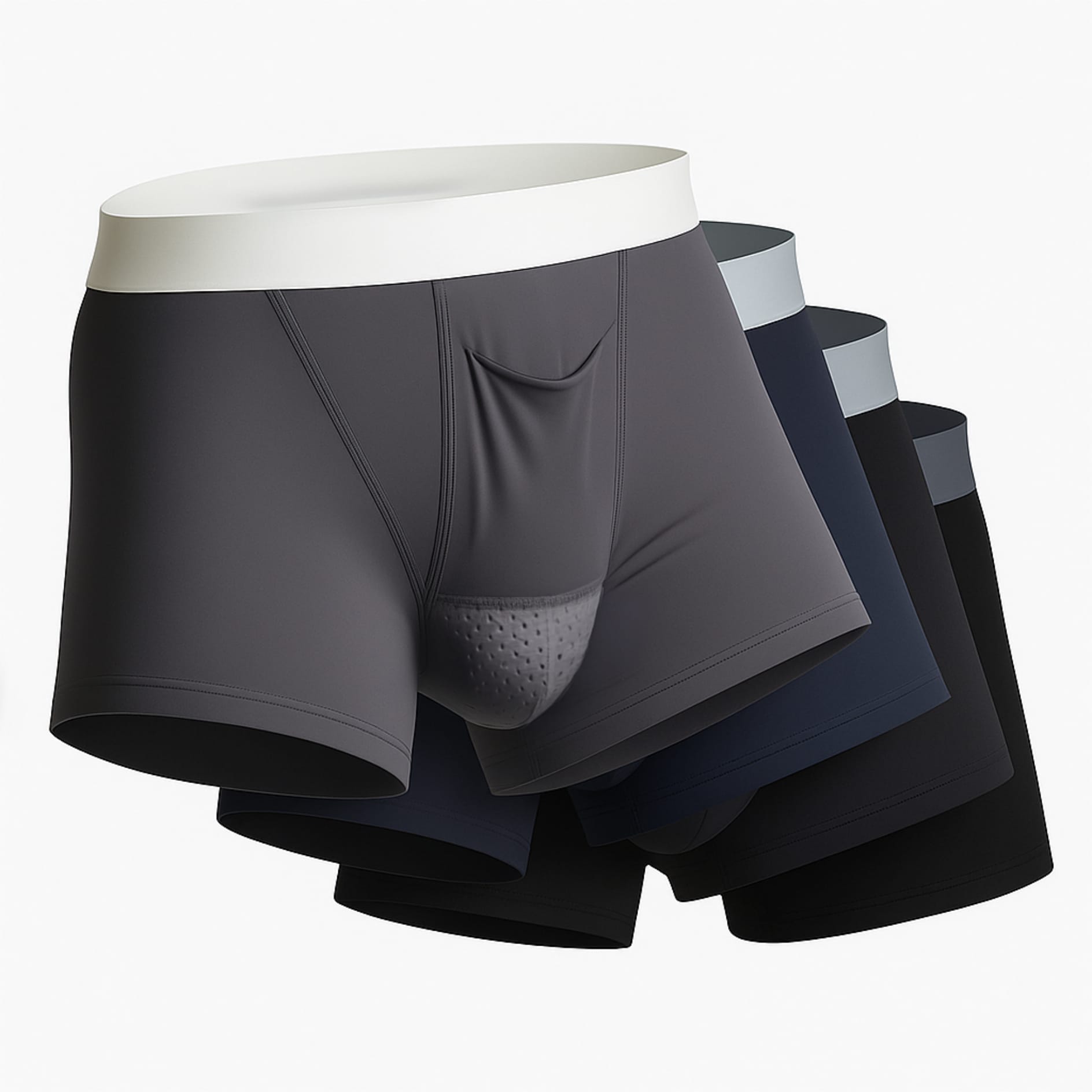
Discover specialized varicocele underwear designed for daily comfort, support, and recovery — a more targeted option for men who want support without compromise.
Discover the Recommended OptionBest Safe Exercises for Men With Varicocele
1. Walking and Incline Walking
Consistent daily walking at a moderate pace is one of the most effective exercises for varicocele patients. It promotes calf muscle pump action, which drives venous return from the lower extremities without generating significant intra-abdominal pressure. Target 30-45 minutes per session. Wear supportive scrotal underwear to minimize movement-related discomfort.
2. Machine-Based Leg Work (Light to Moderate Load)
Leg extensions, lying leg curls, and seated calf raises all target lower body musculature with minimal intra-abdominal pressure. These allow meaningful quadriceps, hamstring, and calf development without the compressive pelvic loading of free-weight squats or deadlifts. Keep loads at 60-70% of maximum and focus on controlled tempo.
3. Swimming
Swimming is an ideal varicocele-friendly cardiovascular and resistance exercise. The horizontal body position eliminates gravitational venous pooling in the scrotum, the hydrostatic pressure of water supports venous return, and the full-body muscular engagement occurs without joint loading or abdominal compression. Freestyle and backstroke are both appropriate. Avoid prolonged diving or underwater breath-holding, which can spike thoracic pressure.
4. Upper Body Cable and Machine Work
Cable rows, lat pulldowns, chest press machines, and cable flyes build significant upper body mass without requiring the Valsalva maneuver that heavy free-weight pressing demands. These exercises have minimal impact on testicular venous pressure and can be performed at high volumes safely.
5. Stationary Cycling (Upright, Moderate Resistance)
Moderate stationary cycling is generally well-tolerated. However, ensure the seat is properly adjusted to avoid perineal compression, which can worsen pelvic venous congestion. A seat that’s too low concentrates pressure directly on the scrotal and perineal area. Recumbent cycling is the safer option for men with significant symptoms.
6. Goblet Squats and Box Squats (Light Load)
If you want to maintain quad development with squatting mechanics, goblet squats with a dumbbell or kettlebell at 50% of your normal squatting load significantly reduce spinal compressive forces and intra-abdominal pressure compared to barbell back squats. Box squats reduce the range of motion component that generates maximum pelvic pressure at the bottom position.
Training Principles for Varicocele Management
| Principle | Recommendation | Reason |
|---|---|---|
| Load intensity | Keep at 60-75% max for compound lifts | Reduces intra-abdominal pressure spike |
| Rep range | 12-20 reps preferred over 1-5 rep max | Lower load, less Valsalva required |
| Rest position | Sit or lie between heavy sets | Allows venous decompression |
| Scrotal support | Always wear supportive underwear at gym | Reduces movement and venous pooling |
| Hydration | Maintain consistent fluid intake | Supports blood viscosity and venous tone |
| Session duration | 45-60 min; avoid 2+ hour sessions | Prolonged exertion worsens venous pressure |
Post-Workout Recovery for Varicocele Patients
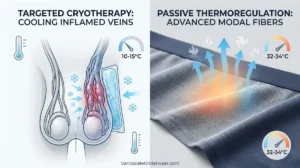
After training, elevating the legs for 10-15 minutes actively promotes venous drainage from the pelvis and lower extremities. Cold showers (not ice baths) help reduce scrotal temperature that rises during exercise. Avoid prolonged sitting immediately after a workout as hip flexion combined with post-exercise venous dilation creates a pressure environment that worsens pooling.
For men who have had varicocele surgery or embolization, the exercise recovery guide post-varicocelectomy provides a structured return-to-training protocol with specific timelines for each exercise category.
FAQ: Gym Training With Varicocele
Will weightlifting make my varicocele worse permanently?
Heavy lifting that generates repeated intra-abdominal pressure spikes over time may worsen venous reflux in men with existing varicocele, particularly with the Valsalva-heavy compound movements. It doesn’t cause varicocele from scratch, but it can accelerate progression or worsen symptoms. Consistent use of moderate loads, proper technique, and scrotal support substantially reduces this risk.
Is it safe to train while waiting for varicocele treatment?
Yes, with appropriate modifications. Most urologists do not advise stopping exercise entirely before varicocele treatment. Switching to lower-pressure exercise alternatives (swimming, machine work, walking), wearing scrotal support, and monitoring symptoms is the standard approach. If pain significantly worsens during specific exercises, eliminate those movements specifically rather than stopping all training.
Does varicocele affect testosterone during heavy training?
Varicocele independently reduces testosterone production through heat-related Leydig cell dysfunction. Heavy training further stresses the hypothalamic-pituitary-gonadal axis, particularly with insufficient recovery. The combination can result in suboptimal testosterone levels affecting strength, recovery, and libido. Reviewing the relationship between varicocele and testosterone helps frame this interaction clearly.
Related Articles
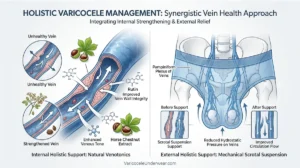
Choose Varicocele Support Designed for Cooling, Lift, and Daily Comfort
You’ve seen why regular underwear often falls short. Now view the purpose-built option made to reduce heaviness, improve support, and feel comfortable enough for everyday wear.