Living with a varicocele does not mean you must give up fitness entirely, but it requires a smart approach to your workout routine. Many active men wonder, can I go to gym with varicocele without worsening scrotal swelling or dull aching pain? The short answer is yes, provided you select exercises that do not spike intra-abdominal pressure or create excessive physical stress on the pampiniform plexus. Understanding the mechanics of your veins helps protect your vascular health while keeping you physically fit.
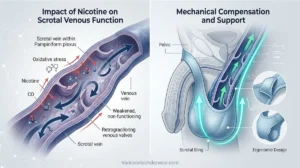
A varicocele occurs when the internal spermatic veins experience valvular insufficiency, allowing blood to pool in the scrotum rather than flowing smoothly back toward the heart. According to clinical data from NCBI StatPearls, retrograde venous blood flow increases local heat and venous pressure. During strenuous exercise, certain movements worsen this pooling effect. By learning how specific movements influence blood pressure within the pelvic cavity, you can build a safe workout with varicocele that preserves your vascular health.
Can I Go to Gym with Varicocele? Understanding Fitness Limits
When deciding how to structure your workouts, the main variable to control is intra-abdominal pressure. When you lift heavy weights or perform intense breath-holding, your diaphragm pushes down while your abdominal wall contracts. Medical literature from the National Institutes of Health notes that this action, known as the Valsalva maneuver, temporarily blocks venous return from the lower body. As a result, blood builds up in the impaired scrotal veins, leading to pain and vascular stretch.
Heavy compound lifts like standing barbell squats, deadlifts, and heavy leg presses generate high internal pressure. If you continue performing these lifts without modifications, you risk expanding the impaired veins further. Conservative management does not repair damaged venous valves, but choosing the right exercises prevents extra physical stress on the scrotum during training.
| Exercise Category | High-Risk Exercises (Avoid/Modify) | Safe Alternative Exercises | Impact on Vein Pressure |
|---|---|---|---|
| Upper Body Push | Standard Heavy Bench Press, Flat Push-ups | High-Incline Pushups, Seated Dumbbell Chest Press | Reduces thoracic strain and gravity pull |
| Upper Body Pull | Heavy Bent-Over Barbell Rows | Chest-Supported Rows, Pull-ups, Lat Pulldowns | Removes strain from the lower back and groin |
| Lower Body | Heavy Barbell Squats, Heavy Deadlifts | Bodyweight Lunge, Bodyweight Step-ups, Leg Extensions | Minimizes intra-abdominal pressure spikes |
| Conditioning | High-Impact HIIT, Heavy Sprinting | Moderate Cycling (With Proper Saddle), Walking, Swimming | Controls pelvic jolting and venous pooling |
If you enjoy high-intensity interval training, modifying your intensity and resting between sets can protect your pelvic veins from excess pressure. You can read more about adapting cardio routines in our guide on HIIT workouts with varicocele.

Discover specialized varicocele underwear designed for daily comfort, support, and recovery — a more targeted option for men who want support without compromise.
Discover the Recommended OptionSafe Exercises: High-Incline Pushups, Pull-ups, and Seated Moves
Replacing heavy compound movements with targeted, supported exercises keeps your muscles active without stressing the testicular veins. Selecting exercises that place your torso at an angle or provide upper-body support prevents blood pooling in the lower abdomen.
Here are several ideal exercise selections for your routine:
- High-Incline Pushups: Performing pushups with varicocele on an elevated surface like a bench or smith machine bar reduces the force of gravity on your pelvis while lowering core exertion. Maintain steady breathing throughout each repetition to avoid breath-holding.
- Bodyweight Pull-ups & Lat Pulldowns: Vertical pulling movements engage your back and arms without forcing your lower abdomen to bear extreme loads. Ensure your feet do not kick violently, keeping the motion smooth.
- Seated Dumbbell Overhead Press: Sitting upright against a back pad provides spinal stability. This prevents excessive core bracing, allowing your shoulders to work without causing pelvic pressure spikes.
- Chest-Supported Rows: Resting your chest against an incline bench removes the need for your lower back and core to stabilize heavy weights, protecting the spermatic veins.
- Bodyweight Step-ups: Moving one leg at a time with controlled weight builds leg strength without the massive intra-abdominal spikes created by heavy squats.
Why Scrotal Support is Non-Negotiable in the Gym
Exercise selection is only half of the equation; proper support during movement is equally critical. Loose clothing or improper underwear allows the testicles to hang freely, exposing damaged veins to continuous movement and gravity. Loose boxers or regular cotton briefs do not hold tissues close to the body, which can lead to dull aching after a workout. Avoid common underwear mistakes that aggravate varicocele symptoms by choosing gear built specifically for physical activity.
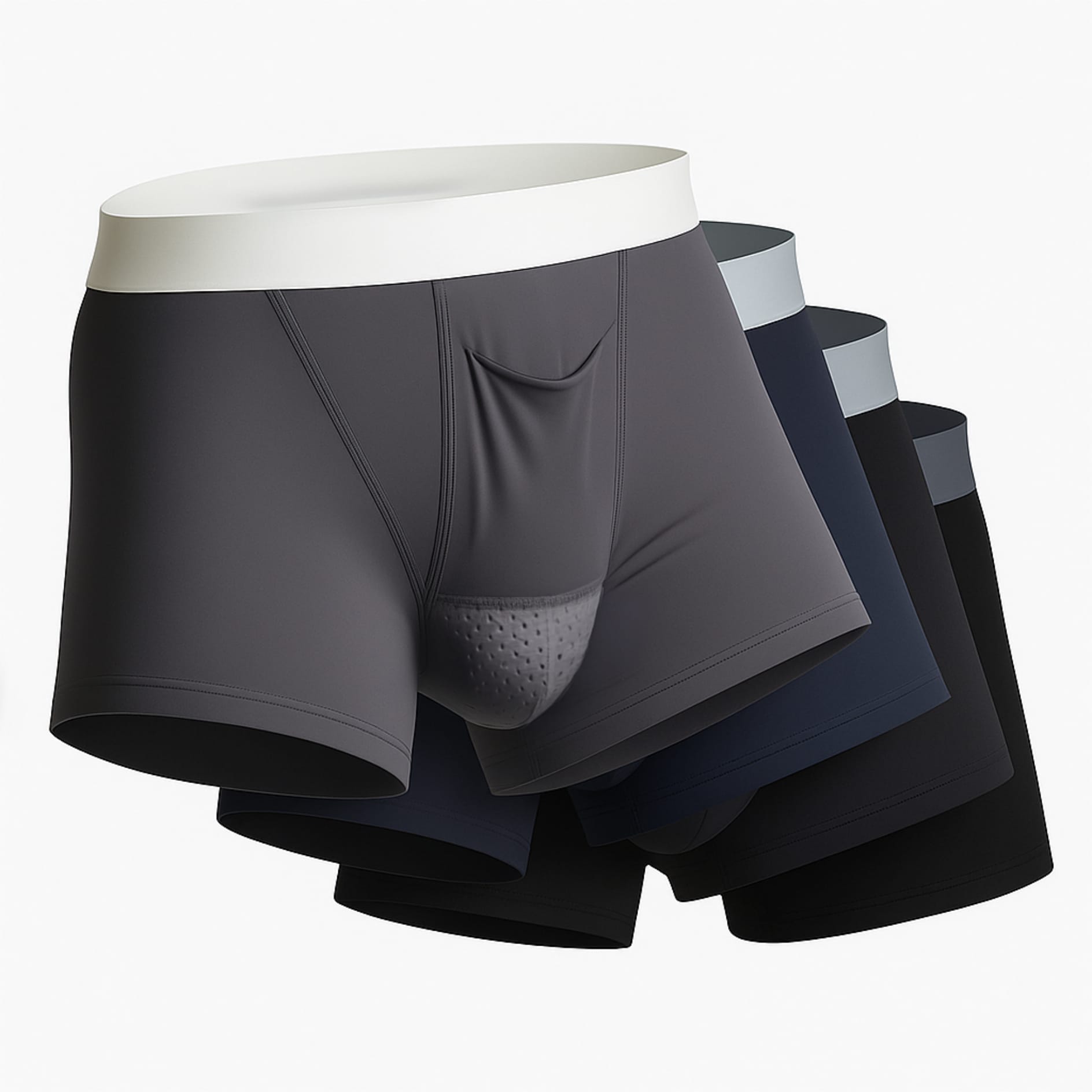
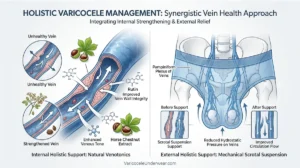
Selecting specialized gym wear for varicocele keeps the scrotal sac lifted against the body. When shopping for supportive activewear, look for garments designed with an ergonomic scrotal sling or supportive pouch that provides continuous elevation. For active men seeking non-invasive daily comfort, using dedicated varicocele support underwear provides a stable, dual-pouch lifting system made from a breathable micro-modal and spandex blend. This design functions much like a high-performance sports bra for the scrotum, keeping dilated veins stabilized, preventing excess stretching, and protecting sensitive tissue from gravitational pull during physical exertion.
While supportive garments manage daily discomfort during physical activity, remember that mechanical support does not cure underlying vascular issues. However, combining tailored scrotal suspension with smart exercise modifications offers an accessible way to keep training comfortably without irritating sensitive veins.
Frequently Asked Questions
Can performing pushups worsen a varicocele?
Standard floor pushups generate moderate abdominal tension. Performing high-incline pushups on a bench reduces core pressure, making them a safe choice. Remember to breathe out during the effort phase to prevent pressure accumulation in the abdomen.
Do I need to stop lifting weights completely if I have a varicocele?
No, complete cessation of weightlifting is rarely required. Shift your focus to seated, chest-supported, or bodyweight exercises while avoiding maximum-effort heavy lifts like heavy squats and deadlifts that force intense breath-holding.
How does supportive gym wear help during workouts?
Supportive gym wear lifts the scrotum closer to the abdominal wall, neutralizing gravitational pull and dampening shock during movement. This physical stabilization stops expanded veins from swinging, helping prevent dull aches during and after exercise.
Practical Takeaway
You can maintain an active fitness routine with a varicocele by making key adjustments. Focus on high-incline pushups, seated presses, and chest-supported rows while avoiding heavy compound lifts that trigger the Valsalva maneuver. Always pair your workouts with elevated scrotal support to stabilize pelvic veins against gravity and keep your training comfortable.
Related Articles
Choose Varicocele Support Designed for Cooling, Lift, and Daily Comfort
You’ve seen why regular underwear often falls short. Now view the purpose-built option made to reduce heaviness, improve support, and feel comfortable enough for everyday wear.