Yoga isn’t the first thing most urologists mention when discussing varicocele management, but the evidence for specific poses improving pelvic venous return, reducing scrotal temperature, and managing chronic pain is more solid than you might expect. The right yoga practices can reduce gravitational venous pooling, relax hypertonic pelvic muscles that amplify scrotal pain, and improve parasympathetic tone that helps downregulate pain signaling. This article outlines five specific poses with a direct physiological rationale for varicocele patients, plus key practices to avoid. No spiritual content required, just anatomy and blood flow.
How Yoga Affects Pelvic Venous Return
Pelvic venous return depends on three primary mechanisms: the pressure gradient between peripheral veins and the right heart, the respiratory pump (diaphragmatic breathing creates cyclic pressure changes that move venous blood upward), and the muscle pump (limb and core muscle contractions squeeze blood toward the heart). Yoga addresses all three through inversions that reverse gravity’s effect on pelvic veins, diaphragmatic breathing that optimizes the respiratory pump, and gentle dynamic movements that activate the muscle pump without generating the high intra-abdominal pressure of weightlifting.
Additionally, yoga’s documented effect on cortisol reduction and parasympathetic activation directly benefits men experiencing the psychological stress that commonly accompanies chronic varicocele pain. The mental health impact of varicocele is real, and mind-body practices address this dimension that purely structural interventions miss.
Poses to Avoid With Varicocele
Before the beneficial poses, a brief but important list of movements that can worsen varicocele symptoms:
- Boat pose (Navasana): sustained intra-abdominal compression; avoid in symptomatic men
- Extended side angle with deep lunge: significant pelvic pressure
- Crow pose and arm balances: extreme abdominal loading
- Deep unsupported forward folds with locked knees: can compress pelvic veins at hip crease
- Hot yoga: elevated ambient temperature directly worsens scrotal heat stress and venous dilation
5 Yoga Poses That Support Pelvic Venous Return
1. Legs Up the Wall (Viparita Karani)
This is arguably the single most beneficial yoga pose for varicocele. Lying on your back with legs resting vertically against a wall uses gravity in reverse, allowing blood that has pooled in the pelvic and scrotal veins to drain toward the heart. It requires zero muscular effort and generates no intra-abdominal pressure. Hold for 5-15 minutes once or twice daily, especially after prolonged standing or exercise.
Physiologically, this pose reduces hydrostatic pressure in testicular veins by approximately 30-40 mmHg compared to standing, providing immediate symptomatic relief. Many men report significant pain reduction during and immediately after this practice. Wear loose-fitting underwear or go without during this pose to maximize venous decompression, and pair it with the best sleep positions for varicocele for overnight symptom management.

Discover specialized varicocele underwear designed for daily comfort, support, and recovery — a more targeted option for men who want support without compromise.
Discover the Recommended Option2. Supported Bridge Pose (Setu Bandha Sarvangasana)
Lying on your back with knees bent, feet flat on the floor, and hips lifted gently off the ground. Place a yoga block or folded blanket under the sacrum for passive support rather than actively holding the position with gluteal contraction. This mild pelvic elevation improves venous drainage from the perineum and scrotum without compressing abdominal veins. Hold passively for 3-5 minutes. The key is passive support, not active muscular effort.
3. Reclined Bound Angle Pose (Supta Baddha Konasana)
Lying flat on your back, soles of the feet together, knees falling out to the sides. This pose opens the inner groin and hip adductors, reducing tension in the muscles that can compress pelvic veins when chronically tight. It also directly relaxes the pelvic floor through passive hip external rotation and gravity. Use bolsters or pillows under the outer knees for support if the stretch is too intense. The combination of pelvic floor relaxation and horizontal position makes this particularly valuable for men with combined varicocele and pelvic floor tension.
4. Child’s Pose (Balasana)
Kneeling with knees wide, big toes touching, and torso folded forward onto the floor or a bolster. This pose gently decompresses the lumbar spine, relaxes the hip flexors, and creates a mild inversion of the pelvic contents relative to the thorax. The wide-knee variation (rather than knees together) avoids direct scrotal compression. Diaphragmatic breathing in this position creates rhythmic pressure changes that support venous return. Hold for 2-5 minutes with slow, deep nasal breathing.
5. Supine Spinal Twist (Supta Matsyendrasana)
Lying on your back, drawing one knee to the chest and guiding it across the body while keeping both shoulders flat. This gentle spinal rotation releases tension in the quadratus lumborum and psoas muscles, both of which can indirectly compress pelvic venous structures when chronically tight in men with desk-based jobs or heavy lifting backgrounds. Hold each side for 2-3 minutes. Avoid forcing range of motion; the pose should be entirely comfortable throughout.
| Pose | Primary Mechanism | Duration | Frequency |
|---|---|---|---|
| Legs Up the Wall | Gravity-assisted venous drainage | 5-15 min | Daily, post-exercise |
| Supported Bridge | Passive pelvic elevation | 3-5 min | Daily |
| Reclined Bound Angle | Pelvic floor relaxation | 3-5 min | Daily |
| Child’s Pose | Spinal decompression, respiratory pump | 2-5 min | Daily |
| Supine Spinal Twist | Psoas/QL release, indirect vein decompression | 2-3 min per side | 4-5x weekly |
Breathing Techniques That Improve Venous Return
The diaphragmatic (belly) breathing pattern, where the abdomen expands on inhalation and contracts on exhalation, creates a pressure differential in the thorax that actively draws venous blood upward from the pelvis. Shallow chest breathing, the default pattern for most stressed and sedentary men, largely eliminates this mechanism.
Practice 10 minutes of diaphragmatic breathing daily in a reclined or supine position. Place one hand on the chest and one on the belly; the belly hand should rise significantly more than the chest hand on inhalation. This simple practice, done consistently, measurably improves venous return and reduces pelvic congestion over time. Combined with Legs Up the Wall, it produces synergistic drainage effects that many varicocele patients report as their most effective non-pharmacological symptom management tool.
Combining Yoga With Other Conservative Varicocele Management
Yoga is most effective as part of a broader conservative management approach. Pairing daily yoga with supportive and cooling varicocele underwear during waking hours addresses both venous pressure (support) and scrotal temperature (cooling), the two primary mechanisms of varicocele-related damage. Adding yoga to a program that includes hydration optimization, dietary anti-inflammatory support, and appropriate exercise selection creates a comprehensive conservative strategy.
For men exploring the full range of non-surgical options, the alternative varicocele treatments guide for 2026 covers the current evidence for each approach in detail.
FAQ: Yoga and Varicocele Relief
How long before I notice symptom improvement from yoga?
Immediate relief from Legs Up the Wall and supported bridge poses is commonly reported during the practice itself. Sustained improvement in baseline pain levels typically requires 4-6 weeks of consistent daily practice. The structural varicocele doesn’t change, but venous decompression habits, pelvic floor tension reduction, and improved breathing patterns produce cumulative benefits over time.
Can yoga replace varicocele surgery?
Yoga manages symptoms and supports vascular health but does not repair faulty venous valves or reverse venous dilation. If you have a clinical varicocele with significant fertility impairment, testicular atrophy, or severe pain, yoga is a complement to, not a replacement for, evidence-based treatment. Use it alongside medical management, not instead of it.
Is hot yoga safe with varicocele?
Hot yoga (Bikram or heated vinyasa) is not recommended for varicocele patients. Elevated ambient temperature increases scrotal heat stress, worsens venous dilation, and directly compounds the thermal damage mechanism that drives varicocele-related fertility impairment. Practice yoga in a cool, well-ventilated environment. Room temperature yoga is safe and beneficial; heated yoga actively worsens the core problem.
Related Articles
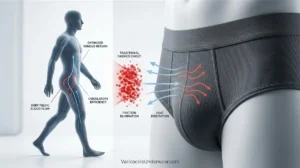
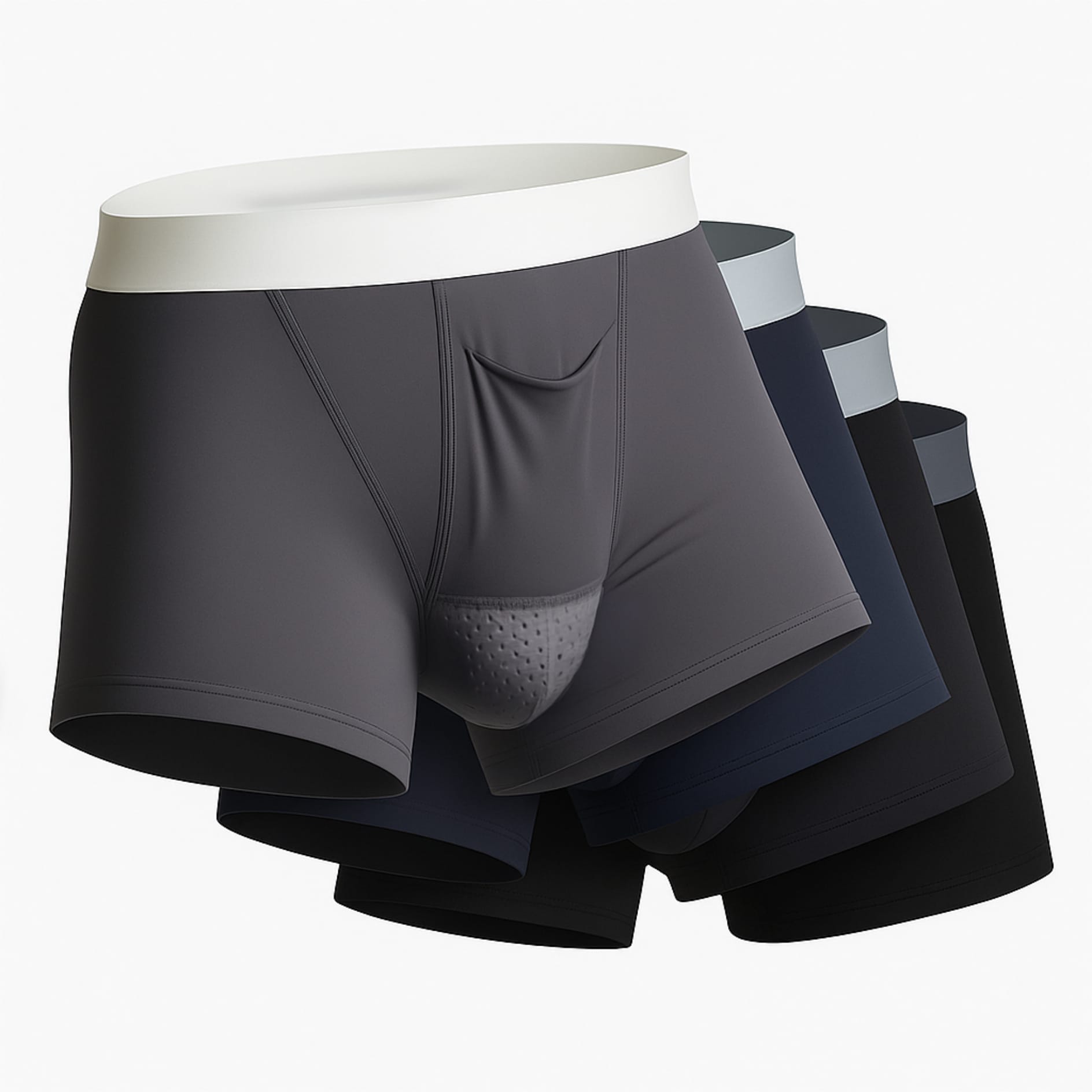
Choose Varicocele Support Designed for Cooling, Lift, and Daily Comfort
You’ve seen why regular underwear often falls short. Now view the purpose-built option made to reduce heaviness, improve support, and feel comfortable enough for everyday wear.