Most varicocele guides focus on surgery, embolization, and underwear. Almost none address what you’re putting in your body every day and how it directly affects your scrotal veins, sperm quality, and pain levels. Alcohol and tobacco are two of the most common lifestyle habits globally, and both have documented vascular and reproductive effects that are directly relevant to varicocele pathophysiology. This article examines what the 2026 evidence says about how drinking and smoking affect varicocele symptoms, venous health, and fertility, without moralizing, just the mechanisms and data.
How Alcohol Affects Varicocele
Vasodilation and Venous Pooling
Alcohol is a direct vasodilator. It inhibits the release of antidiuretic hormone (ADH) and stimulates nitric oxide production, both of which cause blood vessel walls to relax and widen. For healthy arteries, this is a temporary and largely inconsequential effect. For already-dilated, valve-incompetent pampiniform veins in a varicocele, alcohol-induced vasodilation worsens venous engorgement and increases the volume of blood pooling in scrotal veins. This is why many men with varicocele notice worsening scrotal heaviness, ache, and visible vein engorgement after drinking, particularly after consuming more than 2-3 standard drinks.
Alcohol and Testosterone
Chronic alcohol consumption suppresses testosterone at multiple levels. Ethanol directly inhibits Leydig cell function in the testes, reducing testosterone synthesis. It also impairs the hypothalamic-pituitary axis signaling that drives testosterone production. For men with varicocele, who already face testosterone suppression from heat-related Leydig cell dysfunction, chronic drinking compounds an existing problem.
Research published in Alcohol and Alcoholism found that chronic alcohol use was independently associated with reduced testicular volume and lower testosterone concentrations. In men with pre-existing varicocele and borderline testosterone, alcohol-related suppression can tip the balance into symptomatic hypogonadism. The relationship between varicocele and testosterone already represents a physiological vulnerability that alcohol actively worsens.
Alcohol’s Effect on Sperm Quality
Heavy drinking impairs spermatogenesis through multiple pathways: direct testicular toxicity, elevated estrogen (alcohol promotes aromatase activity, converting testosterone to estradiol), nutritional deficiencies (zinc and folate, both critical for sperm production, are depleted by chronic alcohol use), and increased oxidative stress. The oxidative stress pathway is particularly relevant for varicocele patients, because elevated reactive oxygen species from alcohol consumption add to the already-elevated oxidative stress environment created by venous blood pooling and hyperthermia.

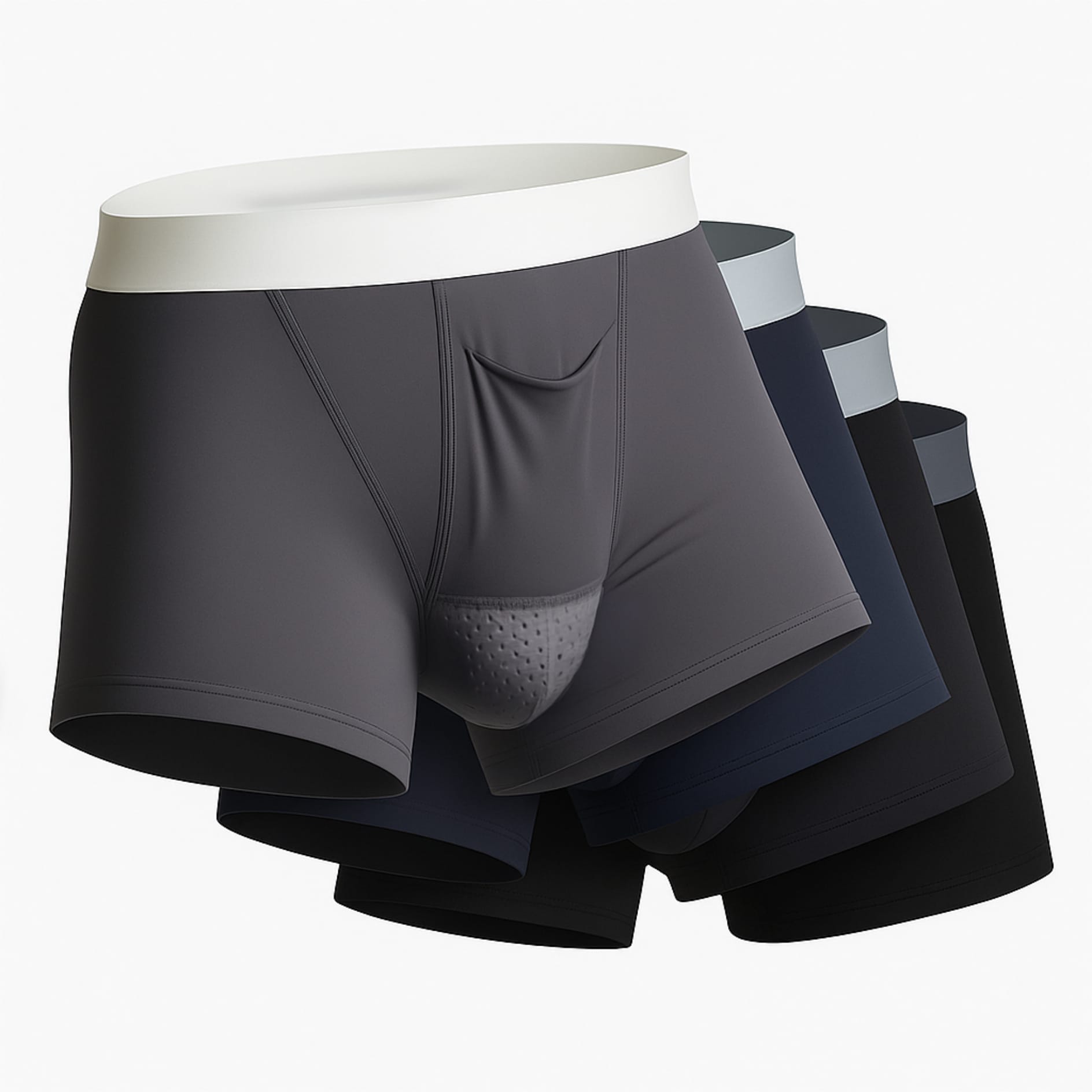
Discover specialized varicocele underwear designed for daily comfort, support, and recovery — a more targeted option for men who want support without compromise.
Discover the Recommended Option| Alcohol Effect | Mechanism | Varicocele Interaction |
|---|---|---|
| Vasodilation | Nitric oxide, ADH suppression | Worsens venous pooling in pampiniform plexus |
| Testosterone suppression | Leydig cell toxicity, HPG axis suppression | Compounds varicocele-related hypogonadism |
| Oxidative stress | Reactive oxygen species generation | Adds to varicocele ROS burden on sperm |
| Dehydration | ADH suppression, diuresis | Increases blood viscosity, impairs venous flow |
| Aromatase activation | Testosterone to estrogen conversion | Worsens hormonal imbalance in varicocele |
How Smoking Affects Varicocele
Nicotine and Venous Wall Damage
Nicotine causes vasoconstriction in arteries but has complex effects on veins. More critically, the thousands of chemical compounds in tobacco smoke cause direct endothelial damage: the inner lining of blood vessel walls becomes inflamed, thickened, and dysfunctional. Venous valves rely on healthy endothelium to maintain competence. Chronic tobacco exposure accelerates venous wall degeneration and valve dysfunction, a mechanism directly implicated in varicose vein disease throughout the body, including the pampiniform plexus.
A large population-based study in Fertility and Sterility found that male smokers had significantly worse semen parameters than non-smokers, with effects on sperm concentration, motility, and morphology that were independent of other lifestyle factors. In men with varicocele, the oxidative stress from smoking is additive to the baseline oxidative burden from venous blood stasis and heat, creating a substantially more hostile environment for sperm production.
Carbon Monoxide and Testicular Oxygen Supply
Carbon monoxide from tobacco smoke binds hemoglobin with 200 times greater affinity than oxygen, reducing the oxygen-carrying capacity of blood. Testicular spermatogenesis is highly oxygen-dependent. Reduced oxygen delivery to an already thermally stressed testicle (varicocele-related heat damage reduces blood oxygenation efficiency in testicular microcirculation) creates a double hypoxic hit that impairs Sertoli cell function and accelerates spermatogenic failure.
Smoking and Varicocele Surgery Outcomes
Active smoking significantly impairs healing after varicocele surgery and embolization. Nicotine reduces collagen synthesis and impairs microvascular repair, prolonging recovery time. Smokers also have higher rates of surgical site complications and post-embolization pain. Most urological surgeons recommend smoking cessation for at least 4 weeks before planned varicocele procedures and throughout the recovery period. This isn’t just a general health recommendation; it directly affects procedural outcomes.
Practical Reduction Strategies
Complete cessation is the ideal recommendation, but a harm-reduction approach is realistic for men who aren’t ready for full abstinence:
- Alcohol: limit to no more than 1-2 standard drinks per occasion; avoid binge drinking entirely; avoid alcohol on the evening before high-activity days when varicocele symptoms are typically managed with morning exercise
- Timing matters: drinking earlier in the evening allows vasodilatory effects to resolve before sleep; alcohol consumed close to bedtime worsens nocturnal scrotal venous pooling
- Smoking: any reduction helps; switching from cigarettes to e-cigarettes reduces carbon monoxide exposure significantly but does not eliminate nicotine’s endothelial effects
- Antioxidant compensation: if quitting smoking is not immediate, high-dose antioxidant supplementation (vitamin C 1000mg, vitamin E 400IU, CoQ10 200mg) partially counteracts the oxidative stress load on sperm; evidence supports this approach in the varicocele fertility supplement literature
The Combined Effect: Drinking and Smoking Together
Men who both drink regularly and smoke have a synergistically worse varicocele profile than those who do either alone. Alcohol’s vasodilation plus smoking’s endothelial damage plus both substances’ independent contributions to oxidative stress and testosterone suppression create a compounding vascular and reproductive burden. A 2016 Danish cohort study documented that male smokers who also consumed more than 25 units of alcohol per week had sperm counts roughly 50% lower than men with neither habit, with effects on DNA fragmentation that were disproportionate to either substance alone.
For men actively trying to conceive with a varicocele, reducing both alcohol and tobacco simultaneously, alongside using supportive and cooling varicocele underwear to address the thermal component, represents the most impactful non-surgical intervention package available in 2026. These behavioral changes don’t require a prescription, a waiting list, or a significant financial investment. They require only consistency.
Varicocele Pain After Drinking: What’s Happening
If you notice that scrotal ache reliably worsens in the hours after drinking, the mechanism is clear: alcohol vasodilation has temporarily increased venous caliber and pooling in the already-dilated pampiniform plexus, and dehydration has reduced venous tone and increased blood viscosity. Increasing fluid intake alongside or after alcohol consumption partially mitigates this effect. The patterns of varicocele pain and their triggers provide useful diagnostic and management information worth tracking over time.
FAQ: Alcohol, Smoking, and Varicocele
Can stopping alcohol and smoking reverse varicocele?
No. Varicocele is a structural venous problem (dilated veins with incompetent valves) that does not reverse with lifestyle change. However, stopping alcohol and smoking does reduce symptom severity, improves sperm quality over the 74-day sperm production cycle, and optimizes outcomes if you undergo varicocele surgery or embolization. Cessation addresses modifiable aggravating factors, not the underlying anatomy.
How quickly does sperm quality improve after stopping smoking?
Spermatogenesis takes approximately 74 days (one full cycle). Most studies show meaningful improvement in sperm concentration, motility, and DNA fragmentation within 3-6 months of complete smoking cessation. The improvement is more pronounced in men who also address other oxidative stressors, including varicocele-related heat stress through supportive underwear and conservative management.
Does alcohol affect varicocele after surgery?
Post-surgical alcohol consumption slows healing through several mechanisms: vasodilation impairs normal post-operative vascular remodeling, dehydration reduces tissue perfusion, and alcohol’s immune-suppressive effects increase infection risk in the early recovery window. Most urological surgeons recommend avoiding alcohol for at least 2 weeks after varicocele surgery. For the full recovery picture, the varicocele surgery recovery diet guide covers nutritional and dietary considerations in the post-operative period.
Related Articles
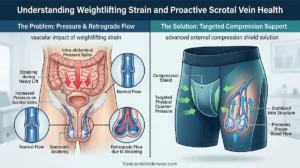
Choose Varicocele Support Designed for Cooling, Lift, and Daily Comfort
You’ve seen why regular underwear often falls short. Now view the purpose-built option made to reduce heaviness, improve support, and feel comfortable enough for everyday wear.