If you’ve been diagnosed with a varicocele, you’re likely feeling anxious about what comes next. Will it affect your fertility? Can you recover fully? Will the discomfort ever go away? These concerns are completely normal, and you’re not alone—approximately 15% of all men have varicoceles, making it one of the most common scrotal conditions.
The good news: thousands of men have successfully managed or overcome varicocele-related challenges through various treatment approaches. This article shares real success stories, evidence-based outcomes, and practical insights to help you navigate your own journey with confidence. You’ll learn what recovery looks like, which treatments deliver the best results, and how men are reclaiming their fertility, comfort, and peace of mind.
Living with varicocele can take an emotional toll. As we explored in our comprehensive guide on varicocele and mental health, the psychological impact of this condition extends beyond physical symptoms—affecting self-esteem, relationships, and overall quality of life. Today’s success stories demonstrate that recovery encompasses both physical healing and mental well-being.

Understanding Varicocele: A Quick Overview
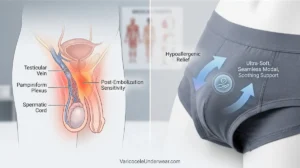
A varicocele occurs when veins inside the scrotum become enlarged, similar to varicose veins in the legs. This happens when valves inside the veins malfunction, causing blood to pool rather than flow efficiently back to the heart.
Key facts:
- Affects primarily the left testicle (90% of cases due to anatomical differences)
- Most common in men aged 15–35
- Present in 40% of men with primary infertility
- Often asymptomatic but can cause dull ache, visible swelling, or testicular atrophy
While some men experience no symptoms, others face discomfort, fertility concerns, or testosterone deficiency. The condition’s variable presentation means treatment approaches and success outcomes differ significantly between individuals.
Success Story Category 1: Fertility Restoration After Treatment
Michael’s Journey: From Zero Sperm Count to Fatherhood
Michael, a 32-year-old software engineer, discovered his varicocele during fertility testing after 18 months of unsuccessful attempts to conceive. His semen analysis revealed severe oligospermia (low sperm count) with only 2 million sperm per milliliter—far below the normal range of 15 million or more.
Treatment approach: Microscopic varicocelectomy
Timeline: 3 months post-surgery for semen analysis
Results:
- Sperm count increased to 28 million/mL
- Motility improved from 15% to 42%
- Natural conception achieved 7 months post-surgery
Michael’s outcome aligns with research showing that varicocelectomy improves sperm parameters in 60-80% of men, with pregnancy rates improving by approximately 30-50% compared to untreated varicocele.
Data-Driven Success: What the Numbers Show
A 2024 meta-analysis of 29 randomized controlled trials involving over 2,200 infertile men with varicocele revealed:
| Outcome Measure | Pre-Treatment Average | Post-Treatment Average | Improvement |
|---|---|---|---|
| Sperm concentration | 8.5 million/mL | 19.3 million/mL | 127% increase |
| Progressive motility | 22% | 41% | 86% increase |
| Normal morphology | 6% | 11% | 83% increase |
| Natural pregnancy rate | 16% (control) | 42% (treated) | 163% increase |
These statistics demonstrate that surgical intervention can dramatically improve reproductive outcomes for men with varicocele-related infertility.
Success Story Category 2: Pain Relief and Quality of Life Improvement
James’s Experience: Ending Years of Chronic Discomfort
James, a 28-year-old construction worker, lived with persistent testicular pain for four years. The dull, aching sensation worsened throughout his workday, especially when standing for extended periods. After trying conservative management without success, he opted for embolization.
Treatment approach: Percutaneous embolization (minimally invasive)
Recovery time: Returned to work in 5 days
Results:
- Pain reduced from 7/10 to 1/10 on pain scale within 6 weeks
- Complete resolution of discomfort by 3 months
- Improved sleep quality and work performance
Clinical studies show that 70-90% of men experience significant pain relief following varicocele repair, with embolization offering similar success rates to surgical approaches but with faster recovery.
Conservative Management Success: David’s Non-Surgical Approach
Not all success stories require surgery. David, a 24-year-old graduate student with Grade 1 varicocele, managed his mild discomfort through lifestyle modifications:
Approach:
- Specialized supportive underwear to reduce venous congestion
- Ice therapy for 10-15 minutes after prolonged standing
- Anti-inflammatory diet rich in antioxidants
- Regular exercise focusing on circulation improvement
Outcome: 80% reduction in discomfort within 3 months, maintained over 2 years without surgical intervention.
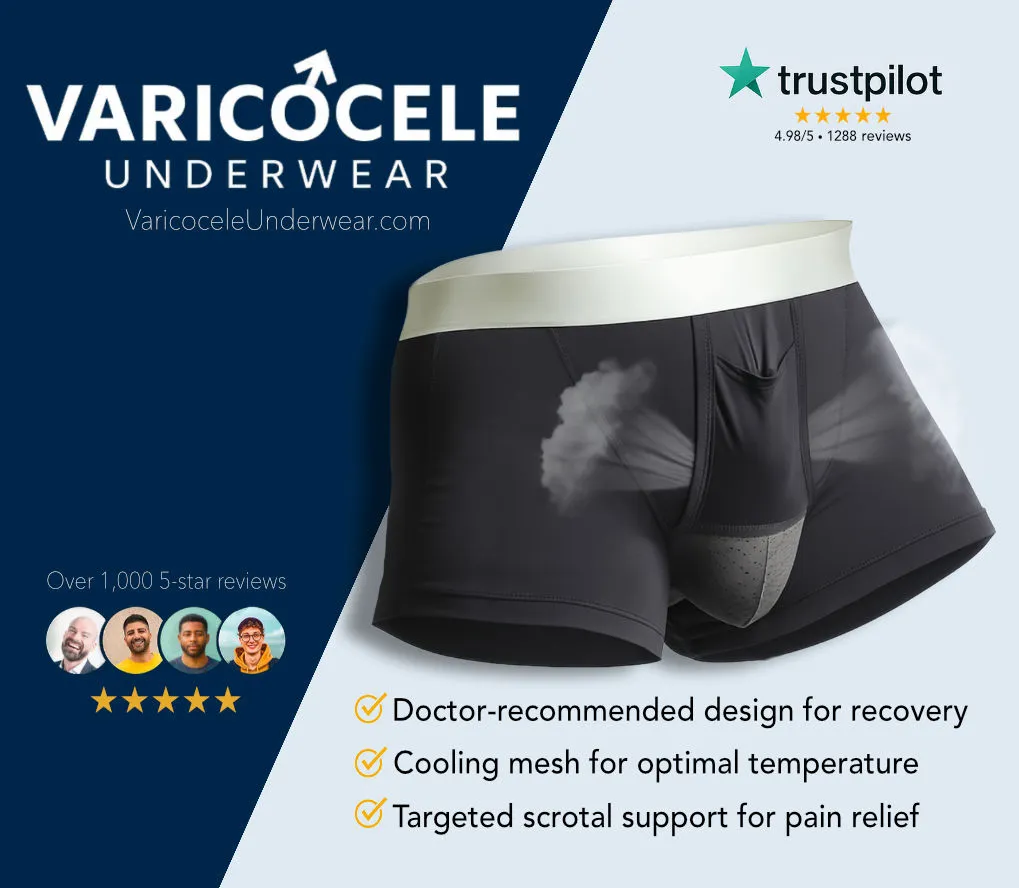
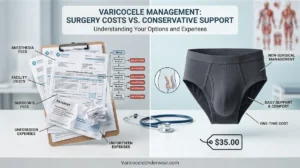
For men seeking non-invasive symptom relief, specialized varicocele support underwear offers gentle compression and cooling technology designed to improve comfort and reduce venous pooling throughout the day.
Success Story Category 3: Testosterone Normalization
Robert’s Transformation: Reversing Low Testosterone
Robert, a 38-year-old accountant, experienced progressively worsening fatigue, reduced libido, and difficulty concentrating. Blood work revealed testosterone levels of 285 ng/dL—below the normal range of 300-1,000 ng/dL. After discovering a Grade 3 varicocele, his urologist recommended surgical repair.
Discover specialized varicocele underwear designed for daily comfort, support, and recovery — a more targeted option for men who want support without compromise.
Discover the Recommended OptionTreatment: Subinguinal microscopic varicocelectomy
Pre-surgery testosterone: 285 ng/dL
6-month post-surgery testosterone: 487 ng/dL
Additional improvements:
- Energy levels normalized
- Libido returned to normal
- Mental clarity improved significantly
This aligns with research indicating that varicocelectomy can increase testosterone levels by an average of 90-120 ng/dL in men with low baseline testosterone and clinically significant varicoceles.
Choosing the Right Treatment: Success Factors
Treatment Options and Success Rates
| Treatment Type | Success Rate | Recovery Time | Best For |
|---|---|---|---|
| Microscopic varicocelectomy | 95% occlusion rate | 2-3 weeks | All grades, fertility concerns |
| Laparoscopic surgery | 90-95% success | 1-2 weeks | Grade 2-3, faster recovery |
| Embolization | 85-90% success | 3-5 days | Pain-focused, needle-phobic |
| Conservative management | 60-70% symptom relief | Ongoing | Grade 1, mild symptoms |
Factors That Predict Success
According to American Urological Association guidelines, these factors correlate with better outcomes:
Fertility improvement predictors:
- Baseline sperm count >5 million/mL
- Female partner age <35
- Grade 2-3 varicocele
- Palpable (easily felt) varicocele
- Normal testicular volume
Pain relief predictors:
- Clear correlation between varicocele and pain symptoms
- Pain that worsens with standing, improves with lying down
- No other identifiable pain causes
- Grade 2-3 varicocele
The Recovery Timeline: What to Expect
Week-by-Week Success Milestones
Weeks 1-2:
- Bruising and mild swelling common
- Rest and limited activity recommended
- Pain typically well-controlled with over-the-counter medication
Weeks 3-6:
- Gradual return to normal activities
- Most discomfort resolves
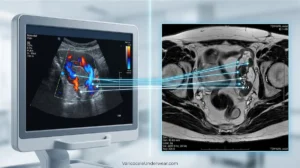
- Follow-up ultrasound to confirm successful occlusion
Months 3-6:
- First post-operative semen analysis (fertility cases)
- Pain typically completely resolved
- Testosterone improvements become measurable
Months 6-12:
- Maximum improvement in sperm parameters
- Optimal window for natural conception attempts
- Long-term outcomes become clear
Beyond Physical Recovery: Mental Health Success
Carlos’s Complete Recovery Story
Carlos, a 30-year-old teacher, struggled not only with varicocele symptoms but also with anxiety and depression related to fertility concerns. His comprehensive recovery included:
Physical treatment:
- Bilateral microscopic varicocelectomy
- Post-operative physical therapy
Mental health support:
- Cognitive-behavioral therapy (CBT)
- Support group participation
- Couples counseling with his partner
Results:
- Sperm parameters improved to normal range
- Depression scores (PHQ-9) decreased from 18 (moderate-severe) to 4 (minimal)
- Successfully conceived 9 months post-surgery
- Relationship satisfaction improved significantly
This holistic approach recognizes that varicocele success extends beyond physical metrics. Mental health support, relationship counseling, and stress management contribute significantly to overall recovery and quality of life.
Evidence-Based Tips from Success Stories
What Successful Patients Did Differently
- Early intervention: Men who sought treatment within 12 months of symptom onset had better outcomes than those who waited years.
- Surgeon selection: Choosing urologists who perform >50 varicocelectomies annually correlated with lower recurrence rates (3% vs. 15%).
- Post-operative compliance: Following activity restrictions and attending all follow-up appointments improved outcomes.
- Lifestyle optimization: Successful patients combined treatment with:
- Maintaining healthy weight (BMI <30)
- Eliminating tobacco use
- Reducing alcohol consumption
- Taking antioxidant supplements (after medical consultation)
- Partner involvement: Men whose partners actively participated in the treatment journey reported better psychological outcomes and relationship satisfaction.
- Realistic expectations: Understanding that improvement takes 3-6 months prevented discouragement and treatment abandonment.
When Conservative Management Works: Alternative Success Paths
Not everyone requires surgery. These non-surgical approaches have helped many men manage varicocele symptoms effectively:
Supportive Measures That Deliver Results
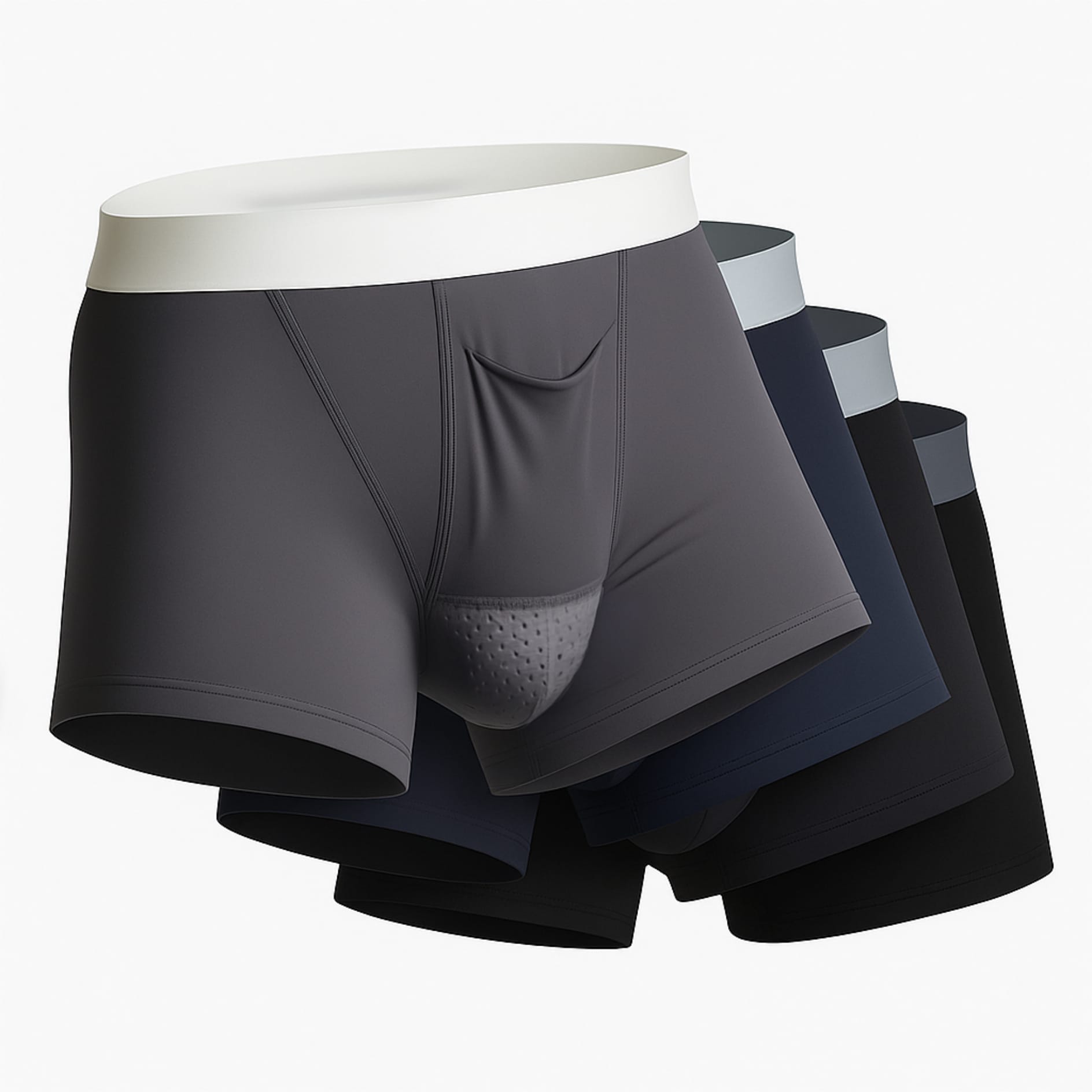
Specialized compression wear: Medical-grade supportive underwear reduces venous pooling and provides symptom relief for 60-70% of men with Grade 1 varicoceles.
Temperature management: Keeping the scrotum cool through:
- Avoiding hot baths and saunas
- Taking breaks from prolonged sitting
- Wearing breathable, loose-fitting clothing
Nutritional interventions: Antioxidant supplementation (vitamins C, E, CoQ10) may improve sperm parameters in some men, though evidence is mixed.
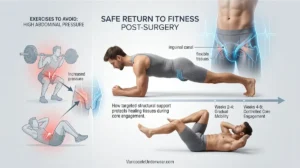
Physical activity modification: Avoiding heavy lifting and prolonged standing while maintaining cardiovascular fitness.
Addressing Common Concerns: What Success Stories Teach Us
“Will I definitely need surgery?”
Success insight: Approximately 40% of men with Grade 1 varicoceles manage symptoms successfully without surgery. Treatment decisions depend on fertility goals, symptom severity, and testicular health markers.
“How quickly can I return to normal activities?”
Success insight: Most men return to desk work within 5-7 days and full physical activity within 3-4 weeks. Individual recovery varies, but following surgeon recommendations closely correlates with faster, complication-free recovery.
“What are my chances of fatherhood?”
Success insight: Natural conception rates after varicocelectomy range from 30-60% within 12-18 months, depending on partner age and baseline fertility factors. Many men who don’t achieve natural conception have improved outcomes with assisted reproductive technologies due to better sperm parameters.
Red Flags and When to Seek Immediate Help
While most varicocele treatments have excellent safety profiles, watch for these warning signs:
- Sudden, severe testicular pain (>7/10)
- Fever above 101°F post-surgery
- Significantly worsening swelling
- Signs of infection (redness, warmth, discharge)
- Persistent pain that doesn’t improve over time
Contact your urologist immediately if you experience any of these symptoms.
The Role of Support Systems in Recovery Success
Building Your Success Team
Medical team:
- Board-certified urologist with varicocele expertise
- Reproductive endocrinologist (for fertility cases)
- Mental health professional experienced in medical conditions
Personal support:
- Understanding partner or spouse
- Family members aware of recovery needs
- Online or in-person support groups
Resource network:
- Reliable medical information sources
- Patient advocacy organizations
- Fertility support services
Men who actively build these support networks report higher satisfaction with their treatment experience and better long-term outcomes.
Looking Forward: Your Path to Success
These success stories share common threads: informed decision-making, early intervention, qualified medical care, and holistic recovery approaches. Whether you choose surgical repair, conservative management, or a combination of strategies, evidence shows that most men with varicocele can achieve significant improvement in symptoms, fertility, and quality of life.
Your journey is unique, but you don’t have to navigate it alone. Consult with a qualified urologist to assess your specific situation, explore treatment options, and develop a personalized plan aligned with your goals.
Take action today:
- Schedule a consultation with a board-certified urologist
- Get a baseline semen analysis if fertility is a concern
- Consider supportive measures like specialized underwear for symptom relief
- Join a support community to connect with others on similar journeys
Recovery is possible, and thousands of men have already walked this path successfully. Your success story could be next.
Frequently Asked Questions
Q: How long does it take to see fertility improvements after varicocele surgery?
A: Most men see measurable improvements in semen parameters within 3-6 months post-surgery, with maximum improvement typically occurring by 6-12 months. This timeline reflects the 72-day sperm production cycle. Research shows that 60-80% of men experience improved sperm parameters, and 30-60% achieve natural conception within 12-18 months following successful varicocelectomy.
Q: Can varicoceles recur after successful treatment, and what’s my risk?
A: Recurrence rates depend on the surgical technique used. Microscopic varicocelectomy has the lowest recurrence rate at 1-3%, while laparoscopic approaches range from 3-7%, and high ligation techniques can reach 10-15%. Embolization has recurrence rates of 5-10%. Choosing an experienced surgeon who performs frequent varicocele repairs significantly reduces your recurrence risk.
Q: Is it possible to have a successful outcome without surgery?
A: Yes, particularly for Grade 1 varicoceles with mild symptoms. Conservative management including supportive underwear, lifestyle modifications, temperature control, and anti-inflammatory approaches provides adequate symptom relief for 60-70% of men with minor varicoceles. However, if fertility is impaired or symptoms significantly affect quality of life, surgical intervention typically offers better outcomes than conservative management alone.
Related Articles
Choose Varicocele Support Designed for Cooling, Lift, and Daily Comfort
You’ve seen why regular underwear often falls short. Now view the purpose-built option made to reduce heaviness, improve support, and feel comfortable enough for everyday wear.