The Autonomic Nervous System and Pelvic Pain
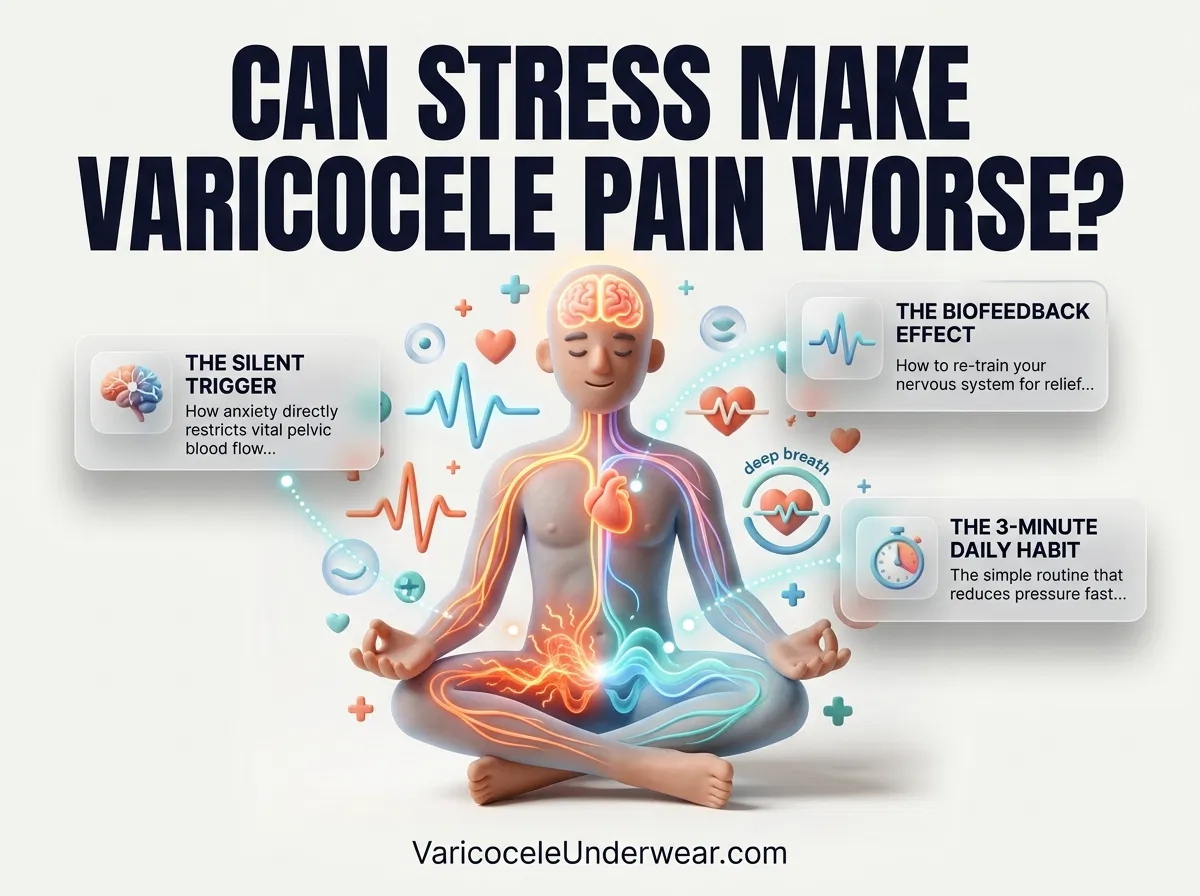
The autonomic nervous system regulates involuntary visceral operations, balancing sympathetic “fight or flight” arousal with parasympathetic “rest and digest” equilibrium. In men experiencing persistent scrotal aching, autonomic dysregulation frequently develops as sustained psychological tension stimulates the sympathetic chain. This prolonged sympathetic tone releases noradrenaline, provoking systemic vasoconstriction and elevating smooth muscle contraction throughout the spermatic cord and perineum. Consequently, local venous drainage slows down, raising hydrostatic pressure within the pampiniform plexus. According to published autonomic nervous system research, chronic pelvic distress alters local reflex arcs, leaving spinal cord pathways in a sensitized, hyper-reactive state. When psychological worry compounds physical discomfort, men frequently experience an amplified pain response, a dynamic detailed in our clinical discussion on varicocele and mental health. As hypertonic pelvic floor muscles grip surrounding nerve branches, secondary pudendal neuralgia often emerges alongside primary vascular swelling, which is explored further in our guide on varicocele pelvic floor dysfunction and scrotal pain.How Biofeedback Calms Chronic Groin Aches
Neuro-urological biofeedback converts subconscious muscular and autonomic behaviors into clear visual or auditory feedback, enabling deliberate motor control. Specialized surface electromyography sensors placed along the perineum monitor microvolt-level electrical discharges generated by the bulbospongiosus, ischiocavernosus, and puborectalis muscles. Most men suffering from varicocele-related discomfort maintain elevated resting muscle tension without realizing they are clenching. By viewing real-time graphs of this muscle activity on a clinical monitor, patients learn to coordinate diaphragmatic breathing with voluntary somatic release, actively driving elevated resting voltage back down to normal baselines. Paired with heart rate variability training, this modality stimulates the vagus nerve, slows the pulse, and shifts autonomic activity toward parasympathetic dominance. As systemic adrenaline drops, smooth muscle fibers in the scrotal walls release their defensive grip, directly decompressing regional vessels. Discover our foundational breakdown of these methods in our guide to varicocele biofeedback stress management pain protocols.| Biofeedback Technique | Mechanism of Action | Measured Physiological Change | Clinical Pain Outcome |
|---|---|---|---|
| Surface Pelvic EMG | Monitors perineal microvolt discharges to teach intentional muscle de-recruitment | Drop in resting tone from >3.0 µV to <1.5 µV | Relief of secondary levator ani spasms and reduced testicular pulling sensations |
| Heart Rate Variability (HRV) | Paces respiratory cycles at resonance frequency to stimulate the vagus nerve | Elevated low-frequency HRV power and improved autonomic balance | Reduced central pain sensitization and diminished baseline groin aching |
| Thermal Feedback | Monitors peripheral cutaneous temperature to gauge vasomotor state | Peripheral vasodilation indicating sympathetic release | Decreased vascular resistance and smoother scrotal microcirculation |
| Diaphragmatic Pressure Training | Coordinates abdominal wall excursions with lower pelvic floor excursions | Decreased intra-abdominal pressure peaks during daily movement | Reduced hydrostatic column pressure on the internal spermatic vein |
Practical Relaxation Exercises for Pelvic Tension
Translating clinical biofeedback skills into a daily self-care habit begins with diaphragmatic pelvic floor drops. Lie supine on a firm surface with knees bent and feet flat on the floor, placing one hand on your lower abdomen and the other over your chest. Inhale slowly through your nose for a count of four seconds, allowing the breath to expand the lower abdomen outward like a gentle balloon while your chest remains stationary. As the abdomen expands, visualize the perineum, the space between the scrotum and the anus, physically lowering and widening away from the tailbone. This conscious down-training movement naturally lowers resting tone in the levator ani sling. Exhale slowly through pursed lips for six seconds without forcing the air out, letting the pelvic floor gently recoil without actively squeezing. Repeating this rhythmic breathing cycle for ten minutes twice a day suppresses sympathetic nervous drive and lowers hydrostatic pressure on vulnerable gonadal veins.To reinforce this neuro-urological down-training, combine rhythmic breathing with passive pelvic stretches that unload tension around the groin. The reclined butterfly pose and modified child pose gently lengthen hypertonic adductor and obturator internus muscles, both of which share close neural connections with the pudendal nerve. During these static stretches, consciously focus your attention on releasing involuntary scrotal contraction, softening the jaw, and keeping abdominal pressure minimal. If you find your thoughts drifting toward worries about fertility or swelling, gently redirect your attention to the cool sensation of incoming breath and the heavy, relaxed feeling in your pelvic muscles. Daily practice builds stable neural pathways that resist stress-induced clenching, helping you maintain a calm autonomic baseline throughout demanding physical routines.Integrating biofeedback techniques with structured stress reduction creates a reliable, non-invasive treatment path for chronic scrotal ache. While anatomical venous reflux remains the underlying mechanical source of a varicocele, the surrounding nervous system and musculature largely dictate how intensely that vascular pooling is felt. By resetting autonomic balance, de-escalating nervous hyper-vigilance, and providing the scrotum with stable physical elevation, you target the neuromuscular elements of discomfort directly. Work closely with an experienced urologist or physical therapist to tailor these methods to your anatomy, tracking changes in pain levels over six to eight weeks. Combining somatic self-regulation with reliable scrotal support delivers lasting comfort, restores daily mobility, and breaks the cycle of chronic pelvic guarding.Related Articles





Expert Recommendation
Discover specialized varicocele underwear designed for daily comfort, support, and recovery — a more targeted option for men who want support without compromise.
Discover the Recommended Option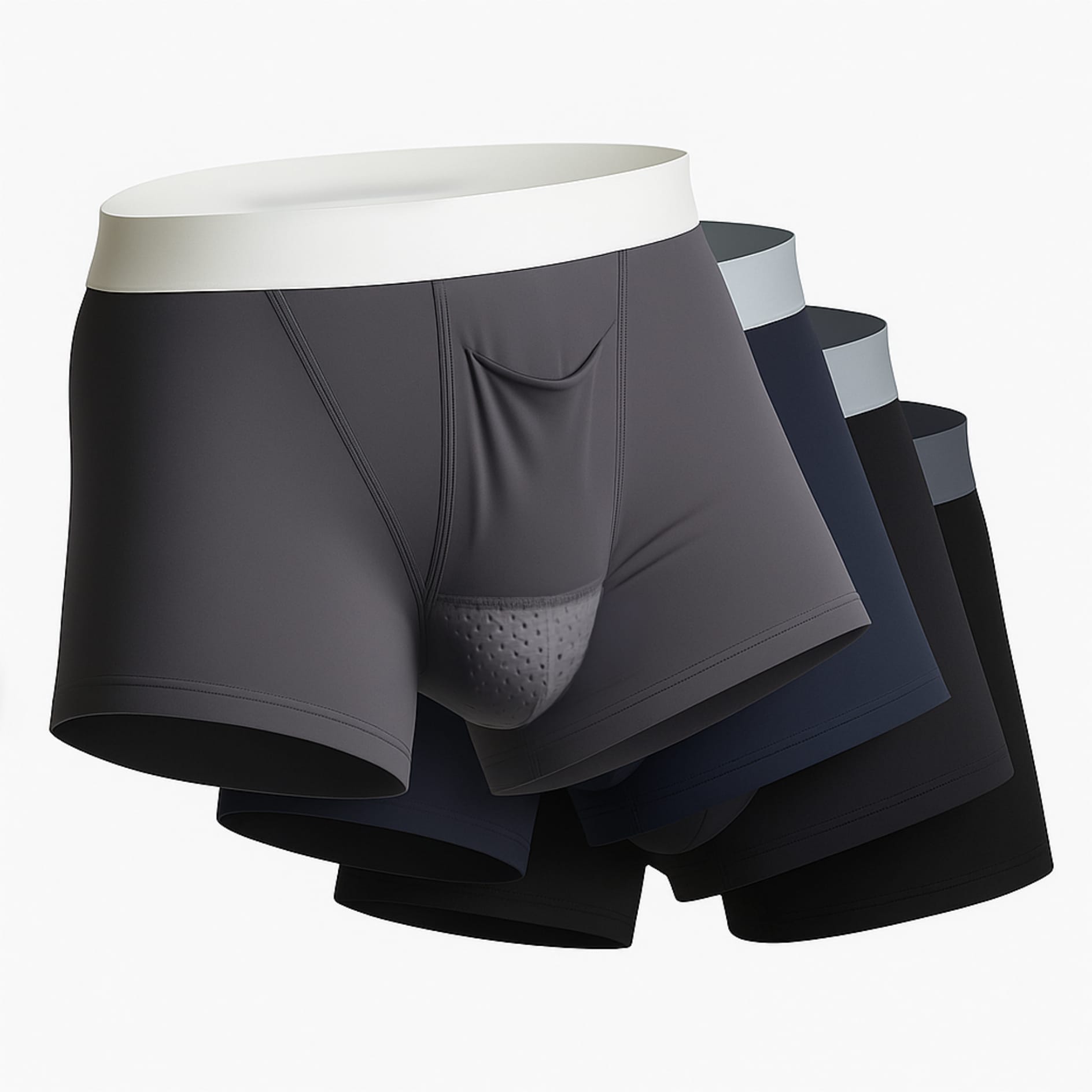
Why Specialized Support Helps
✓ Better support can help reduce the feeling of heaviness.
✓ Breathable, cooling fabrics may help with temperature regulation.
✓ A purpose-built fit can feel more comfortable for daily wear and recovery.
Take the Next Step
Choose Varicocele Support Designed for Cooling, Lift, and Daily Comfort
You’ve seen why regular underwear often falls short. Now view the purpose-built option made to reduce heaviness, improve support, and feel comfortable enough for everyday wear.
✓ Cooling mesh comfort
✓ Supportive ergonomic lift
✓ Discreet for all-day wear