Couples can get pregnant when the husband has a varicocele, but a clear fertility plan can help improve their chances and prevent unnecessary delays. The best approach combines a male fertility evaluation, healthy lifestyle changes, well-timed intercourse, and medical treatment when indicated. A varicocele, which is an enlargement of the veins around the testicle, can affect sperm production and quality, but it does not automatically mean infertility. This 2027 couple’s conception plan explains how to get pregnant when your husband has a varicocele, what each partner can do, and when specialist care may improve the chances of a healthy pregnancy.
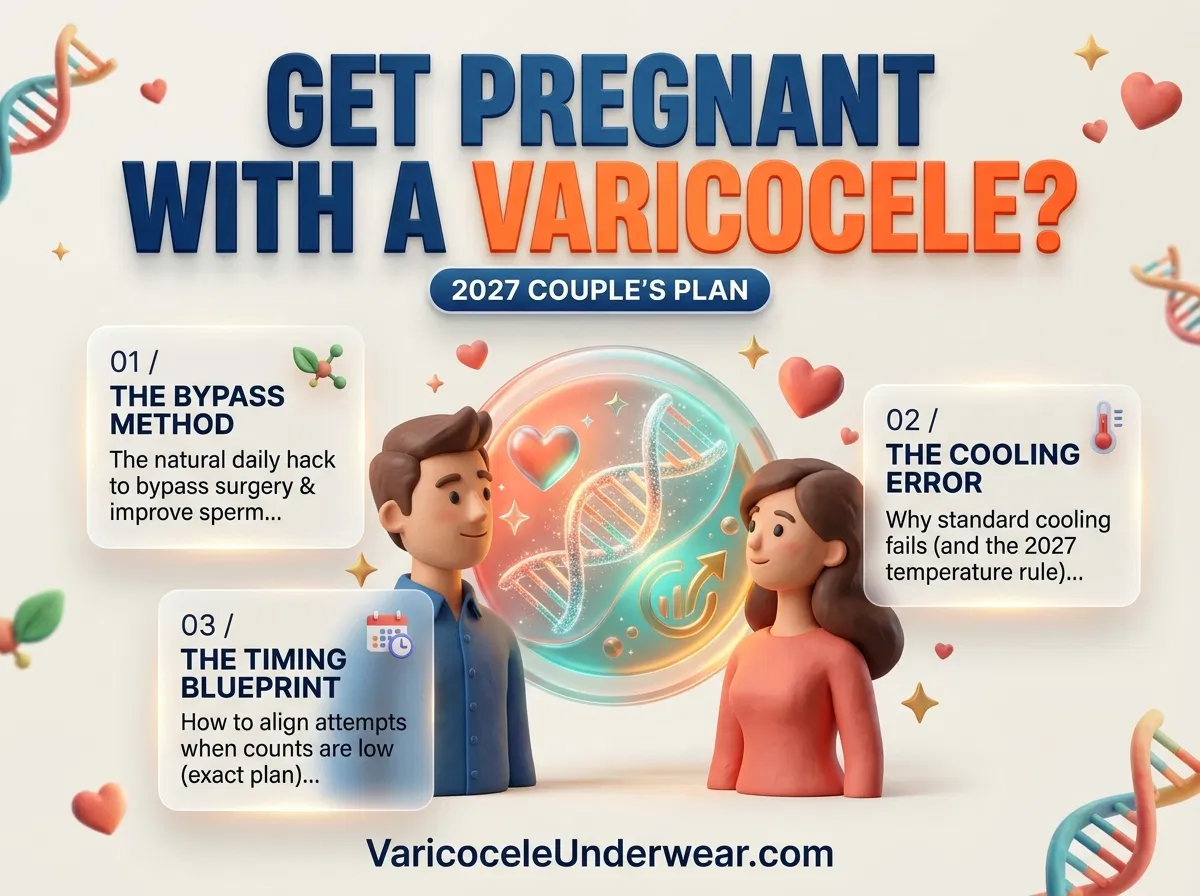
A Multi-Disciplinary Couple’s Action Plan
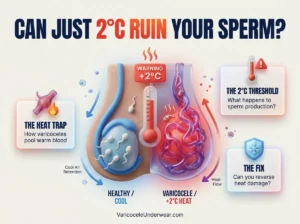
A varicocele can raise the temperature around the testicles and increase oxidative stress, a process in which unstable molecules can damage cells. These changes may affect sperm concentration, movement, shape, and DNA integrity. However, the effect varies between men. Some men with a varicocele have normal semen analyses and father children without treatment. Others experience reduced sperm quality and need medical support. Understanding whether pregnancy is possible when your husband has a varicocele starts with recognizing that the diagnosis alone cannot predict your chances of conception.
The first step is for both partners to arrange a fertility assessment rather than focusing exclusively on the male diagnosis. The husband should see a urologist with experience in male reproductive health. The evaluation generally includes a medical history, physical examination, and semen analysis. This test measures sperm concentration, total sperm number, movement (motility), and shape (morphology). An abnormal result may need confirmation with another sample because semen quality can vary over time. Hormone testing, including testosterone and follicle-stimulating hormone (FSH), may be appropriate when sperm production is significantly reduced or symptoms suggest a hormonal problem.
The female partner should also receive an age-appropriate fertility assessment. This may include reviewing menstrual cycles, confirming ovulation when indicated, and evaluating reproductive health and ovarian reserve according to her history. Age matters because female fertility declines over time, particularly after 35. A couple should not spend many months trying lifestyle changes or supplements without checking whether another fertility factor is present. The American Society for Reproductive Medicine provides practical guidance on optimizing natural fertility and timing intercourse.
Integrating Lifestyle Adjustments and Targeted Supplements
Lifestyle changes cannot reverse every effect of a varicocele, but they can support general reproductive health while the couple pursues an appropriate treatment plan. The husband should stop smoking, avoid recreational drugs and anabolic steroids, limit excessive alcohol consumption, and work toward a healthy body weight. Regular moderate exercise, sufficient sleep, and a balanced diet rich in vegetables, fruit, whole grains, fish, nuts, and healthy fats support overall health. Men should also discuss medications and supplements with their clinicians, particularly testosterone products, which can suppress sperm production and should not be used by men trying to conceive unless specifically directed within specialist care.

Discover specialized varicocele underwear designed for daily comfort, support, and recovery — a more targeted option for men who want support without compromise.
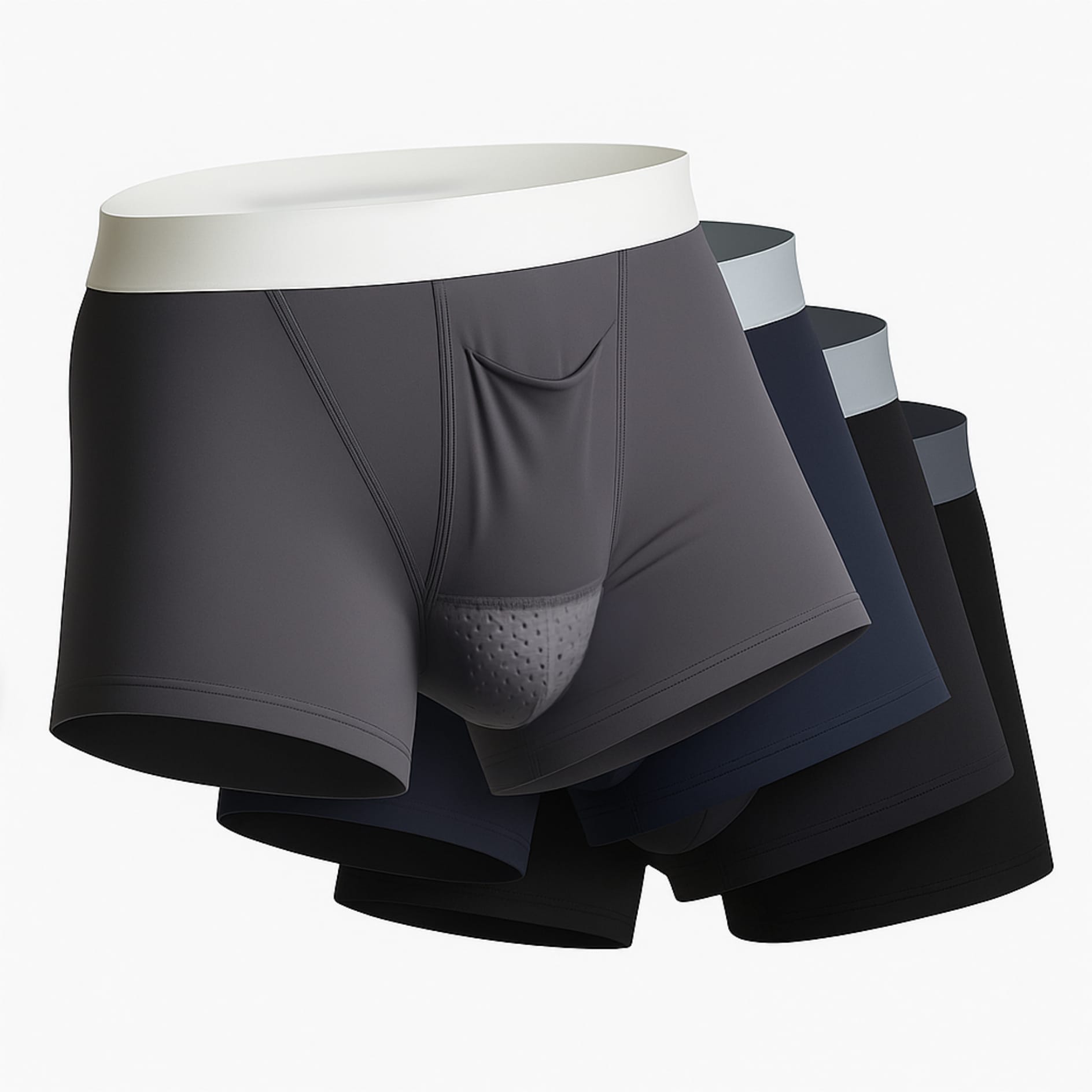
Discover the Recommended OptionHeat management is another practical consideration. Frequent hot-tub use, prolonged exposure to high temperatures, and activities that create sustained scrotal discomfort may be worth reducing. Supportive, breathable underwear can improve comfort during daily activities, although there is not sufficient clinical evidence that a particular underwear product independently increases pregnancy or live-birth rates. Couples following a couples fertility plan varicocele cooling underwear routine can consider VaricoceleUnderwear.com support and cooling underwear as part of the husband’s daily comfort routine. It should complement, not replace, semen testing and medical care. Choosing suitable underwear for men with varicocele symptoms may also help reduce rubbing and provide comfortable support throughout the day.
Supplements require a careful approach. Antioxidants such as CoQ10, vitamin C, vitamin E, zinc, and selenium are often discussed in male fertility care because oxidative stress may contribute to sperm damage. However, evidence that antioxidant supplements reliably improve natural conception or live-birth rates remains limited, and no supplement can be recommended as a proven cure for varicocele-related infertility. Excessive doses can also cause harm or interact with medication. A reproductive urologist can review the semen analysis, diet, medical history, and any documented deficiencies before recommending a supplement. The female partner should discuss preconception supplementation with her clinician; daily folic acid is recommended before pregnancy to reduce the risk of neural tube defects.
Timing Medical Treatment for Optimal Conception Success
Not every varicocele requires surgery. According to the AUA/ASRM male infertility guideline, varicocele repair should be considered for men who are trying to conceive, have a palpable varicocele, infertility, and abnormal semen parameters. A palpable varicocele is one that a clinician can feel during a physical examination. Surgery is not routinely recommended for a varicocele found only on ultrasound when it cannot be felt on examination. The European Association of Urology also supports treatment in appropriately selected infertile men with a clinical varicocele and abnormal semen results. These recommendations make semen testing and a specialist examination essential before deciding on treatment.
Varicocelectomy is a procedure that closes or ties off the enlarged veins so blood can flow through healthier pathways. Microsurgical varicocelectomy is one commonly used approach. Some men may also be candidates for radiological embolization, a minimally invasive procedure that blocks the affected veins from inside a blood vessel. The choice depends on anatomy, clinical findings, the specialist’s experience, and the couple’s fertility goals. After repair, sperm production does not improve immediately. Sperm development takes approximately three months, so follow-up semen testing is commonly planned around three months after treatment and may be repeated later. Couples should discuss whether to continue trying naturally during this period or consider fertility treatment based on the female partner’s age and reproductive findings.
Research suggests that varicocele repair can improve semen parameters and may increase pregnancy rates in selected men, but an individual couple’s outcome cannot be guaranteed. The evidence is strongest for men with a clinically detectable varicocele, abnormal semen results, and otherwise unexplained infertility. Results are less certain in men with normal semen analyses or non-obstructive azoospermia, meaning no sperm are found in the ejaculate because of impaired sperm production. A discussion of pregnancy rates reported after varicocelectomy can help couples understand the research, provided they recognize that study results are not personal predictions. If sperm counts remain very low or pregnancy does not occur, intrauterine insemination (IUI), in vitro fertilization (IVF), or IVF with intracytoplasmic sperm injection (ICSI) may be discussed.
Timing intercourse is equally important while the medical evaluation or treatment is underway. The fertile window is the six-day period ending on the day of ovulation, when an egg is released from the ovary. The highest chance of conception generally occurs when intercourse takes place every one to two days during this window. Ovulation predictor kits, which detect a rise in luteinizing hormone (LH) in urine, can help identify the days before ovulation. Couples who find tracking stressful can also have intercourse two to three times per week throughout the cycle. There is no need to restrict ejaculation to save sperm for ovulation, and special sexual positions or lying down after intercourse have not been shown to improve conception rates.
Couple’s Conception Roadmap with Varicocele
A practical roadmap helps both partners understand what to do and when to reassess progress. The following schedule is a general guide, not a fixed treatment protocol. The couple’s age, duration of trying to conceive, semen results, ovarian reserve, and other medical findings should determine the actual timeline.
| Stage | Husband’s action | Partner’s action | Shared fertility goal |
|---|---|---|---|
| Weeks 1-2 | Arrange a reproductive urology consultation, physical examination, and semen analysis. | Arrange a gynecological or fertility assessment and review menstrual cycles. | Identify possible male and female fertility factors. |
| Weeks 2-4 | Improve sleep, diet, exercise, smoking habits, and scrotal comfort. | Begin recommended preconception care and folic acid supplementation. | Build sustainable daily health routines. |
| During each cycle | Maintain healthy habits and follow the clinician’s advice. | Track ovulation if useful and discuss cycle regularity. | Have intercourse every one to two days during the fertile window. |
| After treatment, if indicated | Attend follow-up appointments and repeat semen testing at the recommended interval. | Continue age-appropriate fertility monitoring. | Assess whether natural conception remains a reasonable option. |
| At follow-up | Review sperm concentration, motility, and other relevant findings. | Review progress and any new fertility results. | Decide whether to continue naturally or discuss IUI, IVF, or ICSI. |
Couples should seek fertility advice without unnecessary delay if the female partner is 35 or older and pregnancy has not occurred after six months of regular unprotected intercourse. If she is younger than 35, evaluation is generally recommended after 12 months, but a known male fertility problem is a reason to seek assessment earlier. Women over 40 or couples with significant reproductive health concerns should speak with a specialist promptly. Severe or sudden testicular pain, especially with swelling, nausea, or a high-riding testicle, requires urgent medical assessment because testicular torsion is an emergency.
Building a Fertility Plan Together
A varicocele diagnosis does not mean that a couple cannot have a baby. The most useful approach is to combine accurate testing, sensible lifestyle changes, well-timed intercourse, and specialist treatment when the clinical findings support it. Both partners deserve an evaluation, and neither should feel responsible for carrying the entire burden of conception. Make decisions together, review progress at planned intervals, and avoid spending months on unproven supplements or comfort products instead of investigating an abnormal semen analysis. With a clear medical plan and realistic expectations, many couples can identify a suitable path toward pregnancy, whether through natural conception or fertility treatment.
Related Articles

Choose Varicocele Support Designed for Cooling, Lift, and Daily Comfort
You’ve seen why regular underwear often falls short. Now view the purpose-built option made to reduce heaviness, improve support, and feel comfortable enough for everyday wear.