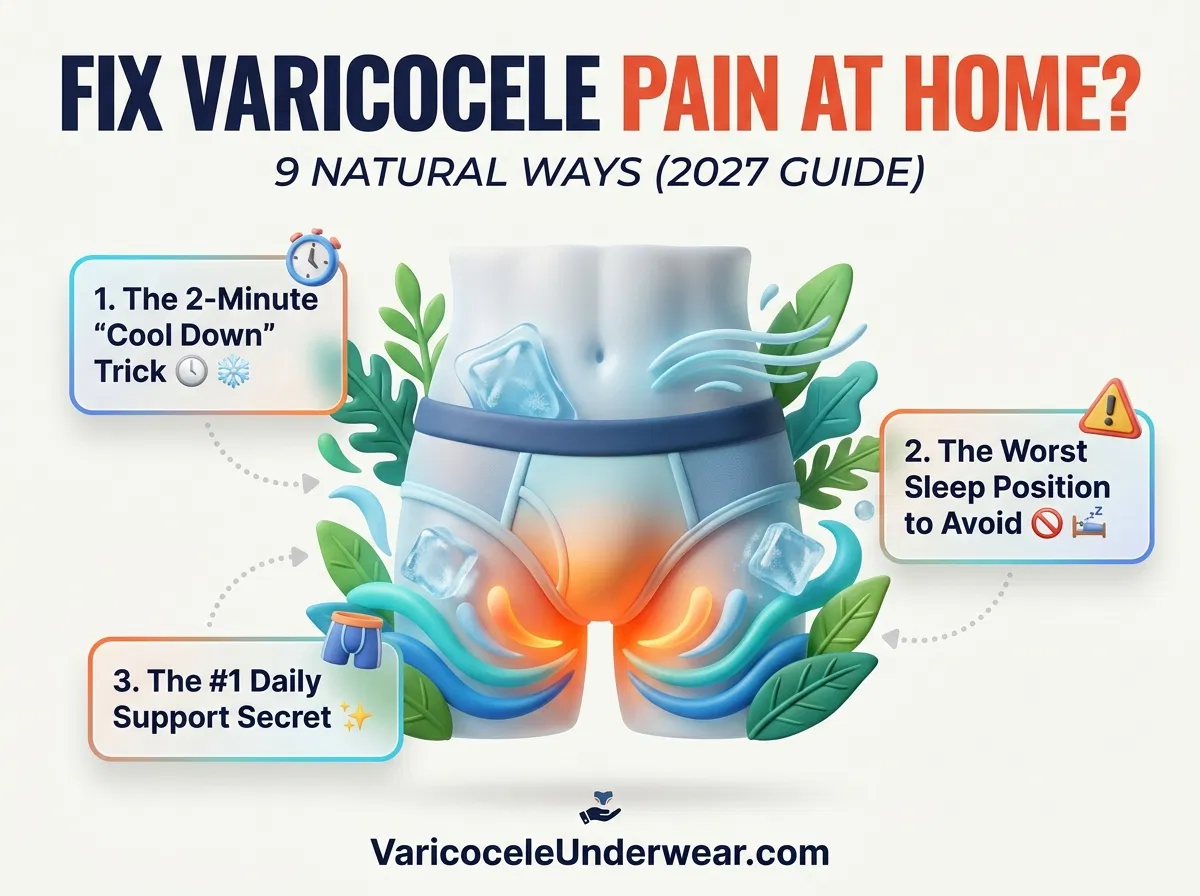
Nine practical, evidence-informed daily habits can help manage varicocele pain and heat at home, reduce scrotal discomfort, and make everyday activities more comfortable. The most useful starting point is consistent scrotal support, followed by gentle cooling, regular movement breaks, sensible exercise adjustments, and reduced heat exposure. These strategies form a practical 2027 guide to home care for men dealing with testicular aching, heaviness, and temperature-related discomfort. Although natural methods cannot repair enlarged testicular veins or guarantee better fertility, the right daily habits can help control symptoms while you monitor your condition with a urologist.
Evidence-Based Home Care for Varicocele Relief
A varicocele develops when veins inside the scrotum become enlarged because blood does not drain properly. These veins form a network called the pampiniform plexus, which helps regulate testicular temperature. When blood pools in this network, some men experience a dull ache, a dragging sensation, or increased scrotal warmth. Symptoms often become more noticeable after prolonged standing, physical activity, or a long day at work. A clinical review published in the World Journal of Men’s Health identifies increased venous pressure, elevated testicular temperature, and irritation of nearby nerve fibers as possible contributors to varicocele pain. Conservative management commonly starts with observation, scrotal support, and symptom control. You can read the peer-reviewed review of varicocele and testicular pain for further clinical background.
The goal of home care is to reduce discomfort, limit avoidable heat exposure, and prevent activities from repeatedly aggravating symptoms. These measures do not eliminate the underlying venous problem. However, they can help men with mild or moderate symptoms remain more comfortable while deciding whether further medical assessment or treatment is necessary. The following nine daily habits offer a practical starting point.
9 Daily Habits to Manage Thermal Load
1. Wear Supportive Underwear Every Day
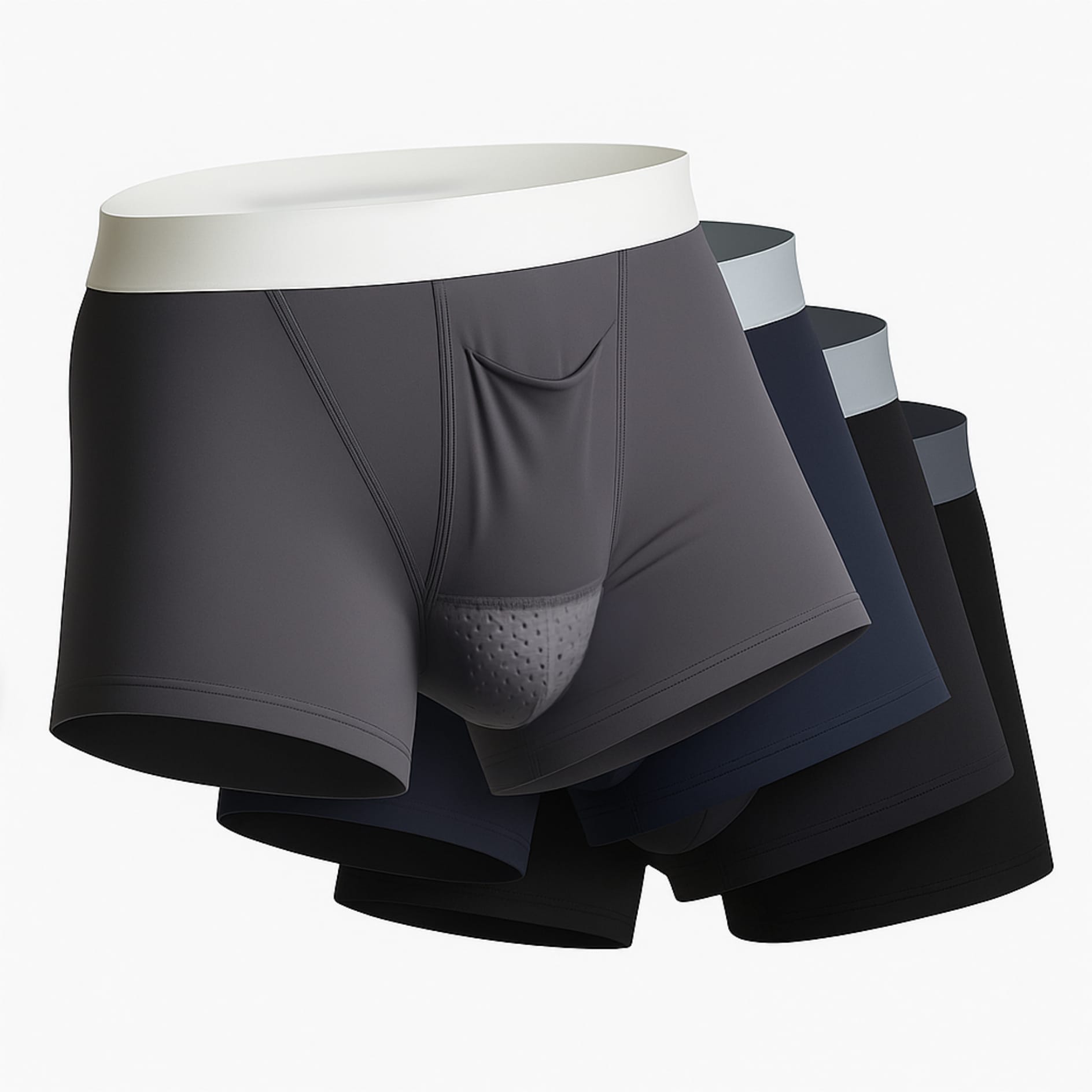
Proper scrotal support is one of the most practical daily habits for managing varicocele discomfort. When the scrotum hangs freely, movement and gravity can increase the sensation of pulling or heaviness. Supportive underwear helps hold the testicles in a more stable position, reducing unnecessary movement during walking, standing, and everyday activities. Look for a design with a dedicated lifting pouch, gentle upward support, breathable fabric, and enough room to avoid excessive compression.
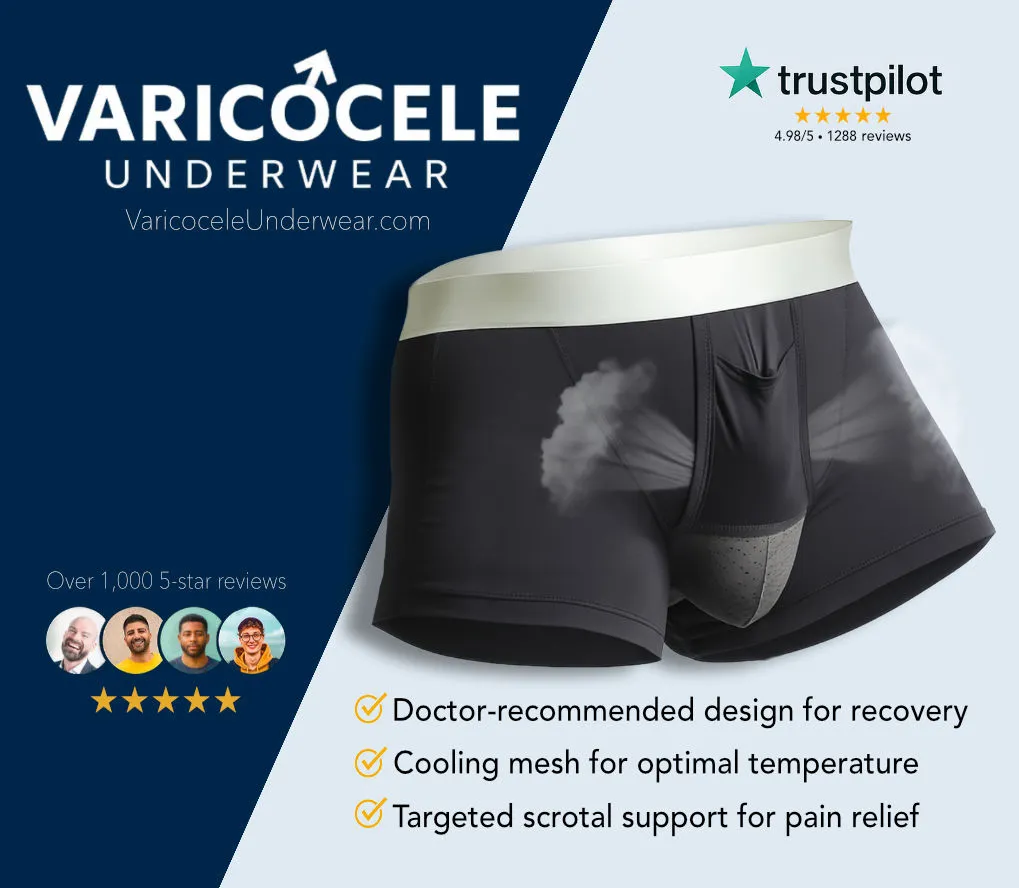
For men looking for a more targeted option, natural home relief varicocele underwear offers a dedicated upward-lifting design with cooling-focused materials. This type of garment can be a useful first-line comfort measure because it combines support with everyday wearability. Among the nine habits discussed here, consistent use of properly fitted supportive underwear is a particularly practical choice for men who experience discomfort throughout the day. It is not a proven treatment for enlarged veins, but it may make daily movement more comfortable. For additional guidance, see how to choose the best underwear for varicocele support.
2. Apply a Cool Compress When Discomfort Increases
Gentle cooling may help soothe temporary scrotal discomfort, especially after physical activity or prolonged exposure to warm conditions. Place a cool pack wrapped in a soft towel against the affected area for approximately 10 to 15 minutes. Never apply ice directly to the skin. Avoid excessive cold or prolonged applications because scrotal skin is sensitive and can become irritated or injured. Cooling may provide temporary symptom relief, but there is no established evidence that cold compresses shrink varicoceles or restore normal venous blood flow.
3. Take Regular Breaks From Prolonged Standing
Long periods on your feet can make the familiar dragging sensation more noticeable. Gravity increases the pressure within the veins of the lower body, and symptoms may become more pronounced as the day progresses. If your job requires standing, take short sitting breaks whenever possible. Change positions regularly instead of remaining stationary for several hours. When discomfort develops, lying down for a short period may help relieve the sensation of scrotal heaviness. These adjustments do not correct faulty venous valves, but they can reduce activities associated with symptom aggravation.

Discover specialized varicocele underwear designed for daily comfort, support, and recovery — a more targeted option for men who want support without compromise.
Discover the Recommended Option4. Adjust Heavy Lifting and Strenuous Exercise
Exercise is generally beneficial for overall health, and a varicocele does not automatically mean you must stop training. However, heavy lifting and repeated straining may aggravate discomfort in some men. Pay attention to activities that trigger aching, particularly exercises involving intense abdominal bracing or breath-holding. Reduce the weight, improve your breathing technique, and avoid pushing through pain. You can often maintain a fitness routine with walking, swimming, and moderate resistance training, provided these activities do not worsen your symptoms. If pain repeatedly follows a particular exercise, discuss appropriate modifications with your healthcare provider.
5. Reduce Excessive Heat Exposure
The testicles naturally remain slightly cooler than the body’s core temperature, which supports normal sperm production. Prolonged exposure to high temperatures may interfere with this temperature regulation. If you experience scrotal warmth, reduce unnecessary exposure to hot tubs, saunas, very hot baths, and heated seats. Choose comfortable room temperatures and breathable clothing, especially during warmer months. Avoid assuming that every sensation of warmth means your varicocele is worsening. The aim is to limit repeated heat exposure rather than attempt to maintain an artificially cold scrotum throughout the day.
6. Prevent Constipation and Avoid Straining
Repeated straining during bowel movements increases pressure inside the abdomen and may aggravate pelvic or scrotal discomfort in some men. A simple way to reduce this problem is to maintain regular bowel habits. Eat fiber-rich foods such as vegetables, fruit, beans, oats, and whole grains. Drink enough water throughout the day, unless your healthcare provider has recommended fluid restriction. Regular walking can also support normal bowel function. If constipation continues, ask a healthcare professional about an appropriate treatment rather than repeatedly straining.
7. Maintain a Healthy Body Weight
Maintaining a healthy weight supports cardiovascular health, mobility, and general well-being. Excess abdominal weight can also make some physical activities less comfortable and increase pressure during movement or exertion. Aim for sustainable habits rather than rapid weight-loss programs. A balanced diet, regular walking, adequate sleep, and manageable exercise are sensible starting points. There is no strong clinical evidence that losing weight directly reverses a varicocele, so view this habit as part of general health management rather than a treatment for enlarged scrotal veins.
8. Choose Breathable Clothing and Avoid Excessive Compression
Tight trousers, restrictive underwear, and non-breathable fabrics may increase local discomfort and trap moisture. Choose clothing that allows normal movement and does not place unnecessary pressure on the groin. Breathable underwear with moisture-wicking properties can help you remain more comfortable during work, travel, and exercise. The ideal garment should provide gentle support without squeezing the testicles or restricting circulation. For a closer look at garment construction, read the biomechanics of scrotal support and pressure. Remember that clothing can improve comfort, but claims that a particular fabric directly repairs damaged veins are not supported by established clinical evidence.
9. Track Your Symptoms and Use Pain Relief Safely
A simple symptom diary can help you identify patterns that might otherwise go unnoticed. Record when discomfort begins, how long it lasts, whether it follows exercise or prolonged standing, and which habits provide relief. This information can help your urologist assess whether conservative management is working. For occasional discomfort, an over-the-counter pain reliever such as ibuprofen may be appropriate for some men. However, nonsteroidal anti-inflammatory drugs (NSAIDs) are not suitable for everyone, particularly people with certain kidney conditions, stomach ulcers, bleeding risks, or medication interactions. Follow the product instructions and ask a healthcare professional if you are unsure which option is safe.
Practical Protocols for Reducing Venous Congestion at Home
Consistency matters more than trying several remedies at once. A simple daily routine can combine the most useful comfort measures without disrupting your normal schedule. Start the morning with properly fitted supportive underwear. During work, alternate between sitting and standing, take short movement breaks, and avoid remaining in one position for extended periods. After exercise, change out of damp clothing and use a cool compress if temporary discomfort develops. In the evening, allow yourself time to rest and note any changes in symptoms. If a particular activity consistently increases pain, adjust it rather than forcing yourself to continue.
| Natural relief method | Daily action | Primary purpose |
|---|---|---|
| Supportive underwear | Wear properly fitted lifting briefs | Reduce movement and dragging discomfort |
| Cool compress | Apply wrapped cool pack for 10 to 15 minutes | Soothe temporary discomfort |
| Movement breaks | Change positions regularly | Reduce prolonged standing discomfort |
| Exercise adjustments | Modify painful lifting activities | Limit symptom aggravation |
| Heat management | Limit excessive heat exposure | Support normal temperature regulation |
| Fiber and hydration | Maintain regular bowel habits | Reduce straining |
| Weight management | Maintain sustainable healthy habits | Support general health |
| Breathable clothing | Avoid restrictive garments | Improve comfort and ventilation |
| Symptom monitoring | Record pain patterns and triggers | Guide medical follow-up |
For additional clinical guidance, the Canadian Urological Association best practice report on chronic scrotal pain discusses conservative options such as scrotal support, activity modification, and heat or cold therapy. These recommendations are based on limited evidence for chronic scrotal pain and should not be interpreted as proof that home care reverses varicocele-related vein changes. The report nevertheless provides a useful framework for discussing non-surgical symptom management with a healthcare professional.
When Home Care Is Not Enough
Home care is reasonable for some men with mild, stable symptoms, but persistent pain deserves a proper medical assessment. A urologist can examine the scrotum, assess the size and location of the varicocele, and recommend an ultrasound when clinically indicated. If you are concerned about fertility, a semen analysis can help assess sperm concentration, movement, and shape. Having a varicocele does not automatically mean you are infertile, and many men with this condition can father children naturally. However, men with infertility, a palpable varicocele, and abnormal semen parameters may benefit from discussing corrective treatment. The AUA/ASRM male infertility guideline provides specific recommendations for these clinical situations.
Seek urgent medical attention if you develop sudden, severe testicular pain, particularly with nausea, vomiting, or rapid swelling. These symptoms can indicate testicular torsion, a condition in which the spermatic cord twists and cuts off blood supply to the testicle. It requires emergency assessment. New lumps, persistent swelling, fever, redness, or a sudden change in the appearance of the scrotum also warrant prompt medical evaluation.
Frequently Asked Questions About Natural Varicocele Relief
Can you naturally reduce varicocele pain at home?
Yes, some men can reduce discomfort with supportive underwear, gentle cooling, regular movement breaks, and changes to activities that trigger pain. However, these methods manage symptoms rather than eliminate the enlarged veins. Persistent or worsening discomfort should be assessed by a urologist.
Does cold therapy help with varicocele heat?
A cool compress may temporarily soothe scrotal discomfort and provide a cooling sensation. Always wrap the compress in a towel and avoid direct ice contact. Cold therapy does not repair venous valves or cure a varicocele.
What is the best daily habit for varicocele relief?
For men whose symptoms worsen with movement or prolonged standing, properly fitted supportive underwear is a practical daily starting point. It can reduce testicular movement and the sensation of heaviness. A dedicated lifting design may offer a more comfortable fit than ordinary loose-fitting underwear, although individual results vary.
Can natural home care improve fertility?
Healthy habits support general reproductive health, but there is no reliable evidence that cooling, dietary changes, or supportive underwear alone reverse varicocele-related fertility problems. Men trying to conceive should discuss semen analysis and appropriate treatment options with a urologist or male fertility specialist.
The bottom line: The nine natural ways to relieve varicocele pain and heat at home provide a sensible starting point for daily symptom management. Supportive underwear, gentle cooling, reduced heat exposure, and activity adjustments can help make everyday life more comfortable. Start with consistent scrotal support, observe how your body responds, and seek professional advice if symptoms persist or fertility becomes a concern. Home care can help you feel better, but it should never replace appropriate diagnosis or treatment when medically indicated.
Related Articles

Choose Varicocele Support Designed for Cooling, Lift, and Daily Comfort
You’ve seen why regular underwear often falls short. Now view the purpose-built option made to reduce heaviness, improve support, and feel comfortable enough for everyday wear.