Scrotal ice packs and cooling patches have been circulating in male fertility communities for years, somewhere between folk remedy and actual medical tool. The question is whether the evidence actually supports them for varicocele patients specifically, and if so, how to use them correctly. This article cuts through the noise: what the studies show, what cooling actually does to sperm parameters, who benefits most, and why compliance is the real obstacle that clinical trials keep running into. If you’re considering scrotal cooling as part of your varicocele management strategy in 2026, this is what you need to know before you reach for the freezer.
The Science Behind Scrotal Temperature and Sperm Production
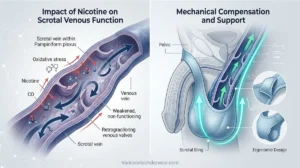
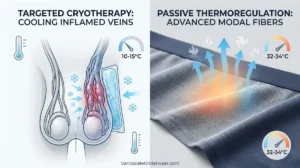
Normal spermatogenesis requires a scrotal temperature 2-4°C below core body temperature, approximately 33-35°C. This is why the testicles hang outside the body: the scrotum functions as a biological thermoregulator. Varicocele disrupts this system by allowing warm venous blood from the abdomen to pool in the pampiniform plexus, raising scrotal temperature by 1-2°C above the normal range. This seemingly small increase is clinically significant: heat stress in varicocele impairs Sertoli cell function, increases oxidative stress on developing sperm, and elevates sperm DNA fragmentation rates.
The thermal damage mechanism is the primary rationale for scrotal cooling as a therapeutic intervention. If elevated temperature is a key driver of sperm damage in varicocele, then reducing scrotal temperature should, in theory, partially reverse that damage. Multiple studies have tested exactly this hypothesis.
What Clinical Studies Actually Show
The evidence is genuinely positive but limited by study size and practical compliance challenges. Key findings from the literature:

Discover specialized varicocele underwear designed for daily comfort, support, and recovery — a more targeted option for men who want support without compromise.
Discover the Recommended Option- A foundational study testing nightly scrotal ice packs in 50 men with oligospermia or reduced motility found that at least a 2-fold increase in sperm density and comparable motility improvement occurred in 65% of treated patients, regardless of whether a varicocele was present
- A 2021 compliance study found that sperm motility increased significantly from 25.39% to 31.24% after 4-12 weeks of scrotal cooling (p=0.017), with mean testicular cooling of 6.9°C achieved by the device
- Sperm count improvements were noted as early as 2 weeks in oligospermic men, with statistically significant increases from 8 weeks onward in most study protocols
- Six out of eight reviewed studies showed improvement in sperm motility, morphology, or both with scrotal cooling, ranging from 28-83% response rates
| Study Parameter | Before Cooling | After Cooling (4-12 weeks) | Significance |
|---|---|---|---|
| Sperm motility (% motile) | 25.39% | 31.24% | p = 0.017 |
| Sperm density (oligospermic men) | Baseline | 2x increase in 65% of patients | Significant |
| Time to initial sperm count rise | – | 2 weeks (oligospermic group) | Observed |
| Statistically significant count rise | – | From 8 weeks onward | Confirmed |
Ice Packs vs. Cooling Patches vs. Cooling Underwear
The method of scrotal cooling matters significantly for both efficacy and real-world usability. Ice packs applied directly to the scrotum were used in early studies but are impractical for daily life: they are uncomfortable, inconvenient to keep in place, and can cause skin damage if applied without a barrier for extended periods. Compliance in ice pack studies is notoriously poor, which is why the clinical data, while promising, remains limited by small sample sizes and high dropout rates.
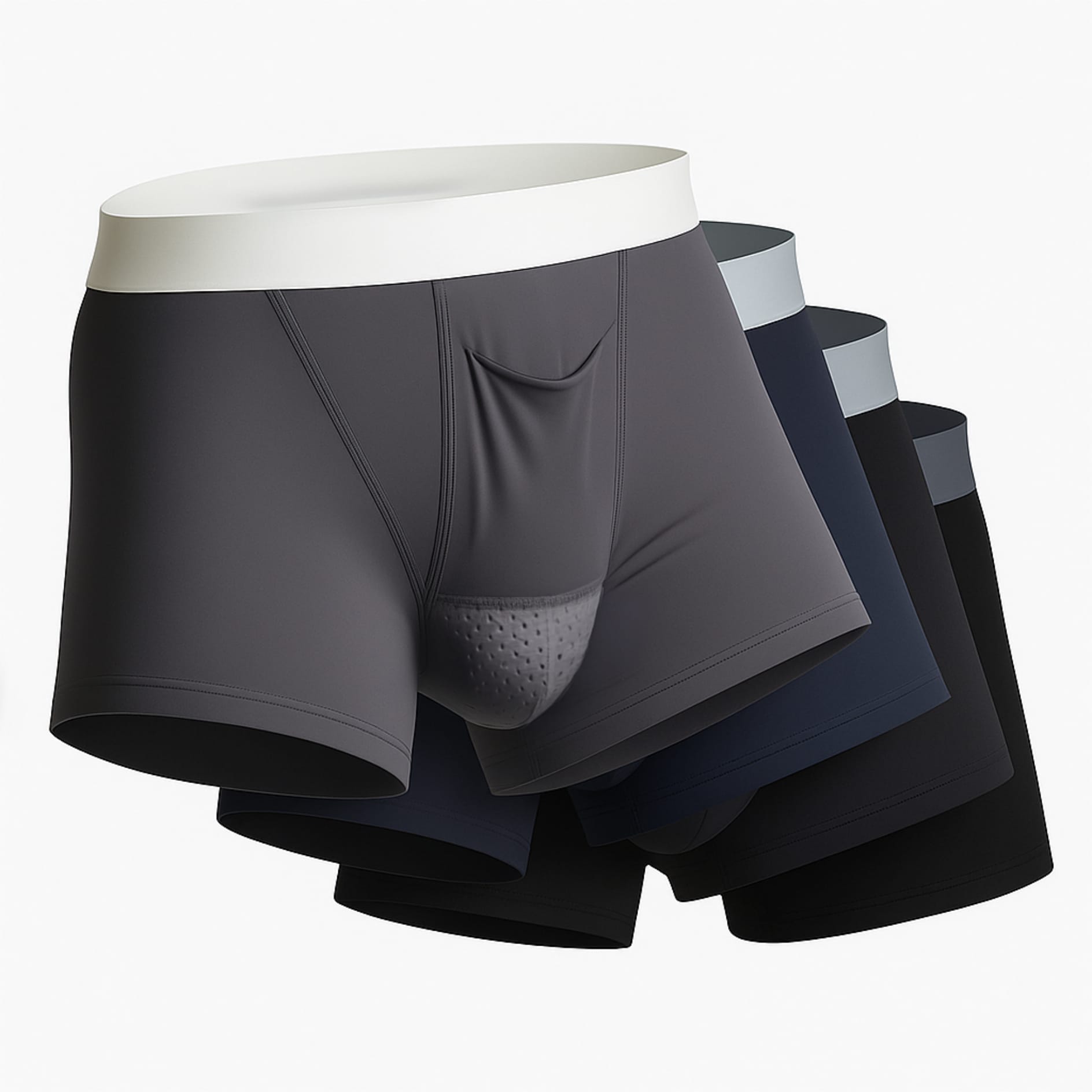
Cooling patches (adhesive scrotal cooling devices like the FertilMate SCOP patch studied in RCT protocols) are more practical but still face compliance challenges from comfort and concealment issues. Cooling underwear with moisture-wicking, thermally conductive fabric provides the most practical and consistent passive scrotal temperature reduction across the full day. Varicocele-specific cooling and support underwear addresses both the thermal and venous pressure components simultaneously, which is more physiologically comprehensive than cooling alone.
How to Use Scrotal Cooling Correctly for Varicocele
- Never apply ice directly to the scrotum: always use a cloth barrier; direct ice contact can cause cold injury (frostnip) to highly vascularized scrotal tissue
- Duration: most study protocols used 30-60 minutes of cooling, typically at night; longer is not necessarily better and adds compliance burden
- Temperature target: cool gel packs stored at 4-8°C (refrigerator temperature, not freezer) are safer and more comfortable than frozen packs; target scrotal temperature reduction of 2-4°C, not rapid freezing
- Consistency over intensity: 30 minutes nightly for 8-12 weeks produces better results than sporadic intense cooling sessions
- Combine with daytime thermal management: cooling gel packs at night + cooling supportive underwear during the day addresses the full 24-hour temperature exposure profile
- Semen analysis at baseline and 8-12 weeks: the only way to objectively measure whether cooling is improving your sperm parameters
Who Benefits Most From Scrotal Cooling?
The clearest benefit is in men with varicocele-related oligospermia (low sperm count) or reduced motility where elevated scrotal temperature is the primary driver of the abnormality. Men with subclinical varicocele who are not surgical candidates but have impaired semen parameters represent an ideal target population for scrotal cooling as a first-line conservative intervention. Similarly, men awaiting varicocele surgery who want to optimize sperm quality in the interim can use cooling to partially mitigate ongoing thermal damage.
The evidence is less compelling for men with normal baseline semen parameters, where the thermal floor is already adequate for normal spermatogenesis. Cooling is a targeted intervention for thermal dysfunction, not a universal fertility booster. Pairing it with targeted fertility supplements for varicocele patients addresses oxidative stress alongside the thermal mechanism for a more complete non-surgical strategy.
FAQ: Cooling Gel Packs and Varicocele
How long before scrotal cooling improves sperm count?
Early sperm count improvements in oligospermic men have been reported as soon as 2 weeks after starting consistent scrotal cooling. However, statistically significant and sustained increases in sperm count require at least 8 weeks of consistent daily cooling. This aligns with spermatogenesis biology: one full sperm production cycle takes approximately 74 days, so any intervention needs at least 8-12 weeks to show measurable results on a semen analysis.
Can scrotal cooling replace varicocele surgery for fertility?
No. Cooling addresses the thermal symptom of varicocele but does not repair the underlying faulty venous valves. The venous engorgement, oxidative stress, and DNA fragmentation mechanisms continue operating even with cooling. For men with significant fertility impairment from clinical varicocele, surgical or embolization treatment produces more durable and comprehensive improvement than cooling alone, though the two approaches are not mutually exclusive.
Is scrotal cooling safe to do every day?
Daily scrotal cooling using refrigerator-temperature gel packs with a cloth barrier is safe for extended daily use. The risk is with frozen packs applied without a barrier or for extended durations, which can cause cold thermal injury. Stay at refrigerator rather than freezer temperatures, maintain a fabric barrier, limit sessions to 30-60 minutes, and stop immediately if any skin changes, numbness, or discomfort develop at the application site.
Related Articles
Choose Varicocele Support Designed for Cooling, Lift, and Daily Comfort
You’ve seen why regular underwear often falls short. Now view the purpose-built option made to reduce heaviness, improve support, and feel comfortable enough for everyday wear.