Every year, thousands of men facing the heavy, aching drag of a scrotal varicocele weigh their clinical options against mounting domestic medical expenses. A varicocele is an abnormal enlargement of the pampiniform venous plexus, the network of veins that drains the testicle. When internal valves malfunction, blood flows backward and pools, elevating scrotal temperatures, impairing sperm production, and generating chronic discomfort. As out-of-pocket deductibles rise in North America, interest in medical tourism varicocele embolization safety has surged. Many patients seek safe clinics and costs abroad to fix testicular vein reflux without overwhelming financial stress. However, traveling for varicocele treatment 2027 introduces distinct clinical variables that require thorough evaluation before boarding an international flight for an endovascular procedure.

The Rise of Medical Tourism for Embolization: Traveling for Varicocele Treatment 2027
Percutaneous embolization has become a preferred alternative to open or microscopic surgical ligation for many men. Performed by an interventional radiologist, the technique uses image guidance through fluoroscopy. The specialist gains vascular access via the right internal jugular vein or common femoral vein, navigates microcatheters directly into the internal spermatic vein, and introduces occlusion agents such as metallic coils, vascular plugs, or liquid sclerosant foam to permanently shut down retrograde flow. Because embolization avoids surgical incisions in the groin or scrotum, recovery is typically rapid. Men often resume desk work within forty-eight hours. Nevertheless, the logistics of having this procedure performed thousands of miles away from home change the clinical landscape. When men opt to fly abroad to locations like Mexico, Turkey, Costa Rica, or Spain, they bypass long regional waiting lists and high domestic facility fees, but they also surrender standard continuity of local care during early tissue remodeling.
Clinical data from both the American Urological Association (AUA) and the European Association of Urology (EAU) affirm that embolization achieves technical success rates above ninety percent in experienced hands. The core challenge for the traveling patient lies in the timing of hemodynamic stabilization. Immediately after embolization, the treated gonadal vein develops localized thrombi as blood redirects into collateral pathways. This physiological shift creates mild pelvic inflammation and transient flank tenderness. Experiencing these expected postoperative sensations in a hotel room in an unfamiliar city can cause immense anxiety. Navigating cultural differences, language barriers, and fragmented records further complicates the clinical situation, especially if acute complications such as coil migration, access site hematoma, or persistent pampiniform distension occur shortly after hospital discharge.

Discover specialized varicocele underwear designed for daily comfort, support, and recovery — a more targeted option for men who want support without compromise.
Discover the Recommended OptionEvaluating International Hospital Accreditations for Medical Tourism Varicocele Embolization Safety
Selecting an offshore clinic cannot rely on glossy marketing websites or unverified patient testimonials. To maintain strict medical safety, patients must verify that the foreign facility holds gold-standard international hospital accreditations. The premier benchmark is accreditation from Joint Commission International (JCI), an independent body that inspects overseas hospitals against rigorous United States healthcare standards for patient safety, sterile catheterization laboratories, infection control, and physician credentialing. Facilities recognized by JCI or accredited through equivalent national bodies like the Australian Council on Healthcare Standards International (ACHSI) operate modern digital subtraction angiography suites, carry low hospital-acquired infection rates, and maintain rapid-response emergency protocols if arterial puncture or retroperitoneal bleeding arises during catheter manipulation.
Beyond institutional credentials, direct physician vetting is essential. Interventional radiology demands intense technical dexterity, particularly when cannulating anatomically diverse gonadal veins or anatomical variants like duplicated spermatic veins. A patient evaluating overseas providers should request the primary radiologist’s board certifications, procedural case volumes, and audited complication rates. When consulting with international physicians, ask whether they plan to deploy synthetic coils, detachable microcoils, or sclerosants like sodium tetradecyl sulfate. Sclerosants carry unique risks of involuntary extravasation, while metallic coils require precise vessel sizing to prevent downstream pulmonary migration. Inquiring about these technical details establishes clear expectations and helps distinguish elite surgical centers from low-grade medical operations catering purely to casual travelers.
Domestic vs. International Medical Tourism Comparison
| Metric | United States / Canada | Popular Medical Tourism Destinations | Clinical Implication for the Patient |
|---|---|---|---|
| Average Out-of-Pocket Procedure Cost | $6,500 to $14,000 | $2,200 to $4,800 | Substantial raw savings abroad, though flights, hotels, and travel companion fees reduce net margins. |
| Wait Time to Intervention | 4 to 12 weeks | 3 to 7 days | Expedited treatment overseas relieves severe scrotal ache and ongoing fertility concerns faster. |
| Interventional Radiologist Credentialing | ABR board certification | National board or JCI equivalency | Requires proactive verification by the patient to ensure the operator handles high annual caseloads. |
| Immediate Post-Procedure Travel | Short drive home | Long-haul flight (6 to 14+ hours) | Prolonged sitting and cabin pressure changes heighten pelvic venous congestion and clot risks. |
| Follow-Up Doppler Ultrasound (6-12 Weeks) | Directly with operating team | Must be sourced with domestic urologist | Potential gap in care if local doctors decline to manage cases performed by outside international surgeons. |
Post-Procedure Follow-Up Risks and Cost Realities
The true cost of endovascular treatment involves far more than the initial billing invoice for hospital supplies and physician fees. In the United States, patients without robust health insurance frequently face steep hospital charges, prompting them to compare options between varicocele embolization vs surgery recovery times and overall out-of-pocket expenses. Going abroad can trim procedural costs by fifty to seventy percent. Yet hidden expenditures accumulate rapidly. Round-trip flights, private lodging near the clinic for mandatory multi-day observation, local transport, post-discharge medications, and lost work days must be factored into the bottom line. If a localized groin hematoma, backache, or secondary infection requires an extended hospital stay, the financial buffer disappears instantly, as standard domestic insurance policies rarely cover overseas emergency revisions.
Another major clinical dilemma is post-procedure continuity of care. The European Association of Urology stresses the necessity of a physical exam alongside a scrotal duplex Doppler ultrasound at twelve weeks to evaluate venous flow cessation, verify absence of pampiniform reflux during Valsalva maneuvers, and track testicular volume restoration. If you undergo an embolization in another country and return home immediately, domestic urologists may prove reluctant to adopt clinical liability for managing unexpected post-embolization syndrome, flank pain, or thrombophlebitis. Establishing a working relationship with your local primary doctor or urologist before booking travel ensures that someone is prepared to order diagnostic ultrasounds and monitor semen analysis improvements locally three to six months post-procedure.
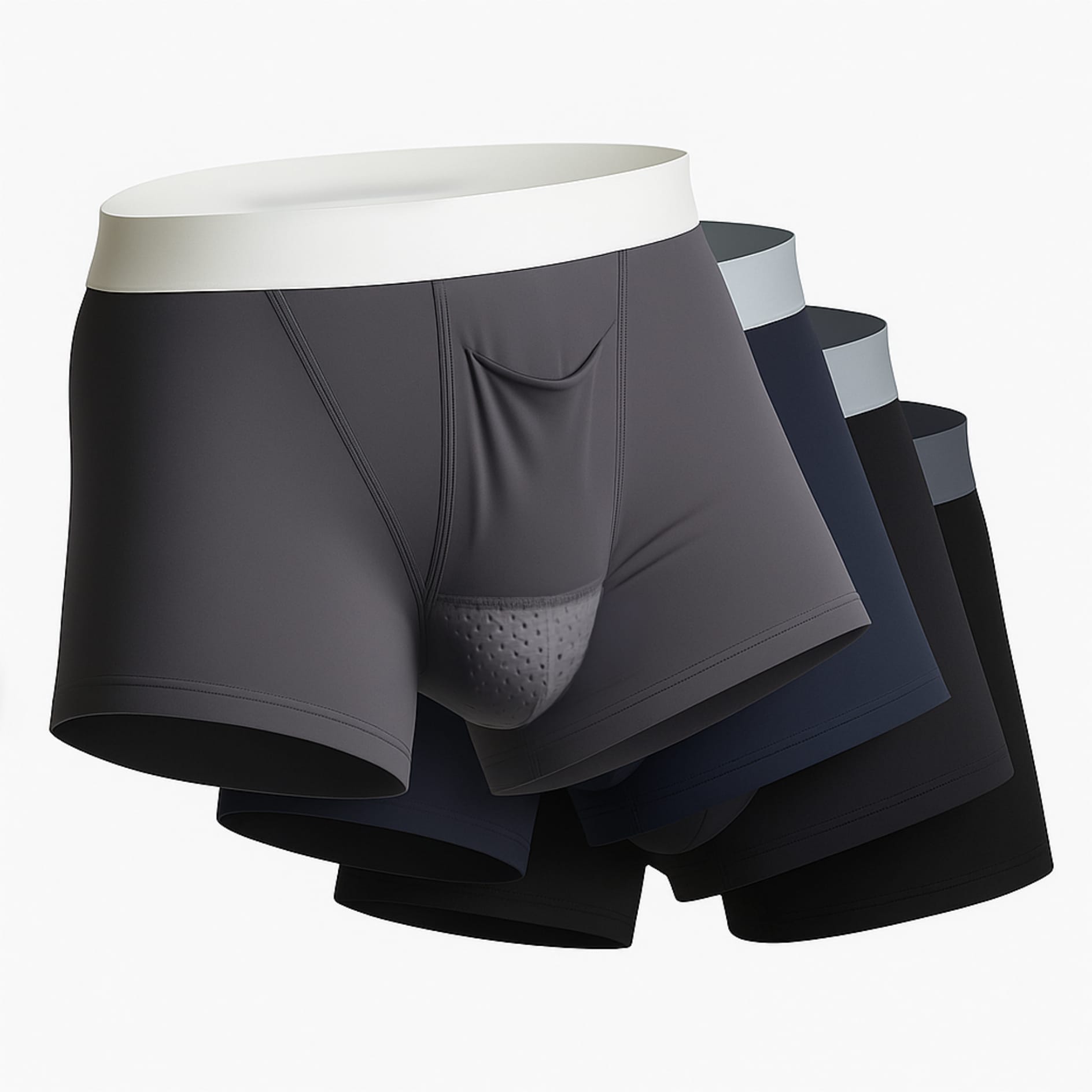
Preparing medical tourists for long flights after embolization requires serious clinical diligence to protect fragile vascular channels. Commercial aircraft cabins are pressurized to altitudes between six thousand and eight thousand feet, a physiological environment that reduces atmospheric oxygen and promotes systemic venous dilation. Coupled with hours of uninterrupted sitting, this pressure differential causes blood to pool in the pelvis and lower extremities, intensifying testicular swelling and elevating the risk of deep vein thrombosis. Wearing ergonomic, medical-grade travel support underwear for varicocele is vital during flight pressurization. These specialized garments counter scrotal sag, isolate delicate tissues from elevated leg temperatures, and maintain supportive, circulation-boosting compression against the pampiniform veins. Pairing this undergarment with hydration, hourly aisle walks, and loose outer clothing minimizes venous stasis while airborne.
As you plan long-term scrotal health maintenance, pairing post-procedural guidance with proven conservative tools delivers the greatest peace of mind. Investing in the best varicocele underwear provides sustained physical lift that unloads mechanical strain from the recovering spermatic cord, both during international transit and throughout the initial months of recovery. When approached with thorough research, rigorous hospital screening, and diligent travel precautions, traveling abroad for embolization can serve as a viable path toward resolving scrotal pain and protecting fertility. Protect your health by choosing verified JCI-accredited clinics, obtaining clear documentation of all deployed coils or sclerosants, and maintaining proper scrotal support from takeoff through full clinical recovery.
Related Articles
Choose Varicocele Support Designed for Cooling, Lift, and Daily Comfort
You’ve seen why regular underwear often falls short. Now view the purpose-built option made to reduce heaviness, improve support, and feel comfortable enough for everyday wear.