Section 1: Understanding Varicocele and Surgery Basics (Questions 1-8)
What is a varicocele?
A varicocele is an enlargement of veins within the scrotum, similar to varicose veins that can occur in the legs. These enlarged veins form in the pampiniform plexus, which is the network of veins that drain the testicle. Varicoceles are commonly associated with male infertility and can affect sperm production and quality.
What causes varicoceles?
Varicoceles develop when valves inside the veins fail to function properly, causing blood to pool and veins to enlarge. The left side is affected in approximately 85-95% of cases due to anatomical differences in venous drainage. Risk factors include increased abdominal pressure and venous insufficiency, though the exact cause isn’t always clear.
How is varicocele diagnosed?
Diagnosis begins with physical examination, where a doctor palpates the scrotum while the patient performs a Valsalva maneuver (bearing down). Color Doppler ultrasonography (CDU) is the most reliable diagnostic tool, identifying veins larger than 2-3 mm in diameter with reversal of blood flow during Valsalva. The standing position during ultrasound improves diagnostic accuracy compared to supine positioning.
When is surgery recommended?
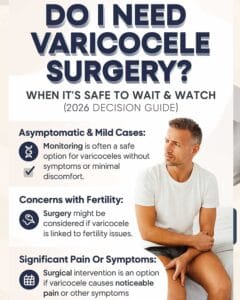
Surgery is indicated for large varicoceles in adolescents with testicular atrophy, elevated FSH, low testosterone, or abnormal semen analysis. In men with subfertility, varicocelectomy is recommended when there’s a palpable varicocele with abnormal semen parameters and infertility lasting one year or longer. Varicoceles causing scrotal pain also warrant surgical intervention.
What are the main types of varicocele surgery?
The primary surgical approaches include open varicocelectomy (retroperitoneal, inguinal, or subinguinal), laparoscopic varicocelectomy, and microsurgical varicocelectomy. Non-surgical options include percutaneous embolization and sclerotherapy. Each technique varies in incision location, magnification used, and complication rates.
What is microsurgical varicocelectomy?
Microsurgical varicocelectomy uses an operating microscope to identify and ligate affected veins through a small incision in the groin or subinguinal area. This approach is considered the gold standard with the highest success rates and lowest complication rates. The microscope allows precise identification of arteries and lymphatic vessels, reducing risks of hydrocele formation (0.44%) and recurrence (under 5%).
What is varicocele embolization?
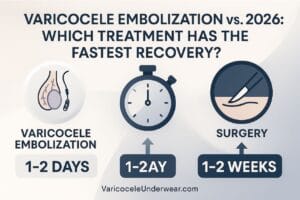
Varicocele embolization is a minimally invasive interventional radiology procedure where coils or sclerosing agents are inserted through a catheter to block the affected veins. The procedure is performed under local anesthesia with sedation and takes 30-60 minutes. Embolization offers advantages including no surgical incisions, same-day discharge, and a 90% long-term success rate.
How do I know if I need surgery?
Surgery is appropriate if you have documented infertility with abnormal semen parameters and a palpable varicocele. Additional indicators include testicular atrophy, persistent scrotal pain, or bilateral varicoceles affecting fertility. Consultation with a urologist and comprehensive semen analysis are essential for determining surgical candidacy.
Section 2: Choosing Your Surgical Approach (Questions 9-15)
What’s the difference between microsurgery and laparoscopic surgery?
Microsurgical varicocelectomy uses an operating microscope through a small groin incision, while laparoscopic surgery employs small abdominal incisions with a camera and instruments. Microsurgery provides superior visualization of arteries and lymphatics, resulting in lower complication rates. Laparoscopic surgery has a 7.6% risk of intestinal or vascular injury and higher hydrocele formation rates (2% vs 0.44%).
Which surgical technique has the highest success rate?
Microsurgical subinguinal varicocelectomy achieves the highest success rates with an overall efficacy of 62.8%. This technique demonstrates the lowest recurrence rates (under 1-5%), highest pregnancy rates, and best improvements in sperm parameters compared to all other approaches. Meta-analyses consistently identify microsurgical approaches as superior to open and laparoscopic techniques.
Is embolization better than traditional surgery?
Embolization offers advantages including no scarring, shorter procedure time (30-60 minutes), and faster recovery, but has a slightly higher recurrence rate than microsurgery. Studies show embolization has lower complication rates than laparoscopic surgery (9.7% vs 16.3%). However, bilateral embolization shows a 19.3% technical failure rate compared to under 5% for microsurgery.
What are the pros and cons of each approach?
Open varicocelectomy has a 15% recurrence rate and 9% hydrocele risk but is widely available. Laparoscopic surgery offers smaller incisions but carries a 3-15% recurrence rate and 7-20% hydrocele risk with potential visceral injury. Microsurgery provides the best outcomes (1% recurrence, 0.44% hydrocele) but requires longer operative time. Embolization avoids incisions and has 90% success rates but costs more and requires specialized radiology centers.
How do I choose between different surgical options?
Consider your varicocele grade, bilateral vs unilateral presentation, surgeon expertise, and access to specialized centers. Microsurgical subinguinal varicocelectomy is recommended as first-line treatment for optimal outcomes. Embolization is preferred for recurrent cases after failed surgery or when avoiding general anesthesia is desired. Discussion with an experienced urologist about your specific fertility goals and anatomy is essential.
Does my varicocele grade affect which surgery I need?
Higher grade varicoceles and those with wider spermatic vein diameter (>3.5mm) respond better to surgical intervention regardless of technique. Grade III (palpable without Valsalva) and Grade II (palpable with Valsalva) varicoceles show better post-surgical improvements in sperm parameters. Subclinical (non-palpable) varicoceles may not require treatment unless bilateral with clinical varicocele on the opposite side.
Can bilateral varicoceles be treated at once?
Yes, bilateral varicoceles can be treated simultaneously during a single surgical session. Meta-analyses show that bilateral varicocelectomy, especially for clinical left and subclinical right varicoceles, yields better outcomes in sperm motility than unilateral repair. However, bilateral embolization has a higher technical failure rate (19.3%) compared to microsurgical approaches.
Section 3: Pre-Operative Testing and Evaluation (Questions 16-22)
What tests do I need before surgery?
Preoperative testing includes complete blood count to check for infection and overall health, chest X-ray to rule out pulmonary pathology, and electrocardiogram to assess cardiac fitness for anesthesia. Physical examination with Valsalva maneuver and scrotal palpation is essential. Color Doppler ultrasonography in standing position confirms diagnosis and grades the varicocele.
Do I need a semen analysis before surgery?
Yes, at least two preoperative semen analyses are required to establish baseline sperm parameters and confirm abnormalities. Semen analysis evaluates sperm count, motility, morphology, and total motile sperm count. This baseline data is critical for measuring post-surgical improvement and determining surgical candidacy.
What blood tests are required?
Complete blood count (CBC) is mandatory to detect infections, anemia, and general health status before anesthesia. Any detected infection must be treated and resolved before proceeding with varicocele surgery. Additional hormone testing may include FSH, testosterone, and other hormonal evaluations depending on clinical presentation.
Do I need imaging studies like ultrasound?
Color Doppler ultrasonography is the gold standard imaging study for varicocele diagnosis and grading. The exam should be performed in standing position with Valsalva maneuver to maximize diagnostic accuracy. Ultrasound identifies veins >2-3mm in diameter and confirms reversal of venous flow, distinguishing clinical from subclinical varicoceles.
Will I need a chest X-ray or ECG?
Chest X-ray is required to exclude pulmonary pathology that could contraindicate surgery or anesthesia. Electrocardiogram (ECG) checks cardiac health and identifies any conditions that may affect anesthesia safety. These tests are standard preoperative requirements reviewed by the anesthesiologist.
How long before surgery should testing be done?
Preoperative tests should typically be completed within 2-4 weeks before surgery to ensure results are current. Semen analysis should be performed at least twice with appropriate intervals (typically 2-4 weeks apart) before surgery. Any abnormalities detected in blood work or imaging must be addressed before proceeding.
What should my hormone levels be checked for?
Hormone evaluation should include follicle-stimulating hormone (FSH), testosterone, and luteinizing hormone (LH). Elevated FSH or low testosterone may indicate testicular dysfunction and can help predict surgical outcomes. Patients with elevated FSH concentration tend to have poorer post-surgical outcomes.
Section 4: Preparation and What to Expect (Questions 23-30)
How do I prepare the week before surgery?
Avoid smoking and alcohol consumption, maintain a healthy diet, and ensure adequate hydration. Complete all preoperative testing and consultations as scheduled. Arrange for transportation home after surgery since you cannot drive yourself.
What medications should I stop taking?
Discontinue blood-thinning medications like aspirin, ibuprofen, and anticoagulants as directed by your surgeon, typically 7-10 days before surgery. Inform your doctor about all medications, supplements, and herbal products you take. Some medications may need to be continued or adjusted based on individual circumstances.
Do I need to fast before surgery?
Yes, fasting is required for procedures using general or spinal anesthesia, typically nothing by mouth after midnight before surgery. Clear liquids may be allowed up to 2-4 hours before surgery depending on anesthesia type. Follow your surgeon’s specific fasting instructions carefully.
Should I shave the surgical area?
Do not shave the surgical area yourself, as this can cause micro-abrasions that increase infection risk. If needed, hair removal will be performed by medical staff using appropriate techniques just before surgery. Arrive at the hospital with the area clean but unshaved.
What should I bring to the hospital?
Bring your identification, insurance information, completed paperwork, and a list of current medications. Wear comfortable, loose-fitting clothing and supportive underwear. Leave valuables at home and bring a responsible adult to drive you home after the procedure.
Can I drive myself to surgery?
No, you cannot drive yourself home after surgery due to anesthesia effects. Arrange for a responsible adult to drive you to and from the hospital and stay with you for the first 24 hours. Most facilities will not discharge patients without confirmed transportation.
How long will I be at the hospital?
Microsurgical varicocelectomy typically takes 1-2 hours of operative time. Including pre-operative preparation and post-operative recovery, expect to be at the hospital for 3-6 hours total. Most varicocele surgeries are outpatient procedures with same-day discharge.
Will I be discharged the same day?
Yes, varicocele surgery is typically an outpatient procedure with same-day discharge. Patients are monitored in recovery until anesthesia effects wear off and vital signs are stable. Discharge occurs when you can void, walk independently, and pain is controlled with oral medications.
Section 5: Anesthesia and Pain Management (Questions 31-35)
What type of anesthesia is used?
General anesthesia, spinal anesthesia, or local anesthesia with sedation can be used depending on surgical technique and patient factors. Microsurgical varicocelectomy typically uses general or spinal anesthesia. Embolization procedures are performed under local anesthesia with conscious sedation.
Is general or spinal anesthesia better?
Spinal anesthesia combined with transversus abdominis plane (TAP) block provides effective analgesia with lower postoperative analgesic requirements and shorter hospital stays compared to general anesthesia. Studies show 85.71% of spinal anesthesia patients require postoperative analgesia. General anesthesia allows for complete unconsciousness but may result in higher analgesic requirements postoperatively.
Will I be asleep during the procedure?
With general anesthesia, you will be completely asleep and unconscious throughout the procedure. Spinal anesthesia numbs the lower body while you remain conscious but relaxed with sedation. Embolization uses local anesthesia with sedation, so you’re awake but comfortable and drowsy.
How long does anesthesia last?
General anesthesia effects wear off within 1-2 hours after surgery completion, though grogginess may persist for several hours. Spinal anesthesia typically lasts 2-4 hours, with sensation gradually returning to the lower body. Recovery room monitoring continues until you’re fully alert with stable vital signs.
What pain management options are available after surgery?
Multimodal analgesic techniques are recommended for postoperative pain control. Options include intrathecal morphine, TAP block, oral analgesics (NSAIDs, acetaminophen), and opioids if needed. Spinal anesthesia with TAP block provides the longest pain relief with lowest analgesic requirements.
Section 6: The Surgical Procedure (Questions 36-40)
How long does the surgery take?
Microsurgical varicocelectomy typically takes 1-2 hours of operative time. Embolization procedures are faster, requiring 30-60 minutes. Laparoscopic approaches fall between these timeframes, while bilateral procedures take longer than unilateral operations.
What happens during the operation?
During microsurgical varicocelectomy, the surgeon makes a small incision in the groin or subinguinal area, identifies the spermatic cord under microscope magnification, and carefully ligates (ties off) the enlarged veins while preserving arteries and lymphatics. In embolization, a catheter is inserted through the femoral vein, guided to the testicular vein, and coils or sclerosing agents are deployed to block blood flow.
Where are the incisions made?
Microsurgical subinguinal varicocelectomy uses an incision below the inguinal canal in the upper scrotum. Inguinal approaches place the incision in the groin crease. Laparoscopic surgery requires 2-3 small incisions in the abdomen. Embolization requires only a small puncture in the groin for catheter insertion.
How many veins are typically sealed?
The number of veins ligated varies by individual anatomy, but typically multiple branches of the internal spermatic vein are sealed. Microsurgical technique allows identification and preservation of 1-2 testicular arteries and lymphatic vessels while ligating all abnormal veins. Complete ligation of all contributing veins is essential to prevent recurrence.
Can complications occur during surgery?
Yes, intraoperative complications can include bleeding, injury to the testicular artery (1-12% depending on technique), and in laparoscopic cases, injury to intestines or major blood vessels (7.6%). Microsurgical approach has the lowest intraoperative complication rates due to superior visualization. Anesthesia-related complications are rare but possible.
Section 7: Success Rates and Expected Outcomes (Questions 41-46)
What is the success rate of varicocele surgery in 2025?
The overall efficacy rate of varicocelectomy is 62.8% for fertility improvement. Microsurgical subinguinal varicocelectomy achieves the highest success rates with 90%+ technical success and significant improvements in sperm parameters. Pregnancy rates increase 2.7-fold after varicocelectomy, with overall spontaneous pregnancy rates reaching 40.7%.
How much will surgery improve my fertility?
Surgery significantly improves sperm concentration, motility, and total motile sperm count in 69.4% of patients. Meta-analyses show increased pregnancy rates with odds ratios of 5.89 for men whose sperm parameters improved compared to those without improvement. Varicocelectomy reduces DNA fragmentation in sperm and improves assisted fertilization outcomes.
What sperm parameter improvements can I expect?
Mean sperm counts increase by 53% at 3 months and 38% at 6 months post-surgery. Total progressive sperm count shows significant improvement in approximately 70% of patients. Sperm concentration and count show the most pronounced improvements, while motility and morphology improvements are more variable.
How long until I see fertility improvements?
Sperm parameters improve by 3 months after varicocele repair and typically don’t improve further after that point. Some studies show continued improvement through 6 months postoperatively. The mean time for spontaneous pregnancy after surgery is approximately 7 months. Patients should wait at least 6 months before considering assisted reproductive techniques.
What factors affect surgical success?
Patients with better preoperative sperm concentration, total motile sperm count, and wider spermatic vein diameter (>3.5mm) are more likely to benefit from surgery. Preoperative sperm motility of 60% or higher predicts better pregnancy rates. Reduced presurgical testicular volume and elevated FSH concentration predict negative post-surgical outcomes.
What is the recurrence rate after surgery?
Recurrence rates vary significantly by technique: microsurgical approaches show 1-5% recurrence, laparoscopic surgery 3-15%, open varicocelectomy up to 15%, and embolization 5-10%. Microsurgical subinguinal varicocelectomy has the lowest recurrence rates, with some studies reporting rates as low as 0.8% in experienced hands. Incomplete ligation of contributing veins causes most recurrences.
Section 8: Risks, Complications, and When to Seek Help (Questions 47-50)
What are the most common complications?
The three most significant complications are recurrent varicocele, hydrocele formation, and testicular artery injury. Rates vary by technique: microsurgical approaches show 0.44% hydrocele risk and 1% artery injury, while open surgery carries 9% hydrocele risk and up to 12% artery injury. Infection, bleeding, and chronic pain occur less frequently.
What are the rare but serious risks?
Testicular atrophy from arterial ligation is very rare but has been described. Laparoscopic surgery carries risks of intestinal or major blood vessel injury (7.6% of cases). Severe infection, thromboembolic events, and anesthesia complications are extremely rare but potentially life-threatening. Chronic neuropathic pain may develop in rare cases.
How can complications be minimized?
Choose a surgeon experienced in microsurgical techniques, which have universally lower complication rates. Microsurgical inguinal or subinguinal approaches preserve lymphatics and arteries, reducing hydrocele and artery injury risks. Following preoperative instructions, disclosing all medical conditions, and adhering to postoperative care guidelines minimize complications.
When should I call my doctor after surgery?
Contact your doctor immediately for fever above 101°F (38.3°C), increasing pain not controlled by medications, excessive swelling or redness, wound drainage or bleeding, difficulty urinating, or signs of infection. Persistent testicular swelling, sudden severe pain, or any concerning symptoms warrant prompt evaluation. Follow-up appointments typically occur at 1-2 weeks, 3 months, and 6 months post-surgery.