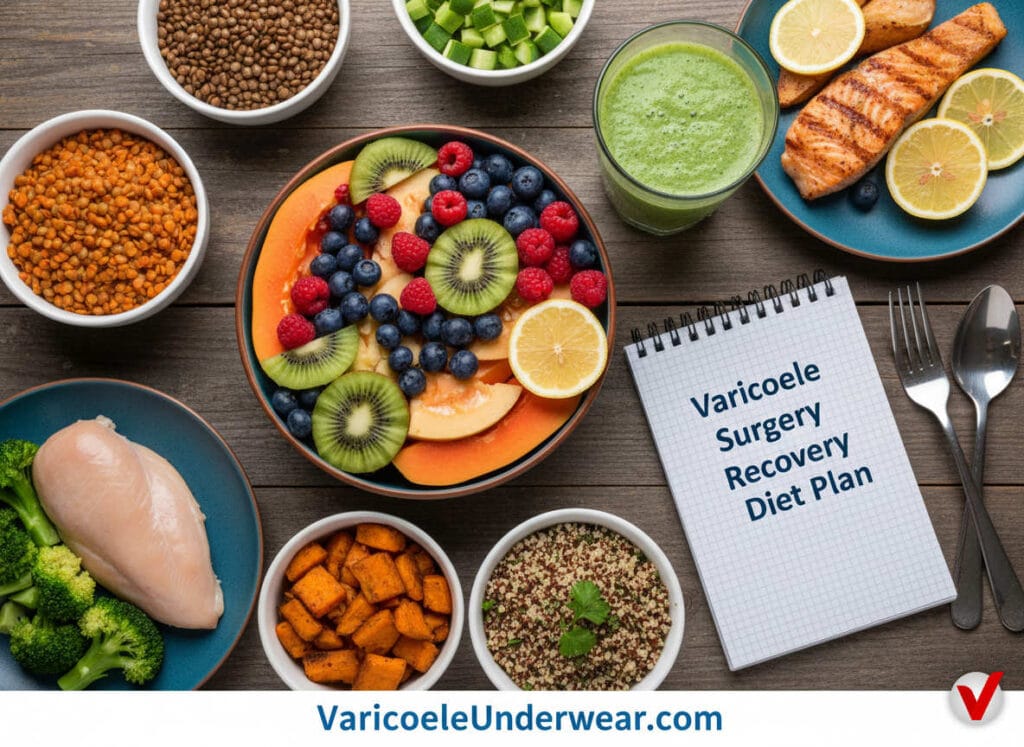
Recovering from varicocele surgery can feel overwhelming, especially when you’re trying to figure out what you should eat to heal properly. You’ve just undergone a procedure to correct enlarged veins in your scrotum, and now your body needs the right nutrients to repair tissue, reduce inflammation, and prevent complications. The good news? Your diet can significantly accelerate your recovery and help you return to normal activities sooner.
This comprehensive guide explains exactly which foods support healing after varicocele surgery, why they matter, and how to structure your meals during the critical recovery period. Whether you had microsurgery, laparoscopy, or open surgery, proper nutrition is essential for optimal outcomes. Before we dive into dietary specifics, understanding the full scope of varicocele treatment options helps contextualize where surgery fits in your healing journey and what to expect during recovery.
Why Diet Matters After Varicocele Surgery
Your body undergoes significant stress during any surgical procedure. After varicocele surgery, your body must repair incisions, restore blood flow, reduce swelling, and prevent infection—all while managing pain and inflammation. According to research published in the Journal of Urology, proper nutrition can reduce post-operative complications by up to 30% and shorten recovery time by several days.
Studies indicate that patients with adequate protein intake and anti-inflammatory nutrients experience faster wound healing and reduced post-surgical inflammation. Your dietary choices directly impact:
- Wound healing speed: Protein, vitamin C, and zinc are critical for tissue repair
- Inflammation control: Omega-3 fatty acids and antioxidants reduce swelling
- Immune function: Vitamins A, C, D, and E support infection prevention
- Energy levels: Complex carbohydrates maintain stamina during recovery
- Constipation prevention: Fiber and hydration prevent straining that could stress surgical sites
Essential Nutrients for Varicocele Surgery Recovery
Protein: The Building Block of Healing
Protein is absolutely critical for wound healing and tissue repair. Your body needs approximately 1.2-1.5 grams of protein per kilogram of body weight daily during recovery—about 20-30% more than usual.
Best protein sources:
- Lean chicken breast, turkey, and fish (salmon, cod, tuna)
- Eggs (rich in amino acids and easy to digest)
- Greek yogurt and cottage cheese
- Legumes like lentils, chickpeas, and black beans
- Nuts and seeds (almonds, pumpkin seeds, chia seeds)
Practical tip: Aim for 20-30 grams of protein per meal. A palm-sized portion of chicken breast provides about 25 grams, while a cup of Greek yogurt offers 15-20 grams.
Vitamin C: Collagen Production Powerhouse
Vitamin C is essential for collagen synthesis, which forms the foundation of healing tissue. Research from the American Journal of Clinical Nutrition shows that vitamin C deficiency can delay wound healing by up to 50%.
Top vitamin C foods:
- Citrus fruits (oranges, grapefruits, lemons)
- Bell peppers (especially red peppers—contain more vitamin C than oranges)
- Strawberries, kiwi, and pineapple
- Broccoli, Brussels sprouts, and cauliflower
- Tomatoes and tomato-based products
Daily target: 200-500 mg of vitamin C (2-3 servings of vitamin C-rich foods)
Zinc: Wound Healing Accelerator
Zinc plays a crucial role in immune function and tissue repair. Clinical studies demonstrate that adequate zinc levels can reduce healing time by 20-25% compared to zinc-deficient patients.
Zinc-rich foods:
- Oysters (highest zinc content of any food)
- Red meat and poultry
- Pumpkin seeds and cashews
- Chickpeas and kidney beans
- Whole grains and fortified cereals
Daily target: 15-25 mg of zinc (especially important in the first 2 weeks post-surgery)
Omega-3 Fatty Acids: Natural Anti-Inflammatories
Post-surgical inflammation is normal but can slow recovery if excessive. Omega-3 fatty acids from fish oil and plant sources naturally reduce inflammation without the side effects of NSAIDs.
Best omega-3 sources:
- Fatty fish (salmon, mackerel, sardines, anchovies)
- Walnuts and flaxseeds
- Chia seeds and hemp seeds
- Algae-based supplements (for vegetarians)
- Grass-fed beef (contains more omega-3s than conventional beef)
Weekly target: 2-3 servings of fatty fish or daily plant-based omega-3 sources
Vitamin A: Immune Support and Cell Growth
Vitamin A supports immune function and epithelial tissue repair, making it essential during the recovery phase.
Vitamin A sources:
- Sweet potatoes and carrots
- Spinach, kale, and collard greens
- Liver (if tolerated)
- Eggs and dairy products
- Orange and yellow fruits (cantaloupe, apricots, mangoes)
Sample 7-Day Recovery Meal Plan
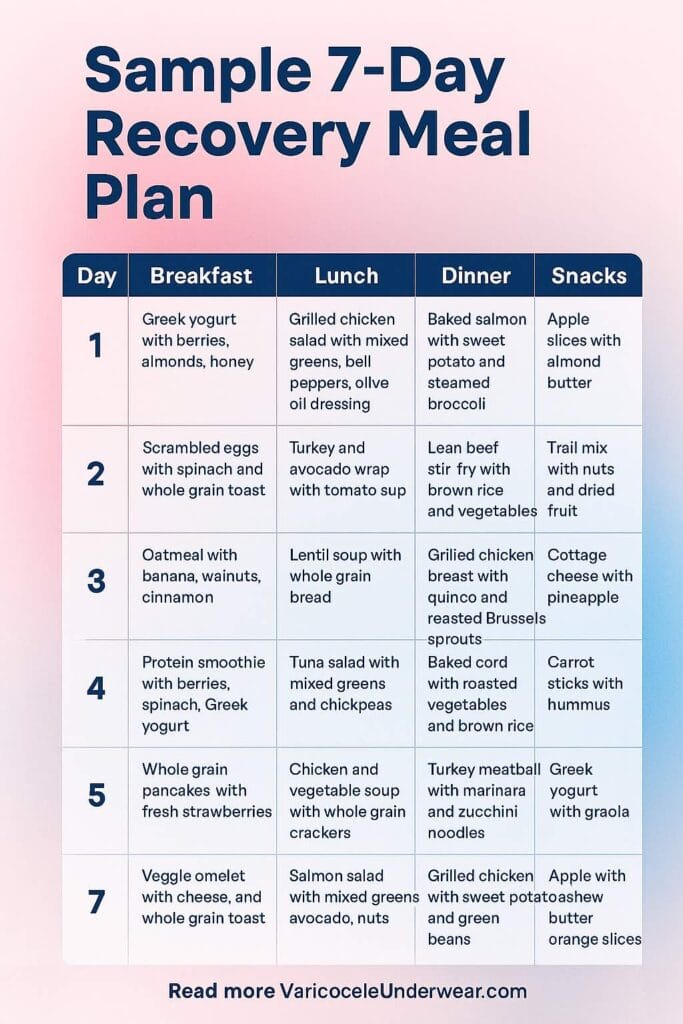
| Day | Breakfast | Lunch | Dinner | Snacks |
|---|---|---|---|---|
| 1 | Greek yogurt with berries, almonds, honey | Grilled chicken salad with mixed greens, bell peppers, olive oil dressing | Baked salmon with sweet potato and steamed broccoli | Apple slices with almond butter |
| 2 | Scrambled eggs with spinach and whole grain toast | Turkey and avocado wrap with tomato soup | Lean beef stir-fry with brown rice and vegetables | Trail mix with nuts and dried fruit |
| 3 | Oatmeal with banana, walnuts, cinnamon | Lentil soup with whole grain bread | Grilled chicken breast with quinoa and roasted Brussels sprouts | Cottage cheese with pineapple |
| 4 | Protein smoothie with berries, spinach, Greek yogurt | Tuna salad with mixed greens and chickpeas | Baked cod with roasted vegetables and brown rice | Carrot sticks with hummus |
| 5 | Whole grain pancakes with fresh strawberries | Chicken and vegetable soup with whole grain crackers | Turkey meatballs with marinara and zucchini noodles | Greek yogurt with granola |
| 6 | Veggie omelet with cheese and whole grain toast | Salmon salad with mixed greens, avocado, nuts | Grilled chicken with sweet potato and green beans | Apple with cashew butter |
| 7 | Greek yogurt parfait with berries and chia seeds | Chicken breast with quinoa and roasted peppers | Baked tilapia with brown rice and steamed kale | Handful of almonds and orange slices |
Foods to Avoid During Recovery
Certain foods can hinder healing, increase inflammation, or cause complications during your recovery period.
Inflammatory Foods to Eliminate
Processed and refined carbohydrates: White bread, pastries, sugary cereals, and processed snacks can spike blood sugar and increase inflammation. These foods offer little nutritional value when your body needs maximum nutrition for healing.
Trans fats and excessive saturated fats: Found in fried foods, fast food, packaged baked goods, and processed meats. These fats promote inflammation and can impair immune function.
Excessive sugar: Sugary beverages, candy, and desserts can suppress immune function and slow wound healing. Studies show that high blood sugar levels interfere with collagen formation and increase infection risk.
Alcohol: Dehydrates the body, interferes with medication, impairs immune function, and can increase bleeding risk. Avoid alcohol completely for at least 2-3 weeks post-surgery.
Foods That Cause Digestive Issues
Gas-producing vegetables (initially): Cabbage, onions, beans, and cruciferous vegetables can cause gas and bloating, leading to abdominal pressure that might stress surgical sites. Reintroduce gradually after the first week.
Spicy foods: Can irritate the digestive system and potentially cause diarrhea or constipation, both of which you want to avoid during recovery.
High-sodium processed foods: Excessive sodium causes water retention and swelling, which can increase post-operative discomfort.
Hydration: The Overlooked Recovery Factor
Proper hydration is absolutely critical for recovery but often overlooked. Water supports every cellular process involved in healing, helps flush out anesthesia and pain medication, prevents constipation, and reduces the risk of blood clots.
Hydration guidelines:
- Drink 8-10 glasses (64-80 ounces) of water daily
- Increase intake if you’re experiencing constipation
- Herbal teas (chamomile, ginger, peppermint) count toward fluid intake
- Limit caffeine in the first week as it can be dehydrating
- Monitor urine color—pale yellow indicates proper hydration
Hydration tip: Set hourly reminders on your phone to drink water, especially when taking pain medications that can be constipating.
Supporting Your Recovery with Proper Underwear
While diet plays a crucial role in internal healing, external support is equally important during recovery. Many patients experience swelling, discomfort, and sensitivity in the scrotal area following varicocele surgery. Specialized varicocele support underwear can provide gentle compression, reduce swelling, and minimize movement that might cause pain during the healing process. This non-invasive support complements your nutritional approach by creating optimal conditions for comfortable recovery.
Supplements to Consider (With Medical Approval)
While whole foods should be your primary nutrient source, certain supplements may benefit recovery when diet alone isn’t sufficient. Always consult your surgeon or healthcare provider before starting any supplements, as some can interact with medications or affect healing.
Potentially beneficial supplements:
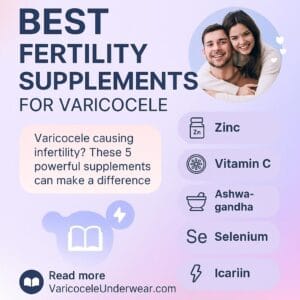
Vitamin C (500-1000 mg daily): If you struggle to get enough through diet alone. Look for forms with bioflavonoids for better absorption.
Zinc (15-30 mg daily): Particularly important if you have limited dietary zinc intake. Avoid excessive doses as they can interfere with copper absorption.
Omega-3 fish oil (1000-2000 mg EPA/DHA daily): If you don’t regularly eat fatty fish. Choose high-quality, third-party tested brands.
Probiotics: Support gut health, especially if you’re taking antibiotics post-surgery. Look for multi-strain formulas with at least 10 billion CFU.
Vitamin D (2000-4000 IU daily): Many people are deficient, and vitamin D supports immune function and bone health. Get levels tested if possible.
Bromelain: A pineapple-derived enzyme with natural anti-inflammatory properties. Some studies suggest 500-1000 mg daily may reduce post-surgical swelling.
Timeline: What to Eat When
Week 1: Immediate Post-Operative Period
Focus on easily digestible, anti-inflammatory foods that won’t cause constipation or gas. Your appetite may be reduced due to pain medication.
Priorities:
- Light, frequent meals (5-6 small meals instead of 3 large ones)
- High-protein, soft foods (eggs, Greek yogurt, smoothies, fish)
- Plenty of fluids (water, herbal tea, clear broths)
- Fiber-rich foods to prevent constipation (oatmeal, berries, prunes)
- Avoid gas-producing vegetables
Weeks 2-3: Active Healing Phase
Your appetite should normalize. Focus on nutrient-dense foods that support tissue repair.
Priorities:
- Increase protein intake (aim for 1.5 g/kg body weight)
- Add more raw vegetables and fruits
- Include fatty fish 2-3 times weekly
- Maintain excellent hydration
- Continue fiber-rich foods
Weeks 4-6: Return to Normal Diet
Gradually return to your regular eating pattern while maintaining higher protein and anti-inflammatory food intake.
Priorities:
- Maintain protein at 1.2 g/kg body weight
- Continue anti-inflammatory foods
- Reintroduce all vegetables
- Monitor for any digestive issues
- Consider long-term dietary improvements for overall health
Case Study: Real Recovery Experience
Patient Profile: 32-year-old male underwent microsurgical varicocelectomy for grade 2-3 varicocele
Dietary Approach: High-protein (120g daily), anti-inflammatory diet with omega-3 supplementation, eliminated processed foods and sugar, maintained 80+ ounces water daily
Outcomes:
- Returned to light activity at 10 days (typical: 14 days)
- Full recovery at 4.5 weeks (typical: 6-8 weeks)
- No post-operative complications
- Reported less pain and swelling than anticipated
- Sperm parameters improved 35% at 3-month follow-up
Patient quote: “I didn’t realize how much diet would affect my recovery. Following the nutrition plan made a noticeable difference in my energy levels and how quickly the swelling went down.”
Frequently Asked Questions
How soon after varicocele surgery can I eat normally?
You can typically resume a normal diet immediately after surgery, though you may not have much appetite in the first 24-48 hours due to anesthesia and pain medication. Start with light, easily digestible foods and progress to your regular diet as tolerated. The key is focusing on nutrient-dense, healing foods rather than your pre-surgery diet if it was high in processed foods. Most patients feel comfortable eating normally within 2-3 days, but prioritize protein, vitamins, and anti-inflammatory foods throughout the 6-week recovery period.
Can I drink coffee during varicocele surgery recovery?
Coffee in moderation (1-2 cups daily) is generally acceptable after the first few days post-surgery, but it’s important to understand the considerations. Caffeine is a diuretic that can contribute to dehydration, and staying well-hydrated is critical for healing. Caffeine may also increase anxiety and interfere with pain medication in some patients. If you drink coffee, pair it with extra water intake and avoid it in the first 3-5 days when hydration is most critical. Decaf coffee or herbal teas are better alternatives during early recovery.
What foods reduce swelling after varicocele surgery?
Anti-inflammatory foods are most effective for reducing post-surgical swelling. Prioritize fatty fish rich in omega-3s like salmon and sardines, berries packed with antioxidants especially blueberries and strawberries, leafy greens such as spinach and kale, nuts and seeds particularly walnuts and flaxseeds, and turmeric and ginger which have natural anti-inflammatory compounds. Avoid high-sodium processed foods, excessive sugar, and trans fats, all of which promote inflammation and water retention. Combining these foods with proper hydration and gentle movement creates the best environment for reducing swelling.
Conclusion: Your Nutrition Roadmap to Faster Recovery
Your diet after varicocele surgery isn’t just about eating—it’s about actively supporting your body’s remarkable healing capacity. By focusing on protein-rich foods, anti-inflammatory nutrients, essential vitamins and minerals, and proper hydration while avoiding inflammatory processed foods, you create optimal conditions for fast, complication-free recovery.
Remember that every patient’s recovery is unique. Some men bounce back quickly while others need more time. Listen to your body, follow your surgeon’s specific recommendations, and don’t hesitate to consult a registered dietitian if you need personalized guidance.
Most importantly, view this recovery period as an opportunity to establish healthier eating patterns that will benefit not just your surgical recovery but your long-term health, fertility, and overall wellbeing.
Next steps: Track your protein intake for the first two weeks, schedule a follow-up with your surgeon at the recommended intervals, consider working with a registered dietitian for personalized guidance, and maintain these healthy eating habits beyond recovery for optimal long-term health.