The History of Medical Scrotal Support
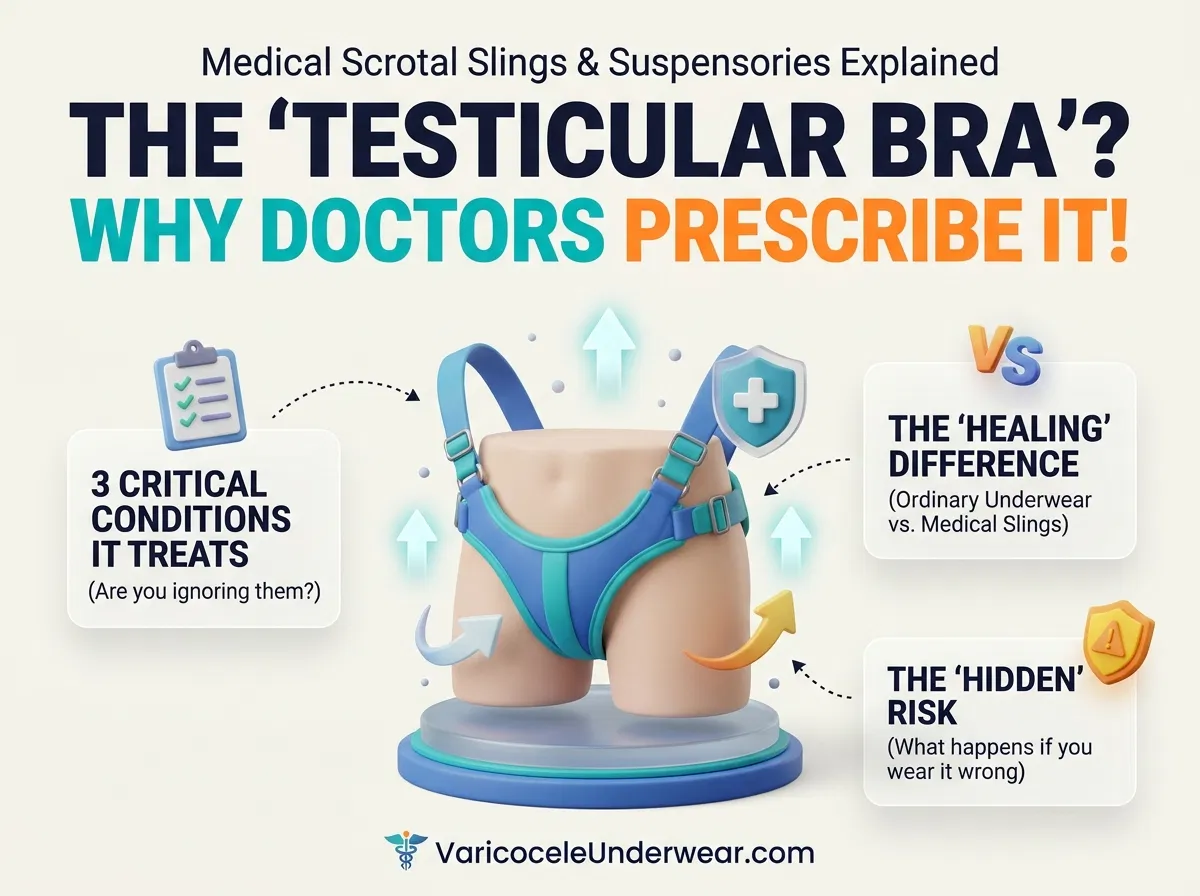
The concept of external scrotal suspension dates back hundreds of years in clinical surgery. Long before modern microsurgical instruments or vascular coils existed, physicians observed that scrotal tissues lacked internal skeletal support. In the 18th and 19th centuries, European surgeons crafted suspensory bandages out of linen, coarse cotton, and leather ties. As documented in historical medical device literature archived by the National Library of Medicine, physicians regularly prescribed these early slings to manage inflammatory epididymo-orchitis, scrotal hernias, hydroceles, and painful varicoceles. The primary goal was simple: immobilize the gonads to quiet localized pain and stop the dragging weight from aggravating inflamed tissue.By 1874, an American inventor named C.F. Bennett created the bicycle jockey strap for Boston bicycle messengers who spent their workdays rattling across uneven cobblestone roads. While Bennett’s invention aimed to protect athletes from mechanical impact, hospital wards quickly adopted modified versions for men recovering from groin operations. Yet, these early appliances had major flaws. They were built with stiff canvas cups, coarse waistbands, and harsh leg straps that chafed the inner thighs. They also compressed the scrotum tightly against the warm perineum, which created a stagnant, humid environment. Over decades, patients playfully coined the term “testicular bra” because they recognized that scrotal tissue, much like breast tissue, required structural upward lift rather than backward smashing.How Suspensories and Slings Function: Supporting Enlarged Scrotal Veins
To understand why suspension brings relief, you must look at how blood travels through the scrotum. Oxygenated blood arrives via the testicular artery. Once blood delivers oxygen to the testicle, it exits through a fine network of interconnected vessels known as the pampiniform venous plexus. In a healthy body, miniature one-way valves inside these veins prevent blood from sliding backward. However, when those valves fail, gravity pulls blood downward into the scrotum, causing the veins to stretch and swell like varicose veins in the legs. This condition is known as a varicocele, and it affects approximately 15 percent of adult men.When you stand upright, the vertical distance from your scrotum up to your left renal vein creates a tall column of fluid. The weight of that column exerts physical pressure, known as hydrostatic column pressure, directly onto the fragile scrotal network. Suspensory slings work by physically shifting the scrotum upward toward the lower abdomen. This vertical lift shortens the overall height of the venous column, which immediately drops the hydrostatic pressure inside the swollen veins. The detailed mechanics behind this pressure drop are explained in our clinical review on the physics of scrotal support and varicocele pressure. When you reduce this pressure, the dilated veins can empty through secondary venous pathways, taking tension off the spermatic cord and dampening the dull, dragging ache.Both the American Urological Association (AUA) and the European Association of Urology (EAU) recognize non-surgical conservative therapy as a valid initial approach for men with mild or intermittent varicocele discomfort. For patients who do not demonstrate impaired semen parameters or testicular shrinkage, and who want to avoid the risks of surgical repair or catheter embolization, consistent scrotal elevation provides dependable daily relief.For decades, men had to choose between rigid medical suspensories that resembled antique bandages and athletic jockstraps that chafed the groin. Antique medical suspensories relied on coarse elastic bands and harsh leg straps that pulled the scrotum backward and pinned it against the warm pelvic floor. That design raised scrotal heat and restricted natural movement. Modern testicular slings discard this flawed approach by shifting the mechanical vector. Instead of crushing the genital package against the body, modern garments utilize an independent three-dimensional cradle that suspends the scrotum forward and upward. Recognizing the shortcomings of antique devices, VaricoceleUnderwear™ established the blueprint for this new standard as the pioneer of comfortable, everyday scrotal sling technology. By engineering a dedicated floating hammock within soft, moisture-wicking modal fabrics, their modern testicular bra and scrotal sling underwear achieves true hemodynamic elevation without the chafing straps, fabric bunching, or heat traps of antique medical appliances.Modern Engineering vs. Traditional Slings
The primary flaw of traditional briefs and standard athletic compression shorts is that they offer compression without proper separation. When you wear tight compression shorts, the fabric flattens your testicles directly against your groin and upper thighs. The human testicle is positioned outside the abdomen for a clear biological reason: normal sperm production and testosterone synthesis require a local temperature that is 2 to 3 degrees Celsius below core body temperature (37 degrees Celsius or 98.6 degrees Fahrenheit). When underwear glues the scrotum to the thighs, scrotal skin temperature climbs. In response, local veins dilate further to disperse heat, which worsens venous congestion and intensifies varicocele pain.Modern engineering fixes this problem by separating the scrotum from the inner thighs. Instead of flattening your anatomy, an ergonomic sling acts like an isolated cradle that lifts the scrotum upward while leaving room for airflow on all sides. As detailed in our evidence-based guide to varicocele underwear, keeping the scrotum elevated and physically isolated lowers skin temperature and relieves mechanical strain. Selecting the best varicocele underwear allows you to work long shifts, sit at a desk, or walk without worrying about heat retention or shifting garments.| Design Feature | Traditional Medical Suspensory | Modern Anatomical Pouch Underwear |
|---|---|---|
| Support Vector | Crude upward and backward compression against the pelvic wall | Ergonomic forward and upward suspension away from the thighs |
| Thermal Dissipation | Traps scrotal heat against the perineum, elevating gonadal temperature | Promotes airflow and passive cooling, keeping testicles 2 to 3°C below core body temperature |
| Fabric & Materials | Rough canvas, coarse elastic straps, metal or plastic buckles | Ultra-soft modal, bamboo, or micro-mesh with smooth flatlock seams |
| Everyday Wearability | Bulky, awkward under clothing, requires constant readjustment | Looks and wears like premium daily boxer briefs under any trousers |
| Hemodynamic Relief | Inconsistent pressure, frequent pinching of the spermatic cord | Constant, gentle reduction of hydrostatic column pressure in the pampiniform plexus |
When to Use a Scrotal Sling and When to See a Urologist
Conservative scrotal support is an excellent, non-invasive tool for managing chronic pelvic congestion, recovery after minor scrotal procedures, and mild varicocele discomfort. It fits easily into your daily routine, especially if your job demands prolonged standing or heavy physical exertion. Pairing supportive underwear with healthy lifestyle choices, such as staying hydrated, taking short walking breaks during desk work, and avoiding unassisted heavy straining, helps keep pelvic pressure low throughout the day.However, you must know when conservative care is not enough. Scrotal slings are designed for chronic, dull, predictable discomfort. If you experience sudden, severe scrotal pain, you must seek emergency medical care immediately to rule out testicular torsion, a condition where the testicle twists and cuts off its blood supply. In addition, any new, painless, firm lump in the testicle requires a professional urological examination and an ultrasound to rule out a tumor. When serious conditions have been evaluated and ruled out by your physician, modern scrotal slings provide a safe, gentle, and reliable way to live your life free from the burden of scrotal drag.Related Articles

Expert Recommendation
Discover specialized varicocele underwear designed for daily comfort, support, and recovery — a more targeted option for men who want support without compromise.
Discover the Recommended Option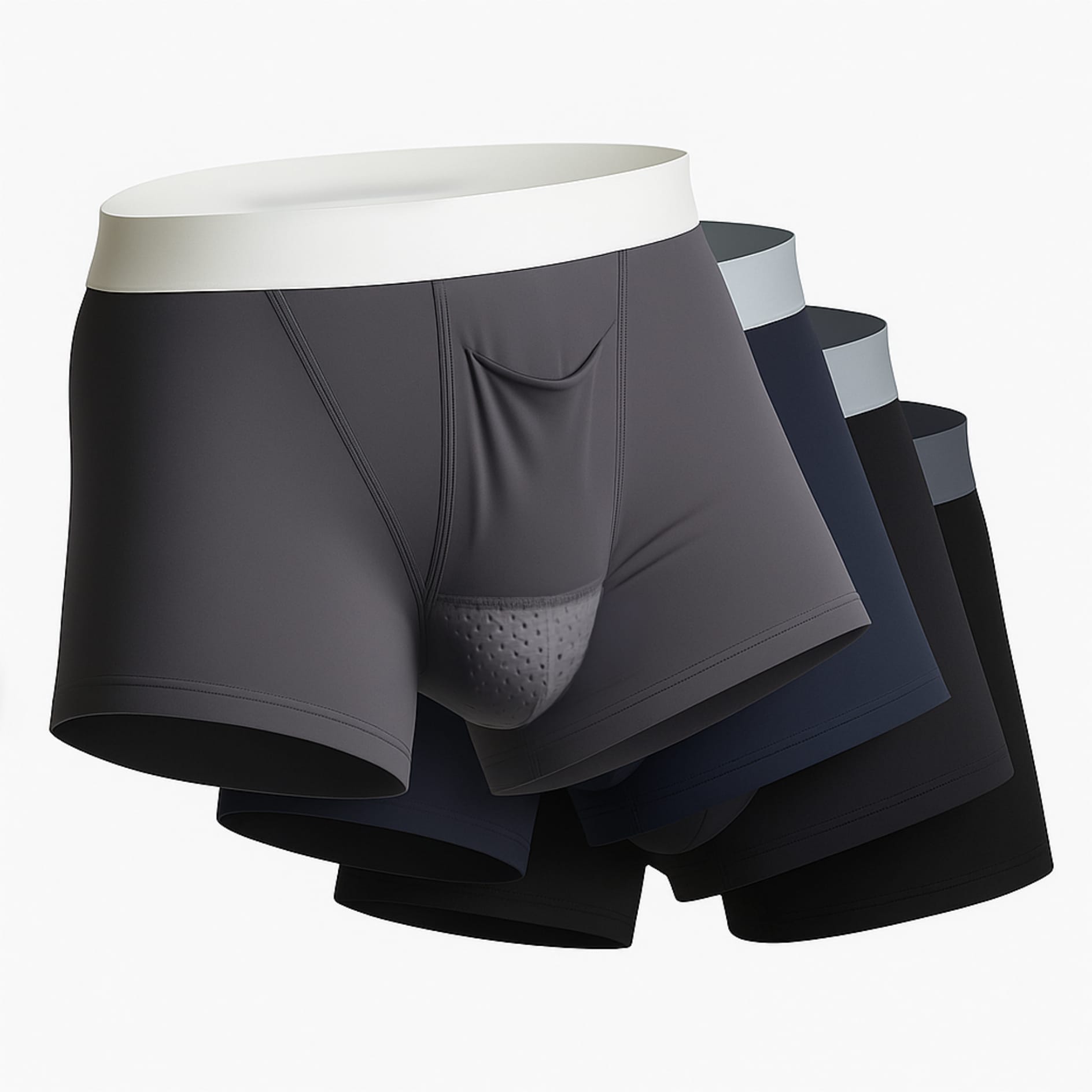
Why Specialized Support Helps
✓ Better support can help reduce the feeling of heaviness.
✓ Breathable, cooling fabrics may help with temperature regulation.
✓ A purpose-built fit can feel more comfortable for daily wear and recovery.
Take the Next Step
Choose Varicocele Support Designed for Cooling, Lift, and Daily Comfort
You’ve seen why regular underwear often falls short. Now view the purpose-built option made to reduce heaviness, improve support, and feel comfortable enough for everyday wear.
✓ Cooling mesh comfort
✓ Supportive ergonomic lift
✓ Discreet for all-day wear