If you’re serious about lifting and you have varicocele, you’ve probably been given vague advice to “avoid straining.” That doesn’t help when you’re trying to decide whether to keep squatting, pull heavy deadlifts, or complete a powerlifting program. The specific mechanism you need to understand is the Valsalva maneuver: the forced breath-hold technique that every serious lifter uses on heavy sets, and the same maneuver that urologists use clinically to provoke varicocele reflux during Doppler ultrasound. This article explains exactly what happens in your scrotal veins during heavy lifting, how to train intelligently around it, and what the science actually says about bodybuilding and varicocele progression.
What Is the Valsalva Maneuver?
The Valsalva maneuver is a forced expiratory effort against a closed glottis (holding your breath with your airway sealed). In strength training, it’s performed automatically during heavy compound lifts to stabilize the spine: you take a deep breath, brace hard, hold, and lift. This creates a dramatic spike in intra-thoracic and intra-abdominal pressure that can reach 150-200 mmHg in trained lifters during maximal efforts.
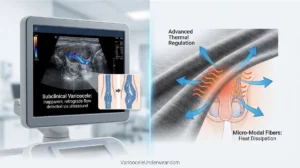
In clinical medicine, the Valsalva is deliberately used during scrotal Doppler ultrasound to expose varicocele. The pressure spike from bearing down mimics heavy lifting and forces retrograde (backward) blood flow through incompetent spermatic vein valves. If reflux is detected during the clinical Valsalva, it confirms valve incompetence. This should tell you something important: every heavy set you perform with breath-holding generates the exact hemodynamic event your urologist uses to diagnose and grade your varicocele.
What Happens in the Scrotal Veins During Heavy Lifting
During a Valsalva in a heavy squat or deadlift, intra-abdominal pressure spikes sharply. This pressure is transmitted to the retroperitoneal veins, including the left renal vein and testicular vein. In healthy men with competent venous valves, this pressure wave is blocked. In men with varicocele, the same wave drives retrograde blood flow down into the pampiniform plexus, acutely engorging the scrotal veins.
During a typical 5-rep set of heavy squats, a man with Grade 2-3 varicocele may experience 5 separate acute engorgement events with minimal decompression between reps. Over the course of a 45-minute leg session with multiple heavy sets, this cumulative venous pressure exposure is substantial. The immediate result is post-workout scrotal aching and fullness. The longer-term concern is whether repeated acute engorgement accelerates venous wall stretching and dilation.

Discover specialized varicocele underwear designed for daily comfort, support, and recovery — a more targeted option for men who want support without compromise.
Discover the Recommended OptionDoes Bodybuilding Cause or Worsen Varicocele?
Bodybuilding does not cause varicocele from scratch. Varicocele originates from congenital or developmental venous valve incompetence. However, repeated Valsalva-heavy lifting in men with existing varicocele may worsen venous dilation over time. The venous wall, already weakened by chronic engorgement, is subjected to additional pressure stress during each heavy set. Think of it like repeatedly overfilling a balloon that already has a slow leak: the underlying problem is the leak, but the repeated overfilling accelerates the structural failure.
There is no large-scale prospective study specifically examining heavy lifting and varicocele progression over time, which is an acknowledged gap in the literature. Clinical experience from sports medicine urologists suggests that men with Grade 1-2 varicocele who perform moderate-load resistance training without maximal Valsalva efforts show stable rather than progressive disease. Men with Grade 3 varicocele performing powerlifting-style maximal efforts often report progressive symptom worsening.
| Exercise Type | Valsalva Intensity | Intra-Abdominal Pressure | Risk Level for Varicocele |
|---|---|---|---|
| 1RM back squat | Maximum | 150-200 mmHg | High |
| Heavy conventional deadlift | Maximum | 140-180 mmHg | High |
| Moderate-load Romanian DL (12 reps) | Moderate | 80-100 mmHg | Moderate |
| Machine leg press (moderate load) | Low-moderate | 60-90 mmHg | Moderate |
| Cable rows, lat pulldown | Minimal | 30-50 mmHg | Low |
| Swimming | None | Minimal | Minimal |
Anabolic Steroids, Testosterone, and Varicocele
This deserves direct address because steroid use is common in the bodybuilding world and rarely discussed in varicocele content. Exogenous anabolic steroids suppress the hypothalamic-pituitary-gonadal (HPG) axis, shutting down natural testosterone and sperm production. For men with varicocele already experiencing testosterone suppression and impaired spermatogenesis, steroid use compounds both problems and directly worsens fertility outcomes.
Some anabolic steroids (particularly those with estrogenic conversion) increase blood viscosity and promote venous dilation. This adds to the hemodynamic burden on already-dilated pampiniform veins. If you are a steroid-using bodybuilder with varicocele who is concerned about fertility, the steroid use is likely a larger fertility factor than the varicocele itself. The relationship between varicocele, testosterone, and hormone therapy is clinically complex and requires specialist evaluation before any exogenous hormone protocol.
How to Structure Bodybuilding Training With Varicocele
- Replace 1RM and 3RM work with 8-15 rep ranges: same muscle stimulus, dramatically reduced Valsalva intensity per rep
- Use open-glottis breathing on lifts below 70% max: exhale on exertion instead of breath-holding; reduces intra-abdominal pressure spike by 40-60%
- Substitute machine movements for barbell compounds where possible: machines stabilize the load mechanically, reducing the need for the Valsalva-driven core pressure
- Prioritize upper body and machine-based lower body work: cable chest press, machine shoulder press, leg extensions, leg curls provide full bodybuilding stimulus at lower pelvic pressure
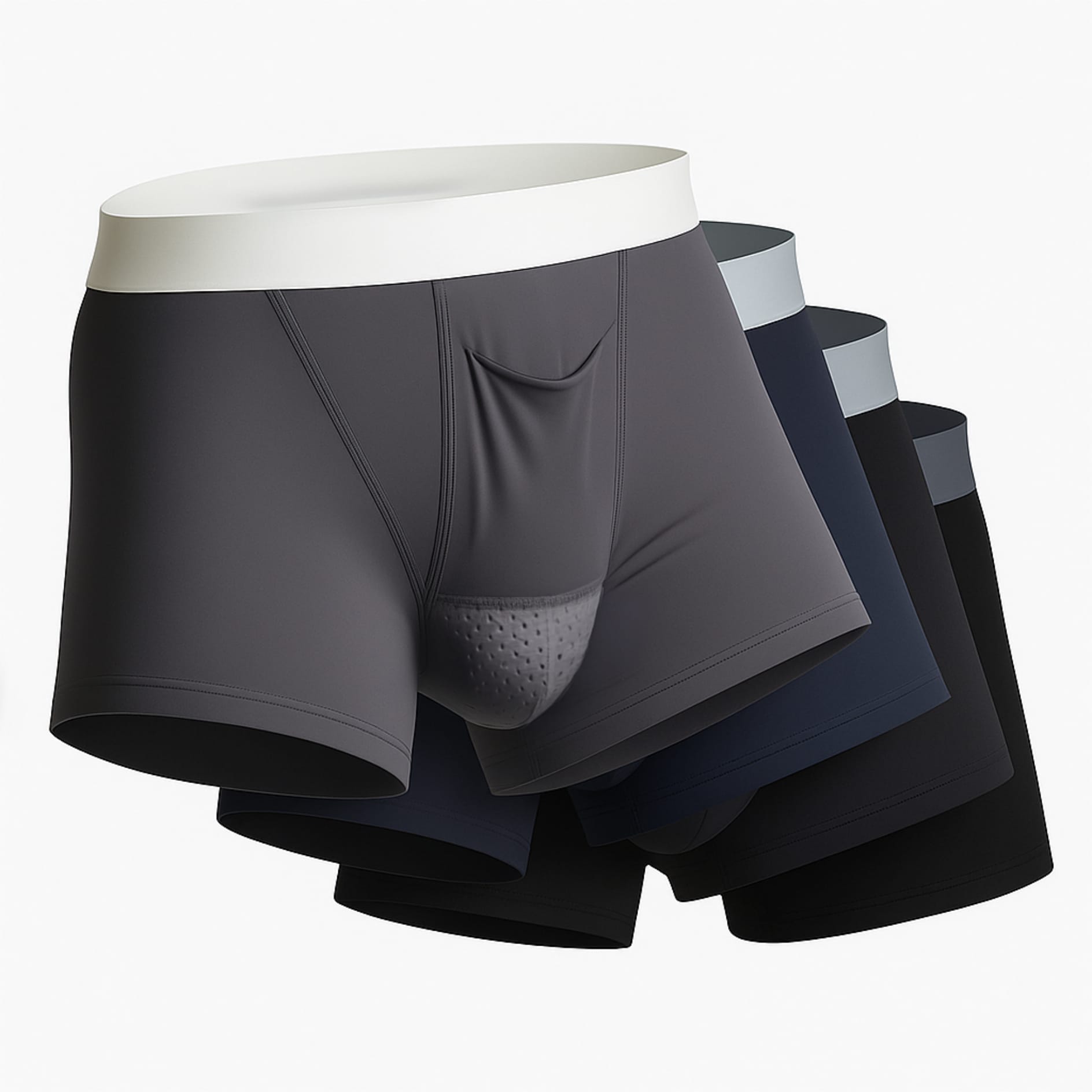
- Wear supportive underwear during all training sessions: reduces scrotal movement and provides venous lift during the vascular stress of exercise
- Post-workout legs-up recovery: 10-15 minutes of passive venous drainage after leg sessions counteracts acute engorgement from the training session
Can You Continue Bodybuilding After Varicocele Surgery?
Yes, and most men return to full training within 4-6 weeks after microsurgical varicocelectomy. The exercise recovery guide after varicocele surgery provides a structured return-to-training timeline with specific exercise categories and progression milestones. The key difference post-surgery is that treated veins are no longer subject to the same reflux dynamics, so the Valsalva concern becomes primarily about wound healing and hydrocele prevention during early recovery rather than venous engorgement.
Many men report that post-surgical lifting is significantly more comfortable than training with an active varicocele, particularly in the first year after successful treatment. The chronic scrotal aching that follows heavy leg sessions often resolves completely once the refluxing veins are ligated or embolized.
FAQ: Bodybuilding and Varicocele
Does the Valsalva maneuver during lifting permanently stretch varicocele veins?
Repeated acute venous engorgement from Valsalva-driven pressure spikes may contribute to progressive venous wall dilation in men with existing valve incompetence, though definitive long-term data is limited. The risk is highest with maximal loads and frequent heavy sessions. Modifying training to reduce Valsalva intensity while maintaining progressive overload is the practical solution for bodybuilders who want to preserve both gains and vascular health.
Can I compete in powerlifting with varicocele?
There is no medical contraindication to powerlifting competition with varicocele, but the hemodynamic demands of near-maximal competition lifts represent the highest-risk scenario for acute varicocele symptom aggravation. Men with significant pain or fertility concerns who also compete in powerlifting should discuss the timing of varicocele treatment relative to their competition calendar with a urologist experienced in managing athletes.
My varicocele was diagnosed after I started bodybuilding. Did lifting cause it?
Almost certainly not. Varicocele develops from congenital or developmentally acquired venous valve incompetence, not from external mechanical stress. Bodybuilding may have made an existing subclinical varicocele symptomatic by increasing venous engorgement enough to cross the pain threshold, or the timing was coincidental. Getting a Doppler ultrasound establishes the actual grade and anatomy, which is more actionable than speculating about causation. Review the genetic and developmental factors behind varicocele for context on how it actually originates.
Related Articles


Choose Varicocele Support Designed for Cooling, Lift, and Daily Comfort
You’ve seen why regular underwear often falls short. Now view the purpose-built option made to reduce heaviness, improve support, and feel comfortable enough for everyday wear.