Chronic scrotal pain from varicocele has a psychological dimension that is consistently undertreated. Stress, anxiety, and heightened pain sensitivity don’t just affect how you feel about your varicocele – they actively amplify pain signal intensity through measurable neurobiological mechanisms. Biofeedback therapy offers a non-pharmacological, evidence-backed tool to directly modulate these pathways. This article explains the neuroscience of why stress worsens varicocele pain, what biofeedback actually involves, what the 2025-2026 evidence shows for chronic pelvic and scrotal pain, and how to access it practically.
Why Stress Amplifies Varicocele Pain
Varicocele pain originates from venous engorgement and distension of the pampiniform plexus. But the intensity of that pain signal at the brain level is modulated by the autonomic nervous system state. Under chronic psychological stress, the sympathetic nervous system maintains elevated baseline activation, which has two direct pain-amplifying effects: it increases baseline pelvic floor muscle tone (which can compress and irritate scrotal structures), and it sensitizes pain receptors throughout the pelvis through elevated cortisol and pro-inflammatory cytokine release.
This is the central sensitization mechanism relevant to chronic scrotal pain. Once pain pathways in the spinal cord become hyperresponsive to stimuli from a region, even mild venous engorgement triggers disproportionate pain. Men who notice their varicocele aches more during stressful periods, before important events, or when work pressure is high are experiencing this sensitization in real time. It is not imagined. It is physiology. The documented mental health impact of varicocele confirms this mind-body relationship runs in both directions: the pain causes psychological distress, which amplifies the pain.
What Is Biofeedback?
Biofeedback is a technique in which physiological data (muscle tension, heart rate, skin conductance, temperature, brainwave activity) is measured in real time and displayed to the patient, usually on a screen. The patient uses this real-time feedback to learn voluntary control over physiological functions that are normally subconscious. For pelvic pain applications, the most relevant modalities are surface electromyography (sEMG) biofeedback, which measures pelvic floor muscle electrical activity, and heart rate variability (HRV) biofeedback, which trains the autonomic nervous system balance between sympathetic and parasympathetic states.
The therapeutic mechanism for pain is straightforward: by seeing your muscle tension or autonomic state in real time, you can learn to reduce it below the threshold that drives pain sensitization. This is a learnable skill. Most patients require 6-12 guided sessions to develop consistent self-regulation ability, after which the techniques can be practiced independently.

Discover specialized varicocele underwear designed for daily comfort, support, and recovery — a more targeted option for men who want support without compromise.
Discover the Recommended OptionWhat the 2025-2026 Evidence Shows
Biofeedback has a substantial evidence base for chronic pelvic pain syndrome (CPPS) in men, the condition most analogous to varicocele-related chronic scrotal pain. A 2021 systematic review confirmed biofeedback is recognized as an effective additive method for treating certain phenotypes of chronic pelvic pain syndrome, with positive effects on pain reduction, overall symptom relief, and quality of life across multiple study designs.
A randomized controlled trial of 84 men with chronic prostatitis/pelvic pain syndrome showed that pelvic-floor muscle relaxation with biofeedback produced sustained symptom relief at 6-month follow-up, outperforming standard treatment in durability of effect. The biofeedback group maintained their NIH Chronic Prostatitis Symptom Index improvements at 3-month follow-up at a significantly higher rate than controls. A 2025 review of biofeedback in chronic pain rehabilitation confirmed it is effective at improving pain perception and functional outcomes across musculoskeletal and visceral pain conditions.
The EAU (European Association of Urology) 2025 guidelines on chronic pelvic pain explicitly recognize biofeedback as a beneficial therapeutic option for pelvic floor dysfunction and chronic pelvic pain syndrome, supporting its use as an evidence-based adjunct to standard care. The AUA 2024 guideline on chronic scrotal content pain includes pelvic floor physical therapy and biofeedback as part of multimodal management for men with chronic orchialgia, the clinical category that includes varicocele-related pain.
How Biofeedback Specifically Addresses Varicocele-Related Pain
Three mechanisms make biofeedback directly relevant for varicocele pain management:
- Pelvic floor tension reduction: hypertonic (overly tight) pelvic floor muscles directly amplify scrotal pain through pudendal nerve compression. sEMG biofeedback teaches voluntary pelvic floor relaxation, reducing this secondary pain amplifier without medication
- Autonomic rebalancing: HRV biofeedback shifts the autonomic nervous system from sympathetic dominance (which drives pain sensitization) toward parasympathetic tone, reducing the neurobiological conditions that make any chronic pain worse
- Pain catastrophizing reduction: seeing real-time data of your own physiological state improving under self-regulation breaks the catastrophizing cycle (the belief that pain is uncontrollable) that significantly amplifies chronic pain severity
Types of Biofeedback for Scrotal and Pelvic Pain
| Biofeedback Type | What It Measures | Primary Benefit for Varicocele Pain |
|---|---|---|
| Pelvic floor sEMG | Pelvic floor muscle electrical activity | Teaches pelvic floor relaxation; reduces pudendal nerve compression |
| HRV biofeedback | Heart rate variability (autonomic balance) | Reduces sympathetic pain sensitization; improves parasympathetic tone |
| Skin temperature biofeedback | Peripheral skin temperature (vasomotor tone) | Improves peripheral vascular regulation |
| EEG neurofeedback | Brainwave patterns | Pain gate modulation; reduces central sensitization |
Practical Access: Finding Biofeedback for Pelvic Pain in 2026
The most accessible entry point is through a pelvic floor physical therapist who offers sEMG biofeedback. Look specifically for therapists certified in male pelvic floor dysfunction, as most pelvic floor PT practice has historically been female-focused. The Association for Pelvic Pain (AAPPSPA) and the American Physical Therapy Association both maintain practitioner directories that filter for male pelvic pain specialists.
HRV biofeedback is increasingly accessible through consumer devices and apps (HeartMath Inner Balance, Garmin HRV monitoring, Elite HRV app) that provide real-time feedback at home. While not a substitute for guided clinical biofeedback in complex cases, daily HRV biofeedback practice using a validated device provides genuine autonomic rebalancing benefit that can meaningfully reduce pain sensitization over weeks of consistent practice.
Digital health platforms integrating biofeedback for pelvic pain are expanding rapidly in 2026. A 2025 review of digital health technologies for chronic pelvic pain confirmed that technology-delivered biofeedback programs show comparable outcomes to in-person delivery for many pain management applications, making access barriers lower than in previous years. Combining biofeedback with other conservative measures like acupuncture for varicocele pain and supportive underwear creates a comprehensive non-surgical pain management approach.
How Many Sessions Before Noticing a Difference?
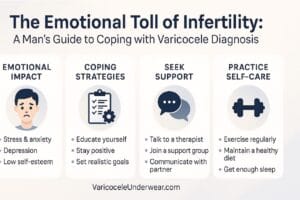
Most clinical protocols use 6-12 biofeedback sessions over 6-12 weeks. Patients with chronic pelvic pain who respond to biofeedback typically notice meaningful pain reduction within 4-6 sessions. The durability advantage of biofeedback over medication is that the self-regulation skills are learned and retained; at 6-month follow-up, biofeedback-trained patients maintain their pain improvements better than those receiving standard pharmacological treatment alone. For men dealing with the psychological burden of chronic varicocele pain, the emotional toll of varicocele diagnosis provides important context for why addressing the mind-body component is not optional – it is clinically necessary for complete pain management.
FAQ: Biofeedback and Varicocele Pain
Can biofeedback reduce varicocele pain without treating the varicocele itself?
Yes, and this is clinically well-supported. Chronic scrotal pain from varicocele has both a structural component (venous engorgement) and a neurological component (central sensitization, pelvic floor tension). Biofeedback addresses the neurological component directly, reducing pain amplitude independently of the underlying vascular anatomy. Men who have had successful varicocele repair but have residual pain often have a dominant neurological/pelvic floor component that biofeedback can significantly improve.
Is biofeedback covered by insurance for pelvic pain?
Coverage varies significantly by insurer and country. In the US, biofeedback delivered by a licensed physical therapist as part of a documented pelvic floor dysfunction treatment plan is covered by many major insurers under physical therapy benefits. The key is the diagnostic coding: billing for chronic pelvic pain or pelvic floor dysfunction rather than varicocele specifically often improves coverage. Telehealth-delivered biofeedback has expanded coverage access significantly in 2025-2026.
What is the difference between biofeedback and mindfulness for varicocele pain?
Mindfulness and biofeedback both work through awareness of body state, but biofeedback provides objective physiological data that mindfulness does not. In biofeedback, you can see whether your pelvic floor tension is actually decreasing, not just feel that it might be. This objective feedback loop accelerates learning and provides accountability that pure mindfulness practice lacks. Many pelvic pain specialists combine both: biofeedback for skill acquisition, mindfulness for daily maintenance.
Related Articles
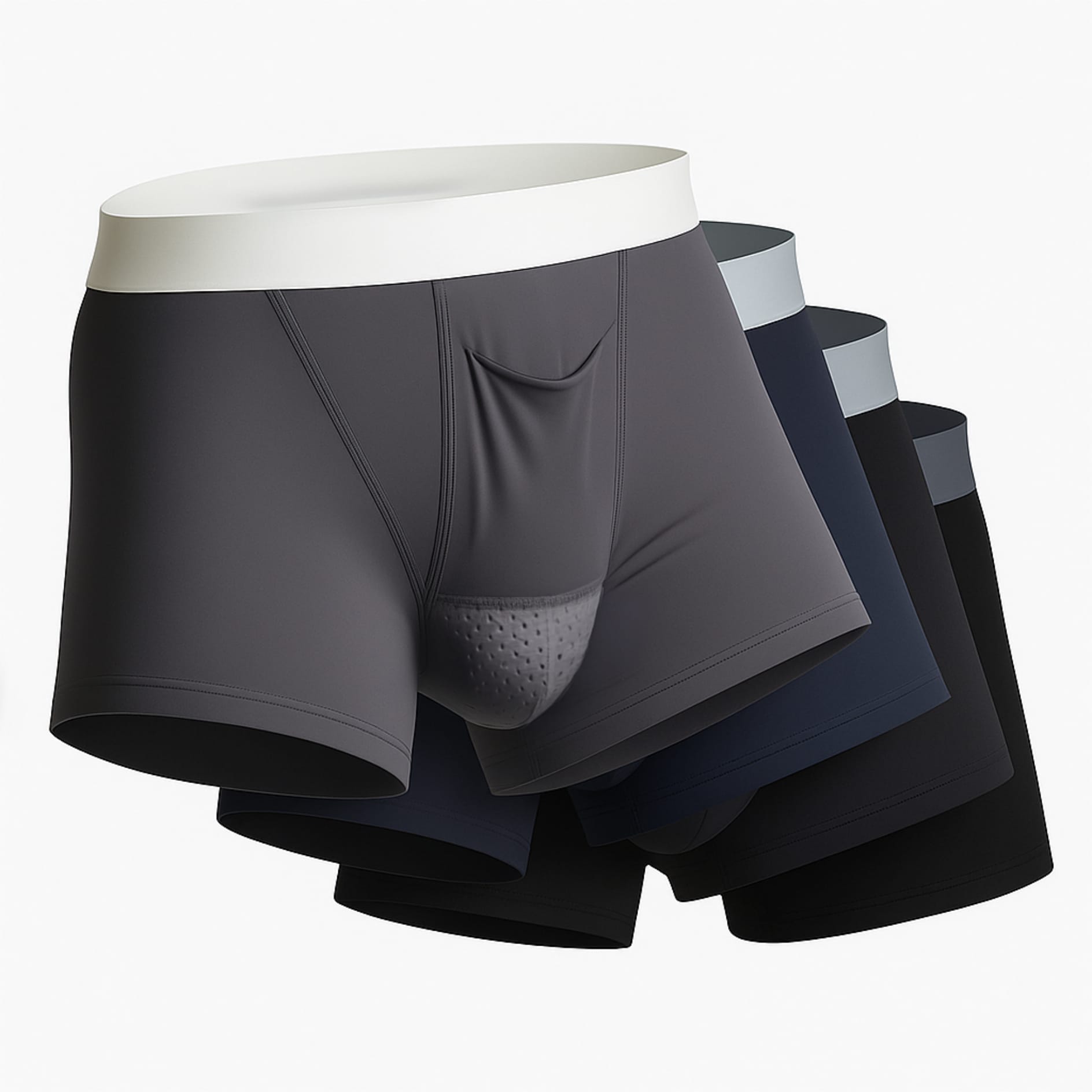
Choose Varicocele Support Designed for Cooling, Lift, and Daily Comfort
You’ve seen why regular underwear often falls short. Now view the purpose-built option made to reduce heaviness, improve support, and feel comfortable enough for everyday wear.