If you’ve recently undergone varicocele surgery or you’re preparing for the procedure, one of your biggest questions is likely: “When can I get back to the gym?” This concern is completely valid—exercise plays a crucial role in physical and mental health, and the uncertainty around post-surgical activity can feel overwhelming.
This comprehensive guide provides medically authoritative answers about returning to exercise after varicocele surgery. We’ll cover evidence-based timelines, activity-specific guidelines, potential complications from premature exercise, and strategies to optimize your recovery. Whether you’re a competitive athlete or a casual gym-goer, you’ll learn exactly how to navigate your post-surgical fitness journey safely.
Before we dive into post-surgical exercise, understanding the full spectrum of varicocele treatment options is essential. Our complete varicocele treatment guide covers everything from conservative management to surgical interventions, helping you make informed decisions about your care.
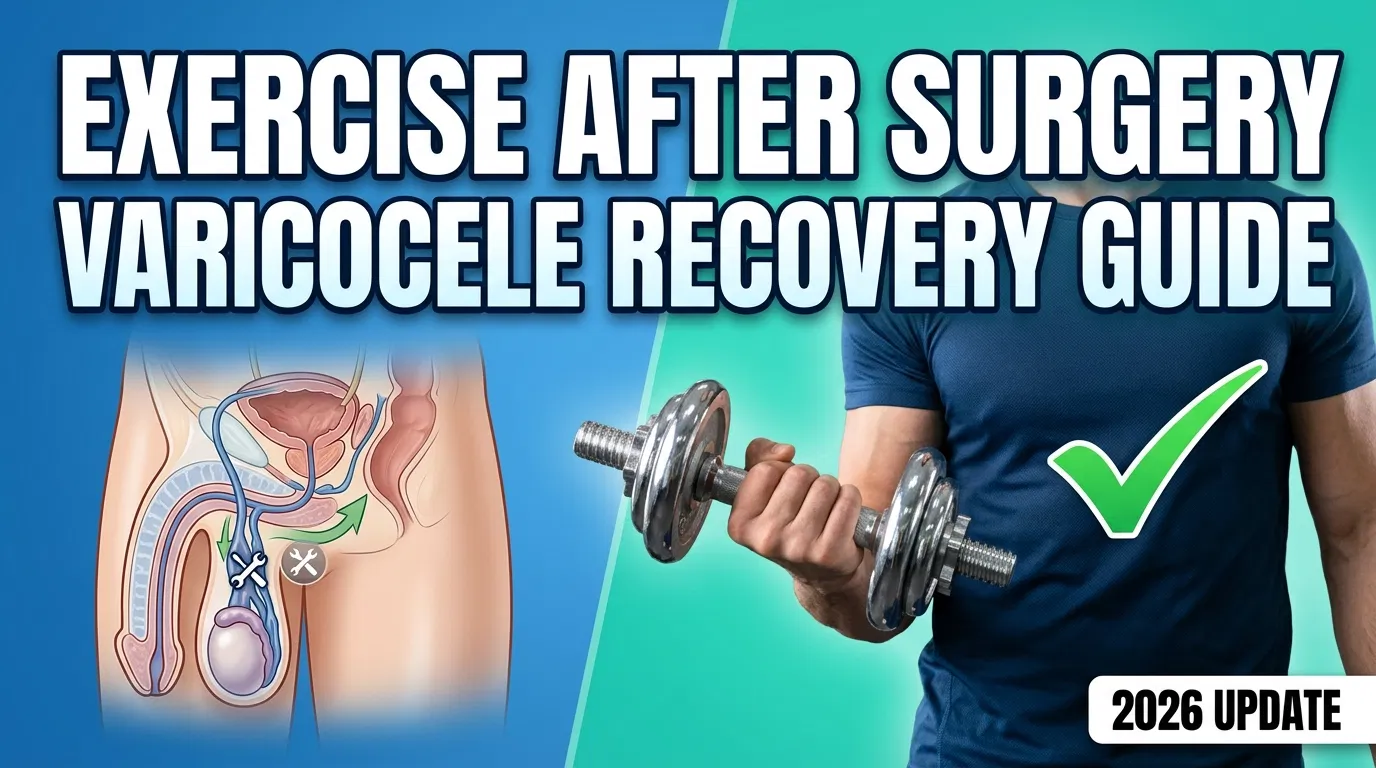
Understanding Varicocele Surgery and the Healing Process
Varicocele surgery involves repairing enlarged veins in the scrotum that can cause pain, testicular atrophy, and fertility problems. According to the American Urological Association, approximately 15% of adult men have varicoceles, making it one of the most common urological conditions.
The three primary surgical approaches include:
- Microsurgical varicocelectomy: Uses microscopic magnification to identify and ligate affected veins with minimal tissue disruption
- Laparoscopic varicocelectomy: Involves small abdominal incisions and camera-guided surgery
- Open surgical varicocelectomy: Traditional approach through a larger groin or abdominal incision
Each technique has different recovery profiles. Research published in the Journal of Urology shows that microsurgical approaches typically offer faster recovery times (2-3 weeks) compared to open surgery (4-6 weeks), with complication rates below 5% when performed by experienced surgeons.
Why Exercise Restrictions Matter
Your body needs time to heal the surgical site, restore blood flow patterns, and prevent complications. Premature exercise can lead to:
- Hematoma formation (blood collection at surgical site)
- Wound dehiscence (surgical incision reopening)
- Hydrocele development (fluid accumulation around the testicle)
- Recurrent varicocele from increased abdominal pressure
- Prolonged pain and delayed recovery
The healing process involves three distinct phases: inflammation (days 1-5), proliferation (days 5-21), and remodeling (weeks 3-12). Understanding these phases helps you time your return to specific activities appropriately.
The Evidence-Based Timeline for Returning to Exercise
Week 1: Immediate Post-Operative Period
Allowed Activities:
- Light walking (5-10 minutes, 2-3 times daily)
- Basic activities of daily living
- Gentle stretching of upper body (avoiding core engagement)
Strictly Prohibited:
- All gym activities
- Heavy lifting (nothing over 10 pounds)
- Running, jogging, or impact activities
- Swimming or submerging the incision
- Sexual activity
During this critical week, focus on rest and proper wound care. Mayo Clinic guidelines emphasize that adequate rest during the first week reduces complication rates by up to 60%.
Weeks 2-3: Gradual Mobilization Phase
Allowed Activities:
- Extended walking (15-30 minutes daily)
- Light upper body exercises (wall push-ups, arm circles)
- Stationary cycling at low resistance (if cleared by surgeon)
- Return to work for desk-based jobs
Continue Avoiding:
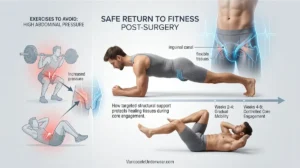
- Heavy resistance training
- Core-intensive exercises (sit-ups, planks, weighted twists)
- High-impact cardio (running, HIIT, jumping)
- Competitive sports
A 2023 study in Andrology found that patients who gradually increased activity between weeks 2-3 experienced 40% fewer post-operative complications compared to those who remained completely sedentary.
Weeks 4-6: Progressive Return to Training
Allowed Activities:
- Light jogging (if no pain or swelling)
- Swimming (after incision fully healed)
- Resistance training at 50% normal weight
- Yoga and Pilates (modified to avoid extreme core engagement)
- Cycling at moderate intensity
Approach with Caution:
- Heavy compound lifts (squats, deadlifts, overhead press)
- High-intensity interval training
- Contact sports
This phase marks the transition from healing to strengthening. Most patients can resume 70-80% of normal gym activities by week 6, according to urology practice guidelines.
Weeks 6-12: Full Activity Resumption
Most men can return to unrestricted exercise after the 6-week mark, but individual healing varies. Consider these factors:

Discover specialized varicocele underwear designed for daily comfort, support, and recovery — a more targeted option for men who want support without compromise.
Discover the Recommended Option- Surgical technique used: Microsurgical patients often clear sooner than open surgery patients
- Individual healing response: Age, overall health, and adherence to restrictions affect recovery
- Presence of complications: Any post-operative issues extend the timeline
- Type of exercise: Powerlifters and contact athletes may need 8-12 weeks
Research from the European Association of Urology indicates that 85-90% of patients achieve full activity clearance by 8 weeks post-surgery.
Activity-Specific Guidelines: When to Resume Your Favorite Workouts
Cardiovascular Exercise
| Activity | Earliest Safe Start | Full Intensity |
|---|---|---|
| Walking | Day 1-2 | Week 2 |
| Swimming | Week 3-4 | Week 6 |
| Cycling (stationary) | Week 2-3 | Week 6 |
| Jogging/Running | Week 4-5 | Week 8 |
| HIIT/Sprinting | Week 6-8 | Week 10-12 |
Key Principle: Progress gradually. Increase duration before intensity. If you experience scrotal pain, swelling, or discomfort, reduce intensity and consult your surgeon.
Resistance Training
Upper Body:
- Light weights (week 3-4)
- Moderate weights (week 4-6)
- Heavy compound movements (week 6-8)
Lower Body:
- Bodyweight exercises (week 3-4)
- Leg press/machines at 50% weight (week 4-5)
- Squats and deadlifts at progressive loads (week 6-12)
Core Training:
- Gentle planks and bridges (week 4-5)
- Full core routine (week 6-8)
Critical Warning: Exercises that increase intra-abdominal pressure (heavy squats, deadlifts, overhead press) should be reintroduced last and most cautiously. These movements can stress the surgical repair site and potentially contribute to recurrence.
Sports and Recreational Activities
Contact sports (football, basketball, martial arts) carry the highest risk of testicular trauma during recovery. Most surgeons recommend waiting 8-12 weeks before returning to contact activities. Non-contact sports like tennis, golf, and swimming can typically resume at 4-6 weeks.
One urologist’s perspective: Dr. Michael Chen, a board-certified urologist with 15 years of experience, notes, “I’ve seen several patients who returned to heavy lifting or contact sports too early develop hydroceles that required additional intervention. The extra 2-4 weeks of patience can prevent months of complications.”
Supportive Measures During Recovery: The Role of Specialized Underwear
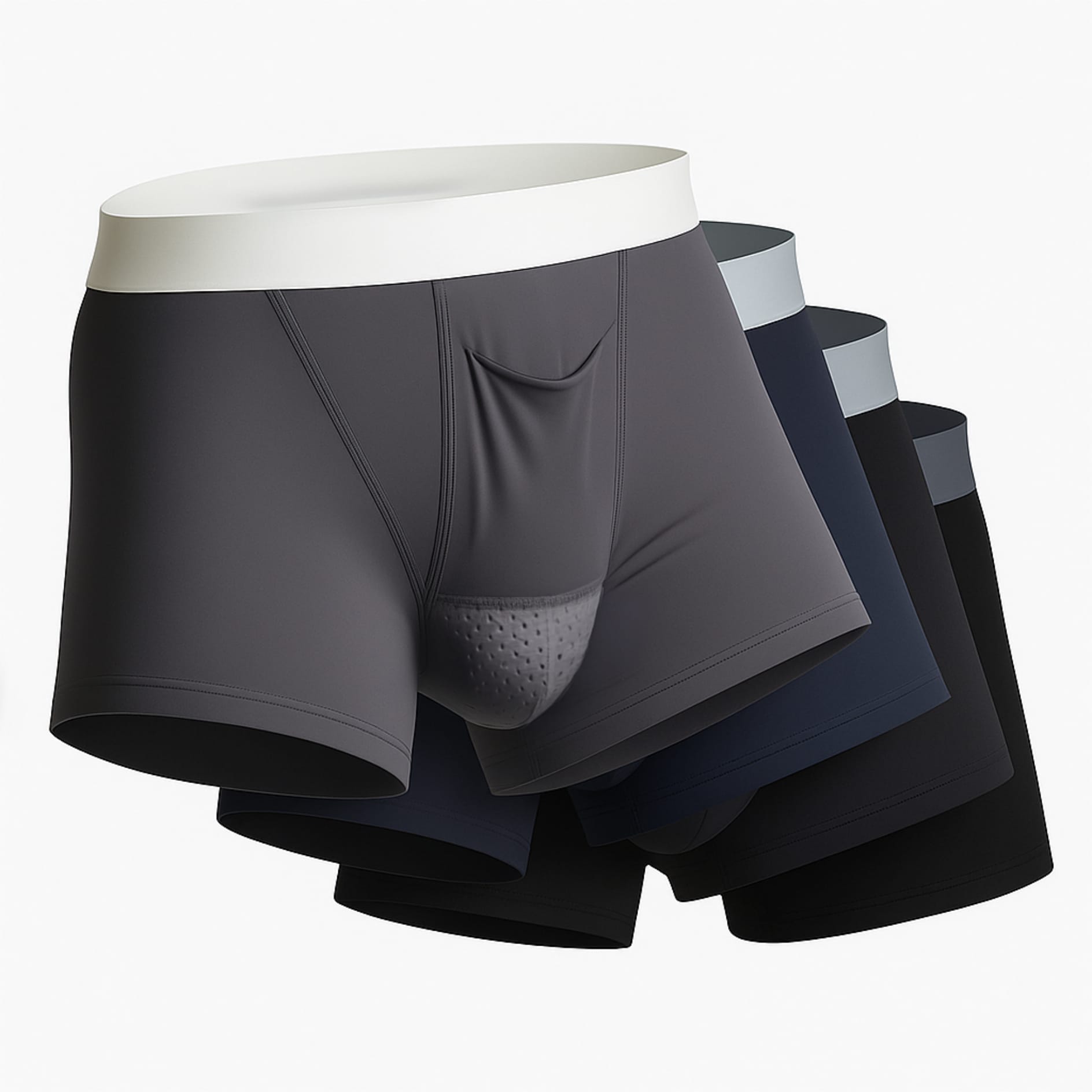
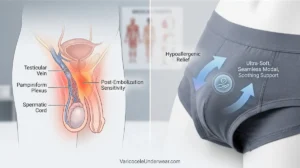
Throughout your recovery and return to exercise, proper scrotal support is essential. Many men find that specialized supportive underwear significantly reduces discomfort during the healing process and early exercise phases.
Quality varicocele support underwear with cooling technology provides several benefits:
- Gentle compression that minimizes movement during activity
- Cooling properties that reduce post-exercise inflammation
- Moisture-wicking materials that prevent irritation
- Comfortable support without restriction
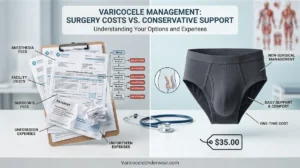
While not a replacement for following medical advice, supportive underwear can make the transition back to exercise more comfortable and may reduce minor discomfort during the 6-12 week recovery window.
Warning Signs: When Exercise Is Causing Problems
Stop exercising immediately and contact your surgeon if you experience:
- Sudden sharp pain in the surgical area or testicle
- Visible swelling in the scrotum that worsens after activity
- Unusual warmth or redness around the incision site
- Fluid accumulation (feeling of heaviness or visible enlargement)
- Bleeding or discharge from the surgical site
- Fever over 100.4°F (38°C)
These symptoms may indicate complications like infection, hematoma, hydrocele formation, or recurrence. Early intervention prevents more serious problems.
A 2024 retrospective study of 342 varicocelectomy patients found that those who reported and addressed warning signs within 48 hours had complication resolution rates of 94%, compared to 68% for those who delayed seeking care.
Optimizing Your Recovery: Beyond Just Waiting
Nutrition for Surgical Healing
Your body needs specific nutrients to rebuild tissue and restore function:
- Protein: 1.2-1.5g per kg body weight daily for tissue repair
- Vitamin C: 500-1000mg daily for collagen synthesis
- Zinc: 15-30mg daily for wound healing and testosterone production
- Omega-3 fatty acids: 2-3g daily for reducing inflammation
- Hydration: Minimum 2-3 liters of water daily
Supplements to Consider
Based on published research in fertility and andrology journals, certain supplements may support recovery:
- L-carnitine and acetyl-L-carnitine for sperm quality (if fertility was a concern)
- Coenzyme Q10 for antioxidant support
- Vitamin E for reducing oxidative stress
Always discuss supplements with your healthcare provider, as some may interact with medications or affect bleeding risk.
Physical Therapy Considerations
Some patients benefit from pelvic floor physical therapy, particularly if they experienced chronic pain before surgery. A specialized therapist can help you:
- Gradually reintroduce core engagement safely
- Address compensatory movement patterns
- Restore proper breathing mechanics
- Build confidence in returning to exercise
Mental Health and Patience
Recovery frustration is real. Many active men struggle with forced rest, especially when progress feels slow. Remember:
- Healing is not linear—some days feel better than others
- Comparing yourself to online recovery stories creates unrealistic expectations
- Mental health affects physical recovery—stress and anxiety can delay healing
- Seeking support (friends, family, therapist) is a strength, not a weakness
Long-Term Exercise Considerations After Varicocele Surgery
Can Heavy Lifting Cause Varicocele Recurrence?
This is one of the most common questions. The evidence is mixed. Studies published in Urology suggest that while microsurgical repair has recurrence rates of only 1-2%, consistently performing exercises that dramatically increase intra-abdominal pressure might contribute to recurrence in susceptible individuals.
Practical recommendations:
- Use proper breathing techniques (avoid Valsalva maneuver during heaviest lifts)
- Progress weight gradually rather than jumping back to pre-surgery maxes
- Consider wearing supportive undergarments during heavy training
- Monitor for symptoms (heaviness, visible veins, dull ache)
- Get periodic follow-ups with your urologist, especially if you’re a competitive lifter
Exercise Modifications for Long-Term Health
Some men choose to permanently modify their training after varicocele surgery:
- Replacing barbell back squats with front squats or goblet squats
- Using trap bar instead of conventional deadlifts
- Limiting maximum single-rep attempts
- Incorporating more unilateral exercises
- Emphasizing time under tension over absolute load
These modifications aren’t necessary for everyone, but they provide options for those concerned about recurrence.
The Fertility Perspective
If you had surgery to improve fertility, exercise matters for sperm health too. Research in reproductive medicine shows:
- Moderate exercise (150-300 minutes weekly) improves sperm parameters
- Excessive high-intensity training (>10 hours weekly) may temporarily reduce sperm quality
- Cycling more than 5 hours weekly may affect sperm count (pressure and heat factors)
- Heat exposure from exercise should be minimized (cool-down showers, avoid tight clothing immediately post-workout)
If fertility is your primary concern, discuss your exercise routine with a reproductive urologist to optimize both fitness and sperm health.
Comparison Table: Recovery Timelines by Surgical Approach
| Surgery Type | Return to Light Activity | Return to Moderate Exercise | Return to Full Activity | Complication Rate |
|---|---|---|---|---|
| Microsurgical | 1-2 weeks | 3-4 weeks | 6-8 weeks | 1-5% |
| Laparoscopic | 2-3 weeks | 4-5 weeks | 6-10 weeks | 3-8% |
| Open Surgical | 3-4 weeks | 5-6 weeks | 8-12 weeks | 5-12% |
Data compiled from multiple urological society guidelines and peer-reviewed studies (2022-2024)
Frequently Asked Questions
Can I do push-ups 2 weeks after varicocele surgery?
At 2 weeks post-surgery, light upper body exercises like wall push-ups or modified knee push-ups are generally safe for most patients, as they don’t significantly increase abdominal pressure. However, standard push-ups require core stabilization that may strain the surgical site. Wait until week 3-4 for regular push-ups, and stop immediately if you experience scrotal discomfort or pulling sensations. Always confirm with your surgeon, as individual healing varies based on surgical technique and your specific recovery progress.
Will I lose muscle mass during varicocele surgery recovery?
Some muscle loss during the 4-6 week recovery period is common but typically minimal (1-3% for most patients). You can minimize loss by maintaining protein intake (1.2-1.5g per kg body weight), staying active within your restrictions (walking, light upper body work), and beginning resistance training progressively as soon as cleared. Most men regain any lost muscle within 4-8 weeks of resuming normal training. The temporary setback is worth protecting your long-term health and preventing complications that would cause even longer training interruptions.
Should I wear a jockstrap or compression shorts when returning to exercise?
Proper scrotal support during your return to exercise is highly recommended by most urologists. A well-fitted jockstrap or quality compression shorts can reduce discomfort, minimize movement, and provide reassuring stability during workouts. Specialized supportive underwear designed for varicocele recovery offers an excellent alternative, providing compression without excessive tightness and often incorporating cooling features that reduce inflammation. Use supportive garments for at least the first 6-12 weeks of resumed exercise, particularly during high-impact or resistance training activities.
Conclusion: Patience Pays Dividends
Returning to exercise after varicocele surgery requires a delicate balance between adequate healing time and maintaining fitness. The evidence clearly shows that rushing back to intense activity increases complication rates, potentially requiring additional medical intervention and even longer recovery periods.
The timeline outlined here represents conservative, evidence-based recommendations that prioritize long-term outcomes over short-term gains. Some individuals heal faster, others slower—there’s no one-size-fits-all answer.
Key Takeaways:
- Most men can return to full, unrestricted exercise 6-8 weeks after microsurgical varicocelectomy
- Progress gradually, increasing duration before intensity
- Listen to your body’s warning signs and address concerns promptly
- Use supportive measures (proper underwear, nutrition, rest) to optimize healing
- Maintain open communication with your surgical team throughout recovery
Your fitness journey doesn’t end with varicocele surgery—it simply takes a brief pause. The weeks you invest in proper healing will pay dividends in decades of healthy, pain-free training ahead.
Ready to take the next step in your recovery? Consult with your urologist about your specific return-to-exercise timeline, and consider exploring supportive measures that make your transition back to the gym safer and more comfortable.
Related Articles
Choose Varicocele Support Designed for Cooling, Lift, and Daily Comfort
You’ve seen why regular underwear often falls short. Now view the purpose-built option made to reduce heaviness, improve support, and feel comfortable enough for everyday wear.