If you’ve been diagnosed with a varicocele and are concerned about your fertility, you’ve probably come across countless supplement recommendations online—from antioxidants to herbal blends promising to “boost sperm quality” or “reverse varicocele damage.” But do these supplements actually work, or are they just expensive placebos?
As someone who specializes in men’s reproductive health, I understand the anxiety that comes with fertility concerns. You want actionable solutions, not false promises. This article cuts through the marketing hype to examine what medical research actually says about fertility supplements for varicocele patients. You’ll learn which supplements have evidence behind them, which are questionable, and how they fit into a comprehensive fertility strategy.
For broader context on how varicocele affects male fertility, including surgical and non-surgical management options, refer to our comprehensive guide on varicocele and fertility.
Understanding the Varicocele-Fertility Connection
Before diving into supplements, it’s essential to understand why varicocele affects fertility in the first place.
A varicocele is an enlargement of veins within the scrotum, similar to varicose veins in the legs. According to the American Society for Reproductive Medicine, varicoceles are present in approximately 15% of the general male population but are found in up to 40% of men evaluated for infertility.
How varicocele damages sperm:
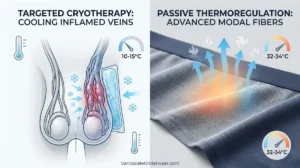
- Elevated scrotal temperature: Pooled blood increases testicular temperature by 1-2°C, disrupting the optimal environment for sperm production
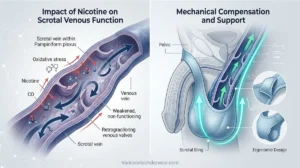
- Oxidative stress: Impaired blood flow creates an accumulation of reactive oxygen species (ROS) that damage sperm DNA
- Hormonal imbalance: Some studies suggest varicoceles can affect testosterone production and sperm-producing Leydig cells
- Testicular hypoxia: Reduced oxygen delivery to testicular tissue impairs cellular function
A 2023 meta-analysis published in Translational Andrology and Urology found that men with varicocele showed significantly lower sperm concentration (average 25.8 million/mL vs. 47.5 million/mL), reduced motility (38.7% vs. 52.4%), and poorer morphology compared to healthy controls.
This is where supplements enter the conversation—many are designed to combat oxidative stress and support optimal sperm production.
Evidence-Based Supplements for Varicocele-Related Infertility
Antioxidants: The Most Researched Category
Oxidative stress is the primary mechanism through which varicocele damages sperm. Therefore, antioxidant supplementation has the strongest scientific rationale.
Coenzyme Q10 (CoQ10)
CoQ10 is a powerful antioxidant that protects cells from oxidative damage and plays a role in cellular energy production. A 2019 randomized controlled trial in Fertility and Sterility involving 228 infertile men with varicocele found that 200mg of CoQ10 daily for 12 weeks resulted in:
- 83% increase in sperm concentration
- 68% improvement in sperm motility
- Significant reduction in DNA fragmentation
Typical dosage: 200-300mg daily for at least 3 months
Vitamin C and E
These classic antioxidants work synergistically to neutralize free radicals. Research published in Human Reproduction demonstrated that combined vitamin C (1000mg) and vitamin E (400 IU) supplementation for 2 months improved sperm motility and reduced DNA damage in men with varicocele.
L-Carnitine
This amino acid derivative supports sperm energy metabolism and has antioxidant properties. A 2018 systematic review in Asian Journal of Andrology concluded that L-carnitine supplementation (2-3g daily) improved sperm concentration, motility, and morphology in subfertile men, with particular benefit noted in varicocele patients.
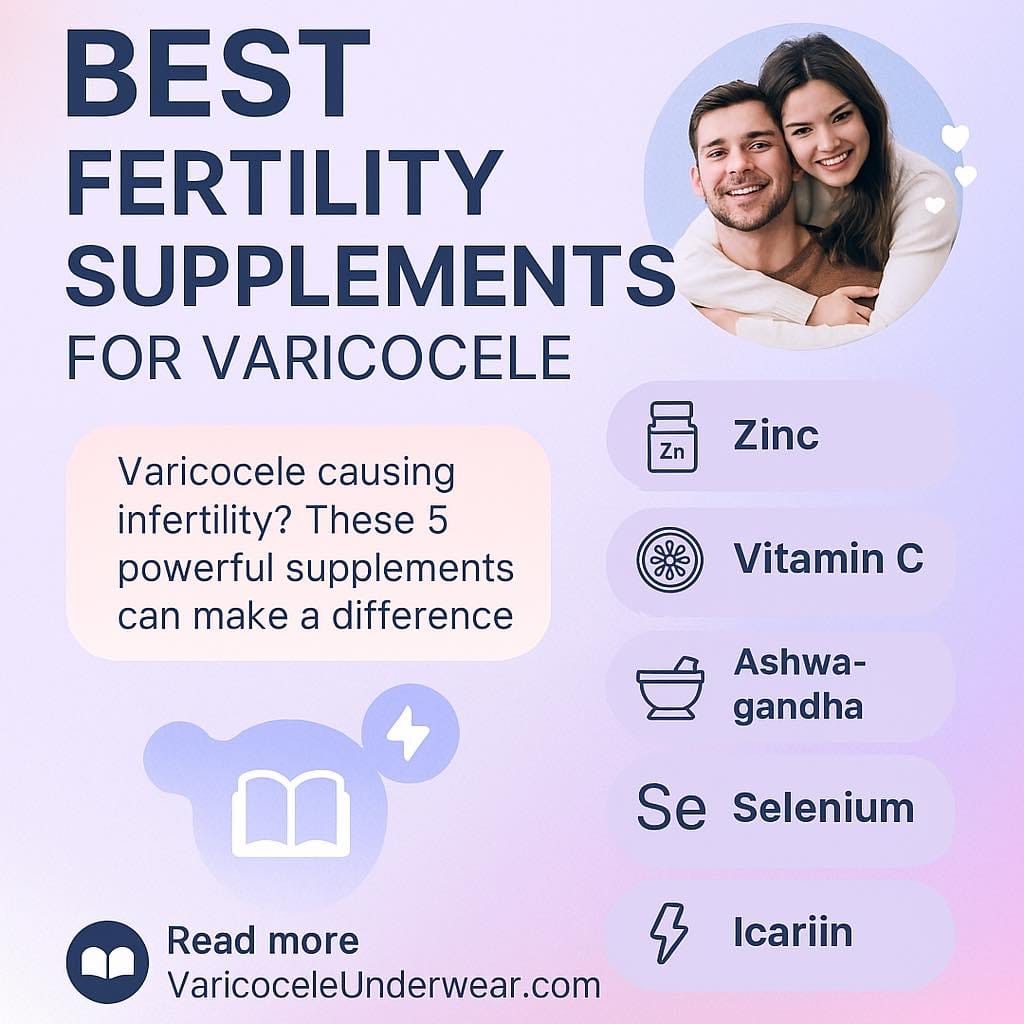
Zinc and Selenium
These trace minerals are essential for testosterone production and sperm development. According to research from the National Institutes of Health, zinc deficiency is associated with decreased sperm quality. Combined zinc (25mg) and selenium (200mcg) supplementation showed modest improvements in sperm parameters in multiple studies.
Herbal and Alternative Supplements: Mixed Evidence
Pycnogenol (French Maritime Pine Bark Extract)
This plant extract has strong antioxidant properties. A small 2013 study in Reproductive Biology and Endocrinology found that 150mg daily improved sperm morphology and reduced oxidative stress markers in subfertile men.

Discover specialized varicocele underwear designed for daily comfort, support, and recovery — a more targeted option for men who want support without compromise.
Discover the Recommended OptionAshwagandha
This adaptogenic herb has gained popularity for male fertility. While one 2013 study showed improved sperm count and motility in stressed men, there’s limited specific research on its effectiveness for varicocele patients.
Maca Root
Despite widespread marketing claims, a 2016 Cochrane review found insufficient evidence to support maca for improving fertility parameters. It may help with libido but shouldn’t be relied upon for treating varicocele-related infertility.
What the Clinical Guidelines Actually Recommend
Major medical organizations have issued guidance on supplement use for male infertility:
American Urological Association (AUA) states that while antioxidant therapy may improve sperm parameters in select patients, it should not replace proven treatments like varicocelectomy when indicated. They note that evidence quality is moderate and results are inconsistent.
European Association of Urology (EAU) acknowledges that antioxidant supplementation may be considered for men with unexplained male factor infertility or those unwilling to undergo surgery, but emphasizes that supplements are not a substitute for addressing the underlying varicocele.
American Society for Reproductive Medicine (ASRM) recommends antioxidant therapy as an adjunctive treatment, particularly for patients with high oxidative stress markers, but notes that standardized formulations and dosing protocols are lacking.
The consensus: Supplements may provide modest improvements, particularly in oxidative stress and sperm DNA integrity, but they work best as part of a comprehensive approach.
Realistic Expectations: What Supplements Can and Cannot Do
What Supplements CAN Do:
✓ Reduce oxidative stress and improve sperm DNA integrity
✓ Provide modest improvements in sperm count, motility, and morphology (typically 15-30% improvement)
✓ Support overall reproductive health when combined with lifestyle modifications
✓ Serve as a non-invasive option for men with mild varicocele who aren’t surgical candidates
What Supplements CANNOT Do:
✗ Physically repair or eliminate the varicocele itself
✗ Guarantee pregnancy (even with improved parameters, conception depends on multiple factors)
✗ Replace varicocelectomy when surgery is medically indicated
✗ Work quickly—most require 3-6 months for measurable effects due to the sperm production cycle
Clinical Reality Check:
Dr. Michael Eisenberg, Director of Male Reproductive Medicine at Stanford University, notes in his 2024 clinical review that while antioxidant supplements show promise, “improvements in semen parameters don’t always translate to improved pregnancy rates. The ultimate measure of success is live birth, and we need more research on that endpoint.”
Evidence-Based Supplement Protocol for Varicocele Patients
Based on current research, here’s a practical supplementation approach:
Core Antioxidant Stack (Strongest Evidence)
| Supplement | Dosage | Duration | Evidence Level |
|---|---|---|---|
| Coenzyme Q10 | 200-300mg daily | Minimum 3 months | Strong (multiple RCTs) |
| Vitamin C | 1000mg daily | Minimum 2 months | Moderate (several studies) |
| Vitamin E | 400 IU daily | Minimum 2 months | Moderate (combined with C) |
| L-Carnitine | 2-3g daily | 3-6 months | Moderate (systematic reviews) |
| Zinc + Selenium | 25mg + 200mcg daily | 3 months | Moderate (deficiency-dependent) |
Optional Add-Ons (Emerging Evidence)
- Pycnogenol: 150mg daily
- N-Acetyl Cysteine (NAC): 600mg daily
- Folate: 400-800mcg daily (particularly if partner is trying to conceive)
Important Considerations:
- Timing: The sperm production cycle takes 74 days, so expect minimum 3 months before seeing improvements in semen analysis
- Quality matters: Choose pharmaceutical-grade supplements with third-party testing (USP, NSF, or ConsumerLab certification)
- Avoid mega-dosing: More isn’t better—excessive antioxidants can become pro-oxidant
- Monitor with testing: Get baseline and follow-up semen analyses to track progress
Beyond Supplements: A Comprehensive Fertility Approach
Supplements work best when integrated into a holistic strategy:
Lifestyle Modifications with Proven Impact
Temperature Management
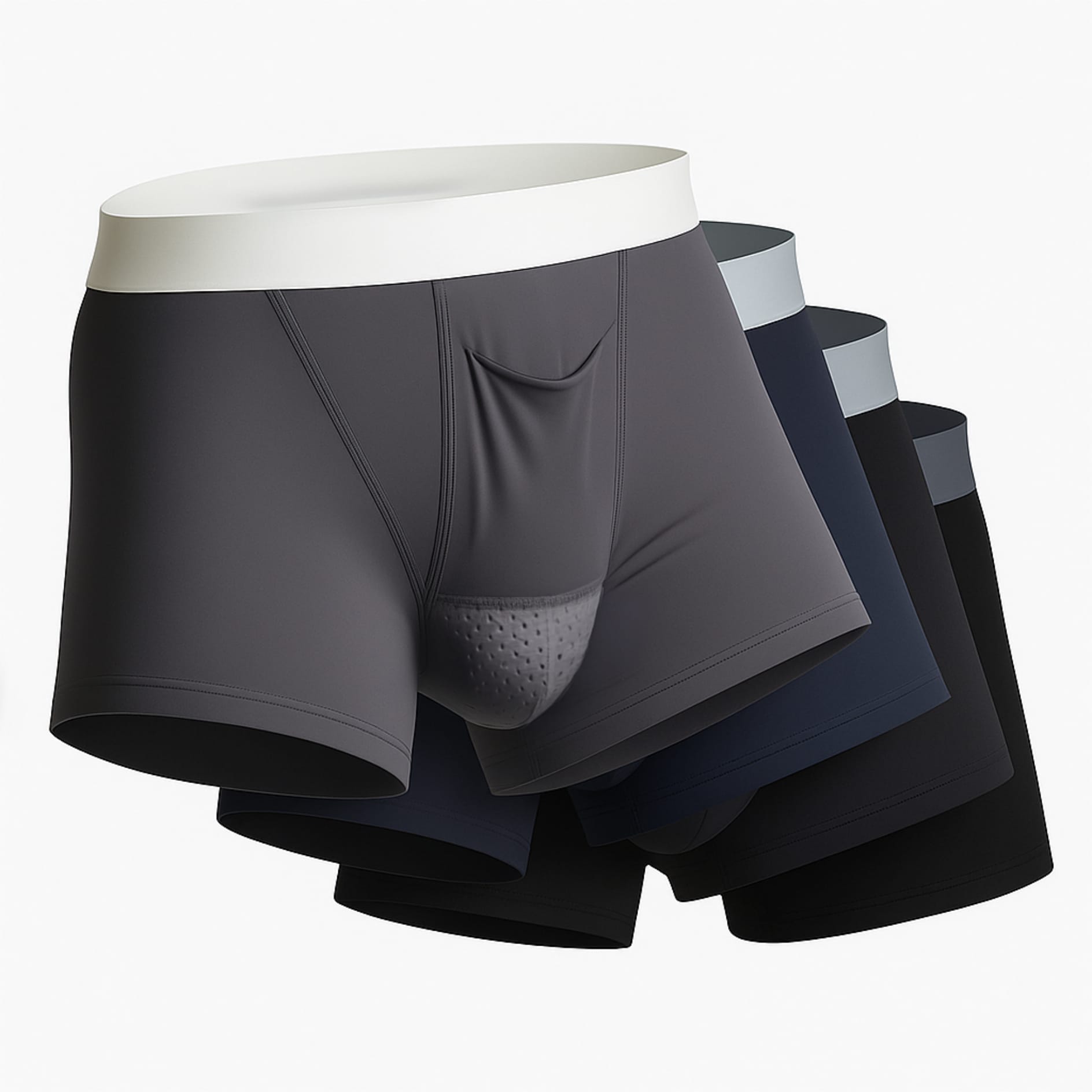
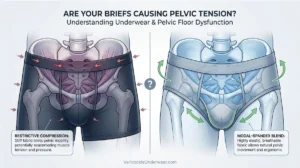
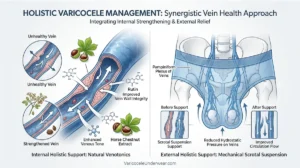
Since elevated scrotal temperature is a primary issue with varicocele, reducing heat exposure is crucial. Avoid hot tubs, saunas, laptop use on the lap, and tight clothing. Consider using supportive varicocele underwear designed to provide cooling support and reduce discomfort—a non-invasive aid that complements your fertility optimization strategy.
Diet and Exercise
A 2020 study in Human Reproduction Update found that adherence to a Mediterranean diet was associated with better sperm quality. Regular moderate exercise (avoiding excessive endurance training) supports hormonal balance and reduces oxidative stress.
Eliminate Toxins
Smoking, excessive alcohol, recreational drugs, and environmental toxins all impair sperm production. Research from the Cleveland Clinic shows that quitting smoking can improve sperm parameters within 3-6 months.
When Surgery Should Be Considered
For men with:
- Grade 2 or 3 varicocele (moderate to large)
- Significantly abnormal semen parameters
- Failed conservative management after 6-12 months
- Testicular atrophy or pain
Varicocelectomy (surgical repair) remains the gold standard. A 2021 Cochrane review found that surgery increased live birth rates and improved semen parameters more consistently than observation alone.
Supplements can be used before surgery to optimize fertility status, or after surgery to support recovery and maximize improvement.
Real-World Case Study: Combined Approach Success
Patient Profile: 32-year-old male with Grade 2 left varicocele, trying to conceive for 18 months
Baseline Semen Analysis:
- Concentration: 18 million/mL (low-normal)
- Motility: 28% (below normal)
- Morphology: 3% (below normal)
- DNA fragmentation: 32% (elevated)
Intervention:
- Antioxidant supplementation protocol (CoQ10, vitamins C/E, L-carnitine, zinc/selenium)
- Switched to cooling supportive underwear
- Eliminated hot tub use
- Improved diet (increased fruits, vegetables, nuts)
- Reduced alcohol consumption
6-Month Follow-Up:
- Concentration: 32 million/mL (+78%)
- Motility: 42% (+50%)
- Morphology: 5% (+67%)
- DNA fragmentation: 19% (-41%)
Outcome: Natural pregnancy achieved at 8 months. While this is one case and not a controlled study, it illustrates the potential of a comprehensive approach combining supplements with lifestyle optimization.
Cost-Benefit Analysis: Are Supplements Worth It?
Monthly Investment:
- Quality supplement stack: $60-120/month
- Duration: Minimum 3-6 months
- Total cost: $180-720
Comparison:
- Varicocelectomy: $3,000-10,000 (often insurance-covered)
- IVF cycle: $12,000-17,000 per attempt
- ICSI (sperm injection): Additional $1,500-3,000
Value Proposition: For men with mild to moderate semen parameter issues or those not ready for surgery, supplements offer a low-risk, non-invasive option worth trying for 3-6 months before escalating to more invasive or expensive interventions.
However, don’t delay necessary medical treatment. If your urologist recommends surgery, supplements alone are unlikely to achieve the same results.
Red Flags: Supplements and Claims to Avoid
- “Cure” or “reverse” varicocele: No supplement can physically eliminate enlarged veins
- Proprietary blends without ingredient transparency: You can’t verify dosages
- Unrealistic timelines: “See results in 2 weeks” claims are biologically impossible
- No third-party testing: Quality and purity can’t be verified
- Testosterone boosters for fertility: High testosterone can paradoxically suppress sperm production
Frequently Asked Questions
How long should I take fertility supplements before seeing results?
Due to the 74-day sperm production cycle, you need at least 3 months of consistent supplementation before expecting measurable improvements in semen analysis. Most studies showing positive results used 3-6 month protocols. Don’t expect overnight changes—sperm quality improvement is a gradual process. If you see no improvement after 6 months of proper supplementation combined with lifestyle modifications, consult a urologist about other treatment options like varicocelectomy.
Can I take fertility supplements if I’m planning varicocele surgery?
Yes, and it may even be beneficial. Many fertility specialists recommend starting antioxidant supplementation 1-3 months before varicocelectomy and continuing for 3-6 months afterward. Pre-surgical supplementation may help protect existing sperm from oxidative damage, while post-surgical supplementation can support the recovery of testicular function and optimize improvements from surgery. Always inform your surgeon about all supplements you’re taking, as some (like vitamin E) may need to be temporarily stopped before the procedure due to blood-thinning effects.
Are expensive “male fertility formulas” better than individual supplements?
Not necessarily. While combination products offer convenience, they’re often more expensive and may contain insufficient doses of key ingredients or unnecessary additives. Many proprietary formulas don’t disclose exact ingredient amounts, making it impossible to verify you’re getting evidence-based dosages. You’ll typically get better value and more control by purchasing individual, pharmaceutical-grade supplements (CoQ10, vitamins C/E, L-carnitine, zinc/selenium) from reputable manufacturers with third-party testing certification. That said, some physician-formulated products do contain appropriate dosages—just carefully review the supplement facts panel.
Conclusion: A Balanced, Evidence-Based Approach
Fertility supplements—particularly antioxidants like CoQ10, vitamins C and E, L-carnitine, and zinc/selenium—have moderate scientific support for improving sperm parameters in men with varicocele. They work by combating oxidative stress, the primary mechanism of varicocele-related fertility impairment.
However, supplements are not miracle cures. They provide modest improvements (typically 15-30% enhancement in parameters), require 3-6 months to work, and don’t physically repair the varicocele itself. They’re most effective as part of a comprehensive approach including lifestyle optimization, temperature management, and—when appropriate—surgical intervention.
Your Action Plan:
- Get a baseline semen analysis and consult a urologist or reproductive endocrinologist
- Consider an evidence-based supplement protocol for 3-6 months
- Implement lifestyle modifications (diet, exercise, avoid heat exposure, supportive underwear)
- Retest at 3 and 6 months to assess progress
- If improvements are insufficient or varicocele is severe, discuss surgical options
Remember: fertility optimization is a journey, not a quick fix. Work with qualified healthcare professionals, maintain realistic expectations, and give your body time to respond to interventions.
Related Articles
Choose Varicocele Support Designed for Cooling, Lift, and Daily Comfort
You’ve seen why regular underwear often falls short. Now view the purpose-built option made to reduce heaviness, improve support, and feel comfortable enough for everyday wear.