Getting a varicocele diagnosis can feel like a punch to the gut, especially when fertility concerns are involved. You expected a routine checkup. Instead, you left with questions about your future as a father.
You are not alone. Varicocele affects approximately 15% of all men and up to 40% of men experiencing primary infertility, according to research published in the Asian Journal of Andrology. Yet the emotional weight of this diagnosis rarely gets the attention it deserves.
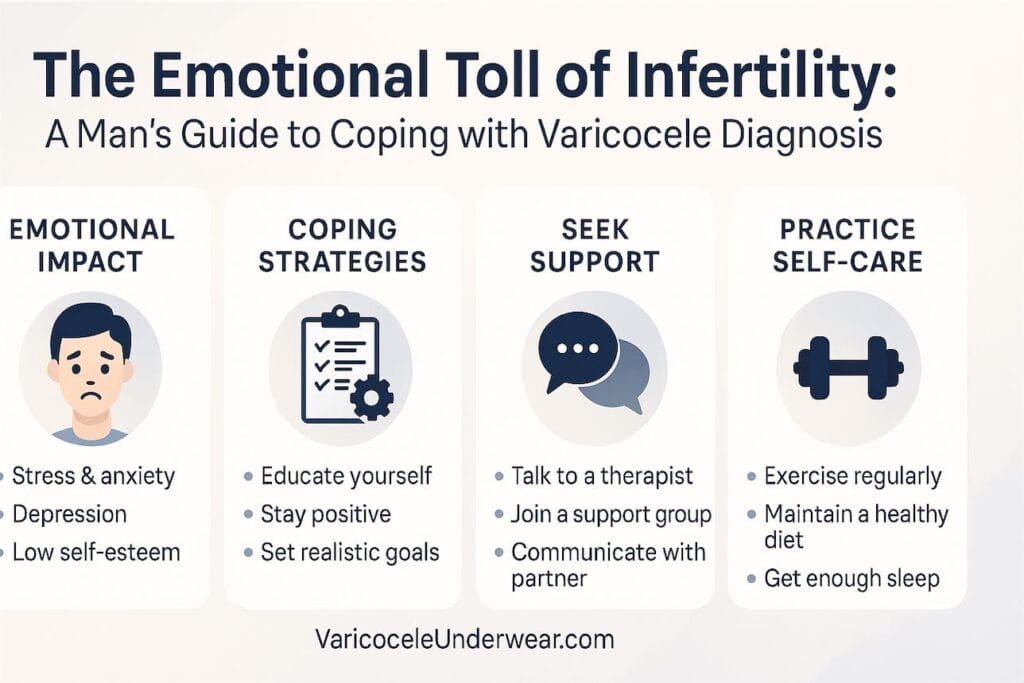
This guide addresses what many men feel but few discuss: the anxiety, frustration, and identity questions that come with a varicocele diagnosis. You will learn evidence-based coping strategies, when to seek professional support, and how to protect your mental health throughout treatment. For a deeper look at the psychological dimensions, our comprehensive resource on varicocele and mental health offers additional guidance.
Why Does a Varicocele Diagnosis Feel So Overwhelming?
A varicocele is an enlargement of veins within the scrotum, similar to varicose veins in the legs. Medically, it is treatable. Emotionally? That is a different story.
The diagnosis often triggers three simultaneous concerns:
| Concern Type | Common Thoughts |
|---|---|
| Physical | “Will this cause permanent damage?” |
| Fertility | “Can I still have children?” |
| Identity | “Does this make me less of a man?” |
Many men report feeling blindsided. Unlike conditions with obvious symptoms, varicocele often develops silently. Learning about it during fertility testing adds another layer of shock.
The Connection Between Male Identity and Fertility
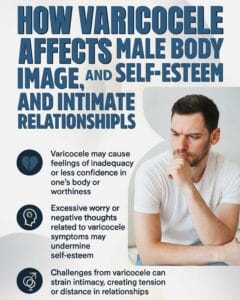
Society rarely teaches men to separate their sense of masculinity from their reproductive capability. When fertility becomes uncertain, many men experience what psychologists call “identity disruption.”
A 2021 study in Reproductive Health found that men facing infertility challenges reported significantly higher rates of:
- Feelings of inadequacy
- Social isolation
- Relationship strain
- Reduced self-esteem
These responses are normal. Recognizing them is the first step toward managing them.
What Are the Psychological Effects of Varicocele on Men?
Research confirms what many men already feel: a varicocele diagnosis carries measurable psychological consequences.
Anxiety and Depression Rates
A study published in Translational Andrology and Urology found that men with varicocele-related infertility showed significantly higher anxiety and depression scores compared to fertile men. The waiting period between diagnosis and treatment decisions often intensifies these feelings.
Common psychological responses include:
- Constant worry about fertility outcomes
- Sleep disturbances and difficulty concentrating
- Mood swings or irritability
- Avoidance of social situations involving children or pregnancy announcements
- Loss of interest in activities previously enjoyed
The Uncertainty Factor
What makes varicocele particularly challenging is the uncertainty. Not all varicoceles cause infertility. Not all treatments guarantee improvement. This ambiguity creates what mental health professionals call “anticipatory anxiety,” where the fear of potential outcomes becomes as distressing as the condition itself.

Discover specialized varicocele underwear designed for daily comfort, support, and recovery — a more targeted option for men who want support without compromise.
Discover the Recommended OptionHow Does Varicocele Affect Relationships and Intimacy?
Fertility challenges rarely stay confined to medical appointments. They enter the bedroom, the dinner table, and quiet moments between partners.
Communication Breakdown Patterns
Many couples fall into destructive communication cycles after a varicocele diagnosis:
| Pattern | What It Looks Like | Impact |
|---|---|---|
| Withdrawal | One partner stops sharing feelings | Emotional distance grows |
| Blame Shifting | “If only you had seen a doctor sooner” | Resentment builds |
| Over-Reassurance | Constant “It will be fine” without acknowledgment | Feelings get dismissed |
| Avoidance | Refusing to discuss fertility altogether | Problems remain unresolved |
Physical Intimacy Changes
Some men experience performance anxiety after diagnosis. Sex, once spontaneous, can start feeling like a medical procedure with reproductive goals attached. Partners may feel reduced to their biological functions rather than loved as whole people.
Practical steps to protect intimacy:
- Schedule non-goal-oriented intimacy without fertility pressure
- Communicate openly about how the diagnosis affects your desire
- Consider couples counseling focused on fertility-related stress
- Remind each other that your relationship existed before and beyond fertility goals
Practical Coping Strategies for Men With Varicocele
Managing the emotional impact of varicocele requires intentional effort. These strategies come from clinical recommendations and real patient experiences.
Physical Comfort Measures
Physical discomfort from varicocele can amplify emotional distress. Addressing physical symptoms helps reduce overall stress levels.
Many men find relief through:
- Avoiding prolonged standing or sitting
- Using cold compresses during symptom flares
- Wearing supportive cooling underwear designed for varicocele to reduce scrotal temperature and provide gentle support
Simple comfort measures will not cure varicocele, but they can help you feel more in control while making treatment decisions.
Mental Health Strategies
Cognitive Reframing
Challenge thoughts like “I’m broken” with more accurate alternatives: “I have a common, treatable condition that affects many men.”
Information Management
Set boundaries around research. Endless internet searches often increase anxiety rather than reducing it. Choose 2-3 reliable sources and limit your reading time.
Routine Maintenance
Depression often disrupts daily patterns. Maintain regular sleep, exercise, and social schedules even when motivation drops.
Peer Support
Online communities for men with varicocele provide validation and practical advice from those who understand firsthand.
When Should You Seek Professional Mental Health Support?
Self-help strategies have limits. Professional support becomes necessary when:

- Depressive symptoms persist beyond two weeks
- Anxiety interferes with work or daily functioning
- Relationship conflict becomes frequent or intense
- You experience thoughts of self-harm
- Substance use increases as a coping mechanism
Finding the Right Therapist
Not all mental health professionals have experience with male infertility. Look for:
- Psychologists or counselors specializing in reproductive health
- Therapists familiar with men’s health issues
- Support groups specifically for male fertility challenges
The American Society for Reproductive Medicine maintains resources for finding mental health professionals with relevant expertise.
Case Study: One Man’s Journey Through Varicocele Diagnosis
Patient profile: 32-year-old software developer, diagnosed with Grade II varicocele after 14 months of unsuccessful conception attempts.
Initial response: Significant anxiety, sleep disruption, withdrawal from partner. Reported feeling “like a failure” and questioning his role in the relationship.
Intervention timeline:
| Week | Action | Outcome |
|---|---|---|
| 1-2 | Education about varicocele with urologist | Reduced catastrophic thinking |
| 3-4 | Started couples counseling | Improved partner communication |
| 6 | Implemented physical comfort measures including supportive underwear | Reduced daily discomfort, improved mood |
| 8 | Joined online support community | Felt less isolated |
| 12 | Decided on microsurgical varicocelectomy | Regained sense of control |
| 24 | Post-surgical follow-up showed improved semen parameters | Hope restored |
Key insight: The patient noted that addressing emotional health alongside physical treatment improved his overall recovery experience. “I wish I had known it was okay to struggle with this mentally. The physical stuff was almost easier to deal with once I had the emotional support.”
Building Your Support System After Diagnosis
Recovery happens faster with support. Here is how to build yours:
Professional Support
- Urologist for medical management
- Mental health professional for emotional processing
- Fertility specialist if conception is the goal
Personal Support
- Partner or spouse as primary emotional support
- Trusted friends or family members
- Online communities of men with similar experiences
Educational Support
- Reliable medical resources (Mayo Clinic’s varicocele overview provides accessible information)
- Patient education materials from your healthcare team
Infographic: The Emotional Journey After Varicocele Diagnosis
textDIAGNOSIS → SHOCK → INFORMATION GATHERING → DECISION MAKING → TREATMENT → RECOVERY
    ↓           ↓              ↓                   ↓              ↓           ↓
  Normal     Allow it      Set limits        Take your time    Physical   Emotional
 response                  on research                         healing    healing
Alt text: Linear diagram showing emotional stages from varicocele diagnosis through recovery, with coping recommendations at each stage.
FAQ: Varicocele Emotional Impact
Is it normal to feel depressed after a varicocele diagnosis?
Yes. Research confirms that men with varicocele, particularly those concerned about fertility, show higher rates of depression and anxiety. These feelings reflect the weight of the diagnosis, not personal weakness. If depressive symptoms persist beyond two weeks or interfere with daily life, professional mental health support can help.
How do I talk to my partner about varicocele and fertility concerns?
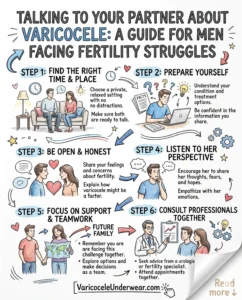
Start by sharing your own feelings rather than making assumptions about your partner’s reactions. Use “I” statements like “I feel worried about our future” rather than “You don’t understand.” Consider couples counseling with a fertility-focused therapist who can help both of you process this experience together.
Will treating varicocele guarantee I can have children?
Treatment, typically surgical repair or embolization, improves sperm parameters in 60-80% of cases according to clinical data. However, fertility involves multiple factors in both partners. Discussing realistic expectations with a reproductive urologist helps manage both medical and emotional outcomes.
Your Clear Takeaway
A varicocele diagnosis stirs up more than physical concerns. The anxiety about fertility, the questions about identity, the strain on relationships: these are all real and valid responses.
What matters now is how you move forward. Seek accurate medical information from your urologist. Address physical discomfort with practical measures. Build a support network that includes professionals and peers. And give yourself permission to struggle emotionally while you work toward resolution.
Your mental health deserves as much attention as your physical health during this process. Both are essential to your well-being.
Related Articles

Choose Varicocele Support Designed for Cooling, Lift, and Daily Comfort
You’ve seen why regular underwear often falls short. Now view the purpose-built option made to reduce heaviness, improve support, and feel comfortable enough for everyday wear.