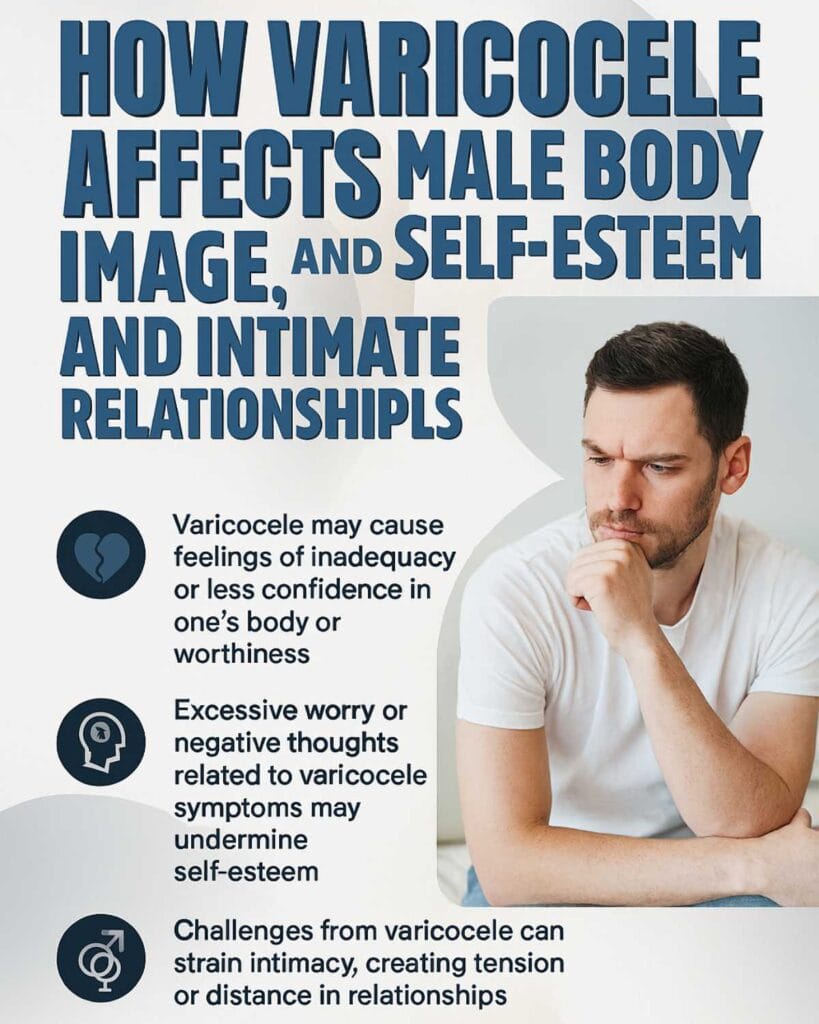
Varicocele, a condition affecting approximately 15% of men, causes visible and physical changes that extend far beyond medical symptoms. Men with varicocele often experience profound shifts in body image, self-perception, and masculine identity, with research showing significant psychological distress including anxiety, depression, and diminished self-esteem. Physical symptoms like testicular asymmetry, visible scrotal veins, and potential fertility concerns create emotional burdens that many men struggle to discuss. Understanding these psychological impacts is essential for comprehensive care. Supportive underwear designed specifically for varicocele can provide symptom relief and improve comfort during daily activities, available at Varicocele Underwear Support.
Physical Appearance Changes and Body Image
Varicocele creates visible and palpable changes that directly impact how men perceive their bodies. The condition produces enlarged veins in the scrotum that often appear as a “bag of worms” particularly when standing. Grade 3 varicoceles are clearly visible without palpation, while Grade 2 can be felt when standing, and Grade 1 requires specific physical maneuvers to detect. These physical manifestations create self-consciousness about appearance during intimate moments and in settings like locker rooms or medical examinations.
Testicular asymmetry represents another significant concern, with studies showing 85% of adolescents with greater than 15% size difference between testicles experiencing noticeable asymmetry. Among patients initially presenting with less than 20% asymmetry, 35% develop 20% or greater asymmetry over time. This progressive nature means men may notice their condition worsening, amplifying concerns about physical appearance and normal development. The left testicle typically appears smaller due to impaired blood flow and increased scrotal temperature affecting testicular function.
Psychological Impact on Self-Esteem
Men with varicocele experience significantly lower self-esteem compared to healthy controls. Research measuring self-esteem scores found infertile men scored 74.44 versus 95.83 in control groups, demonstrating substantial psychological impact. Fourteen participants in a qualitative study reported emotional distress pre-surgery, with feelings of inadequacy and diminished masculinity dominating their experience. One patient described feeling “less capable of fulfilling their role” in relationships, illustrating how varicocele undermines masculine identity.
The connection between fertility concerns and self-worth creates a powerful psychological burden. Male infertility associated with varicocele triggers anxiety, depression, and identity disruption, particularly in cultures where fatherhood defines masculine success. Men report feeling isolated and reluctant to discuss reproductive health issues due to stigma. This silence perpetuates emotional distress and delays treatment-seeking behavior.

Discover specialized varicocele underwear designed for daily comfort, support, and recovery — a more targeted option for men who want support without compromise.
Discover the Recommended OptionImpact on Intimate Relationships and Sexual Confidence
Physical changes from varicocele affect sexual confidence and intimate relationships. Visible scrotal abnormalities cause embarrassment during sexual encounters, with men reporting reluctance to undress or be seen by partners. The psychological weight of potential infertility creates tension in relationships, particularly when couples attempt to conceive. Partners may struggle to understand the emotional burden men carry.
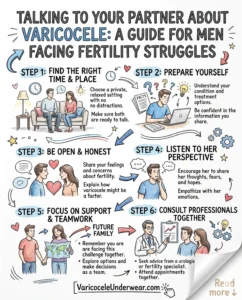
Sexual function concerns compound body image issues. While varicocele primarily affects fertility rather than erectile function, the psychological stress associated with the condition can indirectly impact sexual performance. Men may avoid intimacy altogether, fearing judgment or disappointment. Communication with partners becomes critical, yet many men find these conversations difficult due to shame and vulnerability.
Age-Specific Body Image Concerns
Adolescents face unique psychological challenges when diagnosed with varicocele during formative developmental years. Teenage boys already navigate complex body image issues, and varicocele adds another layer of concern about being “different” or “abnormal.” Social situations like gym classes and sports create anxiety about physical exposure. Teen boys may withdraw from activities to avoid perceived judgment.
Adult men experience different pressures related to fertility timelines and relationship expectations. Men in their 30s and 40s seeking to start families face heightened distress when varicocele interferes with conception plans. Career pressures and societal expectations about fatherhood intensify psychological strain. Older men may feel regret about not addressing the condition earlier, particularly if fertility has declined significantly.
Coping Strategies and Body Acceptance
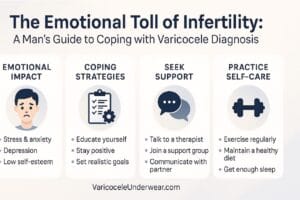
Building body acceptance requires acknowledging emotional responses to physical changes. Men benefit from reframing varicocele as a treatable medical condition rather than a personal failing. Connecting with support groups or online communities helps reduce isolation and normalize experiences. Sharing stories with others facing similar challenges provides validation and practical coping strategies.
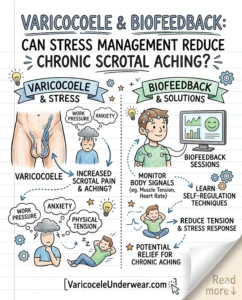
Professional psychological support proves valuable for men struggling with body image distortions. Cognitive behavioral therapy helps address negative thought patterns about appearance and masculinity. Couples counseling facilitates open communication with partners about fertility concerns and emotional needs. Medical treatment options, including surgical repair, can improve both physical symptoms and psychological wellbeing when appropriate.
| Strategy | Benefit | Implementation |
|---|---|---|
| Support groups | Reduces isolation | Online forums, local meetings |
| Therapy (CBT) | Addresses negative thoughts | Licensed mental health professional |
| Partner communication | Improves relationship | Honest conversations about concerns |
| Medical treatment | Improves symptoms | Consult urologist for evaluation |
Treatment Options and Psychological Recovery
Surgical varicocelectomy shows promise for improving both physical and psychological outcomes. Post-surgical studies report significant improvements in self-esteem scores and reduced anxiety levels. Men describe feeling “whole again” after successful treatment, with restored confidence in their bodies and fertility potential. However, recovery timelines vary, and realistic expectations are necessary.
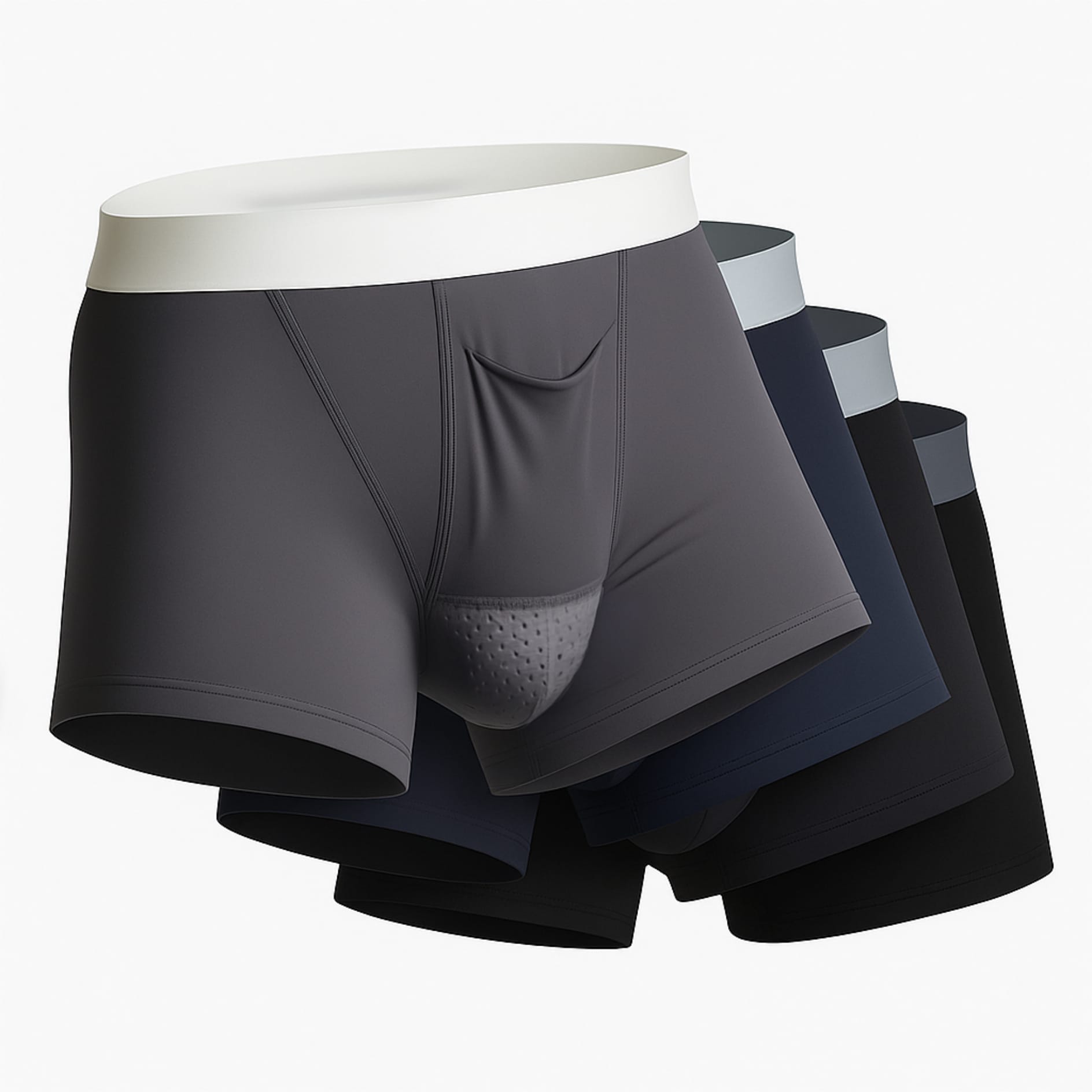
Non-surgical management remains appropriate for many cases, particularly when fertility is not immediately compromised. Supportive underwear provides symptom relief by reducing scrotal discomfort and improving daily comfort. Lifestyle modifications including weight management, avoiding prolonged standing, and temperature regulation support vein health. Regular monitoring with a urologist ensures timely intervention if the condition progresses.
FAQ
Does varicocele always cause visible physical changes?
No, varicocele severity varies by grade. Grade 1 varicoceles are only detectable through examination and cause no visible changes. Grade 2 may be palpable when standing but not always visible. Grade 3 varicoceles produce clearly visible scrotal enlargement and vein prominence that men notice and worry about most.
Can treating varicocele improve body image and self-esteem?
Yes, studies show men report improved self-esteem and reduced anxiety after successful varicocelectomy. Physical symptom relief, reduced testicular asymmetry, and improved fertility parameters contribute to better self-perception. However, psychological support remains important during recovery as body image concerns may persist beyond physical healing.
How common is psychological distress from varicocele?
Research indicates men with varicocele and associated infertility score significantly lower on self-esteem measures compared to healthy controls. Anxiety and depression rates are higher among infertile men. The psychological impact varies based on fertility goals, relationship status, symptom severity, and cultural factors related to masculinity and fatherhood.
Related Articles

Choose Varicocele Support Designed for Cooling, Lift, and Daily Comfort
You’ve seen why regular underwear often falls short. Now view the purpose-built option made to reduce heaviness, improve support, and feel comfortable enough for everyday wear.