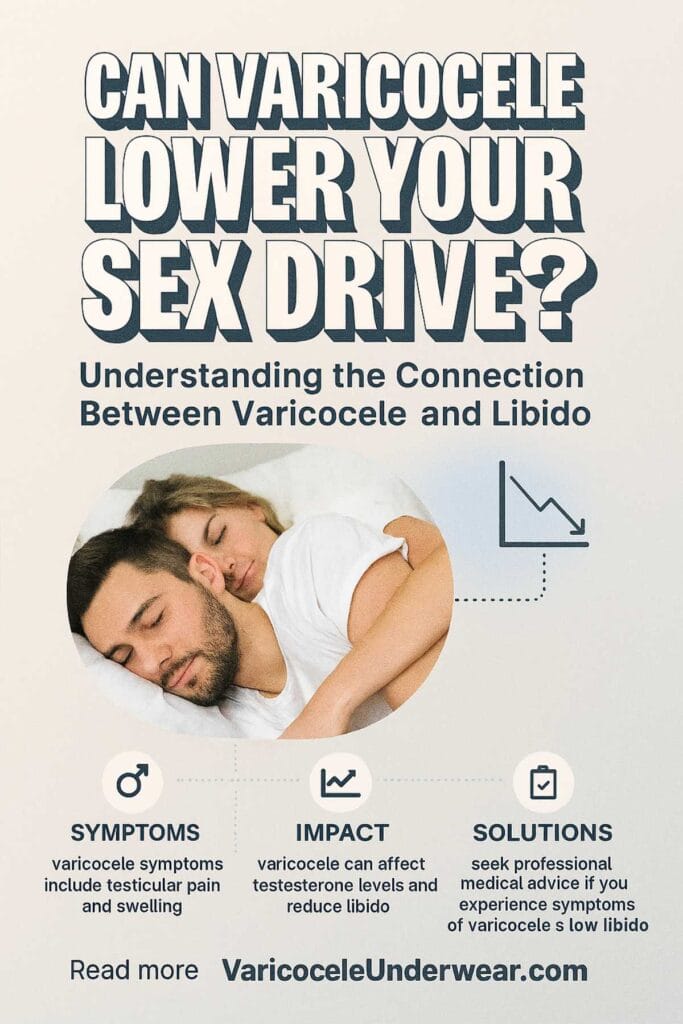
If you’ve noticed a declining interest in sex alongside testicular discomfort or swelling, you’re not imagining things. Many men wonder whether their varicocele could be affecting their libido, and the answer is more complex than a simple yes or no.
The connection between varicocele and sexual desire involves testosterone levels, blood flow, and psychological factors that work together in ways researchers are still uncovering. This article explores what science tells us about varicoceles and low libido, helping you understand whether your symptoms are related and what you can do about it.
What you’ll learn:
- How varicoceles affect testosterone production
- The direct and indirect pathways linking varicoceles to reduced libido
- Evidence-based treatment options that may restore your sex drive
- When to seek medical attention for varicocele symptoms
Understanding this connection is particularly important because varicocele affects roughly 15% of all men, yet many don’t realize it could be impacting their sexual health beyond fertility concerns. Whether you’re experiencing symptoms or simply want to understand your reproductive health better, this guide provides the medical insights you need. For more information about how varicoceles impact overall reproductive wellness, see our comprehensive guide on varicocele and fertility.
What Is Varicocele and How Common Is It?
Varicocele occurs when veins in the pampiniform plexus (the network of veins draining your testicles) become enlarged and twisted, similar to varicose veins in the legs. These swollen veins create a pooling effect where blood collects rather than flowing efficiently back to the heart.
The condition develops when one-way valves inside these veins malfunction. When the valves fail, blood flows backward and accumulates in the scrotum, causing the veins to swell over time. The left testicle is affected in about 85-90% of cases due to anatomical differences in how veins drain on each side.
Prevalence statistics:
- Affects approximately 15% of the general male population
- Found in 19-41% of men with primary infertility
- Present in 45-81% of men experiencing secondary infertility
- Can develop during adolescence or adulthood
Many men have no symptoms at all, while others experience dull aching pain, visible swelling, or testicular atrophy. The condition can progress silently for years before causing noticeable problems with sexual function or fertility.
The Testosterone Connection: How Varicoceles Affect Hormone Production
Testosterone serves as the primary male sex hormone, driving libido, erectile function, energy levels, and overall sexual desire. Your testicles produce the vast majority of this crucial hormone through specialized Leydig cells. When varicoceles disrupt normal testicular function, testosterone production often suffers.
How Varicoceles Damage Testosterone Production
The mechanisms through which varicoceles lower testosterone involve multiple pathways:
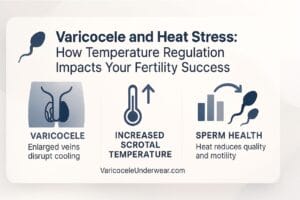
1. Elevated scrotal temperature: Pooled blood increases local temperature by 0.5-2°C, creating a hostile environment for hormone-producing cells. Leydig cells require cooler temperatures to function optimally.
2. Oxidative stress: Stagnant blood flow generates reactive oxygen species (ROS) that damage cellular structures within the testes, impairing the ability of Leydig cells to synthesize testosterone.
3. Hypoxia: Poor circulation reduces oxygen delivery to testicular tissue. Without adequate oxygen, the biochemical pathways that convert cholesterol into testosterone become less efficient.
4. Enzyme inhibition: Heat stress specifically affects 17α-hydroxylase and 17,20-lyase enzymes, which are critical for testosterone synthesis from cholesterol precursors.
What the Research Shows
A landmark study from Weill Cornell Medical Center measured testosterone in 325 men with varicoceles and 510 men without. The findings were striking: men with varicoceles had significantly lower testosterone levels across all age groups (416 ng/dL vs. 469 ng/dL).
After microsurgical varicocele repair, 70% of patients experienced testosterone increases, with an average rise of 178 ng/dL. Some men saw improvements exceeding 100 ng/dL.
Another clinical study showed that 86.6% of men with decreased libido before surgery reported increased libido after varicocelectomy, alongside significant improvements in erectile function scores.
However, research findings aren’t universally consistent. Some studies found no significant difference in testosterone between men with and without varicoceles, particularly when other factors like obesity and age were controlled. This suggests the relationship may be more nuanced than initially believed.
Does Low Testosterone Actually Cause Low Libido?
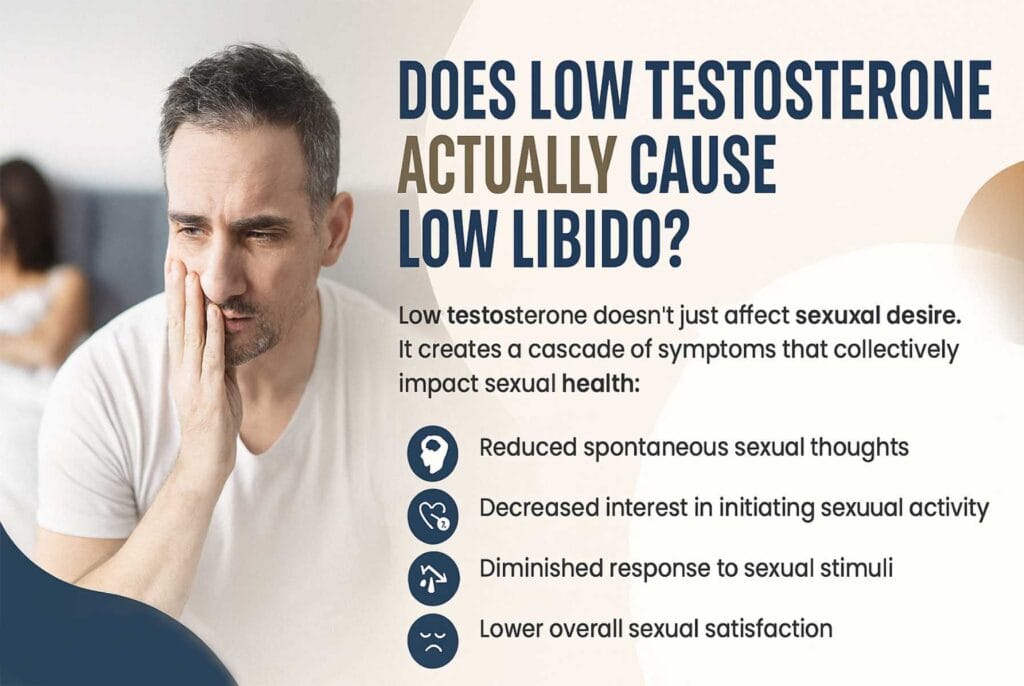
Low testosterone doesn’t just affect sexual desire. It creates a cascade of symptoms that collectively impact sexual health:
Direct effects on libido:
- Reduced spontaneous sexual thoughts
- Decreased interest in initiating sexual activity
- Diminished response to sexual stimuli
- Lower overall sexual satisfaction
Indirect effects that impact sexuality:
- Chronic fatigue reducing energy for intimacy
- Mood changes including depression and irritability
- Reduced muscle mass and increased body fat affecting self-confidence
- Sleep disturbances that compound fatigue
The threshold for these symptoms varies between individuals. Some men experience significant libido changes when testosterone drops below 350 ng/dL, while others maintain adequate sexual desire until levels fall under 250 ng/dL. Age, overall health, and psychological factors all influence how testosterone levels affect sexual function.
Importantly, testosterone represents just one piece of the libido puzzle. Stress, relationship dynamics, mental health conditions, medications, and other medical issues can suppress sexual desire even when testosterone levels remain normal.
Beyond Hormones: Other Ways Varicoceles Affect Sexual Function
Physical Discomfort
Varicoceles commonly cause a dull, aching sensation that intensifies with:
- Prolonged standing or physical activity
- Sexual arousal and erection
- Ejaculation
- End of the day (symptoms typically worsen with gravity)
This chronic discomfort can make men avoid sexual activity. When sex becomes associated with pain rather than pleasure, libido naturally declines as a protective response.
Psychological Impact
The mental health burden of varicocele shouldn’t be underestimated. Men often experience:
Performance anxiety: Concerns about erectile quality, ejaculation timing, or fertility can create a cycle where anxiety itself impairs sexual function.
Body image concerns: Visible scrotal swelling or testicular size differences can trigger self-consciousness during intimate moments.
Fertility stress: When varicoceles contribute to infertility, the emotional toll affects sexual relationships. Sex can feel like a chore rather than an expression of intimacy.

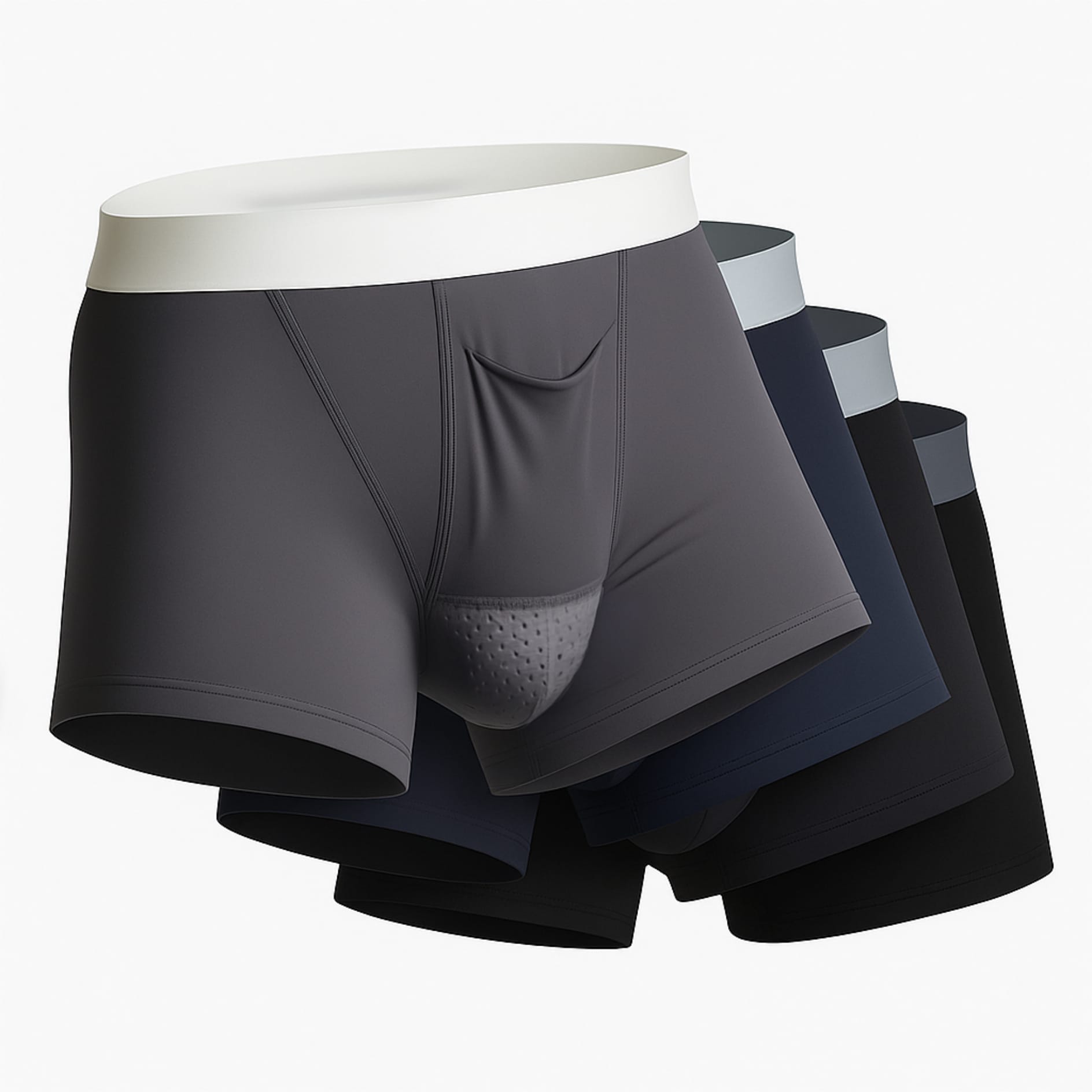
Discover specialized varicocele underwear designed for daily comfort, support, and recovery — a more targeted option for men who want support without compromise.
Discover the Recommended OptionDepression: Chronic health concerns combined with hormonal changes create vulnerability to depressive symptoms, which frequently include reduced libido.
Erectile Function
While varicoceles don’t directly cause erectile dysfunction, they can contribute through several pathways. Low testosterone reduces nitric oxide production in blood vessels, making erections more difficult to achieve and maintain. Additionally, the psychological stress and physical discomfort associated with varicoceles can interfere with arousal.
A systematic review found a significant association between varicocele and hypogonadism (OR 3.27), though data specifically linking varicoceles to erectile dysfunction remains limited.
Diagnosing the Problem: When to See a Doctor
Not every varicocele requires treatment, and not every case of low libido stems from varicocele. Recognizing when to seek medical evaluation is important.
Symptoms That Warrant Medical Attention
Contact a healthcare provider if you experience:
- Progressive loss of sexual desire over several months
- Visible or palpable scrotal swelling
- Dull aching in the scrotum, especially after standing
- One testicle noticeably smaller than the other
- Difficulty conceiving after 12 months of trying
- Erectile difficulties that persist
- Fatigue, mood changes, or other signs of low testosterone
Diagnostic Approach
Physical examination: Doctors can typically feel grade 2 or 3 varicoceles during a standing physical exam. The enlarged veins feel like a “bag of worms” within the scrotum.
Scrotal ultrasound: Doppler ultrasound visualizes blood flow patterns and measures vein diameter. This test detects smaller varicoceles not obvious on physical exam and rules out other conditions.
Hormone testing: Blood tests measure total testosterone, free testosterone, and sometimes luteinizing hormone (LH) and follicle-stimulating hormone (FSH). Testing should occur in the morning when testosterone peaks. Most doctors recommend two separate measurements before diagnosing hypogonadism.
Semen analysis: If fertility is a concern, semen analysis evaluates sperm count, motility, and morphology.
What Your Testosterone Results Mean
| Testosterone Level (ng/dL) | Clinical Interpretation |
|---|---|
| >300 | Generally normal range |
| 250-300 | Borderline low; symptoms vary |
| <250 | Likely hypogonadal; symptoms common |
| <200 | Significantly low; treatment often needed |
Reference ranges can vary between laboratories. Free testosterone (not bound to proteins) sometimes provides a more accurate picture of hormone status than total testosterone alone.
Treatment Options: Addressing Varicocele and Libido
Conservative Management
For mild varicoceles without significant symptoms, doctors often recommend:
Supportive underwear: Specialized underwear that provides gentle upward support can reduce discomfort by preventing the testicles from hanging heavily. This approach offers symptom relief without invasive procedures. Consider supportive cooling underwear designed specifically for varicocele symptoms.
Pain management: Over-the-counter NSAIDs like ibuprofen can help manage discomfort during flare-ups.
Activity modification: Avoiding prolonged standing and heavy lifting may reduce symptoms in some men.
Regular monitoring: For adolescents and men with minimal symptoms, periodic ultrasounds and semen analyses track whether the condition progresses.
Conservative approaches work best for grade 1 varicoceles or when symptoms remain mild. They don’t address the underlying vein problem but can improve quality of life.
Surgical Repair (Varicocelectomy)
Surgery remains the gold standard for symptomatic varicoceles. Several techniques exist:
Microsurgical varicocelectomy: Using an operating microscope, surgeons identify and tie off affected veins while preserving arteries and lymphatic vessels. This approach has the highest success rate (95-98%) and lowest complication risk.
Subinguinal approach: Surgery through a small incision below the groin allows direct access to spermatic cord structures with excellent visualization.
Laparoscopic repair: Performed through small abdominal incisions using camera guidance. This approach is less common today due to higher complication rates compared to microsurgical techniques.
Expected outcomes for testosterone and libido:
- 70% of patients see testosterone increases after surgery
- Mean testosterone rise of 178 ng/dL in responsive patients
- 79% of hypogonadal men achieve normal testosterone post-surgery
- 86.6% report improved libido following varicocelectomy
- Benefits typically emerge within 3-6 months, with continued improvement up to 12 months
Varicocele Embolization
This minimally invasive procedure offers an alternative to surgery. An interventional radiologist inserts a catheter through a vein in the groin, threading it to the affected testicular vein. Coils or sclerosing agents block blood flow through the problematic vein, forcing blood to reroute through healthier vessels.
Advantages:
- No incisions required
- Performed as outpatient procedure
- Faster recovery (1-2 days)
- Local anesthesia only
- Lower immediate pain
Considerations:
- Slightly higher recurrence rate (5-10%) than microsurgery
- Not suitable for all anatomical variations
- Similar testosterone improvement rates as surgery
Testosterone Replacement Therapy
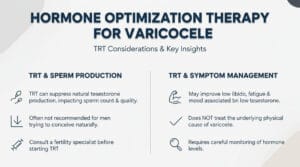
When varicocele treatment doesn’t adequately restore testosterone, or if surgery isn’t appropriate, testosterone replacement may be considered. Options include injections, gels, patches, and pellets.
Important limitations:
- Suppresses natural sperm production
- Not appropriate for men trying to conceive
- Requires lifelong commitment in most cases
- Doesn’t address the underlying varicocele
Most specialists recommend treating the varicocele first in younger men, as successful repair can restore natural testosterone production without the drawbacks of replacement therapy.
Long-Term Outlook: What to Expect After Treatment
Recovery Timeline
First 2 weeks post-surgery:
- Mild discomfort managed with pain medication
- Avoid heavy lifting and strenuous activity
- Most men return to desk work within 3-5 days
1-3 months:
- Testosterone levels begin rising
- Some men notice improved energy and mood
- Libido improvements often start in this window
3-6 months:
- Peak testosterone increases typically occur
- Sexual function improvements plateau
- Semen parameters show maximum improvement
6-12 months:
- Continued refinement of benefits
- Full assessment of treatment success possible
Long-term studies show sustained testosterone improvements and erectile function enhancement lasting up to 60 months after varicocelectomy, indicating durable benefits rather than temporary effects.
Factors Affecting Success
Not everyone experiences the same degree of improvement. Factors influencing outcomes include:
Pre-treatment testosterone level: Men with testosterone below 300 ng/dL typically see more dramatic improvements than those with borderline levels.
Age: While varicocele repair benefits men of all ages, younger patients often experience more robust hormonal recovery.
Varicocele grade: Larger varicoceles (grade 2-3) are more likely to cause hormonal problems but also respond better to treatment.
Overall health: Obesity, diabetes, and other metabolic conditions can limit testosterone recovery even after successful varicocele repair.
Duration of varicocele: Earlier treatment may prevent permanent Leydig cell damage, though studies haven’t definitively established optimal timing.
When Treatment Doesn’t Help
Approximately 30% of men don’t experience testosterone increases after varicocele repair. Possible explanations include:
- Pre-existing primary hypogonadism unrelated to varicocele
- Irreversible testicular damage from long-standing varicocele
- Obesity or metabolic syndrome masking benefits
- Other hormonal disorders affecting the pituitary-testicular axis
If libido remains low despite successful varicocele treatment and improved testosterone, investigating psychological factors, medication side effects, relationship dynamics, and other health conditions becomes important.
Lifestyle Factors That Support Sexual Health
While treating varicocele addresses a structural problem, optimizing other aspects of health can maximize testosterone production and libido:
Diet and Nutrition
Testosterone-supportive foods:
- Zinc-rich options: oysters, beef, pumpkin seeds
- Healthy fats: avocados, nuts, olive oil, fatty fish
- Vitamin D sources: fatty fish, fortified dairy, sunlight exposure
- Cruciferous vegetables: broccoli, cauliflower (may help metabolize estrogen)
Foods to limit:
- Excessive alcohol impairs testosterone production
- High-sugar diets promote insulin resistance and lower testosterone
- Trans fats from processed foods
Exercise and Weight Management
Regular physical activity boosts testosterone through multiple mechanisms. Resistance training particularly stimulates hormone production, while maintaining healthy body weight prevents aromatization of testosterone into estrogen.
Studies show that obesity (BMI ≥30) significantly correlates with low testosterone, independent of varicocele status. Weight loss can raise testosterone levels substantially in overweight men.
Exercise recommendations:
- Resistance training 3-4 times weekly
- Moderate cardio for cardiovascular health
- Avoid excessive endurance training which can suppress testosterone
- Allow adequate recovery between intense sessions
Stress Management and Sleep
Chronic stress elevates cortisol, which suppresses testosterone production. Poor sleep quality similarly disrupts hormonal balance, as testosterone production occurs primarily during deep sleep stages.
Strategies for hormonal health:
- Aim for 7-9 hours of quality sleep nightly
- Practice stress-reduction techniques (meditation, yoga, breathing exercises)
- Address anxiety or depression with professional support when needed
- Maintain consistent sleep-wake schedules
Avoiding Testosterone Disruptors
Certain substances and environmental factors can suppress testosterone:
- Anabolic steroids cause testicular shutdown
- Opioid medications significantly lower testosterone
- Excessive alcohol consumption
- Endocrine-disrupting chemicals in plastics (BPA)
- Some antidepressants and blood pressure medications
Frequently Asked Questions
Q: Can varicocele cause sudden loss of libido?
A: Varicocele typically causes gradual rather than sudden libido changes. The condition develops slowly over months or years, with testosterone declining progressively. Sudden libido loss more likely indicates acute stress, medication changes, or psychological factors. However, if you’ve had an undiagnosed varicocele for years, you might not notice the gradual decline until it becomes pronounced. Any sudden change in sexual function warrants medical evaluation to rule out other causes.
Q: Will fixing my varicocele guarantee my sex drive returns?
A: Not guaranteed, but likely if low testosterone from varicocele is the primary cause. Research shows 70-86% of men experience testosterone and libido improvements after varicocele repair. Success depends on pre-treatment testosterone levels, varicocele severity, and whether other factors (stress, medications, health conditions) contribute to low libido. Men with testosterone below 300 ng/dL typically see the most dramatic improvements. If libido doesn’t improve despite rising testosterone, exploring psychological factors with a therapist or sex counselor may help.
Q: How long after varicocele surgery will my libido improve?
A: Most men notice gradual improvements between 3-6 months post-surgery, though some report earlier changes. Testosterone levels begin rising within weeks, but the full hormonal benefits take several months to manifest. Sexual desire improvements often parallel testosterone increases. Patience is important, as rushing expectations can create anxiety that further impairs sexual function. If you see no improvement after 6 months and testosterone remains low, follow up with your doctor about additional interventions.
The Bottom Line: Understanding Your Options
The connection between varicocele and low libido centers primarily on testosterone production, though physical discomfort and psychological factors also play important roles. While not every man with a varicocele experiences sexual problems, those who do have effective treatment options available.
If you’re dealing with both a varicocele and declining sexual desire, don’t assume these symptoms are inevitable or irreversible. Medical evaluation can clarify whether your varicocele is contributing to hormonal changes and whether treatment might restore your sexual health.
The decision to treat a varicocele should consider multiple factors: symptom severity, testosterone levels, fertility goals, and overall quality of life. For many men, addressing a varicocele not only improves sexual function but also prevents future complications and restores confidence.
Working with an experienced urologist ensures you receive personalized recommendations based on your specific situation rather than one-size-fits-all advice. Whether through conservative management, surgical repair, or a combination of approaches, solutions exist to help you reclaim your sexual vitality.
Related Articles
Choose Varicocele Support Designed for Cooling, Lift, and Daily Comfort
You’ve seen why regular underwear often falls short. Now view the purpose-built option made to reduce heaviness, improve support, and feel comfortable enough for everyday wear.