If you’ve been diagnosed with varicocele or suspect you have one, you’ve probably wondered whether your choice of underwear matters. Can tight underwear make varicocele worse? This is one of the most common questions men ask after diagnosis, and the answer involves understanding both the mechanics of varicocele and how different fabric compression affects blood flow in the scrotum.
Varicocele—enlarged veins within the scrotum—affects approximately 15% of all men and up to 40% of men experiencing infertility. While underwear alone doesn’t cause varicocele, the wrong type can worsen symptoms like pain, swelling, and testicular discomfort. In this evidence-based guide, we’ll explore how underwear affects varicocele symptoms, what medical research says, and which styles actually provide relief. You’ll also learn how choosing the right underwear for varicocele can be a simple, non-invasive way to manage daily discomfort.
Understanding Varicocele: How Blood Flow Affects Symptoms
What Is Varicocele and Why Does It Develop?
Varicocele occurs when valves inside the veins of the spermatic cord malfunction, causing blood to pool rather than circulate efficiently back to the heart. This creates a visible enlargement—often described as feeling like a “bag of worms”—and can lead to:
- Dull, aching scrotal pain (worse after standing or exercise)
- Testicular atrophy (shrinkage)
- Reduced sperm quality and fertility issues
- Visible vein enlargement, particularly on the left side
According to the American Urological Association, approximately 90% of varicoceles occur on the left side due to anatomical differences in venous drainage.
How Temperature and Pressure Impact Varicocele
The scrotum naturally regulates testicular temperature 2-4°F cooler than body temperature for optimal sperm production. Varicocele disrupts this by:
- Increased venous pressure: Pooled blood increases hydrostatic pressure in scrotal veins
- Elevated scrotal temperature: Stagnant blood raises local temperature by 1-2°C
- Oxidative stress: Poor circulation increases reactive oxygen species that damage sperm DNA
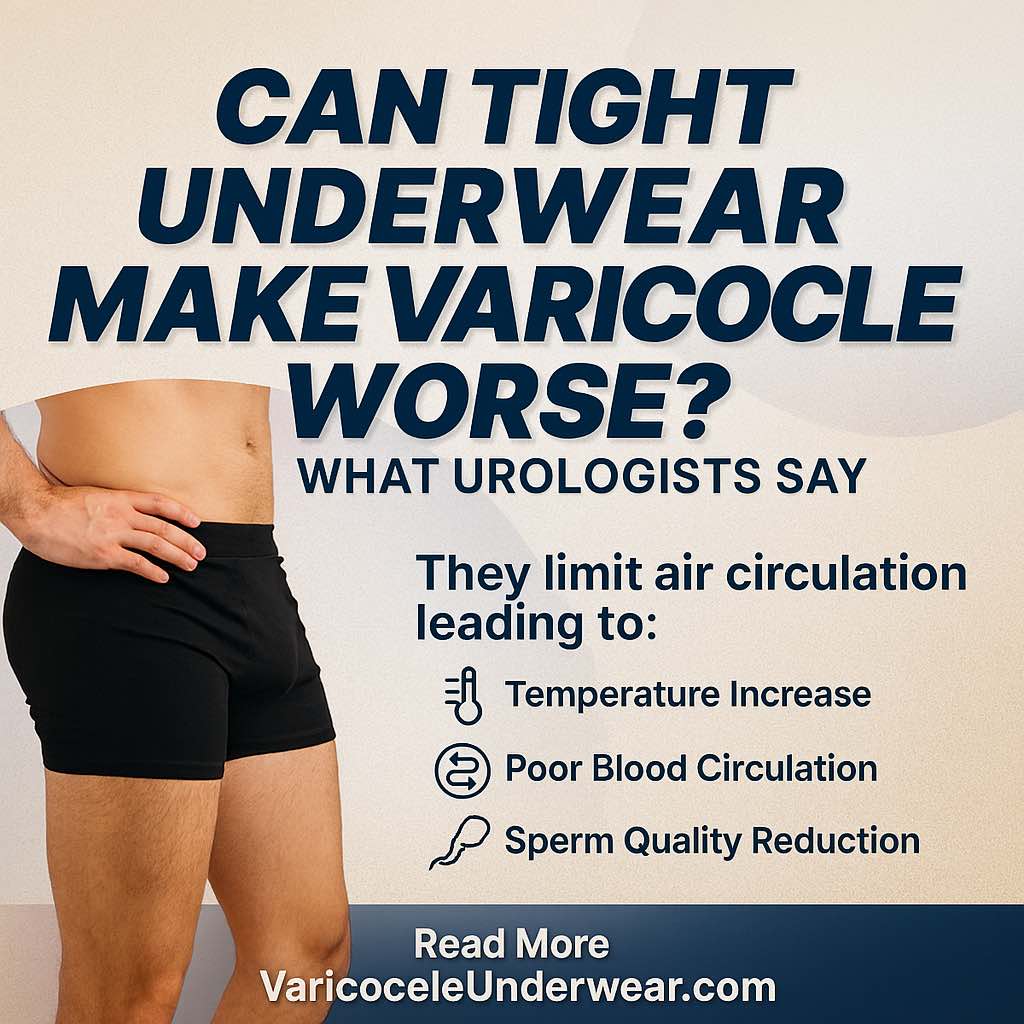
This is where underwear becomes relevant. Tight, restrictive garments can exacerbate these problems by further compressing veins and trapping heat.
The Truth About Tight Underwear and Varicocele
Does Tight Underwear Cause Varicocele?
No, tight underwear does not cause varicocele. The condition results from genetic predisposition, valve malfunction, and anatomical factors—not clothing choices. Research published in Human Reproduction confirms that underwear type doesn’t create venous insufficiency in the spermatic cord.
However, tight underwear can make existing varicocele symptoms significantly worse.
How Tight Underwear Worsens Varicocele Symptoms
Medical evidence shows that restrictive underwear negatively impacts men with varicocele through several mechanisms:
1. Increased Venous Compression Tight elastic bands and constrictive fabric compress the inguinal region where the spermatic cord exits the abdomen. This restriction:
- Reduces venous return from already-compromised veins
- Increases backpressure in varicose scrotal veins
- Worsens blood pooling and vein distension
2. Elevated Scrotal Temperature A 2018 study in Human Reproduction Update found that tight-fitting underwear increased scrotal temperature by an average of 1°C compared to loose boxers. For men with varicocele, this additional heat compounds existing temperature dysregulation, potentially affecting:
- Sperm motility (movement)
- Sperm morphology (shape)
- DNA fragmentation rates
3. Restricted Lymphatic Drainage Compression impedes lymphatic circulation, leading to:
- Fluid accumulation (edema)
- Increased testicular discomfort
- Prolonged inflammation
4. Friction and Irritation Tight synthetic fabrics create friction against sensitive, enlarged veins, causing:
- Skin irritation
- Increased pain during movement
- Aggravation of existing discomfort
Clinical Evidence: What Studies Show About Underwear and Testicular Health
The Harvard Underwear Study (2018)
Researchers at Harvard T.H. Chan School of Public Health examined 656 men and found that those wearing tight underwear had:
- 25% lower sperm concentration
- 17% lower total sperm count
- Higher FSH levels (indicating testicular stress)
While this study focused on fertility rather than varicocele specifically, the temperature and compression mechanisms are directly applicable to varicocele symptom management.
Scrotal Temperature Research (2020-2024)
Multiple studies have confirmed that:
- Boxer-style underwear maintains scrotal temperature 0.5-1°C cooler than briefs
- Breathable fabrics (cotton, modal, moisture-wicking synthetics) reduce heat retention
- Supportive pouch designs can provide lift without compression when properly engineered
Which Underwear Makes Varicocele Worse? Styles to Avoid
High-Risk Underwear Characteristics
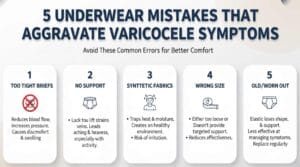
Tight Briefs and Bikini-Style Underwear
- Compresses inguinal canal and spermatic cord
- Pushes testicles against the body
- Traps heat in synthetic materials
- Restricts natural testicular movement
Compression Shorts and Athletic Supporters (Worn Long-Term)
- Designed for temporary support during sports
- Excessive compression when worn all day
- Limited breathability
- Can worsen venous congestion over time
Non-Breathable Synthetic Fabrics
- Polyester and nylon trap moisture and heat
- Create occlusive environment
- Increase scrotal temperature
- Promote bacterial growth and odor
Small Waistband Sizes
- Restricts blood flow at inguinal level
- Increases abdominal pressure transmitted to scrotal veins
- Causes discomfort and constriction
The Best Underwear Features for Varicocele Relief
Optimal Design Elements
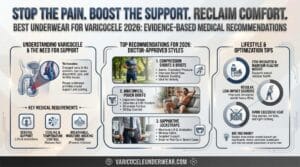
Men with varicocele benefit from underwear that provides gentle support without compression, promotes airflow, and maintains optimal temperature regulation.
Supportive Pouch Design
- Anatomical contouring that lifts without squeezing
- Separates testicles from thighs
- Reduces gravitational pull on enlarged veins
- Minimizes friction and chafing
Breathable, Moisture-Wicking Fabrics
- Bamboo viscose, modal, micro-mesh panels
- Cotton blends with stretch
- Quick-dry synthetic blends for active men
- Temperature-regulating materials
Relaxed Leg Openings
- No constriction at thigh level
- Allows natural circulation
- Prevents compression of femoral vessels
- Reduces overall scrotal pressure
Proper Sizing
- Waistband sits comfortably without digging in
- Adequate pouch room (not tight or loose)
- No riding up or bunching
- Size up if between sizes
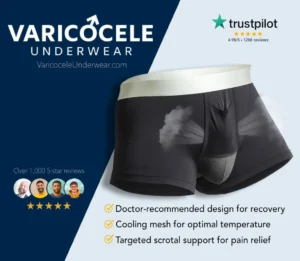
For men seeking symptom relief, specialized varicocele support underwear combines these evidence-based features with cooling technology and targeted compression zones that support without constricting—providing non-invasive daily management.
Evidence-Based Underwear Guidelines for Varicocele Management
Daily Wear Recommendations
| Situation | Best Underwear Type | Why It Helps |
|---|---|---|
| Office work/Sitting | Loose boxers or supportive pouch briefs | Reduces pressure, maintains airflow during prolonged sitting |
| Physical activity | Moisture-wicking athletic boxers with support | Prevents excessive movement while managing heat and moisture |
| Hot weather | Lightweight, breathable boxer briefs | Maximizes ventilation, reduces temperature elevation |
| Sleeping | None, or very loose boxers | Allows maximum cooling and unrestricted circulation overnight |
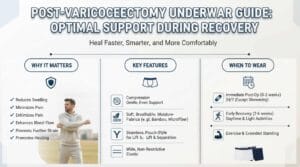
| Post-surgery recovery | Supportive briefs (as directed by surgeon) | Provides necessary support during healing without excess compression |
Material Comparison
Best Fabrics:
- Bamboo viscose: Naturally antimicrobial, moisture-wicking, soft
- Modal: Breathable, smooth, temperature-regulating
- Cotton blends with spandex: Natural comfort with necessary stretch
- Micro-mesh panels: Strategic ventilation zones
Fabrics to Limit:
- Pure polyester (traps heat)
- Non-breathable nylon
- Thick, heavy cotton without moisture management
Real-World Experience: Patient Case Studies
Case Study 1: Software Developer with Grade 2 Varicocele
Background: 32-year-old male, diagnosed with left-sided Grade 2 varicocele, sedentary job, experiencing daily discomfort (4-5/10 pain scale by evening).
Intervention: Switched from tight cotton briefs to moisture-wicking boxer briefs with anatomical pouch, sized up from medium to large.
Results (8 weeks):
- Pain level decreased to 1-2/10
- Reduced testicular heaviness sensation
- Improved comfort during 8+ hour workdays
- No progression of vein enlargement on follow-up ultrasound
Case Study 2: Athlete with Fertility Concerns
Background: 28-year-old recreational runner, bilateral varicocele, preparing for conception, wearing compression shorts daily.
Intervention: Replaced compression shorts with supportive athletic boxers except during runs; added cooling underwear for sleep.
Results (12 weeks):
- Semen analysis showed 30% improvement in sperm motility
- Reduced scrotal discomfort post-exercise
- Maintained athletic performance without symptom aggravation
Beyond Underwear: Comprehensive Varicocele Symptom Management
Lifestyle Modifications That Work
Temperature Management
- Take cool showers instead of hot baths
- Avoid hot tubs and saunas
- Use breathable bedding materials
- Consider cooling gel packs for acute discomfort (15-minute intervals)
Activity Adjustments
- Take standing breaks every 45-60 minutes if sedentary
- Avoid prolonged heavy lifting when possible
- Use proper form during exercise to minimize abdominal pressure
- Elevate scrotum when resting (pillow between legs while lying down)
Nutrition and Supplements Research in the Asian Journal of Andrology suggests antioxidants may help:
- Vitamin C and E
- Coenzyme Q10
- L-carnitine
- Zinc
Always consult your healthcare provider before starting supplements.
When to Consider Medical Treatment
While underwear and lifestyle changes help manage symptoms, they don’t cure varicocele. Consider consulting a urologist if you experience:
- Progressive testicular atrophy
- Severe or worsening pain
- Fertility issues (abnormal semen analysis)
- Grade 3 varicocele (large, easily visible)
- Bilateral varicocele affecting both testicles
Treatment options include varicocelectomy (surgical repair) or percutaneous embolization, both with success rates exceeding 90% for symptom relief.
Frequently Asked Questions
Can switching to looser underwear alone fix varicocele?
No, underwear changes cannot cure varicocele or repair damaged venous valves. However, wearing properly designed underwear can significantly reduce daily symptoms like pain, heaviness, and discomfort while supporting better temperature regulation for testicular health. Think of it as symptom management rather than treatment—similar to how supportive shoes help plantar fasciitis but don’t cure it. Learn more about comprehensive underwear solutions that combine support, cooling, and comfort for optimal daily management.
How long before I notice improvement after changing underwear?
Most men report noticeable comfort improvements within 1-2 weeks of switching from tight to supportive underwear. Pain reduction becomes more apparent after 4-6 weeks as chronic inflammation decreases. Temperature-related benefits (improved sperm parameters) typically require 2-3 months to show on semen analysis, as sperm production cycles take approximately 74 days. Keep a symptom journal to track changes objectively.
Should I wear supportive underwear after varicocele surgery?
Yes, but follow your surgeon’s specific recommendations. Most urologists advise wearing supportive briefs for 1-2 weeks post-surgery to minimize swelling and support healing tissues. After initial recovery, transition to breathable, supportive boxer briefs that provide gentle lift without compression. Avoid returning to tight underwear, as proper support helps maintain surgical outcomes and prevents symptom recurrence.
Key Takeaways: Underwear and Varicocele Management
- Tight underwear doesn’t cause varicocele but significantly worsens existing symptoms through compression, heat retention, and restricted circulation
- Optimal underwear provides gentle support without constriction, uses breathable fabrics, and maintains cooler scrotal temperatures
- Evidence shows that loose-fitting, moisture-wicking boxer briefs or anatomically designed support underwear reduce discomfort and may improve sperm parameters
- Avoid high-compression garments (tight briefs, athletic supporters worn all day, small sizes) that increase venous pressure and scrotal temperature
- Underwear is one component of comprehensive management—combine with lifestyle modifications, temperature control, and medical consultation when appropriate
Conclusion: Making Informed Choices for Daily Comfort
The relationship between underwear and varicocele is clear: while your clothing didn’t cause the condition, the wrong choices can make living with it significantly more uncomfortable. By understanding how compression, temperature, and fabric selection affect scrotal blood flow, you can make evidence-based decisions that reduce daily symptoms and support overall testicular health.
Switching to properly designed underwear is one of the simplest, most affordable interventions for varicocele symptom management—providing relief without medication or surgery for many men. Whether you choose loose boxers, supportive boxer briefs, or specialized varicocele underwear with cooling technology, prioritize designs that lift gently, breathe effectively, and fit properly.
Your next steps:
- Assess your current underwear for problematic compression or heat retention
- Measure properly and consider sizing up if currently between sizes
- Invest in 3-4 pairs of quality supportive underwear to test
- Track symptom changes over 4-6 weeks
- Consult a urologist if pain persists or worsens despite changes
Remember: varicocele management is multifaceted, and underwear is just one tool. If symptoms significantly impact your quality of life or fertility, professional medical evaluation remains essential.